Let me tell you a story about the promise I made to myself—and promptly broke.
After high school, where I regularly sacrificed sleep for studying, socializing, and everything in between, I swore: "Never again. I won't sacrifice my sleeping routine for anyone or anything."
Then real life happened.
When I finished school and started university, my parents decided it was time I got a "real job." Not just any job—a secretary position that required me to be at the office at 7 a.m. That meant waking up at 5:30 a.m. to catch public transportation for a 40-minute commute. At 18 years old, while my friends were living the typical college experience—late-night studying, spontaneous hangouts, sleeping until noon—I was already deep in working life.
The result? I ended up sleeping around 2-3 hours per night for two years straight. I was exhausted, my work performance suffered, I neglected my studies, and I was essentially just surviving, not living.
Does this sound familiar? If you've ever found yourself in that cycle—pushing through on minimal sleep, fueled by coffee and sheer willpower—you're not alone. And if you've ever wondered whether those lost hours of sleep really matter that much, the answer is an emphatic yes.
What I realized after hitting rock bottom with my sleep schedule was this: good sleep isn't a luxury. It's the foundation for everything else in your life.
Let's talk about why sleep matters so much for both your physical and mental health, what happens when you don't get enough, and—most importantly—how to actually improve your sleep quality starting tonight.
My Wake-Up Call (Literally)
Those first days at my new job were a nightmare. Literally. I was sleeping while awake—you know that feeling where you're technically conscious but your brain is offline? I could barely move my feet to the office, and I had to try really hard not to fall asleep in front of my computer screen.
Being 18 and trying to balance work life with college life seemed impossible. My friends were out having coffee, going to late-night movies, enjoying spontaneous adventures—and I was declining every invitation because I desperately needed sleep. But then FOMO (fear of missing out) would kick in, I'd push through on 2-3 hours of sleep, and the cycle would start again.

My work performance? Adequate, but nowhere near my potential. My studies? Completely neglected because I didn't have the energy to attend classes, let alone study. My mental health? Declining rapidly.
The turning point came when I realized: something had to change immediately, or I wouldn't make it at all.
I started prioritizing my days differently and scheduling my sleep time like an important meeting—because it was. I made time to sleep for at least 7-8 hours per day. Of course, there were still nights when I couldn't manage it, but I stopped treating sleep like it was optional or something to "fit in" if I had time.
The difference was unbelievable.
The Sleep Crisis: You're Not Alone
Before we analyze the five reasons why sleep matters, let's acknowledge something important: we're living through a sleep deprivation epidemic.
The Statistics Are Alarming:
- According to the CDC, 1 in 3 American adults don't get enough sleep
- The American Sleep Association reports that 50-70 million US adults have a sleep disorder
- A study published in the journal Sleep found that chronic sleep deprivation affects over 35% of working adults
- Women, in particular, report more sleep problems than men—likely due to hormonal fluctuations, caregiving responsibilities, and the mental load of managing work-life balance
We've created a culture that glorifies "hustle" and treats sleep like a weakness. We brag about how little sleep we got last night, as if exhaustion is a badge of honor. Social media is filled with posts celebrating 3 a.m. grind sessions and "I'll sleep when I'm dead" mantras.
But here's the truth: you can't hustle your way through chronic sleep deprivation. Eventually, your body will force the issue.
Reason #1: Sleep is Vital for Brain Function & Productivity
When you get enough hours of sleep, your brain gets the rest and recovery time it desperately needs. The result? Your performance levels, focus, productivity, and cognitive function all increase dramatically.
The Science: During sleep, your brain is incredibly active—consolidating memories, processing information from the day, clearing out metabolic waste, and essentially "defragmenting" itself like a computer. According to research from Harvard Medical School, sleep plays a critical role in:
- Memory consolidation - Converting short-term memories into long-term storage
- Learning retention - Processing and integrating new information
- Problem-solving - Making connections between disparate ideas
- Creativity - Generating innovative solutions
- Decision-making - Improving judgment and reducing impulsivity
Think about the last time you tried to work on only 4-5 hours of sleep. You probably:
- Read the same paragraph three times without absorbing it
- Forgot what you walked into a room to get
- Made careless mistakes you normally wouldn't
- Struggled to focus during meetings
- Took twice as long to complete simple tasks
A study published in the journal Nature found that sleep deprivation impairs cognitive performance as much as alcohol intoxication. Would you show up to work drunk? No. So why do we accept showing up sleep-deprived as normal?
When I finally started prioritizing sleep, the difference in my work performance was significant. Tasks that used to take me hours were suddenly done in 45 minutes. I could focus during long meetings. My emails were clearer and more professional. I stopped forgetting important deadlines. My brain finally had the fuel it needed to function.
Reason #2: Sleep Dramatically Improves Physical Performance
I compared myself working out after a few hours of sleep versus after a regular sleeping schedule. The results were unbelievable. I could not believe how much more I could perform in my workout routine and how much more vivid and stress-relieved I felt.
The Science: Sleep is when your body repairs itself. During deep sleep stages, your body:
- Repairs muscle tissue damaged during exercise
- Synthesizes proteins needed for muscle growth
- Releases growth hormone essential for recovery
- Regulates inflammation in the body
- Restores energy stores (glycogen) in muscles
According to a study in the Journal of Sports Sciences, athletes who increased their sleep to 10 hours per night saw:
- 9% improvement in sprint times
- 9% increase in shooting accuracy
- Improved reaction times
- Better overall athletic performance
- Reduced risk of injury
You Don't Have to Be an Athlete to Benefit
Even if you're not training for a marathon, sleep affects your physical capabilities every day:
- Morning workouts - You'll have more energy and stamina
- Daily movement - Walking, taking stairs, standing at your desk all feel easier
- Physical recovery - Muscle soreness reduces faster
- Coordination - Fewer clumsy moments and dropped coffee cups
- Energy levels - No more 3 p.m. energy crashes
If you're trying to establish a morning routine that actually works, getting adequate sleep the night before is non-negotiable. You can't fake morning energy when you're running on empty.
Reason #3: Sleep Regulates Mood & Emotional Health
We have all been in a position where we haven't slept enough and had to go to work anyway. Personally, when I felt drained, I couldn't manage to interact socially with my coworkers or clients, and I definitely couldn't concentrate without feeling like I might cry in front of my laptop.
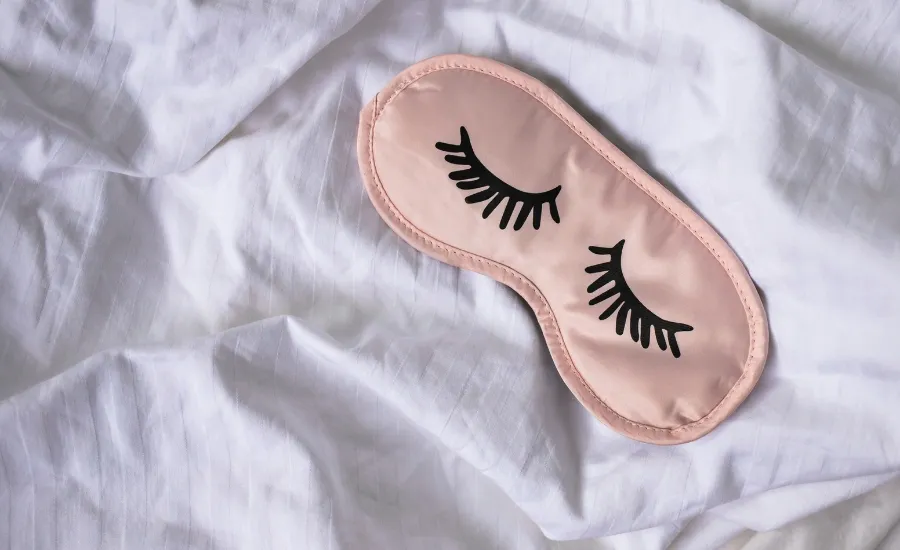
Deprivation of sleep causes stress, negative emotions, and increased amounts of irritation.
The Science: Sleep and mental health are deeply interconnected. The relationship works both ways—poor sleep affects your mental health, and mental health issues affect your sleep. Research shows that sleep deprivation:
- Increases stress hormones like cortisol
- Impairs emotional regulation - making it harder to manage reactions
- Amplifies negative emotions while dulling positive ones
- Reduces resilience to daily stressors
- Increases risk of anxiety and depression
A study from UC Berkeley found that sleep deprivation amplifies anticipatory anxiety by up to 30%. The amygdala (your brain's emotional center) becomes overactive, while the prefrontal cortex (which helps regulate emotions) becomes less active. This means your emotional responses become more extreme and harder to control.
The Real Impact on Your Day: When you're sleep-deprived:
- Minor annoyances feel major - That email that normally wouldn't bother you becomes infuriating
- Social interactions are exhausting - Small talk with coworkers feels impossible
- Everything feels harder - Tasks that are normally manageable feel overwhelming
- Tears come easily - You might find yourself crying over things that wouldn't normally affect you
- Patience disappears - You snap at people you care about
This is why managing stress at work starts with managing your sleep. You can't employ healthy coping strategies when you're running on fumes.
Reason #4: Sleep Controls Hunger & Weight Management
When we don't get enough sleep, we tend to eat increased portions and more unhealthy meals. Our body needs more energy, so we usually search for this energy from unhealthy sources such as sweets, crackers, and similar foods that instantly create feelings of satiation. This, however, is just a temporary placebo, and we simply fill our bodies with unnecessary calories.
The Science: Sleep deprivation wreaks havoc on the hormones that regulate hunger and satiety:
- Ghrelin increases - The "hunger hormone" that tells you to eat
- Leptin decreases - The "satiety hormone" that tells you you're full
- Insulin sensitivity decreases - Making it harder to process sugar efficiently
- Cortisol increases - Leading to increased fat storage, especially around the midsection
A study published in the American Journal of Clinical Nutrition found that sleep-deprived individuals:
- Consumed an average of 385 more calories per day
- Chose more calorie-dense, high-carb foods
- Had stronger cravings for sweet and salty snacks
- Made poorer food choices overall
Why You Crave Junk Food When Tired
Your brain's reward center becomes more active when you're sleep-deprived, making unhealthy foods seem more appealing. Simultaneously, your frontal lobe (responsible for decision-making and impulse control) becomes less active, making it harder to resist temptation.
The Vicious Cycle:
- You don't sleep enough
- You eat more (especially unhealthy foods)
- You feel guilty about your food choices
- You stress eat (yes, those sugar cravings) to cope
- You sleep poorly because of the stress
- Repeat
Breaking this cycle starts with prioritizing sleep. When you're well-rested, making healthy food choices becomes dramatically easier.
Reason #5: Sleep Strengthens Your Immune System
The less we sleep, the harder it is for our body to fight common infections. When you're sleep-deprived, your body is not in a position to fight off the "attackers." You won't believe how much healthier you will feel after a good night's sleep!
The Science: During sleep, your immune system releases proteins called cytokines. Some cytokines need to increase when you have an infection or inflammation, or when you're under stress. Sleep deprivation decreases production of these protective cytokines and infection-fighting antibodies.
Research shows that people who don't get enough sleep:
- Are 3x more likely to catch a cold when exposed to the virus
- Take longer to recover from illness
- Have reduced vaccine effectiveness
- Experience more inflammation
- Are at higher risk for chronic diseases
A groundbreaking study from the University of California, San Francisco, found that people who sleep less than 6 hours per night are 4.2 times more likely to catch a cold compared to those who sleep 7+ hours.
The Domino Effect: When you're constantly sleep-deprived:
- You get sick more frequently
- When you're sick, you can't sleep well
- You take longer to recover
- You miss more work or push through while sick
- Your productivity and health decline further
- You get sick again
My Experience: Once I started sleeping 7-8 hours regularly, I noticed I stopped getting the frequent colds and sinus infections that used to plague me. My body finally had the resources it needed to maintain its defenses. Those "I feel like I'm getting sick" moments that used to turn into full-blown illnesses? They started disappearing before they could take hold.
The Real Cost of Sleep Deprivation
Let's talk about what chronic sleep deprivation is actually costing you—beyond just feeling tired.
Career Impact:
- Decreased productivity and focus
- More mistakes and poor decision-making
- Missed opportunities due to lack of mental clarity
- Strained professional relationships due to irritability
- Limited career advancement because you're not performing at your best
Health Impact:
- Increased risk of chronic conditions (diabetes, heart disease, obesity)
- Weakened immune system
- Faster aging and cognitive decline
- Higher risk of accidents and injuries
- Mental health challenges (anxiety, depression)
Relationship Impact:
- Increased conflict with partners, family, friends
- Reduced patience and empathy
- Less energy for quality time and connection
- Irritability affecting every interaction
Financial Impact:
- More sick days
- Medical expenses from preventable illnesses
- Reduced earning potential due to lower performance
- Impulse purchases made under poor judgment
Quality of Life:
- Missing out on experiences because you're too tired
- Can't enjoy hobbies or interests
- Always feeling like you're in survival mode
- Never feeling truly rested or refreshed
How Much Sleep Do You Actually Need?
The National Sleep Foundation provides these evidence-based recommendations:
- Teenagers (14-17 years): 8-10 hours
- Young Adults (18-25 years): 7-9 hours
- Adults (26-64 years): 7-9 hours
- Older Adults (65+ years): 7-8 hours
But here's what matters more than hitting an exact number: Sleep quality is just as important as sleep quantity.
You could technically sleep 8 hours, but wake up unrested if:
- You're waking up multiple times during the night
- You're not spending enough time in deep sleep stages
- You have sleep apnea or other sleep disorders
- Your sleep environment is disrupting rest
Signs You're Getting Enough Quality Sleep:
- You wake up feeling refreshed without an alarm (most days)
- You have consistent energy throughout the day
- You don't need excessive caffeine to function
- You can focus and be productive
- Your mood is stable
- You rarely get sick
Sleep Hygiene: 15 Tips to Sleep Better Tonight
Now for the practical part—how to actually improve your sleep starting tonight.
1. Stick to a Consistent Sleep Schedule
Go to bed and wake up at the same time every day, even on weekends. This regulates your body's internal clock (circadian rhythm) and makes falling asleep and waking up easier.
Why it works: Your body thrives on routine. When you maintain consistent sleep and wake times, your body starts preparing for sleep naturally at your bedtime, and you'll wake up feeling more refreshed.
2. Create a Relaxing Bedtime Routine
Develop a consistent wind-down routine 30-60 minutes before bed. This signals to your body that it's time to transition from wakefulness to sleep.
Ideas for your routine:
- Take a warm bath or shower
- Do gentle stretching or yoga
- Read a book (paper, not screen)
- Practice meditation or deep breathing
- Write in a gratitude journal
- Listen to calming music or a sleep podcast
For inspiration, check out these evening routine ideas that promote better sleep.
3. Optimize Your Sleep Environment
Your bedroom should be a sleep sanctuary—cool, dark, quiet, and comfortable.
Temperature: Keep your bedroom between 60-67°F (15-19°C). Your body temperature naturally drops during sleep, and a cooler room facilitates this process.
Darkness: Use blackout curtains or an eye mask. Even small amounts of light can disrupt melatonin production.
Noise: Use earplugs, a white noise machine, or a fan to mask disruptive sounds.
Comfort: Invest in a quality mattress, pillows, and breathable bedding. If you can't remember the last time you replaced your pillow, it's time.
4. Limit Screen Time Before Bed
The blue light emitted by phones, tablets, computers, and TVs suppresses melatonin production, making it harder to fall asleep.
The rule: No screens for at least 30-60 minutes before bed. If you must use devices, enable blue light filters or wear blue light blocking glasses.
Better alternatives:
- Read a physical book
- Listen to an audiobook or podcast
- Do a puzzle or craft project
- Have a conversation with your partner
- Practice meditation
5. Watch Your Caffeine Intake

Caffeine has a half-life of 5-6 hours, meaning half of it is still in your system hours after consumption.
The rule: No caffeine after 2 PM. If you're particularly sensitive, cut it off even earlier.
Remember, these contain caffeine too:
- Coffee (obviously)
- Tea (black, green, some herbal)
- Soda
- Energy drinks
- Chocolate
- Some medications
6. Be Mindful of Alcohol
While alcohol might help you fall asleep initially, it significantly disrupts sleep quality, particularly REM sleep (the restorative stage where dreaming occurs).
The reality: You might pass out faster, but you'll wake up more during the night and feel less rested in the morning.
If you drink: Stop at least 3-4 hours before bedtime to minimize sleep disruption.
7. Exercise Regularly (But Time It Right)
Regular physical activity improves sleep quality and helps you fall asleep faster. However, exercising too close to bedtime can be stimulating.
Best timing: Morning or early afternoon workouts are ideal. If evening is your only option, finish at least 3-4 hours before bed, or stick to gentle activities like yoga or stretching.
8. Manage Stress & Anxiety
Racing thoughts are one of the biggest sleep disruptors. Managing work stress is crucial for better sleep.
Techniques that help:
- The brain dump method: Write down everything on your mind 1-2 hours before bed
- Worry time: Schedule 15 minutes earlier in the evening to acknowledge worries, then mentally set them aside
- Progressive muscle relaxation: Systematically tense and relax muscle groups
- 4-7-8 breathing: Inhale for 4 counts, hold for 7, exhale for 8
9. Watch What and When You Eat
Large meals close to bedtime can cause discomfort and indigestion, making sleep difficult.
The rules:
- Finish dinner 2-3 hours before bed
- Avoid heavy, spicy, or acidic foods in the evening
- Don't go to bed hungry (small, light snack is okay)
- Limit fluids 1-2 hours before bed to minimize nighttime bathroom trips
Sleep-promoting snacks (if needed):
- Banana with almond butter
- Greek yogurt with berries
- Whole grain crackers with cheese
- Chamomile tea
- Tart cherry juice (natural melatonin)
10. Get Sunlight Exposure During the Day
Natural light exposure, especially in the morning, helps regulate your circadian rhythm.
How to get it:
- Spend time outside within an hour of waking
- Open blinds and curtains during the day
- Take walks during lunch breaks
- Sit near windows when working
11. Use Your Bed Only for Sleep and Sex
Don't work, watch TV, scroll social media, or eat in bed. Train your brain to associate your bed with sleep, not wakefulness.
Why it matters: When you use your bed for multiple activities, your brain doesn't get a clear sleep signal when you lie down.
12. If You Can't Sleep, Get Up
If you've been lying awake for more than 20 minutes, get up and do a quiet, relaxing activity in dim light until you feel sleepy.
Why: Lying in bed awake creates an association between your bed and wakefulness, making the problem worse over time.
What to do:
- Read in another room (dim light)
- Listen to calm music or a sleep podcast
- Do gentle stretches
- Practice meditation or breathing exercises
Return to bed only when you feel sleepy.
13. Limit Naps (Or Nap Strategically)
While short naps can be refreshing, long or late-day naps can interfere with nighttime sleep.
If you nap:
- Keep it to 20-30 minutes max
- Nap before 3 PM
- Find a dark, quiet place
Exception: If you're severely sleep-deprived, a longer nap might be necessary. Just know it might affect that night's sleep.
14. Consider Natural Sleep Aids
While not a substitute for good sleep hygiene, some natural supplements may help:
- Magnesium - Promotes relaxation
- Melatonin - Helps regulate sleep-wake cycle (short-term use)
- L-theanine - Promotes relaxation without drowsiness
- Valerian root - May improve sleep quality
- Chamomile tea - Mild sedative effect
Important: Talk to your doctor before starting any supplements, especially if you take medications or have health conditions.
15. Track Your Sleep Patterns
Use a sleep diary or app to identify patterns and triggers that affect your sleep quality.
What to track:
- Bedtime and wake time
- How long it took to fall asleep
- Number and duration of wake-ups
- Total sleep time
- How rested you feel in the morning
- Caffeine, alcohol, and exercise timing
- Stress levels
Patterns you might discover:
- Eating late = poor sleep
- High stress days = trouble falling asleep
- No exercise = more restless sleep
- Caffeine after 1 PM = frequent wake-ups
Creating Your Perfect Evening Routine
One of the most effective ways to improve sleep is by establishing a consistent evening routine. Here's a framework you can customize:
7:00 PM - Finish Dinner
- Light, balanced meal
- No heavy or spicy foods
- Stay hydrated but don't overdo fluids
7:30 PM - Light Activity
- Gentle walk
- Light household tasks
- Spend time with family
- Creative hobby
8:00 PM - Wind-Down Begins
- Dim the lights throughout your home
- Turn off work notifications
- Close your laptop (physically!)
- Change into comfortable clothes or pajamas
8:30 PM - Digital Sunset
- Put phone on Do Not Disturb
- Turn off TV and devices
- Switch to relaxing activities
9:00 PM - Pre-Bed Routine
- Skincare routine
- Brush and floss teeth
- Prepare clothes for tomorrow
- Set up coffee maker
- Check locks and lights
9:30 PM - Relaxation Time
- Read a book
- Journal or brain dump
- Practice meditation or breathing exercises
- Listen to calming music
- Gentle stretching
10:00 PM - Lights Out
- Get into bed
- Keep room cool, dark, quiet
- Focus on relaxing, not trying to sleep
- Trust your body to do what it knows how to do
Remember: consistency matters more than perfection. Aim to follow your routine most nights, and be gentle with yourself on nights when life happens.
When to Seek Professional Help

Sometimes, despite your best efforts with sleep hygiene, sleep problems persist. It might be time to consult a healthcare provider or sleep specialist if you experience:
Warning Signs of Sleep Deprivation:
- Chronic difficulty falling or staying asleep (lasting 3+ months)
- Loud snoring or gasping for air during sleep
- Excessive daytime sleepiness despite adequate sleep time
- Uncontrollable urges to move your legs at night
- Unusual movements or behaviors during sleep
- Sleep problems affecting your daily life, work, or relationships
Possible Sleep Disorders:
- Insomnia - Chronic difficulty falling or staying asleep
- Sleep apnea - Breathing repeatedly stops during sleep
- Restless leg syndrome - Uncomfortable sensations in legs, urge to move them
- Narcolepsy - Excessive daytime sleepiness, sudden sleep attacks
- Circadian rhythm disorders - Sleep-wake cycle misaligned with schedule
Don't suffer in silence. Sleep disorders are treatable, and getting a proper diagnosis and treatment can be life-changing.
FAQs About Sleep & Health
Q: Is 6 hours of sleep enough?
A: For most adults, no. While some people function on 6 hours, research shows that 7-9 hours is optimal for most people. Chronic sleep restriction, even by just 1-2 hours, accumulates "sleep debt" that affects health and performance over time.
Q: Can I "catch up" on sleep during weekends?
A: Partially, but it's not ideal. While sleeping more on weekends can help reduce sleep debt, it's better to maintain consistent sleep patterns throughout the week. Dramatically different sleep schedules on weekends can create "social jet lag," making Monday mornings even harder.
Q: Why do I wake up at 3 AM and can't fall back asleep?
A: Common causes include stress/anxiety, blood sugar fluctuations, sleep apnea, or natural sleep cycles. Try avoiding alcohol and heavy meals before bed, managing stress, and practicing relaxation techniques. If it persists, consult a healthcare provider.
Q: How long does it take to see benefits from better sleep habits?
A: Some benefits (improved mood, energy) can appear within days. Others (weight management, immune function, long-term health) take weeks to months of consistent good sleep. Be patient and consistent.
Q: Does sleep quality matter more than quantity?
A: Both matter. You need sufficient sleep duration AND quality sleep that cycles through all sleep stages properly. Poor quality sleep (frequent wake-ups, sleep disorders) won't provide full benefits even if you're in bed 8-9 hours.
Q: Can exercise help if I have trouble sleeping?
A: Yes! Regular exercise improves sleep quality and helps you fall asleep faster. However, timing matters—vigorous exercise too close to bedtime can be stimulating. Aim for morning or early afternoon workouts, or gentle evening yoga/stretching.
Q: Should I take melatonin supplements?
A: Melatonin can help short-term for jet lag or temporary sleep disruptions. However, it's not a long-term solution and doesn't work for everyone. Focus on sleep hygiene first, and consult your doctor before taking supplements regularly.
Q: Is it normal to need an alarm to wake up?
A: If you consistently need an alarm and feel unrested upon waking, you may not be getting enough quality sleep or sleeping at times that align with your natural rhythm. Ideally, you should wake naturally feeling refreshed most days.
Sleep is Your Superpower
All in all, we all have a lot going on in our lives every day. Between work deadlines, social obligations, family responsibilities, personal goals, and everything in between, it's easy to let sleep fall to the bottom of the priority list.
But here's what I learned the hard way: the most important thing is to be able to take care of ourselves first, because to be honest, nobody will do that for us.
A good night's sleep is free, easy to achieve (once you prioritize it), and offers so many benefits for our mental and physical health.
When I finally started taking sleep seriously—scheduling it like any other important commitment, creating boundaries around my bedtime, building consistent healthy habits—everything else in my life improved:
- My work performance soared
- My relationships got better (no more irritability!)
- My physical health improved dramatically
- My mental clarity returned
- I actually enjoyed my life instead of just surviving it
Sleep isn't selfish. Sleep isn't lazy. Sleep isn't something you'll have time for "later."
Sleep is the foundation that makes everything else in your life possible. It's the ultimate form of self-care, the most powerful productivity tool, and the best investment you can make in your health.
So tonight, instead of scrolling for "just five more minutes" or finishing "one more thing" on your to-do list, try this: Go to bed.
Sweet dreams, and here's to waking up as your best self! 💙
Related Articles:
Morning Beauty Routine Checklist for Better Skin
How To Maintain Your Work-Life Balance: Real Strategies That Work
Can't Sleep? Maybe Your Diet Affects Your Sleeping Patterns