
Medical Disclaimer: This article is written by a registered nutritionist for educational purposes only and is not intended to replace personalized medical advice. If you have diabetes, prediabetes, or any medical condition affecting blood sugar, please consult your healthcare provider before making dietary changes.
One important thing most people don't realize is that how you eat throughout the day directly affects your energy levels, hunger, mood, focus, and even your long-term health. When blood sugar spikes and crashes repeatedly, it doesn't just make you feel terrible in the moment. Over time, it can contribute to insulin resistance, weight gain, inflammation, and increased risk for metabolic conditions.
The good news? You have more control over your blood sugar than you think. Let's break down exactly how glucose works in your body and what you can do to keep it stable.
Understanding Blood Sugar: The Basics You Need to Know
When you consume food—particularly carbohydrates—your body breaks it down into glucose (sugar), which enters your bloodstream. Your pancreas responds by releasing insulin, a hormone that helps move glucose from your blood into your cells, where it's used for energy.
This system works beautifully when it's balanced. But when you eat foods that cause rapid spikes in blood glucose (like refined carbs, sugary snacks, or large portions of carbohydrates without protein or fat), your body releases a surge of insulin. This can cause your blood sugar to drop quickly, leading to that familiar crash—along with hunger, fatigue, irritability, and cravings.
According to the American Diabetes Association, even people without diabetes can benefit significantly from blood sugar management strategies. Stable blood sugar means:
- Consistent energy throughout the day
- Better appetite regulation and reduced cravings
- Improved mood and mental clarity
- Better sleep quality
- Reduced inflammation
- Lower risk of developing metabolic conditions
Now let's talk about how to actually achieve this stability.

1. Master Your Meal Timing: The 3-4 Hour Rule
Eat a balanced meal or snack every 3-4 hours to maintain steady blood sugar levels throughout the day.
This might sound counterintuitive if you've been told to eat less frequently for weight management, but here's the science: when you go too long without eating (generally more than 4-5 hours), your blood sugar drops. Your body responds by releasing stress hormones, such as cortisol, which signal your liver to release stored glucose. This can create blood sugar instability and trigger intense hunger and cravings.
On the flip side, eating too frequently (every 1-2 hours) doesn't give your insulin levels time to normalize between meals, which can contribute to insulin resistance over time.
The sweet spot? Every 3-4 hours for most people.
What This Looks Like in Practice:
- 7am: Breakfast
- 10am: Morning snack
- 1pm: Lunch
- 4pm: Afternoon snack
- 7pm: Dinner
Not everyone needs a snack between every meal. Listen to your body. If you eat a substantial, balanced breakfast at 7 am, you might not need a snack before noon lunch. The goal is to avoid going so long that you become ravenously hungry.
Smart Snack Options for Blood Sugar Balance:
- Apple slices with almond butter
- Greek yogurt with berries and a handful of nuts
- Hummus with vegetable sticks
- Hard-boiled eggs with whole-grain crackers
- Cheese with a small handful of grapes
- Homemade trail mix (nuts, seeds, unsweetened dried fruit)
- No-sugar-added protein bars with at least 5g fiber
Notice the pattern? Every snack combines protein, healthy fat, and/or fiber with any carbohydrates. This combination slows digestion and prevents blood sugar spikes.
2. Control Your Portions (Without Obsessing)
Manage portion sizes to prevent blood sugar spikes while still enjoying satisfying meals.
Portion control isn't about deprivation or eating tiny amounts that leave you hungry. It's about eating appropriate amounts that nourish your body without overwhelming your glucose regulation system.
Research published in the journal Diabetes Care shows that portion control is one of the most effective strategies for improving blood sugar control, even without changing what you eat.
Practical Portion Control Techniques:
Use the Plate Method:
- Fill half your plate with non-starchy vegetables (leafy greens, broccoli, peppers, tomatoes)
- Fill one quarter with lean protein (chicken, fish, tofu, legumes)
- Fill one quarter with complex carbohydrates (whole grains, sweet potato, quinoa)
- Add a small amount of healthy fat (olive oil, avocado, nuts)
Visual Portion Guides:
- Protein: Palm of your hand (3-4 oz)
- Carbohydrates: Cupped hand (1/2 to 1 cup cooked)
- Fats: Thumb tip (1 tablespoon)
- Vegetables: Two cupped hands together (as much as you want!)
Environmental Strategies:
- Use smaller plates (9-10 inch diameter instead of 12 inch)
- Serve meals on plates rather than eating from packages
- Put away leftovers before sitting down to eat
- Read nutrition labels to understand actual serving sizes (they're often smaller than you think)
Restaurant Strategies:
- Ask for a to-go box immediately and pack half your meal before eating
- Order appetizer portions as your main course
- Share entrees with a dining companion
- Choose dishes with vegetables as the primary component
Mindful Eating Practice
The "count to 15" technique mentioned refers to eating slowly and mindfully, particularly at the start of your meal. Research shows it takes about 20 minutes for satiety signals to reach your brain. When you eat slowly, you're more likely to recognize fullness before overeating.
Try this: During the first three bites of your meal, chew thoroughly and put your fork down between bites. Count to 15 before taking another bite. This simple pause helps you eat more mindfully and gives your body time to register the food.
3. Prioritize Fiber at Every Meal
Aim for 25-35 grams of fiber daily from whole food sources to slow glucose absorption and improve blood sugar stability.
Fiber is your secret weapon for blood sugar control. Unlike other carbohydrates, fiber isn't broken down into glucose. Instead, it slows the digestion and absorption of other carbohydrates you eat, preventing rapid blood sugar spikes.
A study published in the New England Journal of Medicine found that people who consumed high-fiber diets (50 grams daily) had significantly better blood sugar control than those eating moderate fiber (24 grams daily). Additionally, research shows that soluble fiber specifically can improve insulin sensitivity and reduce the risk of developing type 2 diabetes.
Types of Fiber and Where to Find Them:
Soluble Fiber (slows glucose absorption):
- Oats and oat bran
- Legumes (beans, lentils, chickpeas)
- Apples, berries, and pears
- Flaxseeds and chia seeds
- Brussels sprouts and sweet potatoes
Insoluble Fiber (supports digestive health):
- Whole wheat and whole grains
- Nuts and seeds
- Dark leafy greens
- Cauliflower and broccoli
- Brown rice and quinoa
How to Increase Fiber Gradually:
- Start your day with oatmeal topped with berries and ground flaxseed
- Add beans or lentils to soups, salads, and main dishes
- Choose whole-grain bread, pasta, and rice over refined versions
- Snack on raw vegetables with hummus
- Add a tablespoon of chia seeds to smoothies or yogurt
- Keep the skin on fruits and vegetables when possible
- Aim to fill half your plate with vegetables at lunch and dinner
Note: Increase fiber gradually and drink plenty of water. Adding too much fiber too quickly can cause digestive discomfort. Your body needs time to adjust.
4. Balance Your Macronutrients
Combine protein, healthy fats, and complex carbohydrates at every meal to slow glucose absorption.
Here's a crucial principle: carbohydrates eaten alone cause faster, higher blood sugar spikes than carbohydrates eaten with protein and fat. When you pair carbs with protein and healthy fats, you slow digestion, which moderates the release of glucose into your bloodstream.
The Balanced Meal Formula: Every meal should include:
- Protein (animal or plant-based)
- Complex carbohydrates (whole grains, starchy vegetables, fruit)
- Healthy fats (nuts, seeds, avocado, olive oil)
- Non-starchy vegetables (as much as you want)
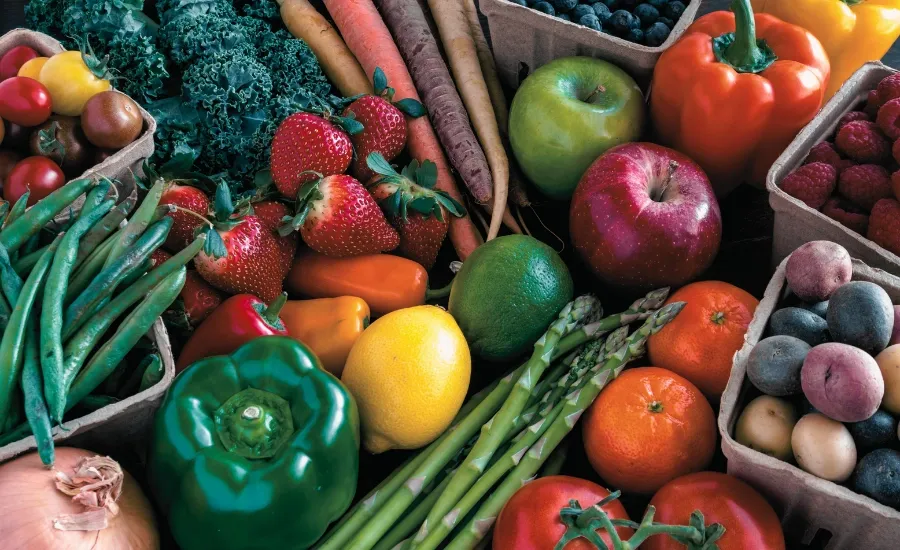
Examples of Balanced Meals:
Breakfast Options:
- Greek yogurt + berries + walnuts + chia seeds
- Scrambled eggs + whole grain toast + avocado + sautéed spinach
- Oatmeal + almond butter + sliced banana + cinnamon
Lunch Options:
- Grilled chicken + quinoa + roasted vegetables + olive oil
- Lentil soup + side salad + whole grain roll
- Salmon + sweet potato + steamed broccoli + tahini drizzle
Dinner Options:
- Lean beef + brown rice + stir-fried vegetables + sesame oil
- Tofu + farro + roasted Brussels sprouts + avocado
- Turkey + whole wheat pasta + marinara sauce + side salad
Notice how each meal includes all components. This isn't complicated—it's just intentional pairing.
5. Choose Low-Glycemic-Index Foods
Prioritize foods that cause slower, steadier rises in blood sugar rather than rapid spikes.
The Glycemic Index (GI) measures how quickly a food raises blood sugar. Foods with a high GI (70+) cause rapid spikes. Foods with a low GI (55 or below) cause gradual, sustained increases.
Low GI Foods to Emphasize:
- Non-starchy vegetables (all of them!)
- Most fruits (especially berries, apples, pears)
- Legumes (beans, lentils, chickpeas)
- Whole grains (oats, quinoa, barley)
- Nuts and seeds
- Greek yogurt and cottage cheese
High GI Foods to Limit:
- White bread, bagels, and refined grains
- White rice and instant rice
- Most breakfast cereals
- Candy and sugary snacks
- Pastries and baked goods
- Sugary drinks and fruit juices
The GI is just one tool. Some nutritious foods (like watermelon) have a high GI but are still healthy in appropriate portions. Context matters, and eating high-GI foods with protein and fat lowers the overall glycemic impact of the meal.
6. Stay Hydrated
Drink adequate water throughout the day to support healthy blood sugar levels.
When you're dehydrated, the glucose in your bloodstream becomes more concentrated, which can raise blood sugar levels. Additionally, dehydration can make it harder for your kidneys to flush excess glucose through urine.
Research suggests that proper hydration may reduce the risk of developing high blood sugar and supports overall metabolic health.
Hydration Guidelines:
- Aim for 8-10 cups (64-80 oz) of water daily, more if you're active or in hot weather
- Start your day with a glass of water
- Keep water accessible throughout the day
- Choose water over sugary drinks, which directly spike blood sugar
- Herbal tea and sparkling water count toward hydration
7. Move Your Body After Meals
Take a short walk or do light activity after eating to help your muscles use glucose more efficiently.
You don't need an intense workout. Even light physical activity after meals helps lower blood sugar by encouraging your muscles to use glucose for energy. Multiple studies show that a 10-15 minute walk after eating significantly improves post-meal blood sugar levels.
Post-Meal Movement Ideas:
- Take a 10-15 minute walk after lunch or dinner
- Do light household chores (dishes, tidying)
- Gentle stretching or yoga
- Playing with kids or pets
- Gardening
The key is consistency. Making this a habit after your largest meals of the day can significantly impact your overall blood sugar control.
When to Seek Professional Guidance
While these strategies benefit most people, certain situations require personalized medical and nutritional guidance:
Consult a healthcare provider if:
- You have diabetes, prediabetes, or a family history of diabetes
- You're experiencing frequent symptoms of blood sugar imbalance (excessive thirst, frequent urination, unexplained fatigue, blurred vision)
- You're taking medications that affect blood sugar
- You're pregnant or planning to become pregnant
- You have other medical conditions affecting metabolism
A registered dietitian or certified diabetes educator can create a personalized meal plan that accounts for your specific health status, medications, lifestyle, and preferences.
Managing blood sugar isn't about perfection or rigid rules. It's about making consistent, informed choices that support stable energy, better appetite control, and long-term health.
Start with one or two strategies from this article. Maybe you begin by eating every 3-4 hours, or perhaps you focus on adding more fiber to your meals. Small, sustainable changes compound over time into significant improvements in how you feel daily.
Remember: you're not just managing blood sugar numbers. You're supporting your energy, mood, focus, and overall well-being. And that's worth the effort.