

Ok, the country is freezing. The temperature outside is in the single digits—or worse, below zero. Your heating bill is already giving you anxiety, your skin feels dry like sandpaper, and the thought of leaving your apartment makes you want to cry into your coffee.
If you're reading this from somewhere experiencing a polar vortex, windchill warnings, or just relentless freezing temperatures, you're probably wondering how to make it through winter without completely falling apart. The good news? There are actual, practical strategies that help. Not toxic positivity about "embracing the season," but real tactics for keeping your body, mind, and sanity intact when it's legitimately too cold to function.
Why Extreme Cold Hits Different
So, why does brutal cold weather affect us so deeply? It's not just about being uncomfortable—there are legitimate physiological and psychological impacts.
Physical impacts include:
- Reduced sunlight affecting vitamin D levels and circadian rhythms
- Dry air wreaking havoc on skin, hair, and respiratory systems
- Cold temperatures making muscles tighter and joints achier
- Higher susceptibility to colds and flu as we spend more time indoors
- Increased calorie burn just to maintain body temperature
Mental and emotional impacts are equally real. Seasonal Affective Disorder (SAD) affects about 5% of Americans, with symptoms lasting roughly 40% of the year, according to the American Psychiatric Association. But even if you don't have clinical SAD, shorter days and extreme cold can absolutely affect your mood, energy, and motivation.
So if you're struggling right now, you're not being dramatic. Your body and brain are responding to genuinely difficult environmental conditions.
Physical Wellness: Taking Care of Your Body
Layer Like Your Life Depends On It
When temperatures drop into dangerous territory, proper layering isn't optional. The key is creating insulating air pockets while still allowing moisture to escape.
The three-layer system:
- Base layer (thermal underwear or moisture-wicking material against your skin)
- Insulating layer (fleece, wool, or down for warmth)
- Outer layer (windproof and waterproof shell)
Don't forget extremities. You lose significant heat through your head, hands, and feet. Invest in quality gloves (or mittens for extra warmth), wool socks, and a hat that actually covers your ears. If you're commuting in subzero temps, a balaclava or neck gaiter protects your face from windburn and frostbite.
Hydration (Yes, Even in Winter)
Winter dehydration is sneaky. You're not sweating visibly, but you're still losing moisture through respiration—especially in dry, heated indoor air. Dehydration contributes to dry skin, headaches, fatigue, and weakened immune function.
Aim for at least 8 glasses of water daily, but also embrace warm hydration: herbal teas, hot water with lemon, bone broth, or even just warm water. If plain water feels unappealing in cold weather, make it more inviting. Bonus points if you use a favorite mug—small comforts matter.
Skincare for Survival
Winter skin is no joke. The combination of cold outdoor air and dry indoor heating strips moisture from your skin, leading to irritation, cracking, and general misery.
Essential winter skincare adjustments:
- Switch to a gentler, creamier cleanser (skip foaming cleansers that strip natural oils)
- Use a humidifier in your bedroom to add moisture back into the air
- Layer hyaluronic acid serum under a rich moisturizer to lock in hydration
- Apply lip balm frequently (keep one in every coat pocket)
- Don't forget your hands—keep hand cream at your desk and nightstand
- Consider overnight occlusive treatments (petroleum jelly or thick balms on extra-dry areas)
If your skin is cracking or bleeding, that's your body telling you it needs more help. Don't tough it out—painful skin affects everything from your mood to your sleep quality.
Immune Support That Actually Works
Cold and flu season peaks in winter partly because we're spending more time indoors in close quarters with other people. While you can't guarantee you won't get sick, you can support your immune system.
Evidence-based strategies:
- Sleep 7-9 hours consistently (sleep deprivation significantly weakens immune response)
- Vitamin D supplementation if you're not getting sunlight (most Americans are deficient in winter)
- Eat varied, nutrient-dense foods (prioritize vegetables, fruits, lean proteins, whole grains)
- Wash your hands frequently and avoid touching your face
- Manage stress (chronic stress suppresses immune function)
- Stay active, even if it's just indoor movement
Skip the expensive "immune-boosting" supplements with questionable claims. Focus on the basics that research actually supports.
Movement When It's Too Cold for the Gym
Exercise is crucial for both physical and mental health, but when it's genuinely dangerous to go outside, and your gym commute feels impossible, you need indoor alternatives.
No-equipment home workouts: YouTube channels offer free workouts from 10-45 minutes. Bodyweight exercises, yoga, Pilates, dance cardio—find what doesn't make you miserable.
Walking in place while watching TV counts. Stretching during conference calls counts. Taking the stairs in your building counts. Movement doesn't have to be structured to be beneficial, especially when you're just trying to maintain baseline activity during extreme weather.
Mental Wellness: Protecting Your Mind
Light Therapy for Dark Days
Reduced sunlight exposure messes with your circadian rhythm and serotonin production. If you're leaving for work in the dark and coming home in the dark, your body is confused.
Light therapy boxes that emit 10,000 lux have solid research backing their effectiveness for SAD and winter blues. Use them for 20-30 minutes in the morning while you have coffee or check emails. They're not cheap (typically $50-200), but if you struggle every winter, they're worth considering.
Free alternative: Get outside during daylight hours whenever possible, even if it's just 10 minutes on your lunch break. Daylight, even on cloudy days, is significantly brighter than indoor lighting.
Battling Cabin Fever
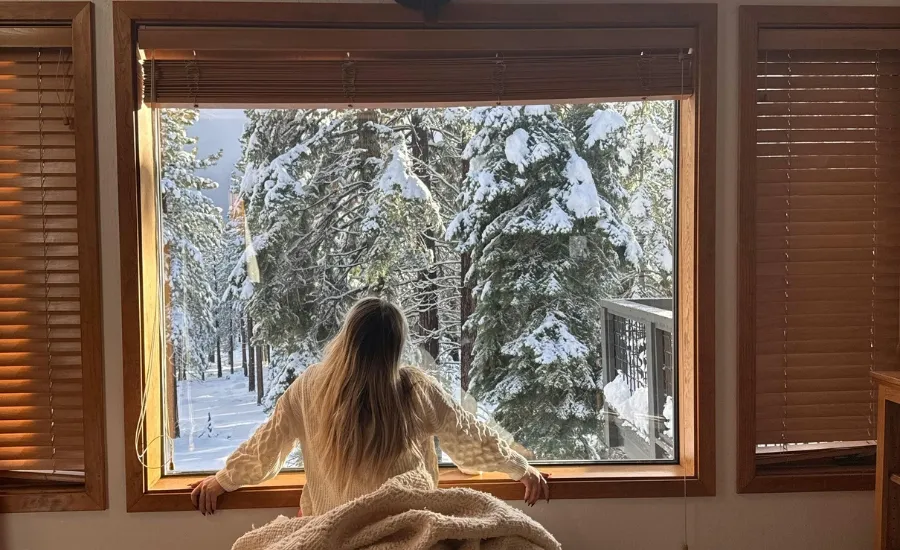
When going outside is genuinely unpleasant or unsafe, cabin fever sets in fast. The walls start closing in, your apartment feels suffocating, and you might find yourself mindlessly scrolling or binge-watching just to fill the void.
Strategies that help:
- Change your environment within your space: Work from different rooms, rearrange furniture, add new lighting
- Schedule virtual social time: Video calls with friends, virtual book clubs, online game nights
- Start a project: Puzzles, art, learning something new, organizing a space
- Find indoor public spaces: Libraries, museums, cafes, bookstores offer free warmth and different scenery
- Create distinction between work and rest: Change clothes, move to different spaces, create rituals that signal transitions
Managing Winter Motivation Slumps
Your brain in winter is working with less serotonin and more melatonin than usual. This isn't laziness—it's biology. You're not broken if you're struggling to maintain your usual productivity and energy.
Instead of fighting it, adjust expectations:
- Scale back non-essential commitments if possible
- Build in more buffer time for tasks
- Celebrate small wins (you got dressed AND left the house? That counts!)
- Use external accountability (body doubling, check-ins with friends, public commitments)
- Stack habits (attach new behaviors to existing routines)
Some things will slide in winter. That's normal. Prioritize what actually matters and give yourself grace on the rest.
When to Seek Professional Help
If you're experiencing persistent sadness, loss of interest in activities you normally enjoy, significant changes in sleep or appetite, difficulty concentrating, or thoughts of self-harm, please reach out to a mental health professional.
Seasonal Affective Disorder is a legitimate medical condition that responds to treatment—therapy, light therapy, sometimes medication. You don't have to white-knuckle through it alone.
Creating Cozy Rituals That Actually Help
The Post-Work Wind-Down
When it's dark by 5 pm and the temperature is hostile, the transition from work to evening needs intentional structure. Otherwise, you'll find yourself doom-scrolling on the couch until bedtime, feeling worse.
Build a transition ritual:
- Change out of work clothes immediately
- Make a warm drink (tea, hot chocolate, golden milk)
- Light a candle or turn on warm lighting
- Do something physical to release work stress (stretch, quick workout, walk around your building)
- Engage in an activity you actually enjoy (not just passive screen time)
The ritual signals to your brain that the workday is over and you're allowed to rest.
Comfort Without Numbing
There's a difference between genuine comfort and numbing behaviors. Watching a favorite show under a blanket with tea? Comfort. Binge-watching until 2 am because you're avoiding feelings? Numbing.
Winter is hard enough without also feeling guilty about how you're coping. The goal isn't perfection—it's awareness. Check in with yourself: Is this helping me feel better, or am I just killing time until I can sleep?
Genuinely comforting winter activities might include: cooking something warm and nourishing, taking a long bath, reading with good lighting, calling a friend, doing a craft or hobby, gentle movement, journaling, listening to a podcast that makes you think or laugh.
The Power of Warm Food
Never underestimate the psychological and physical comfort of warm, nourishing food in winter. Soup, stew, roasted vegetables, oatmeal, curry—these aren't just meals, they're mood stabilizers.
Batch cooking on weekends means you have easy access to comfort food all week. Your future self, arriving home cold and tired, will be grateful for having soup ready to heat up.
Practical Survival Tips for Extreme Cold Days
When You Have to Go Outside
Sometimes you have no choice—work, essential errands, life continues even in the dangerous cold. Here's how to minimize risk:
- Cover all exposed skin if windchill is below zero
- Keep emergency supplies in your car (blanket, flashlight, water, snacks, phone charger)
- Let someone know your route and expected arrival time
- Warm up your car before leaving, and don't let the gas tank drop below half
- Know frostbite warning signs (numbness, white or grayish skin, hard or waxy-feeling skin)
- Plan the shortest possible routes and consolidate errands
Keeping Your Home Warm Without Bankruptcy
Heating costs in extreme cold can be shocking. Small adjustments help:
- Use draft stoppers at doors and windows
- Close off unused rooms and focus heat in spaces you actually use
- Use plastic window insulation kits (they work)
- Keep curtains open on sunny sides during day, closed at night
- Lower thermostat at night and use extra blankets
- Wear layers indoors (thermal underwear isn't just for outside)
If you're truly struggling to afford heat, look into LIHEAP (Low Income Home Energy Assistance Program) or local utility assistance programs. Freezing at home isn't a sustainable option.
You Will Get Through This
Winter—especially extreme winter—is genuinely hard. If you're struggling, you're not weak or dramatic. You're a human being responding normally to difficult conditions.
The strategies in this guide won't make winter magically wonderful. But they can make it more bearable. Small improvements matter when you're just trying to get through each day: hydrating properly, protecting your skin, moving your body a little, creating moments of warmth and comfort, staying connected to people, and asking for help when you need it.
Remember that this is temporary. Spring will come. The days are already getting longer, even if it doesn't feel like it yet. You just have to make it through one day at a time, one cold snap at a time, one polar vortex at a time.
Take care of yourself the best you can. Lower the bar when you need to. Celebrate the small victories. And know that surviving winter—really surviving it, not thriving or loving every minute—is enough.