

You’ve probably noticed that somewhere in mid-December everything feels a little heavier. The sun sets before you've finished your workday, your alarm goes off in complete darkness, and your bed feels impossibly warm compared to the cold air outside. If you've been fighting against winter's pull toward slowness, you're not alone—but you might also be missing out on one of the most restorative times of the year.
Winter solstice wellness isn't about powering through the season or waiting for spring to feel like yourself again. It's about recognizing that the shortest day of the year is actually an invitation—a chance to slow down, turn inward, and align with nature's oldest rhythm. And according to research in circadian biology and seasonal psychology, working with these patterns rather than against them can genuinely transform your winter mental health.
This isn't about lighting a candle and calling it self-care (though candles certainly don't hurt). It's about understanding why your body and mind feel different in winter, and giving yourself full permission to honor those changes.
Understanding the Winter Solstice and Your Body's Response
The winter solstice—falling on December 21st or 22nd in the Northern Hemisphere—marks the moment when the Earth's tilt positions us farthest from the sun. It's the longest night and shortest day of the year, and cultures throughout history have recognized it as a significant threshold. The ancient Romans celebrated Saturnalia, Scandinavians observed Yule, and countless traditions have honored this turning point when the light begins its slow return.

But beyond cultural tradition, there's real science behind why you might feel different during this time. Research published in the journal Proceedings of the National Academy of Sciences found that human gene expression actually changes with the seasons. Your immune system, metabolism, and even cognitive function operate differently in winter than in summer. This isn't a flaw to fix—it's biology doing exactly what it evolved to do.
Your body produces more melatonin during darker months, which naturally increases feelings of sleepiness and the desire for rest. Your circadian rhythm shifts, making you more inclined toward earlier evenings and later mornings. Fighting these impulses constantly—as modern work schedules often require—can leave you feeling perpetually depleted.
The Case for Seasonal Living in a 24/7 World
We live in a culture that treats productivity as a constant—same hours, same output, same energy levels expected year-round. But this approach ignores a fundamental truth: we are biological beings influenced by light, temperature, and seasonal change, whether we acknowledge it or not.
Seasonal wellness means adjusting your expectations and routines to match the energy available to you at different times of year. Winter isn't meant for launching ambitious new projects or maintaining the same social calendar you kept in July. It's a season for completion, reflection, and restoration—preparing the soil before spring's growth.
Dr. Katherine Sharkey, a circadian rhythms researcher at Brown University, notes that many people experience what she calls "social jet lag" in winter—the disconnect between their biological clock and the schedules imposed by work and social obligations. This mismatch contributes to mood changes, difficulty concentrating, and a general sense of running on empty.
Embracing seasonal wellness doesn't mean abandoning your responsibilities. It means being strategic about where you place your energy and giving yourself permission to operate at a different pace.
Winter Solstice Wellness Practices That Actually Work
Honor the Darkness Instead of Fighting It
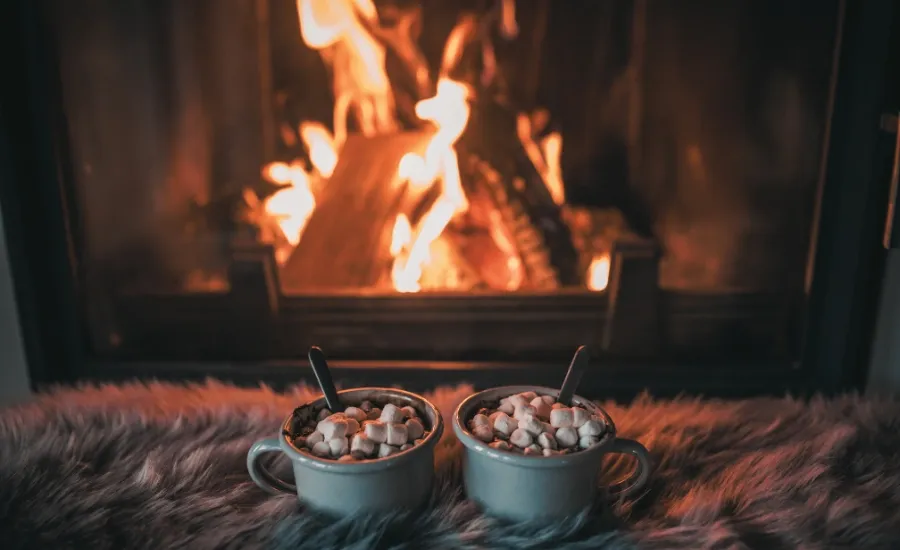
The modern instinct is to flood every space with artificial light and pretend it's not dark by 4:30 PM. While adequate lighting matters for safety and function, consider creating intentional periods of softer, lower light in your evenings. Dim the overhead lights after dinner, light candles, and let your space reflect the season outside.
This practice supports your natural melatonin production and signals to your body that it's time to wind down. It can also shift your relationship with darkness from something to dread to something that feels cozy and intentional.
Create a Rest-Forward Routine
Winter is the season for earlier bedtimes without apology. Research from the National Sleep Foundation suggests that most adults need slightly more sleep in winter months, and fighting this need creates a cumulative sleep deficit that impacts everything from mood to immune function.
Try shifting your evening routine earlier by 30 minutes. Instead of powering through to your usual bedtime, begin your wind-down process sooner. This might mean starting your skincare routine at 8:30 instead of 9:00, or reading in bed rather than watching another episode. Small shifts compound into significant rest gains.
Practice Intentional Reflection
The solstice marks a threshold—the end of one cycle and the beginning of another. This makes it a natural time for reflection, separate from the pressure-filled goal-setting of New Year's. Before you think about what you want to accomplish in the coming year, take time to process the one ending.
Consider journaling prompts like: What did I learn this year that I didn't expect? Where did I grow, even when growth was uncomfortable? What am I ready to release? What wants to emerge? This isn't about creating resolutions—it's about creating closure and clarity before moving forward.
Nourish with Warming, Grounding Foods
Your body craves different nutrition in winter, and those cravings aren't random. Root vegetables, warming spices, hearty grains, and bone broths provide the sustained energy your body needs during colder months. Traditional Chinese medicine and Ayurveda both emphasize eating warming foods in winter—not because raw salads are unhealthy, but because your digestive system works differently in different seasons.
This doesn't mean abandoning nutritious eating—it means leaning into roasted vegetables instead of raw ones, warm grain bowls instead of cold smoothies, and soups that simmer all afternoon. Cooking itself becomes a form of seasonal wellness, filling your home with warmth and good smells.
Move Gently and Intentionally
Winter isn't the time to push for personal records at the gym or commit to an aggressive fitness regimen. Gentler movement—yoga, walking, stretching, swimming in a heated pool—supports your body without depleting it further. This is especially true during the weeks surrounding the solstice, when energy naturally dips lowest.
If you do maintain a regular workout routine, notice whether you need longer warm-ups or more recovery time between sessions. Your muscles and joints respond to cold differently, and honoring those needs prevents injury while maintaining consistency.
Addressing Winter Mental Health with Compassion
For many people, winter brings more than just a desire for extra sleep. Seasonal Affective Disorder (SAD) affects approximately 10 million Americans, with millions more experiencing a milder form sometimes called the "winter blues." The reduced light exposure disrupts serotonin production and can significantly impact mood, energy, and motivation.
If you experience significant mood changes in winter, these aren't personal failings or lack of willpower. They're physiological responses to environmental change. Light therapy boxes, which emit 10,000 lux of light that mimics natural sunlight, have strong research support for treating SAD symptoms. Using one for 20-30 minutes in the morning can make a meaningful difference.
Professional support matters here, too. If winter mood changes interfere with your daily functioning or feel overwhelming, speaking with a therapist or healthcare provider can help you develop strategies tailored to your specific experience. There's no prize for struggling alone.
Creating Meaningful Solstice Rituals
Ritual doesn't have to mean elaborate ceremonies or spiritual practices that don't resonate with you. A ritual is simply an intentional act that marks a moment as significant. The winter solstice offers a beautiful opportunity to create your own traditions, whether shared with others or observed alone.
Some ideas to consider: spend the longest night reading by candlelight, take a silent walk at dusk to observe the early darkness, prepare a special meal with seasonal ingredients, write a letter to your future self to open at next year's solstice, or simply sit with a cup of your favorite beverage and acknowledge the turning point. The specifics matter less than the intention behind them.
What matters is that you mark the moment consciously rather than letting it pass unnoticed. In doing so, you connect with something ancient and ongoing—the human tradition of pausing at the year's darkest point to await the returning light.
The Return of the Light: Looking Ahead
Perhaps the most comforting aspect of the winter solstice is what it represents: the promise that light returns. After December 21st, each day grows slightly longer. It's imperceptible at first—mere seconds—but the shift is happening. The darkest point also contains the seed of increasing brightness.
This mirrors the experience of difficult seasons in our own lives. Sometimes we have to sit in the darkness before things begin to shift. Sometimes the path forward requires first being still. And sometimes the most powerful thing we can do is trust that change is coming, even when we can't see it yet.
Winter solstice wellness isn't about escaping the season or pretending you feel fine when you don't. It's about meeting winter exactly as it is, honoring what your body and mind need during the darkest days, and trusting that you, too will emerge into brighter times. The light returns—and until it does, you have full permission to rest.