
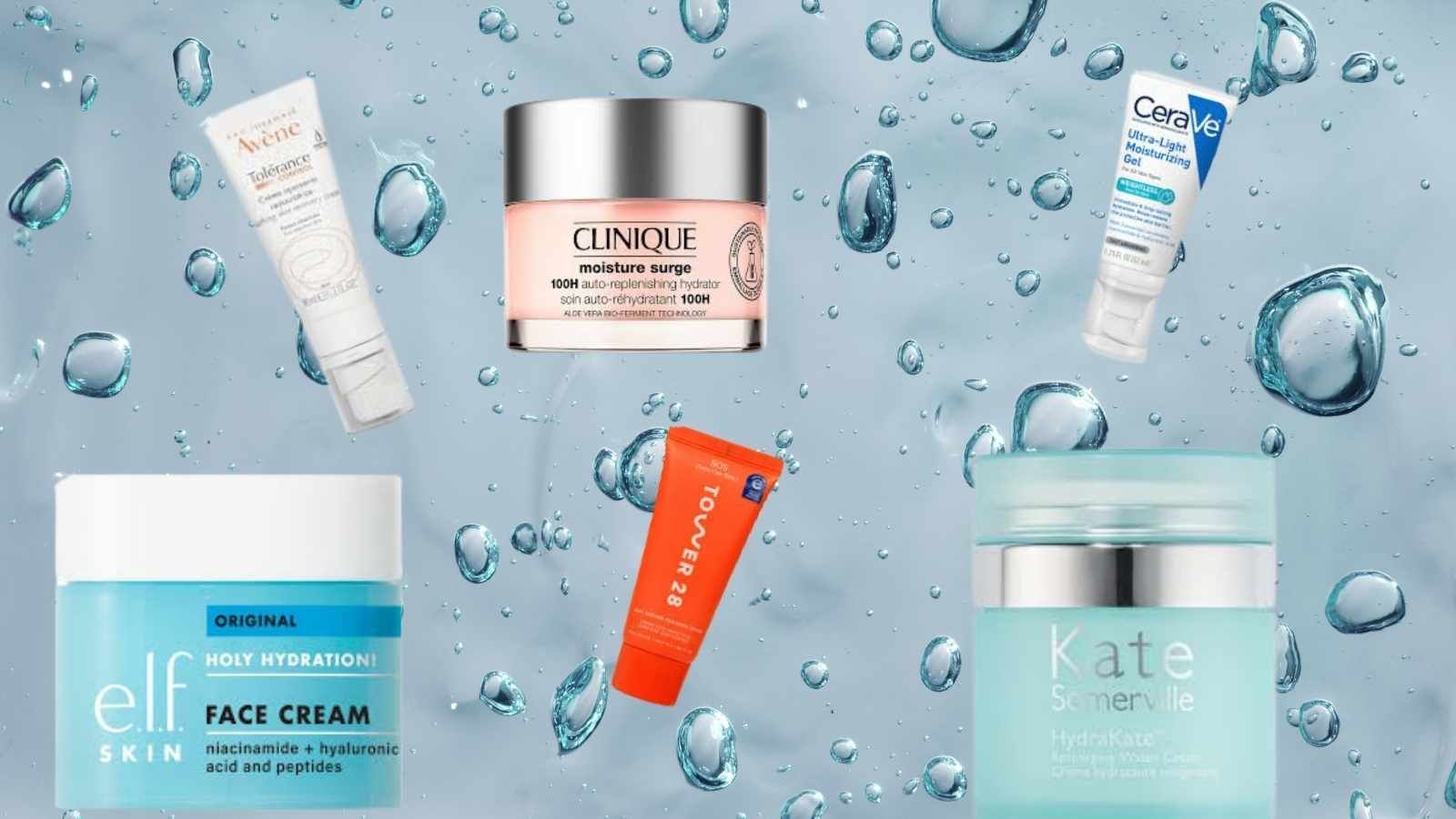
The 2026 Quick Watchlist:
- Best Overall Barrier Repair: CeraVe Moisturizing Cream (Ceramides + Hyaluronic Acid)
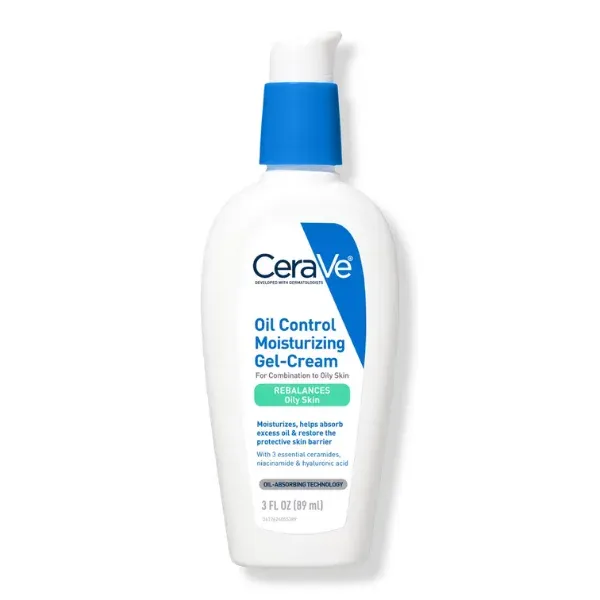
- Best for Oily & Acne-Prone Skin: CeraVe Oil Control Moisturizing Gel-Cream (Non-comedogenic)
- Best Budget Minimalist: The Ordinary Natural Moisturizing Factors + HA
- Best Longevity & Cellular Repair Splurge: OneSkin OS-01 Face Moisturizer
Is an Expensive Moisturizer Actually Worth It?
- The $15–$25 Tier (CeraVe, The Ordinary, Vanicream): Delivers 90% of what your skin actually needs—essential ceramides, glycerin, and hyaluronic acid to repair the barrier and lock in hydration.
- The $80–$130+ Tier (Augustinus Bader, OneSkin): Worth the splurge only if you are targeting biological aging, cellular repair, or patented peptide delivery systems (like OS-01 or TFC8).
- The Verdict: If your primary goal is basic hydration and barrier support, drugstore formulas perform just as effectively as luxury creams.
The Best Moisturizers of 2026: The Complete Guide for Every Skin Type & Budget
A good moisturizer is the foundation of any skincare routine—and honestly, it might be the most important product you'll ever invest in. But finding the right moisturizer for your skin can feel impossible when there are thousands of options. That's where we come in.
We've tested, researched, and compared dozens of moisturizers to find the ones that actually work. Whether you're dealing with dry, sensitive, oily, or acne-prone skin—or you're just looking for a solid, affordable option that gets the job done—we've got you covered.
Let's find your new favorite moisturizer.
Is Moisturizer Worth the Hype? What Your Skin Barrier Actually Needs
Your skin has a natural barrier that protects it from external irritants and prevents moisture loss. When that barrier is compromised—whether from environmental stress, harsh products, or just life—your skin becomes dehydrated, irritated, and vulnerable. A good moisturizer helps repair and strengthen this barrier, making it more effective at doing its job.
Here's what a quality moisturizer does:
- Repairs and reinforces your skin barrier
- Improves skin texture by smoothing rough patches and reducing flakiness
- Minimizes the appearance of fine lines and wrinkles by improving skin elasticity
- Reduces redness and irritation
- Provides long-lasting hydration (not just temporary)
- Creates a healthier-looking, more youthful complexion
Research shows that regular moisturizing with the right product can transform your skin in as little as 2-4 weeks. The key is finding a formula that matches your skin type and concerns.
Key Ingredients to Look For:
- Ceramides — naturally occurring fatty acids that strengthen the skin barrier
- Hyaluronic acid — holds up to 1000x its weight in water for deep hydration
- Glycerin — a humectant that draws moisture into the skin
- Niacinamide — reduces redness, regulates oil, and strengthens barrier
- Peptides — support collagen production and skin firmness
- Centella asiatica — soothes irritation and promotes healing
- Bakuchiol — a natural retinol alternative for anti-aging without irritation
Best Moisturizers by Category
The Gold Standard: CeraVe Moisturizing Cream (Best Budget Barrier Repair)
Best For: All skin types, especially dry and sensitive
Why We Love It: CeraVe is the gold standard for a reason. This rich, fragrance-free formula contains three essential ceramides (1, 3, and 6-II) plus hyaluronic acid and niacinamide. It's developed with dermatologists, clinically proven to restore the skin barrier, and it actually absorbs faster than you'd expect for such a rich cream.
Key Ingredients:
- Ceramides 1, 3, 6-II (barrier repair)
- Hyaluronic acid (hydration)
- Niacinamide (calming, oil regulation)
- Cholesterol and phytosphingosine
What Users Say: "This has been a game-changer for my eczema and sensitive skin. It's thick enough to actually hydrate, but doesn't feel greasy."
Best For:
- Eczema and dermatitis-prone skin
- Extremely dry or compromised barrier
- Sensitive skin that reacts to fragrances
- Anyone with skin that needs intensive repair
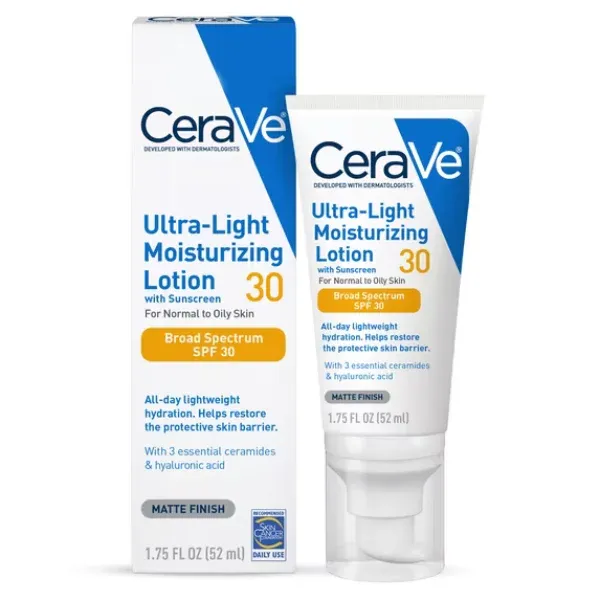
Best Budget-Friendly: The Ordinary Natural Moisturizing Factors + HA
Best For: All skin types
Why We Love It: You do not need to spend $50+ to get a good moisturizer. This lightweight, fragrance-free formula combines natural moisturizing factors (amino acids, urea, urea derivative) with hyaluronic acid. It's proof that affordable doesn't mean ineffective.
Key Ingredients:
- Natural Moisturizing Factors (NMF)
- Hyaluronic acid
- Plant-derived glycerin
- Urea and urea derivative
What Users Say: "Best $ I've ever spent on skincare. It hydrates without feeling heavy, and I can layer it under other products."
Best For:
- Budget-conscious skincare enthusiasts
- Layering under other treatments
- Oily to combination skin
- Anyone wanting to build a minimalist routine
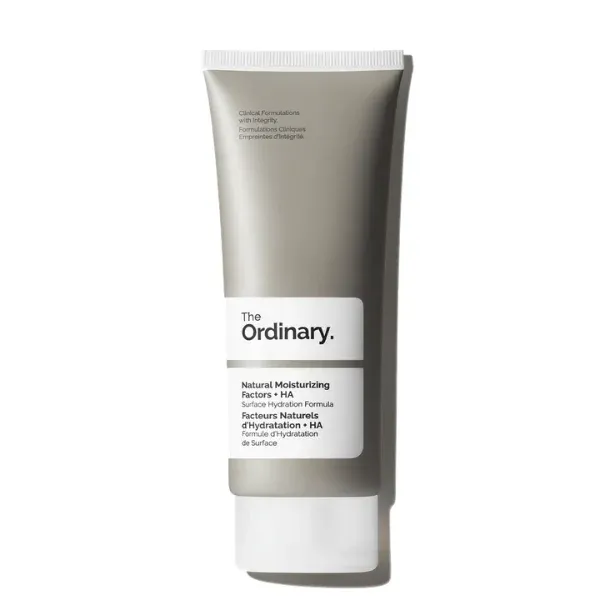
The Luxury Splurge: Augustinus Bader Rich Cream (Is the Price Tag Justified?)
Best For: All skin types, especially mature and dry
Why We Love It: This is a splurge, but it's one of the most luxurious, effective moisturizers available. The formula includes Bader's proprietary TFC8 complex (a blend of amino acids, vitamins, and plant extracts) that works while you sleep to repair, nourish, and regenerate skin.
Key Ingredients:
- TFC8 complex (proprietary blend)
- Hyaluronic acid
- Ceramides
- Plant extracts and antioxidants
What Users Say: "I wake up with plumper, brighter, smoother skin. It's worth the investment."
Best For:
- Night-time intensive hydration
- Anti-aging and skin regeneration
- Mature skin needing luxury treatment
- Anyone willing to splurge for visible results
Best Moisturizers by Skin Type
For Dry & Sensitive Skin
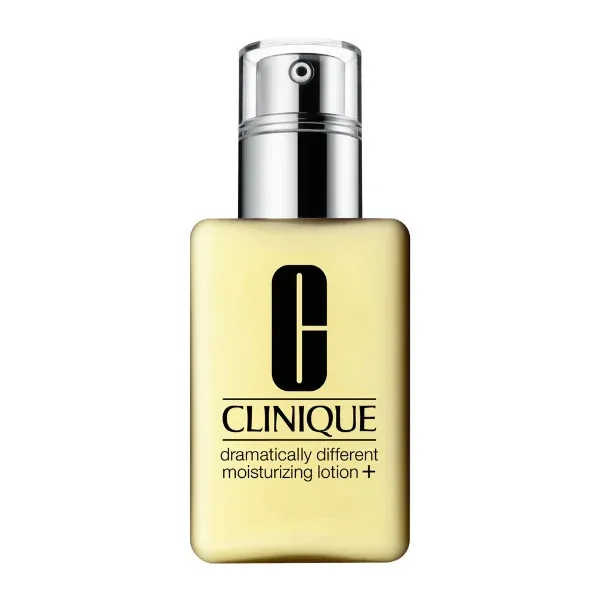
1. Clinique Dramatically Different Moisturizing Cream
Best For: Normal to dry, sensitive skin
Oil-free but deeply hydrating, this iconic formula has been reformulated with hyaluronic acid for even better results. It's lightweight enough to layer but substantial enough to provide all-day hydration.
Pros: Non-irritating, calming, works for sensitive skin
Cons: Higher price point for the amount
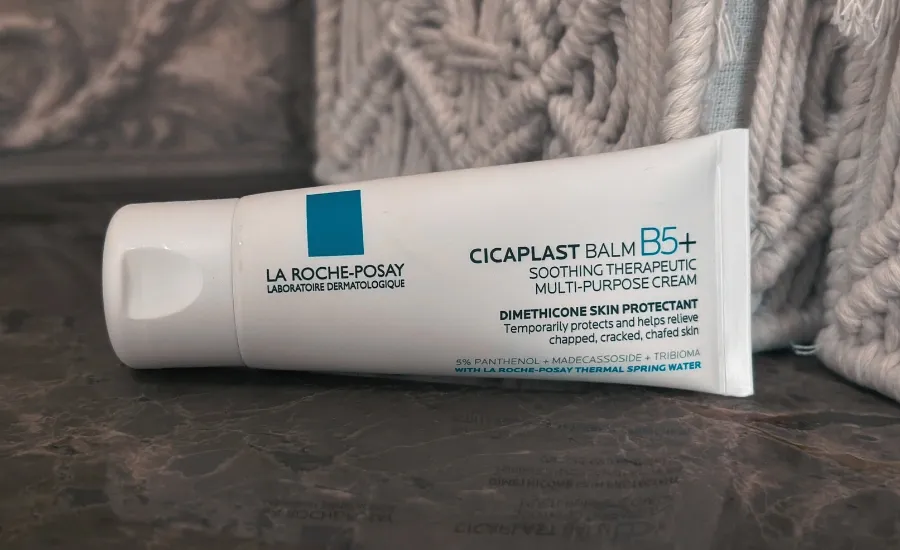
2. La Roche-Posay Cicaplast Baume B5+
Best For: Irritated, sensitive, compromised barrier
This is the moisturizer dermatologists recommend for eczema, dermatitis, and post-procedure skin. It contains panthenol (pro-vitamin B5) and La Roche-Posay's thermal spring water, which soothes and repairs irritation within hours. Our French girl skin is obsessed with it.
Pros: Medical-grade, fragrance-free, fast-acting
Cons: Rich texture (can feel heavy on oily skin)
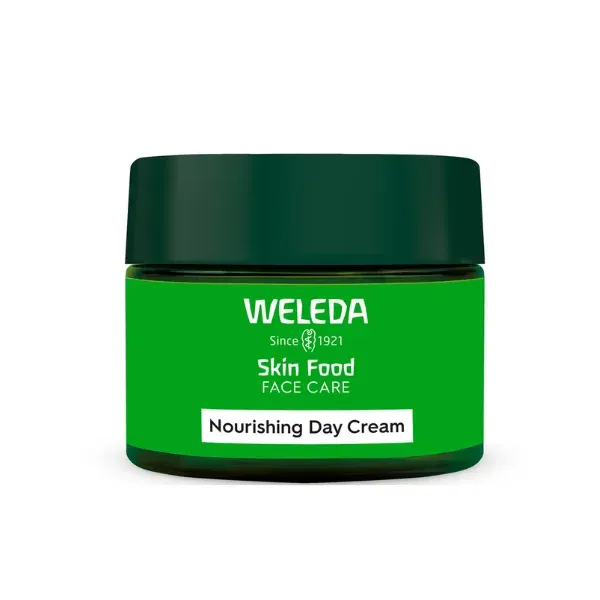
3. Weleda Skin Food
Best For: Very dry, sensitive, natural-focused
A cult classic that's been beloved for decades. This organic, plant-based cream contains calendula, chamomile, and other herbal extracts. It went viral on TikTok for a reason—it actually works.
Pros: Natural/organic, multipurpose (face and body), rich without greasiness
Cons: Slightly fragrant (herbal scent)
For Oily & Acne-Prone Skin
1. CeraVe Oil-Free Facial Moisturizing Lotion
Best For: Oily, acne-prone, combination skin
Lightweight, water-based, and completely non-comedogenic. This won't clog pores or leave a greasy finish, but it still delivers ceramides, hyaluronic acid, and niacinamide for proper hydration.
Pros: Non-comedogenic, lightweight, affordable
Cons: Might be too light for very dry skin
2. Neutrogena Hydro Boost Hydrating Tint
Best For: Oily to combination, acne-prone
A hybrid moisturizer-tint that hydrates without the heaviness of a traditional cream. Hyaluronic acid provides hydration while the lightweight gel formula keeps shine at bay.
Pros: Super affordable, lightweight, includes light coverage
Cons: Color might not match all skin tones
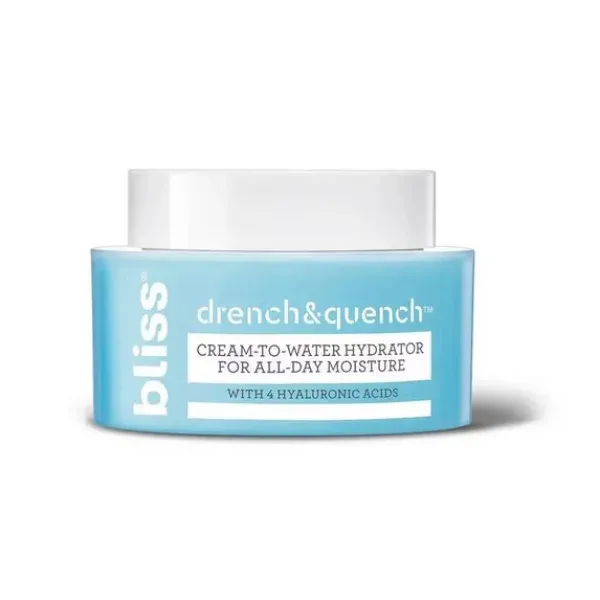
3. Bliss Drench & Quench Moisturizer
Best For: Oily, dehydrated, acne-prone
This TikTok-viral product combines hyaluronic acid (for hydration) with niacinamide and green tea (for pore-minimizing and soothing effects). It's lightweight, never greasy, and acne-safe.
Pros: Trendy and effective, non-comedogenic, soothing
Cons: On the pricier side for the size
For Sensitive Skin
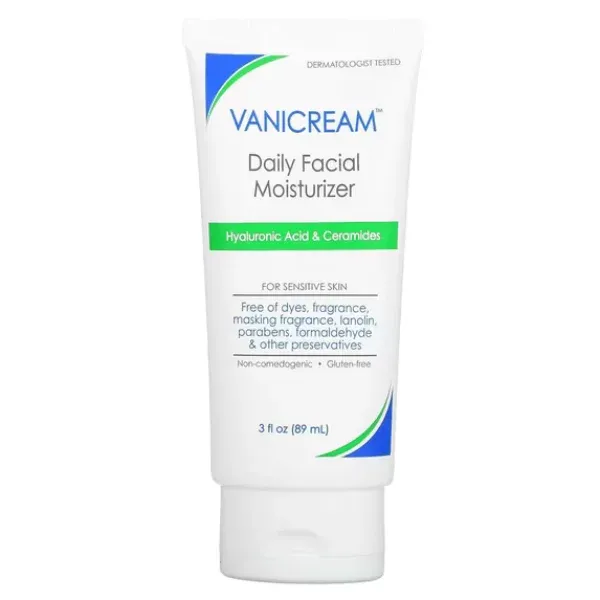
1. Vanicream Gentle Facial Moisturizer
Best For: Sensitive, reactive, fragile barrier
Dermatologist-recommended for sensitive skin. This fragrance-free, dye-free formula is stripped down to the essentials: barrier-supporting ingredients with zero common irritants.
Pros: Ultra-gentle, affordable, minimal ingredients
Cons: Basic formula (won't do much beyond hydration)
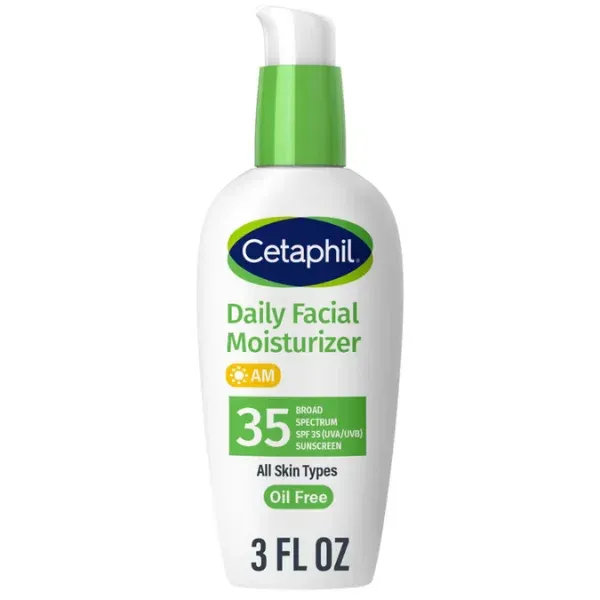
2. Cetaphil Daily Facial Moisturizer
Best For: Sensitive, combination skin
A dermatology staple that's gentle enough for reactive skin but effective enough for daily use. It contains hyaluronic acid and niacinamide without fragrance or irritating ingredients.
Pros: Widely available, affordable, gentle
Cons: Texture is thinner than some prefer
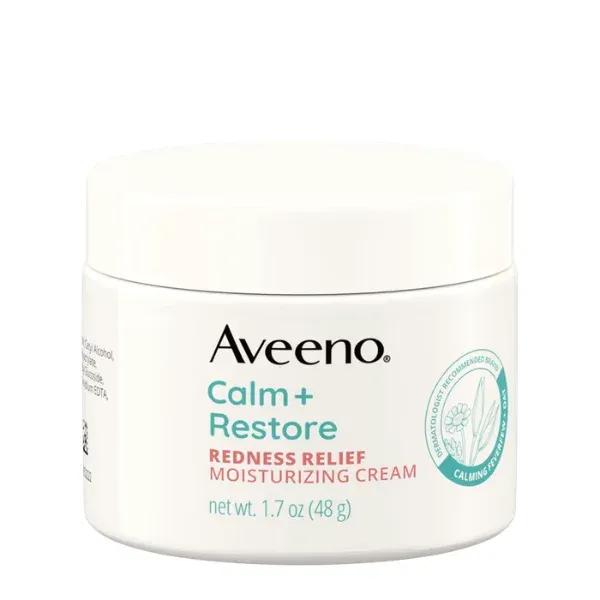
3. Aveeno Ultra-Calming Moisturizer
Best For: Sensitive, irritated, reactive skin
Contains seaweed extract and feverfew (both naturally calming) plus hyaluronic acid. Specifically formulated to reduce redness and soothe irritation.
Pros: Calming, fragrance-free, good value
Cons: Lighter texture than rich creams
For Anti-Aging & Mature Skin
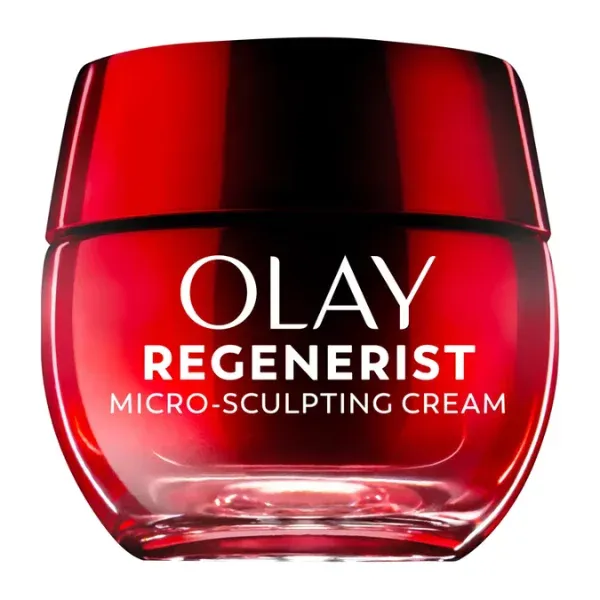
1. Olay Regenerist Micro-Sculpting Cream
Best For: Mature, wrinkles, sagging skin
This affordable luxury option contains peptides and hyaluronic acid to improve skin firmness and reduce the appearance of fine lines. Users consistently report visible results in 4-6 weeks.
Pros: Peptides for collagen support, great value, visible results
Cons: Strong fragrance
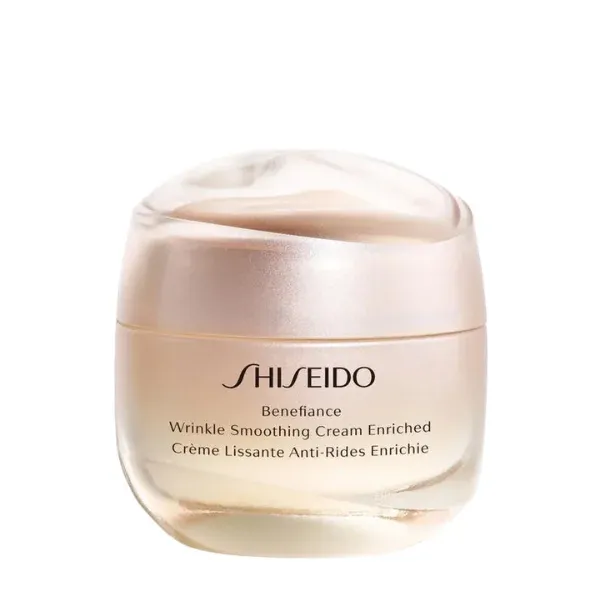
2. Shiseido Benefiance Wrinkle Smoothing Cream
Best For: Mature, wrinkled, dehydrated skin
A Japanese luxury brand known for advanced skincare. This cream contains their proprietary WrinkleResist24 complex plus hyaluronic acid and botanical extracts. Incredibly effective for visible wrinkle reduction.
Pros: Advanced anti-aging, luxurious feel, visible results
Cons: Expensive, rich fragrance
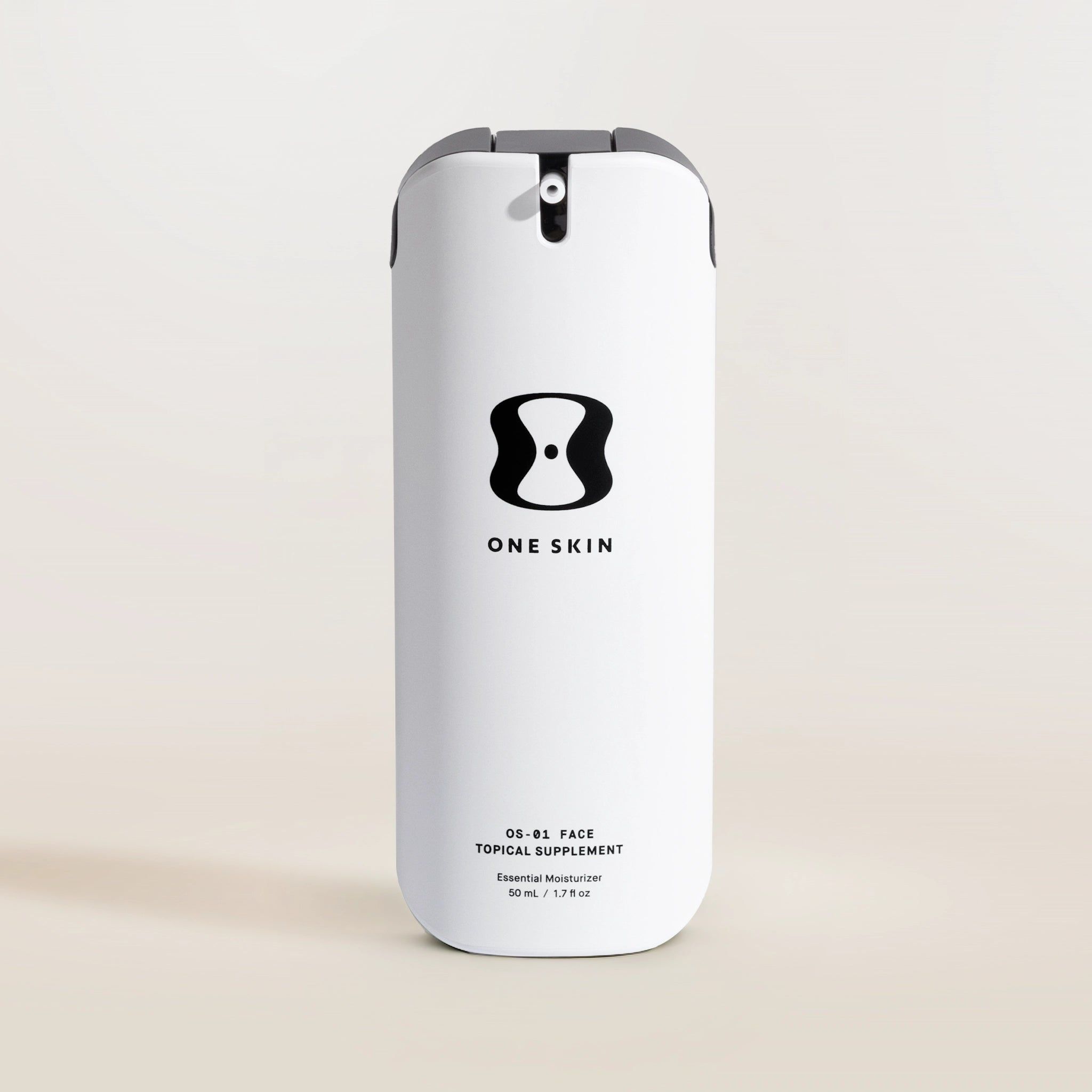
3. OneSkin OS-01 Face Moisturizer
Best For: Cellular repair, skin barrier strengthening, post-summer sun damage
Powered by the proprietary OS-01 peptide, this daily treatment goes beyond standard surface hydration by targeting senescent ("zombie") cells to reverse biological skin age, boost collagen production, and improve overall skin elasticity.
Pros: Science-backed longevity peptide, lightweight and fast-absorbing texture, fragrance-free, strengthens the skin barrier from within
Cons: High price point, requires consistent daily use to see optimal cellular results
Viral Skincare Reality Check: Do TikTok-Favorite Moisturizers Deliver?
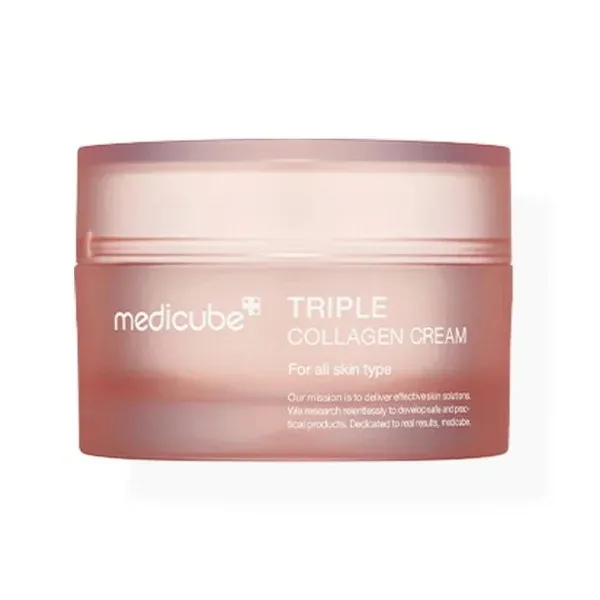
1. Medicube Triple Collagen Cream
Best For: All skin types, especially mature and dehydrated
A Korean beauty product that went viral for good reason. It contains three types of collagen (low, medium, high molecular weight) plus hyaluronic acid and plant extracts for triple hydration and firmness.
Pros: Trending, multipurpose, visible plumping
Cons: Rich texture (might be too heavy for oily skin)
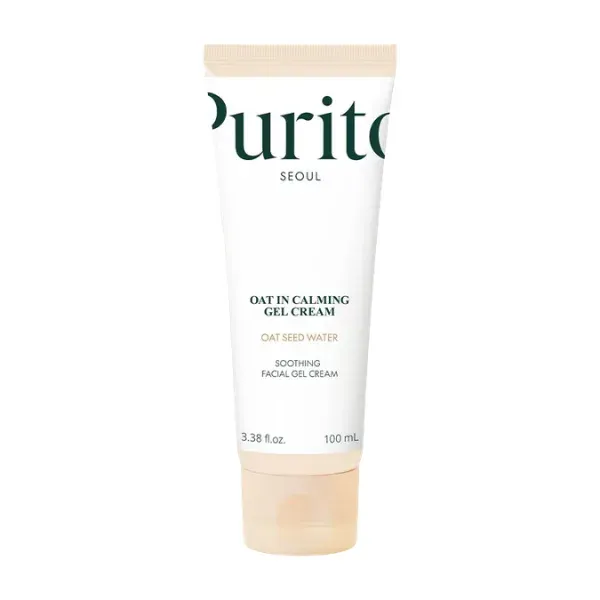
2. PURITO Oat-In Calming Gel Cream
Best For: Sensitive, irritated, oily-combination
This Korean beauty favorite combines oat extract (calming), hyaluronic acid (hydrating), and a gel-cream texture that's lightweight but effective. It became popular on TikTok and never left.
Pros: Calming, lightweight, gel texture, affordable
Cons: Smaller size than alternatives
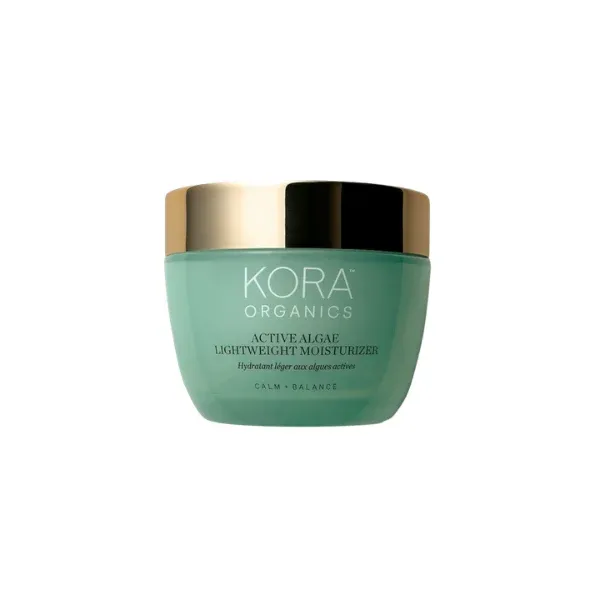
3. Kora Organics Active Algae Lightweight Moisturizer
Best For: Oily-combination, natural-focused, active skin
Organic, marine-based, and surprisingly effective. Active algae provides hydration and antioxidants without heaviness, making it perfect for oily skin that still needs moisture.
Pros: Organic, lightweight, marine-based benefits
Cons: Expensive for the size, strong scent
How to Choose the Right Moisturizer for YOUR Skin
Step 1: Identify Your Skin Type
Dry Skin: Feels tight, flaky, rough patches, uncomfortable throughout the day
Look for: Rich creams with ceramides and hyaluronic acid
Oily Skin: Shiny by midday, visible pores, prone to breakouts
Look for: Lightweight gels and lotions with niacinamide
Combination Skin: Oily T-zone, normal to dry elsewhere
Look for: Lightweight formulas that balance both zones
Sensitive Skin: Reacts to products, easily irritated, reactive
Look for: Fragrance-free, dermatologist-tested, minimal ingredients
Mature Skin: Fine lines, loss of elasticity, dryness
Look for: Rich creams with peptides and antioxidants
Step 2: Identify Your Top Skin Concern
- Dehydration/Dryness → Hyaluronic acid, glycerin, ceramides
- Irritation/Sensitivity → Panthenol, centella asiatica, feverfew
- Aging/Wrinkles → Peptides, retinol alternatives (bakuchiol), antioxidants
- Acne/Breakouts → Niacinamide, salicylic acid, lightweight formula
- Barrier Damage → Ceramides, cholesterol, fatty acids
Related Reading: Pair your barrier repair routine with a scalp reset—read our honest review of the Odele Clarifying Shampoo for hard water and buildup.
Moisturizer Application Tips (That Actually Matter)
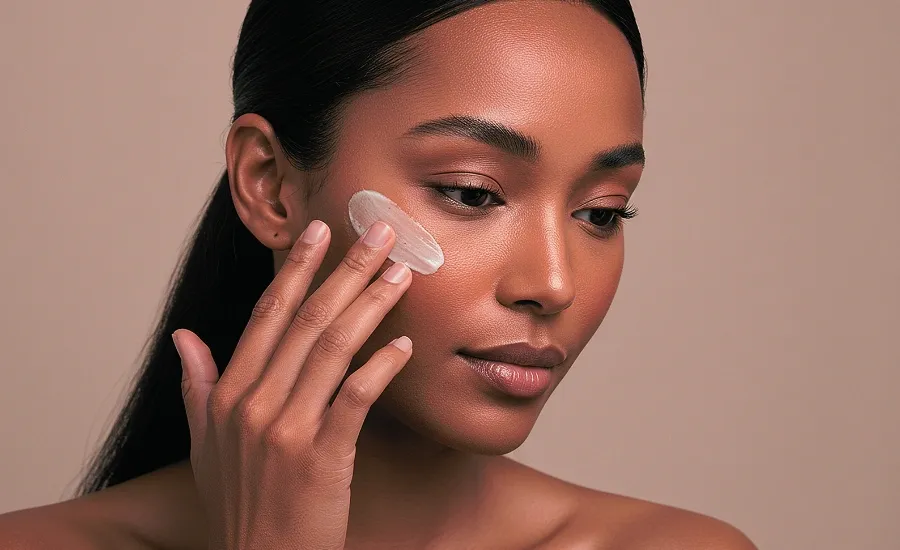
Timing is everything: Apply moisturizer within 3 minutes of cleansing while skin is still slightly damp. This helps lock in hydration while your pores are open.
How much to use: A pea-sized amount for the face is enough. More doesn't mean better—excess product won't absorb better; it'll just sit on your skin.
Layering method: If using multiple products, apply thinnest to thickest. Hydrating serums first, then moisturizer, then occlusive creams or oils if desired.
Morning vs. night: You can use the same moisturizer twice daily, or use a lighter formula in the morning and richer cream at night.
How to know it's working: Give any new moisturizer at least 2-4 weeks before deciding if it's right for you. Skin takes time to adjust and show visible improvements.
Frequently Asked Questions: Finding the Right Moisturizer
Is face moisturizer actually worth it, or is it an unnecessary step?
Yes, a dedicated face moisturizer is non-negotiable for skin barrier health. While active serums deliver targeted ingredients like vitamin C or retinol, a moisturizer provides essential lipids and occlusives that prevent transepidermal water loss (TEWL). Skipping moisturizer compromises the skin barrier, leading to dehydration, increased sensitivity, accelerated fine lines, and rebound oil production.
What is the best moisturizer for oily, acne-prone skin recommended by dermatologists?
For oily and blemish-prone skin, dermatologists recommend lightweight, oil-free gel-creams formulated with niacinamide, hyaluronic acid, and ceramides. Formulas like CeraVe Oil Control Gel-Cream provide adequate hydration without clogging pores, leaving a heavy film, or exacerbating breakouts.
What are the top 3 moisturizers worth buying in 2026?
- Best Barrier Repair: CeraVe Moisturizing Cream for deep ceramide replenishment.
- Best Daily Lightweight Hydration: The Ordinary Natural Moisturizing Factors + HA for a non-greasy, minimalist formula.
- Best Anti-Aging Innovation: OneSkin OS-01 Face Moisturizer for peptide-driven cellular repair and longevity.
How do you identify a high-quality face moisturizer?
Evaluate the first five ingredients: look for skin-identical lipids (ceramides, fatty acids, cholesterol) and proven humectants (glycerin, hyaluronic acid). A high-performing moisturizer prioritizes barrier-supporting actives over heavy synthetic fragrances and drying alcohols.
Your Skin Deserves Better Than "Good Enough"
A good moisturizer can literally transform your skin. We're talking clearer, smoother, more youthful-looking skin in as little as 4 weeks. But only if you find one that actually works for YOU.
The products on this list have been researched, reviewed, and recommended by dermatologists and skincare enthusiasts. They've been tested across different skin types. They work.
However, the truth is that your perfect moisturizer might be different from mine. Skin is individual. That's why we've included everything from $5.90 options to $120+ luxury creams—so you can find something that fits your skin AND your budget.
The real question isn't "which moisturizer is best?" It's "which moisturizer is best for MY skin?"
Start with one recommendation from your skin type section. Give it 2-4 weeks of consistent use. If it's working, great—you've found your match. If not, try another. Your skin is worth the investment.