
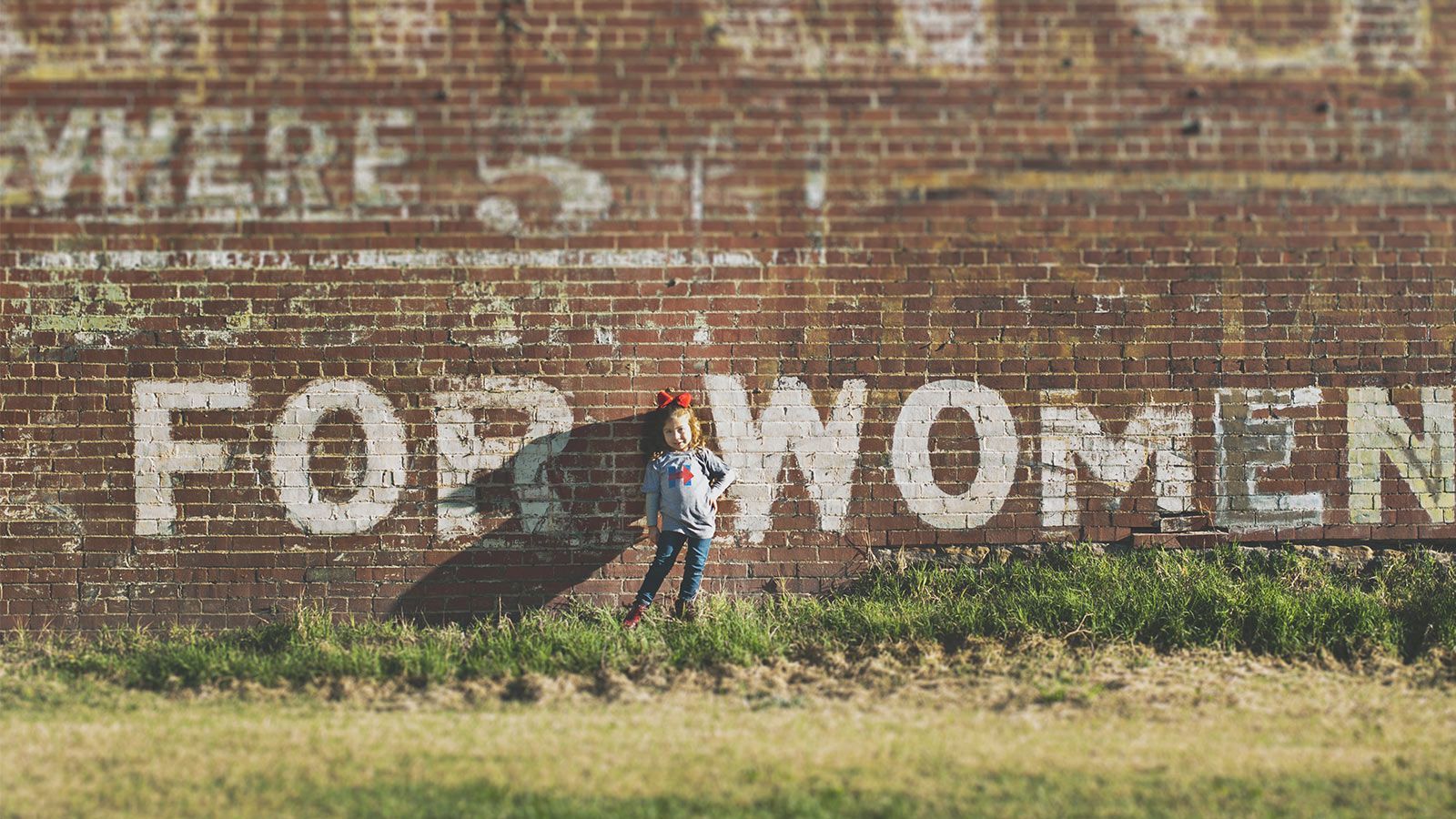
Every year on March 8, the world marks International Women's Day—a global celebration of women's social, economic, cultural, and political achievements, and a call to action for accelerating gender equality.
But International Women's Day is more than flowers and social media posts. It's a day with over a century of history, rooted in labor movements and revolutionary struggles. It's recognized by the United Nations and observed as a national holiday in dozens of countries. And despite the progress women have made, it remains urgently relevant—a reminder that the fight for equality is ongoing.
Here's everything you need to know about where this day came from, why it matters, and how to participate meaningfully.
The Origins: Labor Movements and Socialist Roots
International Women's Day didn't begin as a Hallmark holiday. It emerged from the labor movement at a time when women were fighting for basic rights—the right to vote, the right to work in safe conditions, the right to be treated as full citizens.
The story often begins with February 28, 1909, when the Socialist Party of America organized National Women's Day in New York. This commemoration honored a protest held by textile workers in New York who had demanded better working conditions—though historians debate the exact details of that original 1857 protest.
The idea went international the following year. At the second International Conference of Working Women in Copenhagen in August 1910, three German women—Luise Zietz, Clara Zetkin, and Käte Duncker—proposed that an International Women's Day be celebrated annually to promote gender equality and, most pressingly, to demand women's suffrage. Over 100 delegates from 17 countries unanimously agreed.
On March 19, 1911, International Women's Day was celebrated for the first time, with over one million people participating in rallies across Austria, Denmark, Germany, and Switzerland. Women demanded the right to vote, to hold public office, to work, and to end employment discrimination.
How March 8 Became the Date
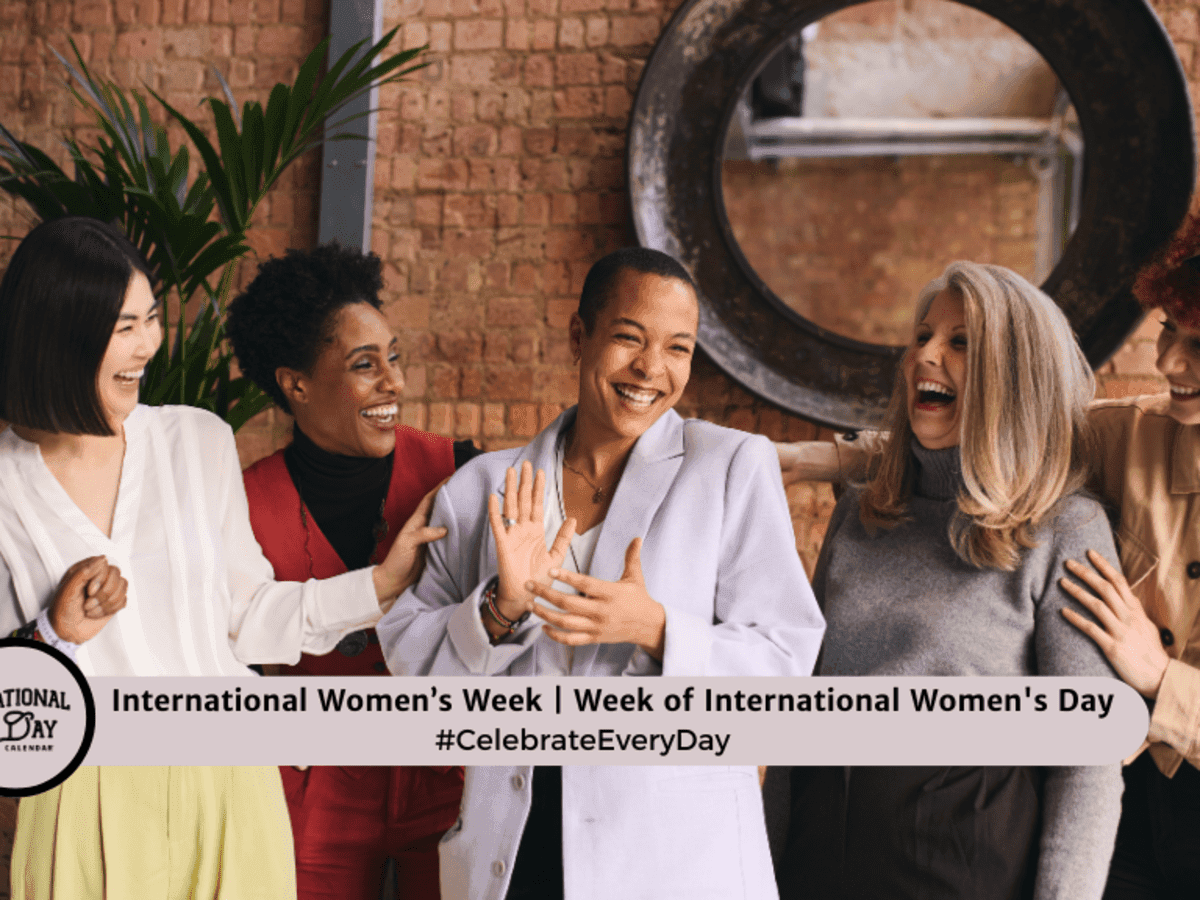
The date wasn't fixed immediately. Russian women first observed International Women's Day on the last Saturday of February 1913, according to the Julian calendar then used in Russia. In 1914, the day was moved to March 8—possibly because it fell on a Sunday that year—and that date stuck.
But March 8 took on even greater significance in 1917. On that day, according to the Gregorian calendar, women textile workers in Petrograd (St. Petersburg) went on strike, filling the streets to demand "Bread and Peace." They were protesting World War I, food shortages, and the tsarist regime. Their strike is considered the spark that ignited the Russian Revolution.
After the October Revolution, feminist leader Alexandra Kollontai persuaded Lenin to establish March 8 as an official Soviet holiday. For decades afterward, International Women's Day was celebrated primarily in communist and socialist countries while remaining relatively unknown in the West.
United Nations Recognition
The United Nations began observing International Women's Day during the International Women's Year of 1975. Two years later, in December 1977, the UN General Assembly adopted a resolution inviting member states to proclaim March 8 as the UN Day for Women's Rights and International Peace.
This UN recognition transformed International Women's Day from a primarily socialist observance into a global event. Each year, the United Nations announces a theme that focuses attention on specific issues facing women worldwide. Recent themes have addressed topics like gender equality in the digital age, women's leadership, and sustainable development.
Today, International Women's Day is an official holiday in over 25 countries, including Russia, Ukraine, Vietnam, Cuba, Cambodia, and several African nations. In other countries, it's widely observed even without official holiday status.
How International Women's Day Is Celebrated Around the World
The way March 8 is observed varies dramatically across cultures:
In Russia and Eastern Europe, International Women's Day is similar to a combination of Valentine's Day and Mother's Day. Women receive flowers, chocolates, and gifts from male colleagues, friends, and family members. Yellow mimosa flowers are particularly associated with the day in Russia and Italy. Workplaces often hold celebrations, and the holiday has a festive, appreciative atmosphere.
In Italy, women traditionally receive mimosa flowers, and the day (known as Festa della Donna) is celebrated with women-only dinners and outings. It's both a celebration of femininity and an acknowledgment of the ongoing struggle for equality.
In China, many women receive a half-day off work on March 8, as recommended by the State Council. Employers often give gifts, and the day is used to honor women's contributions to society.
In Latin America, March 8 often has a more activist character. In countries like Argentina, Chile, and Mexico, the day features massive marches and protests addressing issues like femicide, reproductive rights, and gender-based violence. The purple and green colors of feminist movements fill the streets.
In the United States and Western Europe, International Women's Day typically involves conferences, panel discussions, networking events, and social media campaigns. Companies often use the day to highlight women's achievements and announce gender equality initiatives.
Why International Women's Day Still Matters
Some argue that International Women's Day has outlived its purpose—that in an era when women can vote, work, and own property, the day is an anachronism. The numbers tell a different story.
According to the World Economic Forum, at the current rate of progress, it will take approximately 131 years to close the global gender gap. Women still earn less than men for comparable work in virtually every country. Women remain dramatically underrepresented in political leadership, corporate boardrooms, and STEM fields. And in many parts of the world, women face legal discrimination, restricted mobility, and limited access to education and healthcare.
Some specific realities:
- Women perform 76% of the world's unpaid care work—more than three times the amount done by men
- Only 26% of national parliamentarians worldwide are women
- Women hold only about 10% of CEO positions at Fortune 500 companies
- 129 million girls worldwide are out of school
- One in three women globally has experienced physical or sexual violence
- Women are disproportionately affected by poverty, climate change, and conflict
International Women's Day serves as an annual checkpoint—a moment to assess progress, acknowledge what's been achieved, and recommit to the work that remains.
The Tension Between Celebration and Commercialization
As International Women's Day has grown more mainstream, it has also become more commercialized. Brands release special products, companies post supportive messages on social media, and the day can sometimes feel more like a marketing opportunity than a genuine call for change.
This tension isn't new. Critics have pointed out the irony of companies celebrating women on March 8 while paying them less than men, providing inadequate parental leave, or tolerating workplace harassment the other 364 days of the year. The term "femwashing" describes organizations that use feminist messaging for public relations while failing to address substantive gender inequality internally.
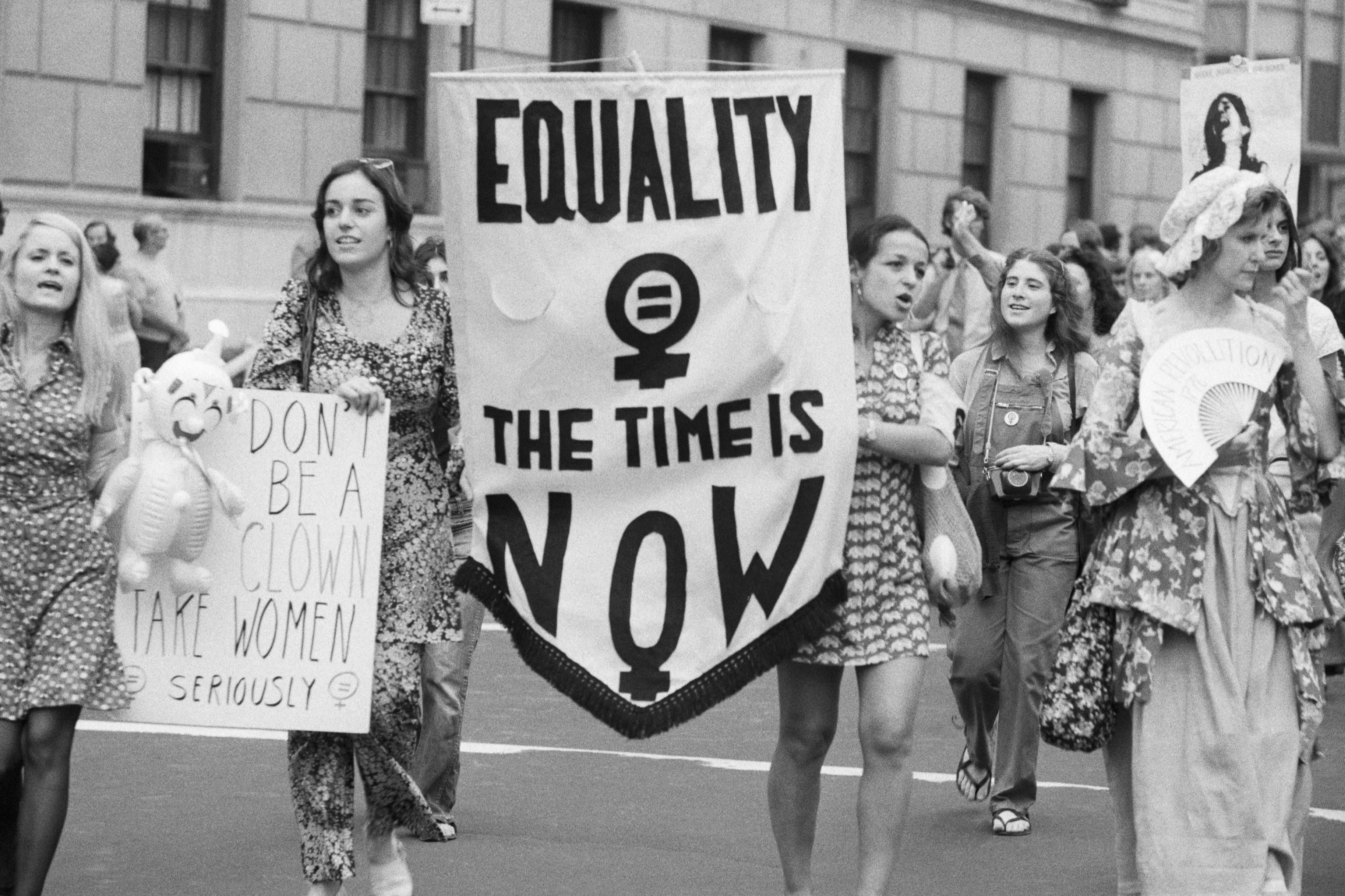
There's nothing wrong with celebrating women or enjoying the festive aspects of the day. But meaningful observance goes beyond purchasing special edition products or posting empowering quotes. It involves examining our own workplaces, communities, and relationships—and taking concrete action toward equality.
How to Participate Meaningfully
If you want to observe International Women's Day in a way that goes beyond surface-level celebration, here are some ideas:
Educate yourself. Learn about women's history, the feminist movement, and the specific challenges facing women today—including those in different countries and circumstances from your own. Read books by women, watch documentaries, listen to podcasts. Understanding the issues is the foundation for meaningful action.
Support women-owned businesses. Make a conscious choice to spend money with businesses owned by women, especially women from marginalized communities. This creates economic opportunity and helps close the entrepreneurship gap.
Donate to organizations working for gender equality. Organizations like UN Women, Malala Fund, Girls Who Code, the Global Fund for Women, and local women's shelters do crucial work year-round. Financial support helps them continue.
Mentor or sponsor other women. If you're in a position to help other women advance in their careers, do so. Mentorship matters, but sponsorship—actively advocating for someone's advancement—matters even more.
Advocate in your workplace. Push for pay equity audits, transparent salary bands, parental leave policies that support all parents, and accountability for harassment. Attend or organize events that highlight women's contributions and challenges.
Amplify women's voices. In meetings, make sure women are heard. On social media, share women's work and give credit. In conversations, cite female experts. Small acts of amplification add up.
Reflect on your own biases and behaviors. Gender inequality is perpetuated not just by overt discrimination but by unconscious biases we all carry. Examine your own assumptions, language, and actions. Change starts with self-awareness.
A Note for Men
International Women's Day isn't just for women. Men have a crucial role to play in advancing gender equality—and not just as supportive bystanders.
Men can use March 8 to examine their own workplaces and relationships. Are women being paid fairly? Are their contributions recognized? Are they interrupted or spoken over in meetings? Are they carrying an unequal share of domestic or caregiving work?
Men can also speak up when they witness sexism—something that often carries more weight when it comes from another man. They can advocate for policies that support women. They can mentor and sponsor female colleagues. They can do their fair share at home.
Gender equality benefits everyone. Research consistently shows that more equal societies are healthier, wealthier, and happier for people of all genders. This isn't a zero-sum game.
Remembering Why We Celebrate
International Women's Day exists because women throughout history fought for rights that previous generations couldn't have imagined. Textile workers striking in the streets. Suffragettes marching and being imprisoned. Activists organizing across borders in an era before email or social media.
We celebrate to honor that struggle. We celebrate to acknowledge how far we've come. And we celebrate to remind ourselves—and the world—that the work isn't finished.
This March 8, whatever form your observance takes, let it be more than a moment. Let it be a commitment.
Frequently Asked Questions
When is International Women's Day?
International Women's Day is celebrated annually on March 8. The date has been observed since 1914 and was officially recognized by the United Nations in 1977.
Why is International Women's Day on March 8?
March 8 became the fixed date in 1914, possibly because it fell on a Sunday that year. The date gained additional significance when Russian women staged a strike on March 8, 1917 (Gregorian calendar) that helped spark the Russian Revolution.
Who started International Women's Day?
International Women's Day was proposed by German socialists Luise Zietz, Clara Zetkin, and Käte Duncker at the International Conference of Working Women in Copenhagen in 1910. It grew out of earlier National Women's Day celebrations in the United States organized by the Socialist Party of America.
Is International Women's Day a public holiday?
International Women's Day is an official public holiday in more than 25 countries, including Russia, Ukraine, Vietnam, Cuba, Uganda, and Zambia. In China, women often receive a half-day off work. In many other countries, it's widely observed without official holiday status.
What is the theme for International Women's Day?
The United Nations announces a different theme each year to focus attention on specific issues facing women. Themes have addressed topics like digital inclusion, women in leadership, climate justice, and sustainable development. The official theme is typically announced in advance of March 8.
What color represents International Women's Day?
Purple is the color most associated with International Women's Day, representing justice, dignity, and loyalty to the cause. Purple, green, and white were the colors of the suffragette movement. Yellow mimosa flowers are also traditional symbols, particularly in Russia and Italy.
Is there an International Men's Day?
Yes, International Men's Day is observed on November 19. Established in 1992 and relaunched in 1999, it focuses on men's health, improving gender relations, promoting gender equality, and highlighting positive male role models. It is not a UN-recognized observance, but is marked in over 80 countries.
Sources
United Nations - International Women's Day
World Economic Forum - Global Gender Gap Report