
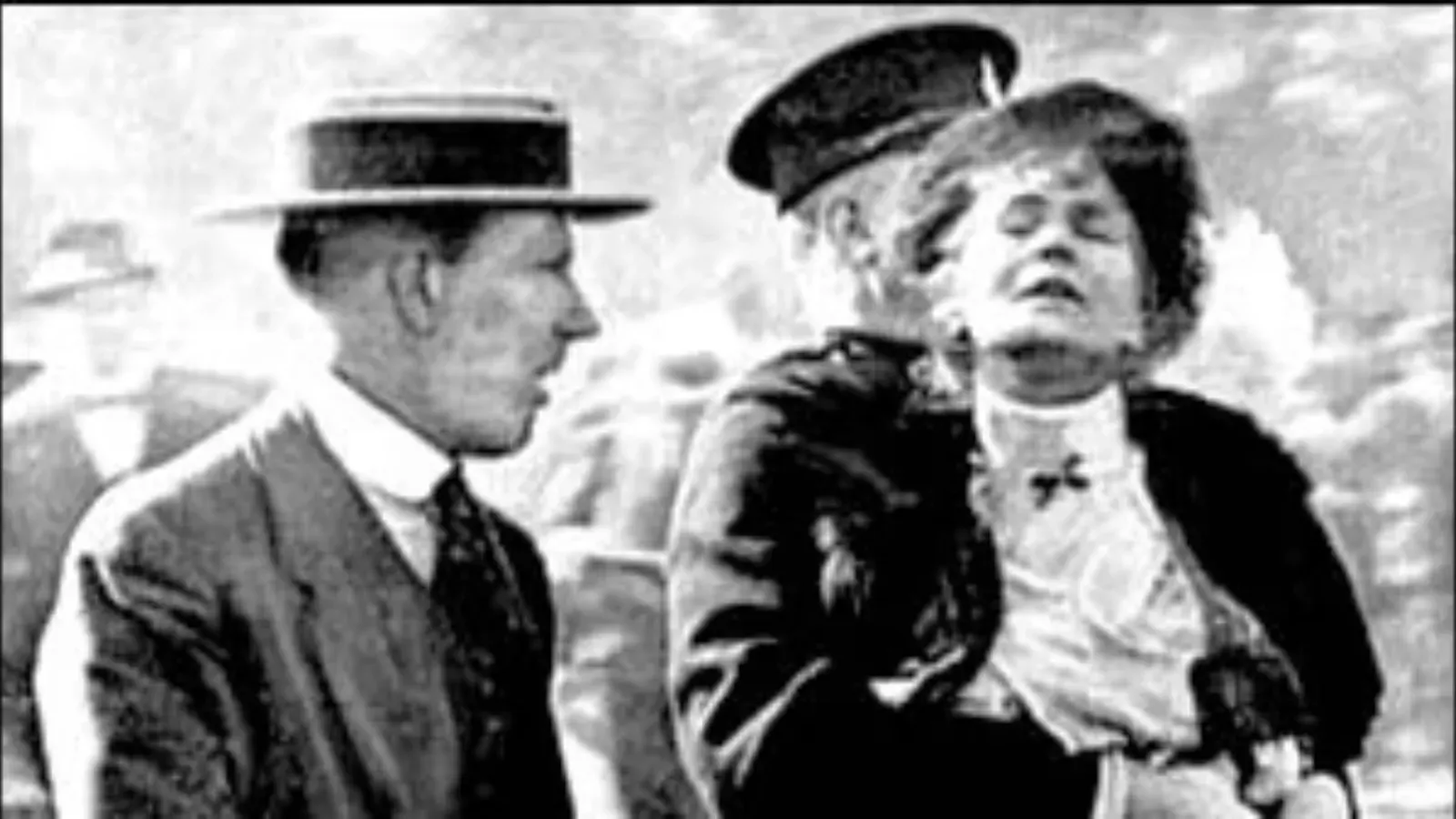
Emmeline Pankhurst, a formidable figure in the fight for women's rights, was born in Manchester, England, in 1858, and her tireless efforts and militant tactics as leader of the Women's Social and Political Union (WSPU) were instrumental in achieving women's suffrage in Britain. Her daughter, Christabel Pankhurst, was also a prominent suffragette, working alongside her mother to challenge existing standards and demand equality. Emmeline Pankhurst's legacy continues to inspire generations of feminists worldwide.
In 1999, Time magazine recognized her as one of the 100 Most Important People of the 20th Century. Her militant tactics, though controversial at the time, were instrumental in achieving women's suffrage in the United Kingdom. By challenging societal norms and political systems, she ignited a movement that would forever change the course of history.
Emmeline Pankhurst's intellectual curiosity was evident from a young age. She devoured books, including the Odyssey and The Pilgrim's Progress, and was deeply inspired by Thomas Carlyle's The French Revolution. However, despite her intelligence and passion for learning, she was denied the same educational opportunities as her brothers. Her parents, while supportive of women's rights, adhered to traditional gender roles, expecting their daughters to focus on domestic skills and marriage. Pankhurst's longing for a different life, one filled with intellectual pursuits and social impact, was evident in her father's lament: "What a pity she wasn't born a lad." This early recognition of inequality would fuel her lifelong dedication to women's rights and social justice.
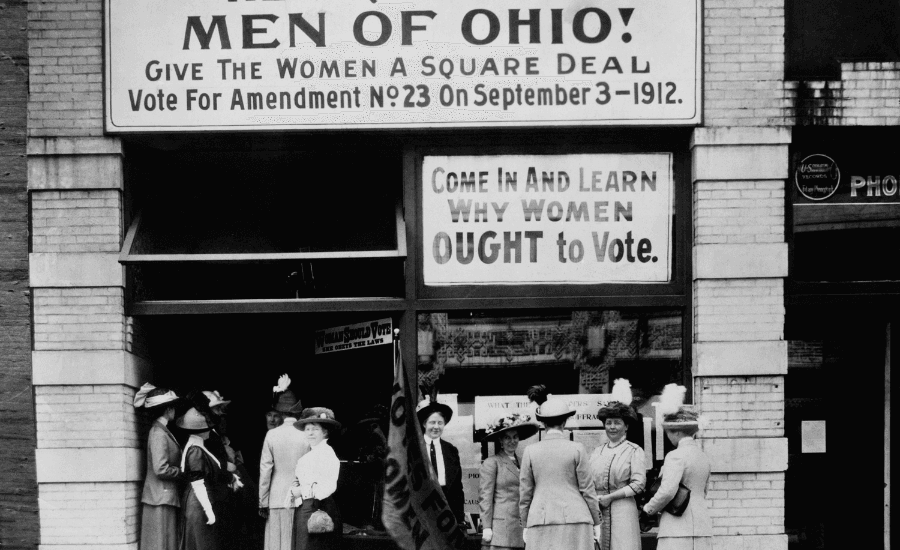
Emmeline Pankhurst's early exposure to the women's suffrage movement through her mother's involvement and Lydia Becker's inspiring speeches solidified her commitment to women's rights. Her time at the École Normale de Neuilly in Paris further broadened her worldview and exposed her to the intellectual and political climate of the time. However, her personal life took a disappointing turn when a potential marriage fell through due to her family's financial constraints. This experience, coupled with her growing awareness of gender inequality, fueled her determination to fight for women's rights and social justice.
Emmeline Pankhurst's marriage to Richard Marsden Pankhurst, a prominent figure in the legal and political world, further solidified her commitment to women's rights. Together, they worked towards securing legal rights for women, including property rights. In 1903, Emmeline founded the Women's Social and Political Union (WSPU), a militant organization dedicated to achieving women's suffrage. The WSPU's aggressive tactics, such as protests, civil disobedience, and hunger strikes, brought unprecedented attention to the cause. The arrest of Christabel Pankhurst and Annie Kenney in 1905 marked a turning point, as the WSPU's militant approach gained momentum and sparked a national debate on women's rights.
Emmeline Pankhurst, from her base in London, led the WSPU in increasingly aggressive campaigns against the Liberal government, which she viewed as the primary obstacle to women's suffrage. The WSPU disrupted political meetings, interrupted cabinet ministers, and engaged in civil disobedience. Pankhurst herself was imprisoned multiple times for her activism, including for inciting people to protest at the House of Commons. Despite a brief truce in 1910, the WSPU resumed its militant tactics when the government failed to pass a bill supporting women's suffrage.
The WSPU's tactics escalated to extreme levels of militancy in 1912, with acts of arson orchestrated by Christabel Pankhurst from exile in Paris. Emmeline Pankhurst herself endured multiple imprisonments and hunger strikes, leading to her release and rearrest under the "Cat and Mouse Act." However, with the onset of World War I in 1914, the WSPU temporarily suspended its campaign to focus on national unity. The government responded by releasing all imprisoned suffragettes.
Following World War I, Emmeline Pankhurst continued her activism, touring the United States, Canada, and Russia to advocate for women's involvement in industrial mobilization. After the war, she spent several years living abroad. In 1926, she returned to England and ran for a seat in the British Parliament as a Conservative candidate. Unfortunately, her health declined before she could be elected. Just weeks after her death, the Representation of the People Act of 1928 was passed, granting voting equality to women. Emmeline Pankhurst's autobiography, "My Own Story," published in 1914, provides valuable insights into her life and the struggle for women's suffrage.
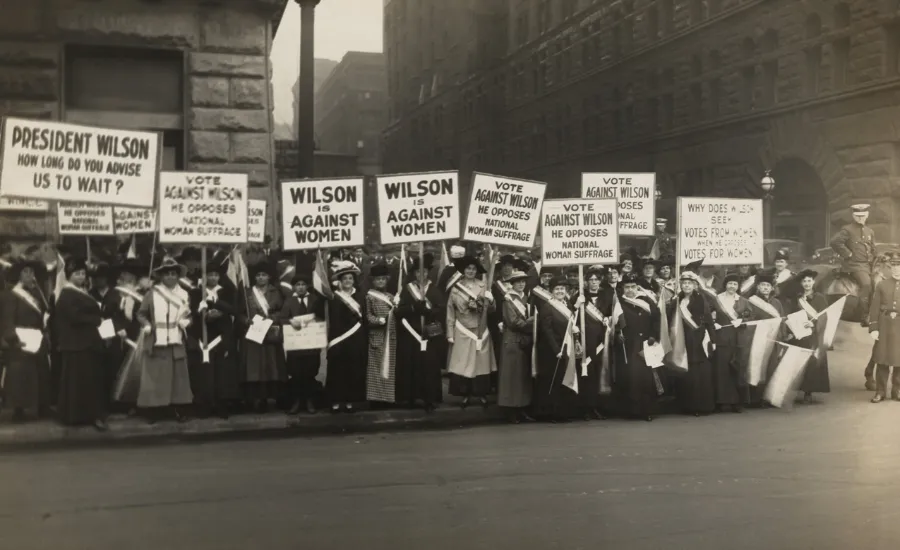
Emmeline Pankhurst was a pivotal figure in the British women's suffrage movement, significantly shaping the feminist movement as a whole. Her militant tactics, such as marches, protests, and civil disobedience, brought unprecedented public attention to the cause. She defied societal norms, challenged the political establishment, and inspired women to demand their rights. Pankhurst's relentless determination and willingness to sacrifice for her beliefs have become a symbol of feminist courage and resilience. Her legacy continues to inspire feminists worldwide, reminding us of the power of activism and the importance of fighting for equality.