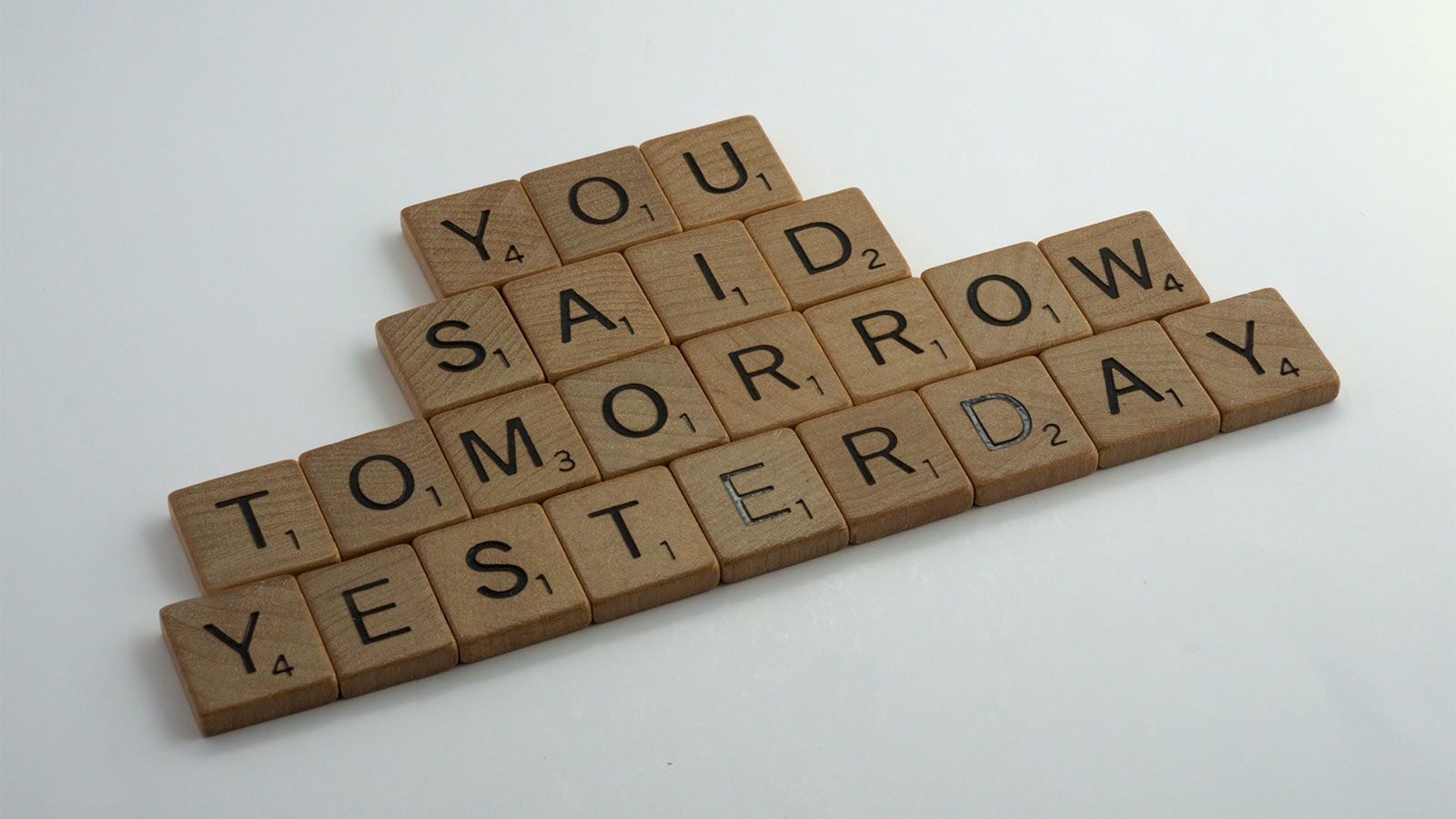

You set the alarm for 6 AM with the best intentions. You're going to wake up early, exercise, get ahead on work, and finally become the disciplined person you've always wanted to be. And then the alarm goes off, and within seconds you've hit snooze, pulled the covers back up, and promised yourself you'll start tomorrow.
If this cycle feels familiar, you're not alone—and you're not lacking some fundamental character trait that others possess. Self-discipline isn't a personality type or a gift bestowed on the fortunate few. It's a skill, and like any skill, it can be developed with the right approach and consistent practice.
Research from the American Psychological Association consistently shows that self-control is one of the strongest predictors of success—in career, relationships, health, and overall life satisfaction. Yet most of us struggle with it, not because we're weak, but because we've been approaching it wrong.
This guide will show you how to practice self-discipline in a way that actually works—not through white-knuckle willpower, but through understanding how your brain functions and working with it, not against it.
What Self-Discipline Actually Is (And Isn't)
Self-discipline is the ability to control your impulses, emotions, and behaviors in order to achieve your goals. It's choosing what you want most over what you want now.
But here's where most people get it wrong: they think self-discipline means constantly battling your desires through sheer force of will. That's exhausting and unsustainable. True self-discipline isn't about fighting yourself—it's about creating systems, habits, and environments that make the right choices easier.
The famous Stanford marshmallow experiment demonstrated that children who could delay gratification (waiting for two marshmallows instead of eating one immediately) went on to have better academic performance, healthier relationships, and greater career success. But follow-up research revealed something crucial: the children who succeeded weren't necessarily better at resisting temptation. Many of them simply looked away from the marshmallow, sang songs to themselves, or found other ways to make waiting easier.
The lesson? Self-discipline isn't about having an iron will. It's about being strategic.
Why Willpower Alone Isn't Enough
If you've ever felt like your willpower simply "runs out" by the end of the day, you're onto something. Research by psychologist Roy Baumeister introduced the concept of "ego depletion"—the idea that self-control draws from a limited pool of mental resources that gets depleted with use.
Every decision you make, every temptation you resist, every distraction you ignore chips away at your willpower reserves. This explains why you might eat well all day and then demolish a bag of chips at 9 PM, or why you're more likely to skip the gym after a mentally draining workday.

However, more recent research suggests that our beliefs about willpower matter too. Studies by psychologist Carol Dweck found that people who believe willpower is unlimited don't show the same depletion effects. What you believe about your own self-control actually shapes your capacity for it.
The practical takeaway? Don't rely solely on willpower. Build systems that reduce the number of decisions you need to make and create environments that support your goals.
10 Strategies to Build Lasting Self-Discipline
1. Start Ridiculously Small
The biggest mistake people make when trying to build self-discipline is starting too big. They go from zero exercise to committing to an hour at the gym every day, or from eating whatever they want to a strict diet overnight. This approach almost always fails.
Instead, start so small it feels almost silly. Want to meditate? Start with one minute. Want to exercise? Start with five push-ups. Want to read more? Start with one page. The goal isn't the activity itself—it's building the habit of showing up. Once that becomes automatic, you can gradually increase.
Research on habit formation shows that consistency matters more than intensity. Five minutes every day beats an hour once a week.
2. Design Your Environment for Success
Your environment shapes your behavior far more than you realize. If you're trying to eat healthier but your kitchen is full of junk food, you're fighting an uphill battle. If you want to check your phone less but it's always within arm's reach, you're setting yourself up to fail.
Make the behaviors you want easier and the behaviors you're avoiding harder. Want to go to the gym in the morning? Sleep in your workout clothes with your bag packed by the door. Want to scroll social media less? Delete the apps from your phone and only access them through a browser. Want to read more? Keep a book on your nightstand and your phone in another room.
The people who appear to have incredible willpower often just have well-designed environments.
3. Create a Non-Negotiable Morning Routine
How you start your day sets the tone for everything that follows. A structured morning routine builds momentum and gives you early wins that carry forward.
Your routine doesn't need to be complicated. It might be as simple as: wake up at the same time, make your bed, drink a glass of water, and spend 10 minutes on something meaningful before checking email or social media. The key is consistency—doing the same things in the same order removes decision fatigue and creates automatic behavior.
When your morning is structured, you're not starting each day by depleting willpower on small decisions. You're preserving it for what matters.
4. Use Implementation Intentions
Vague goals lead to vague results. "I'll exercise more" is a wish. "I will go for a 20-minute walk every day at 7 AM before I shower" is a plan.
Research by psychologist Peter Gollwitzer shows that implementation intentions—specific "if-then" plans—dramatically increase follow-through. The format is simple: "When [situation], I will [behavior]." For example: "When I finish lunch, I will take a 10-minute walk." Or: "When I feel the urge to check social media, I will take three deep breaths first."
This technique works because it pre-decides your response to specific situations, reducing the mental load when the moment arrives.
5. Practice Delayed Gratification
Self-discipline is essentially the ability to delay gratification—to choose future benefits over immediate pleasure. Like a muscle, this capacity strengthens with practice.

Start small. When you want that second coffee, wait 15 minutes. When you're tempted to check your phone, set a timer for 10 minutes first. When you want to buy something impulsively, wait 24 hours. These small delays build your tolerance for discomfort and strengthen your ability to sit with wanting something without immediately acting on it.
Over time, you'll find it easier to make choices that serve your long-term goals rather than your immediate impulses.
6. Remove Temptations Before They Arise
The easiest way to resist temptation is to avoid encountering it in the first place. This isn't weakness—it's strategy.
Don't keep snacks in the house that you're trying to avoid. Unsubscribe from retail emails that tempt you to spend. Use website blockers during focused work time. Don't follow social media accounts that make you feel bad or trigger unhelpful comparisons.
Every temptation you remove is a decision you don't have to make and willpower you don't have to spend.
7. Build Accountability Systems
We're social creatures, and knowing that someone else is watching—or expecting something from us—significantly increases follow-through.
Find an accountability partner who shares similar goals. Join a class or group where your absence would be noticed. Tell someone about your commitment. Use apps that track your habits and share your progress. The social element adds an external layer of motivation that supports your internal discipline.
Even just the act of writing down your goals and tracking your progress creates a form of accountability to yourself.
8. Manage Your Energy, Not Just Your Time
Self-discipline requires energy. If you're sleep-deprived, stressed, hungry, or burnt out, your capacity for self-control plummets. This isn't a moral failing—it's biology.
Prioritize the basics: consistent sleep, regular meals, physical movement, and breaks throughout the day. Schedule your most challenging tasks for when your energy is highest (for most people, this is morning). Recognize that willpower naturally dips in the afternoon and plan accordingly.
Taking care of your physical needs isn't a luxury or a distraction from discipline—it's the foundation that makes discipline possible.
9. Reframe Discomfort as Growth
Much of what we procrastinate on or avoid involves some form of discomfort—boredom, difficulty, uncertainty, or fear of failure. Building self-discipline means developing a new relationship with discomfort.
Instead of viewing discomfort as something to escape, start seeing it as evidence of growth. The burn you feel in a workout means your muscles are getting stronger. The difficulty of a challenging project means you're developing new skills. The discomfort of having a hard conversation means you're building a deeper relationship.
When you expect discomfort and welcome it as part of the process, it loses much of its power to derail you.
10. Forgive Yourself and Start Again
You will slip up. You will miss days. You will fall back into old patterns. This is not a sign that you lack discipline or that you should give up—it's a normal part of building any new skill.
Research shows that self-compassion actually supports self-discipline better than self-criticism. When you beat yourself up after a lapse, you create negative emotions that often lead to more avoidance and more lapses. When you acknowledge the slip, treat yourself with kindness, and simply begin again, you maintain momentum.
The most disciplined people aren't those who never fail. They're the ones who get back up quickly and without drama.
Making Self-Discipline Stick
Building self-discipline isn't about a dramatic overnight transformation. It's about small, consistent choices that compound over time.
Start with one area of your life where you want more discipline. Choose one or two strategies from this list and commit to practicing them for the next 30 days. Once those become more automatic, add another strategy or expand to another area.
Remember that every act of self-discipline, no matter how small, builds your capacity for more. The discipline you develop in one area of life tends to spill over into others. When you build the habit of making your bed, it becomes easier to keep your workspace organized. When you consistently show up for your morning workout, following through on work commitments becomes more natural.
Self-discipline isn't about perfection or punishment. It's about building a life that aligns with what you truly want—and having the skills to show up for that life, day after day.
FAQs About Self-Discipline
How long does it take to build self-discipline?

Research suggests habits take anywhere from 18 to 254 days to form, with an average of about 66 days. However, self-discipline is less about a finish line and more about ongoing practice. You'll likely notice improvements within a few weeks of consistent effort.
Why do I have discipline in some areas but not others?
Self-discipline is context-dependent. You might have established strong habits and systems in your career, but not in your health routine. The strategies that work in one area can often be adapted to others—it's about applying the same principles to new domains.
Is self-discipline the same as willpower?
They're related but different. Willpower is the mental energy you use to resist impulses in the moment. Self-discipline is a broader skill that includes creating systems, habits, and environments that reduce your reliance on willpower alone.
Can self-discipline be too extreme?
Yes. Excessive rigidity can lead to burnout, anxiety, and an inability to adapt. Healthy self-discipline includes knowing when to push through and when to rest, when to stick to the plan, and when to be flexible. Balance is key.
What if I keep failing at self-discipline?
Repeated failure usually means your approach needs adjustment, not that you're incapable. Try smaller goals, different strategies, or examine whether the goal itself is truly aligned with your values. Sometimes we struggle with discipline because we're trying to force ourselves toward something we don't actually want.
Does exercise improve self-discipline?
Research suggests yes. Regular physical exercise has been shown to improve self-regulation in other areas of life. The discipline required to maintain a workout routine appears to strengthen overall self-control capacity.
How do I stay disciplined when I don't feel motivated?
This is where systems matter most. Motivation fluctuates, but well-designed habits and environments carry you through low-motivation periods. Focus on showing up—even in a minimal way—rather than waiting until you feel like it. Action often precedes motivation, not the other way around.