
A well-curated library is rarely built on breathless corporate manuals or hollow self-help aphorisms. Most professional reading lists recycle the same predictable advice, urging women to fix their posture, adopt aggressive negotiation tactics, or manifest success through unearned optimism. They treat career navigation as a series of corporate parlor tricks rather than what it genuinely is: an ongoing exercise in understanding human behavior, structural leverage, and interpersonal psychology.
The books that truly shift how you move through your career rarely market themselves as career guides. They are studies in sociology, rigorous communication frameworks, and sharp analyses of commercial realities.
Whether you are renegotiating a contract, protecting your mental bandwidth, or building an enterprise, these five titles offer durable substance over corporate performance.
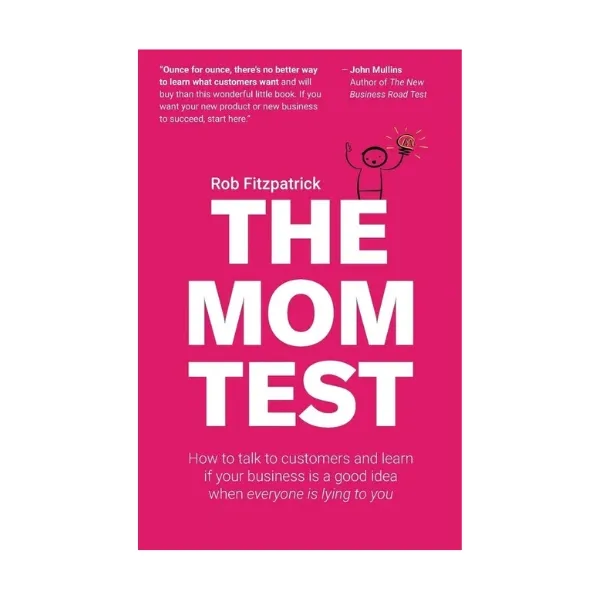
1. The Mom Test by Rob Fitzpatrick
The Subtitle: How to Talk to Customers & Learn If Your Business Is a Good Idea When Everyone Is Lying to You
The Reality: Essential for anyone building a client roster, launching a product, or managing stakeholder expectations.
The central premise of Fitzpatrick’s compact guide is simple: when you ask people for their opinion on your ideas, polite society conditions them to lie to protect your feelings. Seeking validation is the fastest way to build something nobody wants. Fitzpatrick dismantles polite conversational noise, offering an exacting framework for asking questions that demand concrete past behavior rather than hypothetical enthusiasm. It is less about commercial interviews and more about developing an allergy to pleasant, useless feedback in every professional exchange.
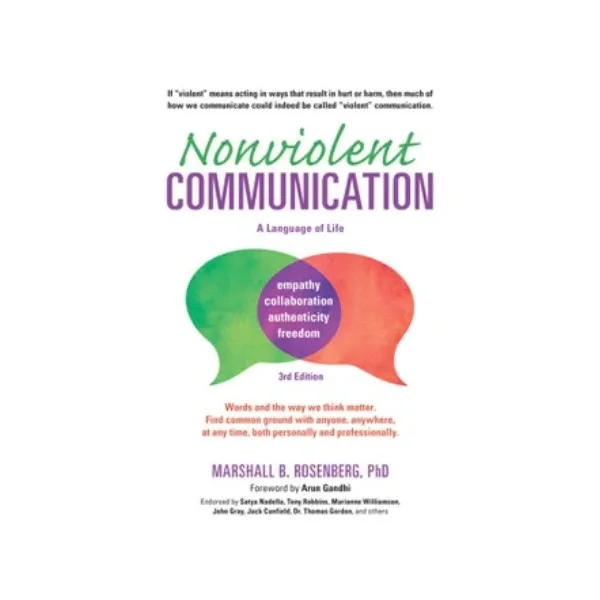
2. Nonviolent Communication by Marshall B. Rosenberg
The Subtitle: A Language of Life
The Reality: The single most effective manual for de-escalating workplace friction without forfeiting authority.
Corporate communication often oscillates between passive-aggressive compliance and exhausting confrontation. Rosenberg’s framework strips away moralistic judgment, diagnostic labeling, and defensive posturing, replacing them with four precise elements: neutral observation, identifiable feeling, underlying universal need, and actionable request. In executive environments where egos constantly obscure practical objectives, mastering this syntax allows you to articulate boundaries and command negotiations without alienating the room.
3. The Second Sex by Simone de Beauvoir
The Reality: The foundational text on structural autonomy, economic independence, and the mechanics of power.
Before modern boardrooms invented comfortable catchphrases, Simone de Beauvoir produced an uncompromising philosophical dissection of how women are systematically conditioned to exist as secondary participants in public and intellectual life. De Beauvoir’s core argument that economic self-sufficiency is the non-negotiable prerequisite for personal sovereignty remains as urgent today as it was in 1949. It is a profound, grounding counterweight to the performative corporate feminism that reduces female ambition to surface-level aesthetics.

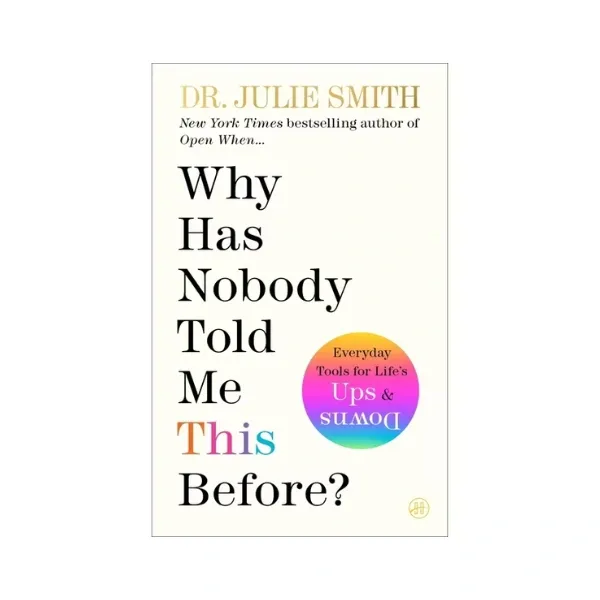
4. Why Has Nobody Told Me This Before? by Dr. Julie Smith
The Reality: A clinical, unsentimental approach to emotional regulation and executive fatigue.
High achievement invariably introduces cognitive strain, decision fatigue, and imposter anxiety. Rather than trafficking in vague affirmations or spiritualized self-care routines, clinical psychologist Dr. Julie Smith breaks down the neurobiology of mood, stress cycles, and negative feedback loops into practical, modular tools. It reads like a private consultation with a seasoned clinician, giving you immediate strategies to recalibrate your nervous system when high-stakes workloads threaten to compromise clarity.
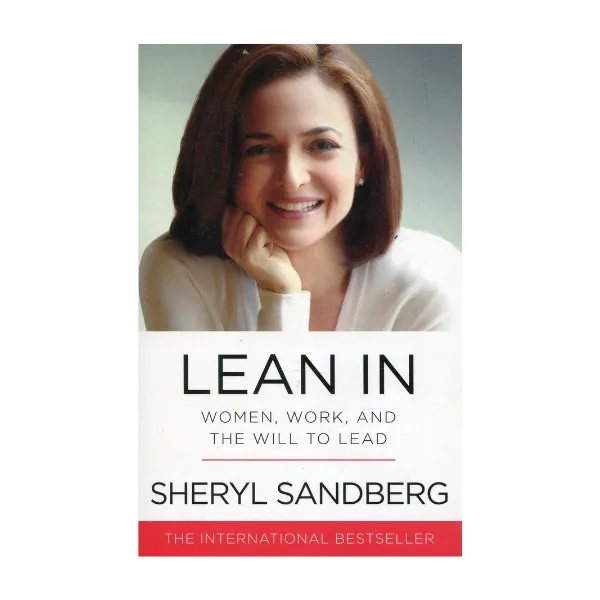
5. Lean In: Women, Work, and the Will to Lead by Sheryl Sandberg
The Reality: A controversial modern historical artifact that forces an examination of institutional leverage versus personal compromise.
More than a decade after its publication, Sandberg’s manifesto remains a polarizing text that demands critical reading. While its core premise—urging individual women to negotiate assertively and claim executive seats—accurately diagnosed internal hesitation, history has exposed the limits of corporate accommodation. Reading it today provides valuable insight into how institutional structures operate, while challenging you to distinguish between genuine professional autonomy and mere participation in rigid corporate machinery.