For as long as I can remember, working for myself meant working whenever I felt like it—which usually translated to finishing client projects at 1:00 AM, opening my laptop after drinks with friends, and waking up at completely unhinged hours because, frankly, I could. I was convinced that night owls were just more creative, more independent, and entirely immune to the insufferable morning-routine lectures cluttering the internet.
Then reality caught up.

Client calls across different time zones multiplied, my schedule broke down, and operating on four hours of broken sleep stopped feeling like a quirky personality trait. It felt like walking through wet cement. I wasn't just tired; my working memory was shot.
I didn't need another productivity app, and I certainly didn't need a self-help sermon. I needed uninterrupted quiet before everyone else started demanding things from me. So, purely out of necessity, I decided to test the oldest cliché in the book: waking up at 6:00 AM every single day for thirty days.
Here is what actually happened when I stopped romanticizing late nights and gave my calendar a hard reset.
What Happens to Your Brain When You Wake Up at 6 AM?
The biggest myth about waking up early is that it is about "hustling more." It isn't. It is about decision insulation.
When you log on at 9:00 AM, you are instantly thrown into defense mode: unread Slack pings, urgent client requests, team questions, and calendar notifications dictate your mental state. Your prefrontal cortex spends its highest-energy hours reacting to other people's priorities.
Waking up at 6:00 AM completely shifts that dynamic. For two hours, the digital world is dark:

Zero Incoming Friction: Nobody expects an instant email response at 6:15 AM. You can draft proposals, analyze campaign metrics, or write without cognitive interruptions.
Prefrontal Clarity: Cognitive research confirms that executive function and creative problem-solving peak shortly after the grogginess of sleep inertia fades, long before decision fatigue sets in.
Proactive Rather Than Reactive: You begin the business day having already handled your personal foundation—coffee, movement, and critical thinking—rather than sprinting to catch up.
The Sunday 6:00 AM Experiment: How I Set It Up
To make the transition stick without crashing on day three, I instituted three non-negotiables:
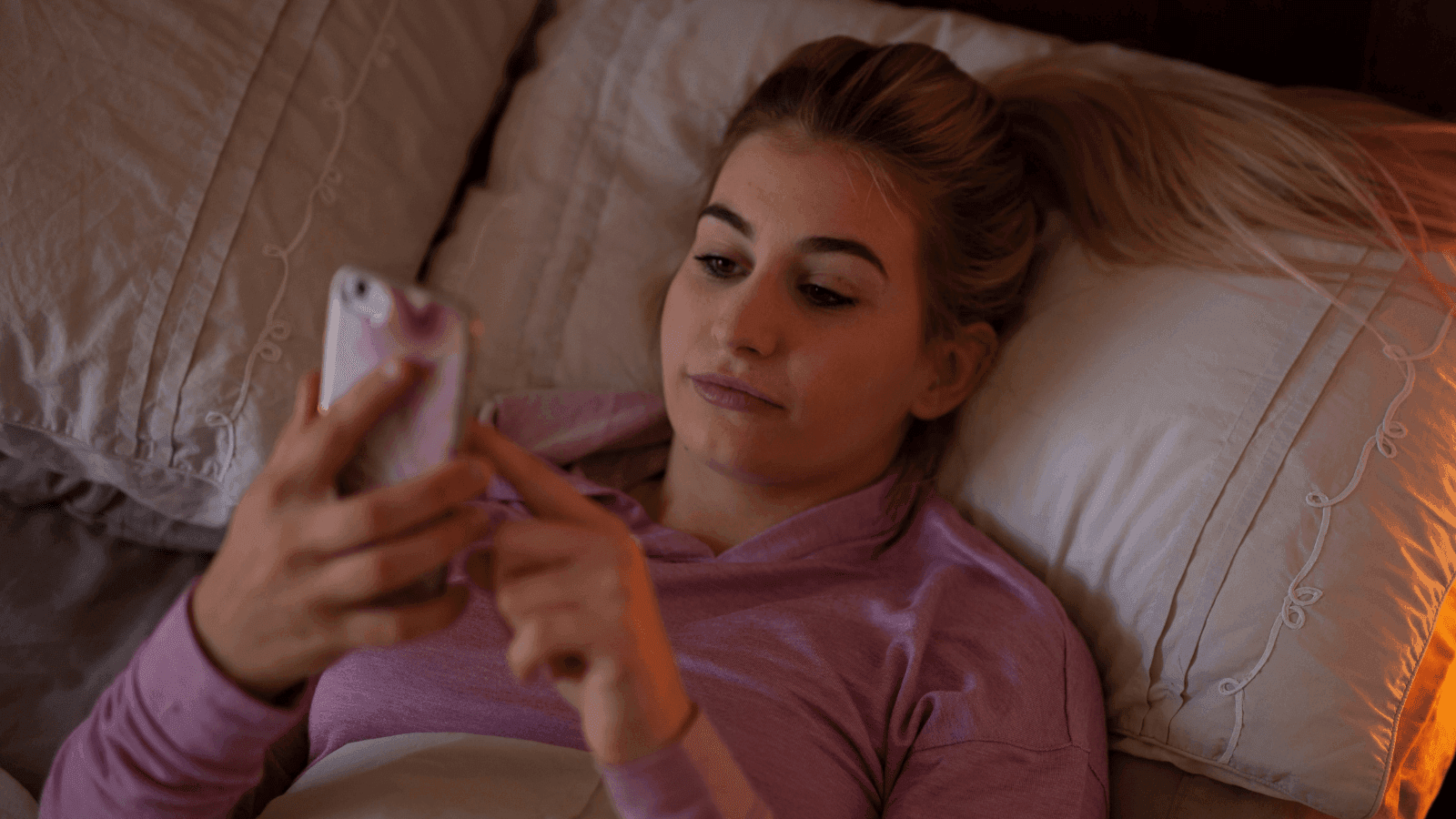
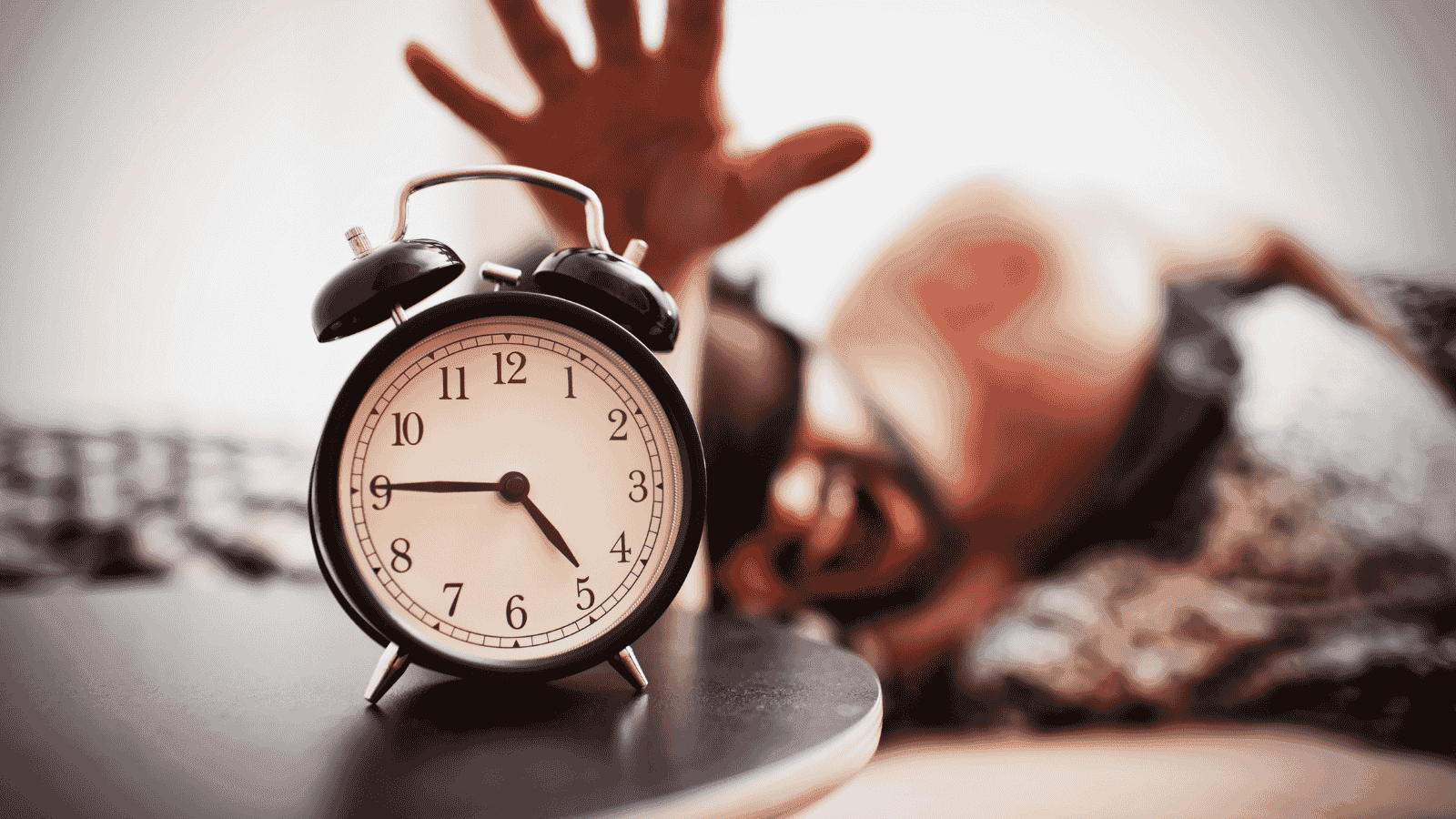
The Phone Exiled from the Bedroom: The fastest way to kill a 6:00 AM wake-up is an Instagram doomscroll at 6:02 AM. My phone stays in another room. When the alarm sounds, physical movement is required to silence it.
The Sunday Launch: I never start a habit shift on a Monday; corporate pressure creates unnecessary friction. Starting on a quiet Sunday allowed me to adapt to the early morning hours with zero workplace pressure.
Protecting the Evening Horizon: Waking up at 6:00 AM is mathematically impossible if you are looking at screens until 1:00 AM. Shifting my wake-up meant setting a hard cutoff for dinner, wine, and emails by 10:30 PM.
The Reality: The Good, the Uncomfortable, and the Shift
1. My Workdays Effectively Ended at 3:00 PM

The most shocking discovery was how much faster tasks get done when there are no pings. Deep-focus work that previously took four hours at night—punctuated by tabs, messages, and social media checks—took ninety minutes before breakfast. By 1:00 PM, my essential deliverables were done. The feeling of closing a laptop mid-afternoon without pending panic is worth every ounce of morning discomfort.
2. My Workouts Stopped Feeling Like a Chore
I used to stumble into late-morning reformer Pilates half-asleep, running on empty caffeine and spending the first twenty minutes trying to remember my own name. With a 6:00 AM wake-up, my nervous system had two full hours to wake up. By the time I hit the studio, I had already had a solid breakfast, had my coffee, and could actually perform without burning out.
3. The End of "Productivity Guilt"
When you work late, work never truly ends. Your laptop sits open on the kitchen island, tempting you to check one more email before bed. Starting at 6:00 AM created a natural, non-negotiable boundary: when evening arrived, my brain was genuinely done. I could cook dinner, open a great bottle of wine, and unwind without the background dread of unfinished to-do lists.
Is 6:00 AM Truly the Ideal Time to Wake Up?
Let’s be honest: 6:00 AM is not a moral virtue. It is simply a tactical tool.
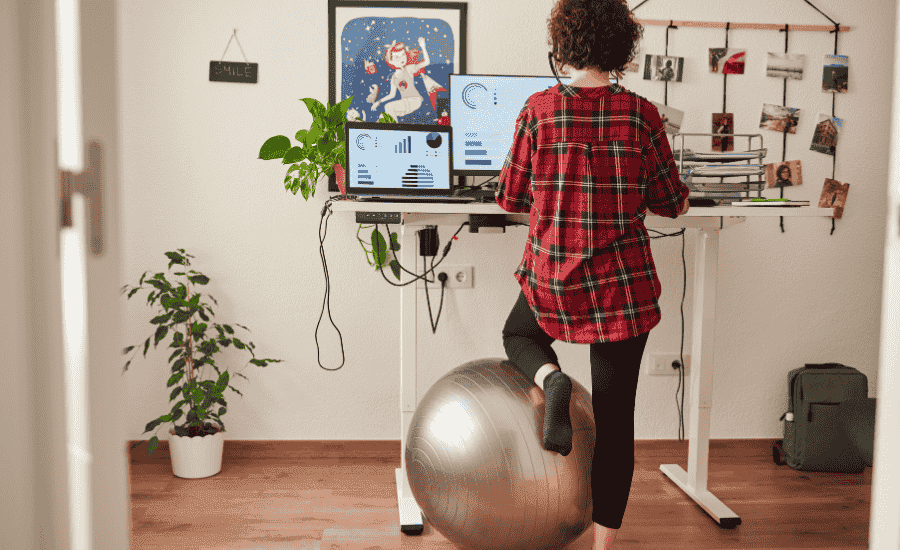
If your lifestyle, creative rhythms, and business model thrive at midnight, forcing a crack-of-dawn routine is performative optimization nonsense. But if you find yourself constantly overwhelmed by daytime interruptions, drowning in reactive tasks, and ending your day feeling like you never got to the work that actually moved the needle, shifting your clock by two hours changes everything.
I didn't turn into a robotic morning guru. On weekends, I still sleep in. But during the workweek, 6:00 AM stopped being an alarm—it became my most profitable business asset.
Questions You May Have
How do I train my body to wake up at 6 AM without feeling exhausted?
The secret to waking up at 6:00 AM starts the night before. Shift your bedtime back in 15-minute increments rather than attempting a radical two-hour jump. Keep electronics out of the bedroom, get natural morning sunlight within thirty minutes of waking, and hydrate before reaching for your first espresso.
Is waking up at 6 AM better than waking up at 5 AM?
For most working professionals, 6:00 AM is significantly more sustainable than 5:00 AM. It allows for a full 7 to 8 hours of restorative sleep without requiring an antisocial 9:00 PM bedtime, while still providing 1 to 2 hours of quiet, uninterrupted time before the traditional business day begins.
How long does it take for a 6 AM wake-up routine to become a habit?
While popular lore suggests habits form in 21 days, clinical behavioral research shows it typically takes anywhere from 30 to 66 days for a new sleep-wake cycle to feel natural. Consistency across weekdays is key to aligning your circadian rhythm.