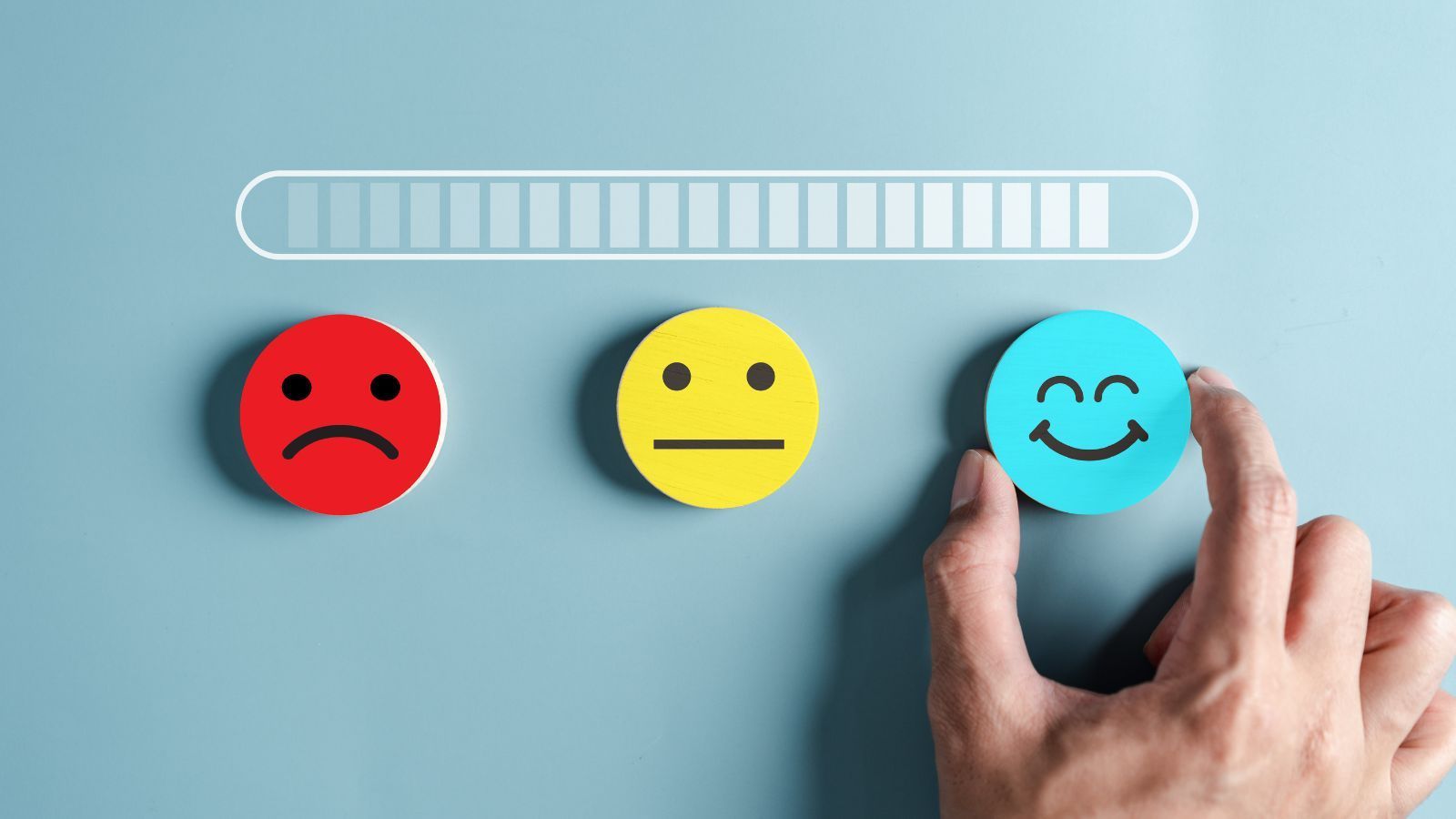

50 Actionable Ways to Instantly Feel Better When You’re Having a Bad Day

Written by The Working Gal Team Category: Voices Read Time: 11 min. Published: Sep 12, 2024 Updated: Nov 7, 2025

We all have those days. You wake up on the wrong side of the bed, spill your coffee, and suddenly, the whole day feels like an uphill battle. When you’re having a bad day, it can feel impossible to shift that mood. Instead of resigning yourself to a funk, you need proactive, reliable strategies.

That's why we've compiled this ultimate guide of 50 powerful, low-effort strategies—backed by psychological and physiological expertise—to help you reset your perspective and reclaim your day. From quick physical hacks that instantly reduce stress hormones to deep emotional resets that foster resilience, these tips are categorized for easy reference.

Use this list as your personal mood booster arsenal. Choose a category below and discover the science-backed method you need to feel better today.

Reset Your Mind and Emotions (Inner Work)

Practice Mindful Anchoring and Breathing:

When your thoughts spiral, you need an anchor. Instead of just "focus on your breath," practice the 4-7-8 technique. Inhale for 4 seconds, hold for 7, and exhale completely for 8. This specific practice stimulates your vagus nerve, signaling your nervous system to calm down, and is far more effective than general advice.

Journal your feelings:

50 ways to feel better on a bad day.jpg

Simply expressing emotions through writing is a scientifically validated form of catharsis. It moves distress from the emotional part of your brain (the amygdala) to the analytical part (the frontal cortex), helping you process them more logically. Use the "stream of consciousness" method to quickly download your thoughts without filtering or judgment. This quick, five-minute brain dump can immediately reduce rumination and emotional load.

Meditate or practice deep breathing:

The goal is to consciously override your stress response. Engage the Vagus Nerve—the main communication line between your brain and body—to rapidly calm your mind and body. A simple technique: focus on making your exhale twice as long as your inhale. This specific pattern is a direct biological signal to your nervous system that you are safe, instantly lowering your heart rate and promoting a state of relaxation.

Practice positive affirmations:

Affirmations work best when they focus on action and effort, not just outcome. Instead of saying, "I am perfect," say, "I am capable of handling today's challenges." This technique, backed by research in self-concept psychology, helps you remind yourself of your strengths and qualities and prepares your mind for future success, reinforcing competence rather than ignoring current problems.

Challenge negative thoughts:

Immediately disrupt the cycle of negativity using a Cognitive Behavioral Therapy (CBT) question. When a negative thought arises, ask: "What is the evidence for this thought, and what is the evidence against it?" This forces you to identify and replace negative thoughts with objective reality, transforming emotional assumptions into balanced perspectives and building genuine cognitive resilience.

Practice self-compassion:

Self-compassion is simply treating yourself as you would a close friend who is struggling. Avoid self-criticism by imagining the advice you'd give them. This act shifts your mindset from being your own harsh judge to being your own supportive ally. By choosing to be kind to yourself, you create an emotional buffer that allows the bad feeling to pass without causing secondary suffering (guilt, shame).

Accept your feelings:

Resistance makes negative feelings stronger. The truth is: It’s okay to feel sad or upset sometimes; these are valid human emotions. Practice Psychological Acceptance by labeling the emotion without judgment (e.g., "I feel frustrated right now"). This crucial step reduces the effort spent fighting the feeling, allowing your energy to flow toward problem-solving instead.

Practice deep breathing exercises:

When stress mounts, breathing becomes shallow and quick. Focused diaphragmatic breathing (breathing into your belly, not your chest) is key to physiological regulation. Set a timer for two minutes and consciously focus on your breath to make it slow and steady. This focused effort physically releases tension by stimulating the body’s rest-and-digest system.

Practice gratitude:

Gratitude is a deliberate intervention that targets mood biochemistry. Taking a moment to actively focus on the things you are thankful for—no matter how small—stimulates the release of dopamine and serotonin in the brain. This natural mood booster helps recalibrate your emotional baseline, pulling your attention away from deficiencies and towards abundance.

Watch a webinar or documentary:
Shift your focus from personal distress to external growth. Investing 15-20 minutes in a high-quality, targeted webinar or documentary provides a sense of intellectual curiosity and accomplishment. New knowledge can help us feel more productive and excited because it engages the brain in problem-solving and future-planning, countering the inertia often caused by a bad mood.

Write a gratitude journal:
The act of physically documenting positive moments is more impactful than simply thinking about them. The Gratitude Journal serves as a reliable, tangible resource. By consciously focusing on the positive aspects of your life and writing them down, you are building an archive of evidence that you can revisit, proving to yourself that happiness and positivity are recurring elements of your life.

Set new goals:

Choose a very small, short-term goal (e.g., emptying the dishwasher). The moment you complete it, you achieve a feeling of competency and control. Achieving small goals can boost your confidence and provide the necessary psychological momentum to tackle slightly larger tasks. This step-wise process is vital for overcoming the paralysis associated with overwhelm.

Learn to say no:

Don't overcommit yourself—this is a non-negotiable part of emotional self-management. Every time you say 'yes' to an obligation that doesn't align with your priorities, you are saying 'no' to your own energy and time. Learning to say no is an active defense mechanism that protects your mental wellness and prevents future episodes of stress-induced bad days.

Learn a new skill:

Actively engaging in learning a new skill leverages brain plasticity. The effort of acquiring new knowledge releases endorphins and creates new neural connections. This inherent sense of accomplishment can improve your mood because it directly feeds into your sense of self-efficacy—the belief in your ability to succeed—a core component of psychological resilience.

Physical & Environmental Hacks

50 ways to feel better on a bad day.jpg

Take a warm bath or shower:

The soothing warmth is more than just comfort; it's a physiological signal. Immersing your body in warm water causes vasodilation (widening of blood vessels), which promotes better circulation and helps relax your muscles that are tense from stress. This active physical change serves as an immediate, reliable anchor to pull your awareness away from emotional distress.

Get some fresh air:

Moving your environment literally changes your perspective. A quick walk in nature exposes you to natural light, which helps regulate your circadian rhythm and boosts serotonin levels—key neurotransmitters for happiness. The subtle sensory input (sounds, smells, temperature) offers a needed distraction and can significantly boost your mood.

Do some light stretching or yoga:

Emotional stress is often stored somatically (in the body). Engaging in light stretching or yoga directly addresses this by releasing tension held in common stress zones like the neck, shoulders, and hips. This small amount of physical activity can reduce stress hormones like cortisol and restore a sense of connection and control over your body.

Go for a swim:

Swimming combines movement with the sensory input of water. The rhythmic, repetitive motion of swimming is inherently meditative, helping to quiet a busy mind. The buoyancy of the water can be relaxing and invigorating because it provides low-impact resistance while effectively engaging major muscle groups, delivering a full-body mood reset.

Workout:

High-intensity physical activity can release endorphins, often referred to as "nature's painkillers." These powerful neurochemicals attach to pain receptors in the brain, which immediately boost mood and create feelings of well-being. Even a brief, intense burst of cardio can provide a significant, immediate emotional uplift.

Do some gardening or houseplants:

Connecting with nature fulfills the human instinct of biophilia (the urge to connect with life). Studies have shown that contact with the natural bacteria in soil (M. vaccae) can stimulate the release of serotonin. This low-effort, focused interaction with living things is profoundly therapeutic and grounding.

Sleep:

A bad day is often compounded by inadequate rest. Lack of sleep can contribute to a negative mood and irritation because your prefrontal cortex—the part of the brain responsible for emotional regulation and complex decision-making—needs time to consolidate information and prune irrelevant emotional debris. Prioritizing rest is non-negotiable mental maintenance.

Eat nutritious foods:

The gut-brain axis means your diet directly impacts your emotions. Opting for nutritious foods (especially those rich in B vitamins and Omega-3 fatty acids) fuels healthy neurotransmitter production. A balanced diet can improve your overall well-being by stabilizing blood sugar and providing the necessary building blocks for balanced mood regulation.

Limit caffeine and alcohol:

Both these substances can affect your mood in detrimental ways when you're already low. Caffeine exacerbates anxiety and jitteriness, while alcohol is a central nervous system depressant that disrupts sleep quality and can intensify negative feelings once the initial effect wears off. Reducing intake ensures chemical stability for a natural mood booster.

Drink a glass of water:

Mild dehydration can lead to fatigue and irritability without you realizing the cause. Before reaching for a snack or coffee, grab a large glass of water. This simple act can quickly resolve subtle physical symptoms that are negatively coloring your mood and is the fastest physical reset available.

Spend time in nature:

Natural environments, unlike busy cityscapes, contain what is called "soft fascination"—stimuli that capture your attention effortlessly. Surrounding yourself with natural beauty can be calming because it allows the prefrontal cortex to rest, reducing mental fatigue and stress associated with urban sensory overload.

Declutter your space:

Clutter is visually taxing and subconsciously signals unfinished tasks, which can increase anxiety. Choosing a small, manageable area to declutter your space provides a quick, tangible sense of control. A clean and organized environment can reduce stress by creating a visually calm and predictable backdrop for your mind.

Take a nap:

When you're overwhelmed, all you may need is a brief short rest to recharge. A power nap (ideally 20-30 minutes) prevents you from entering the deeper, groggy stages of the sleep cycle. This intentional pause restores alertness, improves memory, and boosts mood without fully disrupting your night-time sleep.

Do the laundry:

Any form of cleaning can have soothing effects on our mood because it involves simple, repetitive motions (folding, sorting) that are easy for the brain to process. This "productive repetition" is calming, and completing the task provides an immediate sense of visible achievement and order, countering feelings of chaos.

Creative & Distraction Strategies

Listen to your favorite music:

Music is a potent psychological cue because it directly accesses your limbic system, the center for emotion and memory. Choose songs that reliably evoke positive emotions and memories of past successes or happy moments. This deliberate emotional recall acts as a powerful, non-chemical mood booster that helps your brain associate the present moment with joy and energy.

Read a good book or watch a funny movie:

When you immerse yourself in fiction or comedy, you engage in active, focused distraction. This requires your working memory to focus on the plot or the joke, effectively pausing the mental rumination about your bad day. Choosing content that is enjoyable leverages the power of narrative transportation to give your emotional centers a necessary break.

Dance to your favorite music:

Dancing is a dual-action strategy: it combines the emotional lift of music with the benefits of physical movement. The act of choosing to let loose and have fun immediately releases pent-up physical tension. This uninhibited self-expression can lead to a quick, joyful burst of endorphins that overrides feelings of stress or inertia.

Paint, draw, or color:

Express yourself creatively without the pressure of perfection. Activities like coloring or drawing engage your visual and motor skills in a low-stakes way, shifting your focus from analytical thought to tactile engagement. This non-verbal outlet is particularly therapeutic for processing emotions that you can't quite put into words.

Write a poem or story:

Exploring your imagination through narrative writing provides a sense of cognitive control. When you write a poem or story, you create an alternative reality where you dictate the outcomes. This small act of mastery redirects mental energy toward constructive, imaginative effort rather than dwelling on real-world problems.

Cook or bake:

Experimenting with new recipes or baking engages multiple senses (smell, touch, taste) and provides a clear, tangible result. Following a recipe requires focus, functioning as an active distraction. The final product allows you to enjoy the fruits of your labor, triggering a powerful sense of accomplishment that improves mood.

Make a Pinterest board:

Creating a visual map for future goals (whether for new styles and nail ideas or home projects) is an exercise in positive future visualization. This shifts your brain's focus from present distress to exciting possibilities, activating the reward centers associated with planning and anticipation.

Watch a funny video or meme:

Laughter is a physiological stress disruptor. Genuine laughter can be a great mood booster because it increases oxygen-rich air intake and releases endorphins. Seeking out a funny video or meme is the quickest way to force a positive physical reaction that temporarily relaxes tension and resets your emotional baseline.

Light a scented candle or use essential oils:

The sense of smell is directly linked to memory and emotion. Aromatherapy can promote relaxation by using specific scents (like lavender or chamomile) that trigger calming memories or have known therapeutic properties. This provides an immediate, low-effort sensory change to interrupt the stress response.

Do something you enjoy:

Schedule a non-productive activity solely for pleasure. Engaging in activities that bring you joy and fulfillment releases dopamine, the pleasure neurotransmitter. This deliberate pursuit of pleasure reinforces your self-worth and provides a critical counterbalance to obligatory or draining activities.

Limit screen time:

50 ways to feel better on a bad day.jpg

Excessive screen time can contribute to negative emotions due to blue light interference with sleep hormones and constant exposure to comparing yourself to others. Taking a deliberate break improves cognitive clarity and prevents the mental fatigue and emotional depletion caused by continuous, non-stop digital input.

Learn something new:

Expanding your knowledge can be stimulating and rewarding because it engages neuroplasticity—your brain’s ability to change and adapt. This intellectual stimulation provides a welcome distraction from negative emotions and gives you a renewed sense of purpose and self-efficacy.

Listen to calming music:

Choose soft, soothing music with a tempo that mirrors a resting heart rate (around 60-80 beats per minute). This auditory pacing encourages your own heart rate to slow down, helping you unwind and facilitating a state of deep, conscious relaxation.

Play an instrument:

Playing an instrument is an effective way to relax and unwind because it requires intense concentration and coordination, forcing your brain into a flow state. This complete mental absorption shuts off the worrying mind, offering profound, active stress relief and a sense of mastery.

Connection & Acts of Service

Call a friend or a loved one:

Human connection is a powerful biological regulator. Talking to someone can provide support because the act of sharing your experience releases oxytocin, a bonding hormone that counteracts the stress hormone cortisol. This vocalization of distress and subsequent validation from a trusted person helps you process emotions and reduces the feeling of isolation.

Volunteer:

Engaging in altruism shifts your focus outward, away from your own troubles. Helping others can give you a profound sense of purpose and meaning, which is a key component of long-term happiness. This sense of contributing value generates a "helper's high," a lasting mood boost that provides perspective and minimizes self-focus.

Spend time with a pet:

Interaction with animals provides reliable comfort. Animals can provide unconditional love and companionship without judgment. Petting a cat or dog is scientifically shown to lower blood pressure and increase levels of oxytocin, delivering a direct, gentle dose of stress reduction and emotional stability.

Attend a social event:

Seek out environments that naturally foster joy. Surrounding yourself with positive energy can be uplifting because emotions are contagious. Laughter, shared enthusiasm, and high-energy interactions trigger similar emotional responses in you, providing a temporary but effective emotional transfer that helps you break out of a low mood.

Help someone in need:

Similar to volunteering, a direct act of service offers immediate emotional returns. Acts of kindness can improve your own well-being by boosting your sense of personal efficacy (the ability to produce a desired result). Successfully assisting someone refocuses your energy on competence rather than inadequacy.

Get a massage or spa treatment:

A professional treatment is intentional, therapeutic downtime. Treat yourself to some relaxation and pampering by engaging services that activate the parasympathetic nervous system (rest and digest). Massage therapy, for example, physically releases muscle knots and is clinically proven to lower heart rate and reduce cortisol.

Take a break from social media:

Social media often presents curated, highlight-reel versions of reality, leading to harmful social comparison. Limiting your exposure to negative news and opinions (and idealized content) prevents unnecessary upward comparison, allowing you to regain cognitive clarity and feel more content with your own circumstances.

A bad day doesn't have to turn into a bad week. By using these 50 tips, you have an arsenal of strategies to quickly interrupt negative cycles and restore a sense of calm and control. Start small—pick just one or two from this list—and you’ll be amazed at how quickly you can shift your perspective and feel better today.

It took 3 coffees to write this article.


About the author

The Working Gal Team

Here, at the Working Gal, we love collaboration! For this reason, we sit down and brainstorm all together and write some articles for you!

LinkedIn Instagram Facebook
Search