Right now, as you read this, you're hosting a party. Not metaphorically—literally. Inside your digestive system, trillions of bacteria are living, eating, communicating, and directly influencing whether you feel energized or exhausted, happy or anxious, bloated or comfortable.
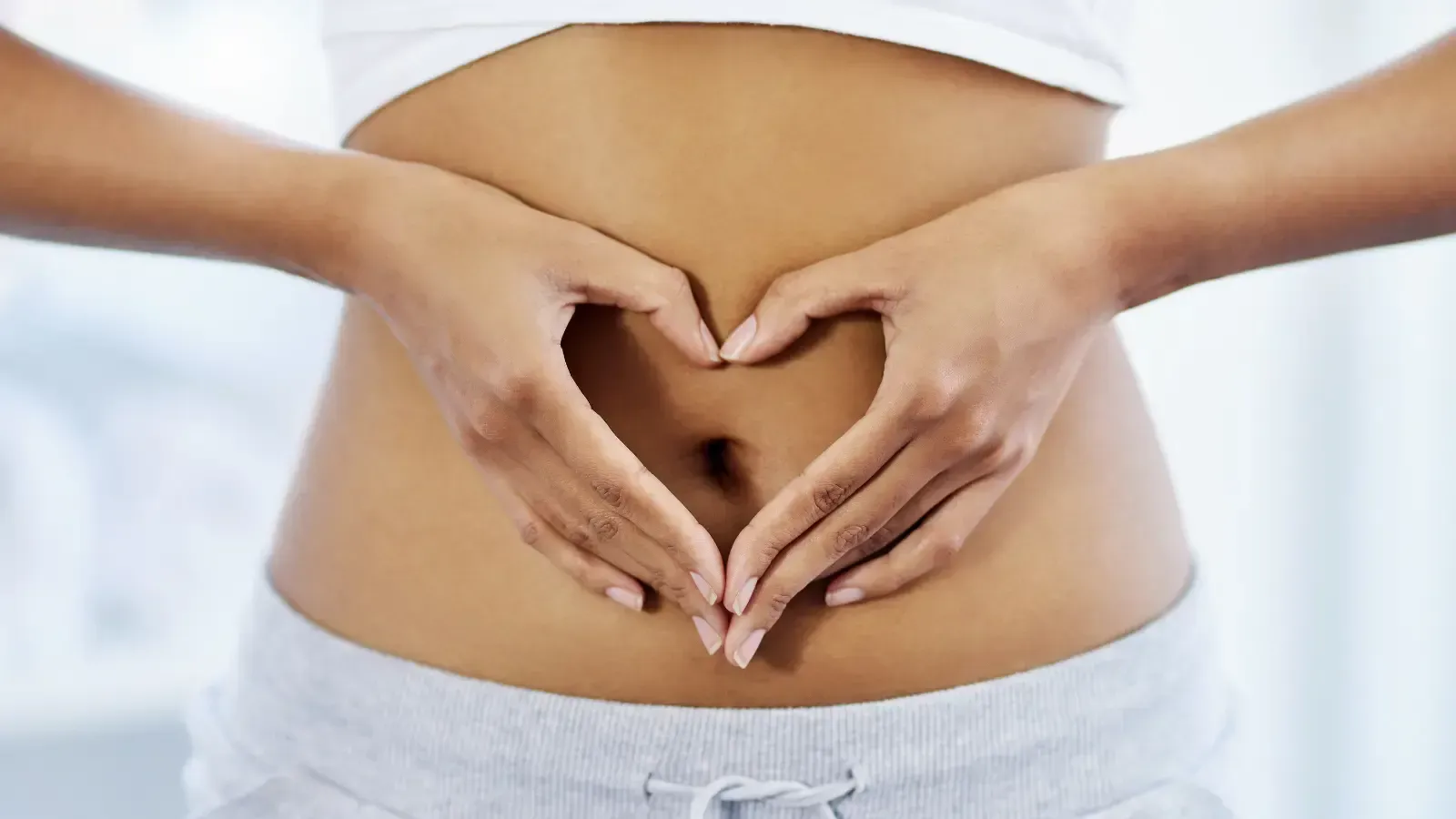
Welcome to your microbiome: the complex ecosystem of bacteria, fungi, and other microorganisms that call your gut home. Think of it as a rainforest inside you—when it's thriving and diverse, everything works beautifully. When it's damaged and imbalanced, things start breaking down in ways that affect far more than just digestion.
Here's what most people don't realize: your gut isn't just a tube that processes food. It's producing neurotransmitters that affect your mood. It's training your immune system. It's manufacturing vitamins your body needs. It's sending constant signals to your brain through what scientists call the gut-brain axis.
Which means when you damage your gut health, you're not just signing up for occasional bloating or irregular bathroom trips. You're potentially affecting your mental health, immune function, energy levels, skin condition, and ability to handle stress.
The frustrating part? Many of us are unknowingly sabotaging our gut microbiome with daily habits that seem completely innocent. You're not doing anything obviously terrible—you're just living modern life. But your gut bacteria? They're struggling.
Let's talk about what's actually happening inside your digestive system and what you can do about it.
Your Gut Is an Ecosystem, Not a Machine
Your gut microbiome contains somewhere between 300-1,000 different bacterial species, with each person's composition being as unique as a fingerprint. These bacteria aren't passive passengers—they're active participants in your health.
The "good" bacteria (probiotics) help digest food, produce vitamins like B12 and K, create anti-inflammatory compounds, train your immune cells to distinguish between threats and harmless substances, manufacture neurotransmitters including serotonin (yes, most of your serotonin is made in your gut, not your brain), and maintain the integrity of your intestinal lining so it doesn't become "leaky."
When your microbiome is diverse and balanced, these beneficial bacteria keep potentially harmful bacteria in check. It's like a well-functioning ecosystem where everything has its place and no single species dominates.
When your microbiome becomes imbalanced—a condition called dysbiosis—the whole system starts breaking down. Harmful bacteria multiply. Beneficial species die off. The protective lining of your intestine weakens. Inflammation increases. Communication with your brain gets disrupted. And this is where those seemingly innocent daily habits come in.
Habit 1: Eating the Same Foods on Repeat
Your gut bacteria are picky eaters. Not in the sense that they refuse to eat certain things, but that different bacterial species thrive on different nutrients.
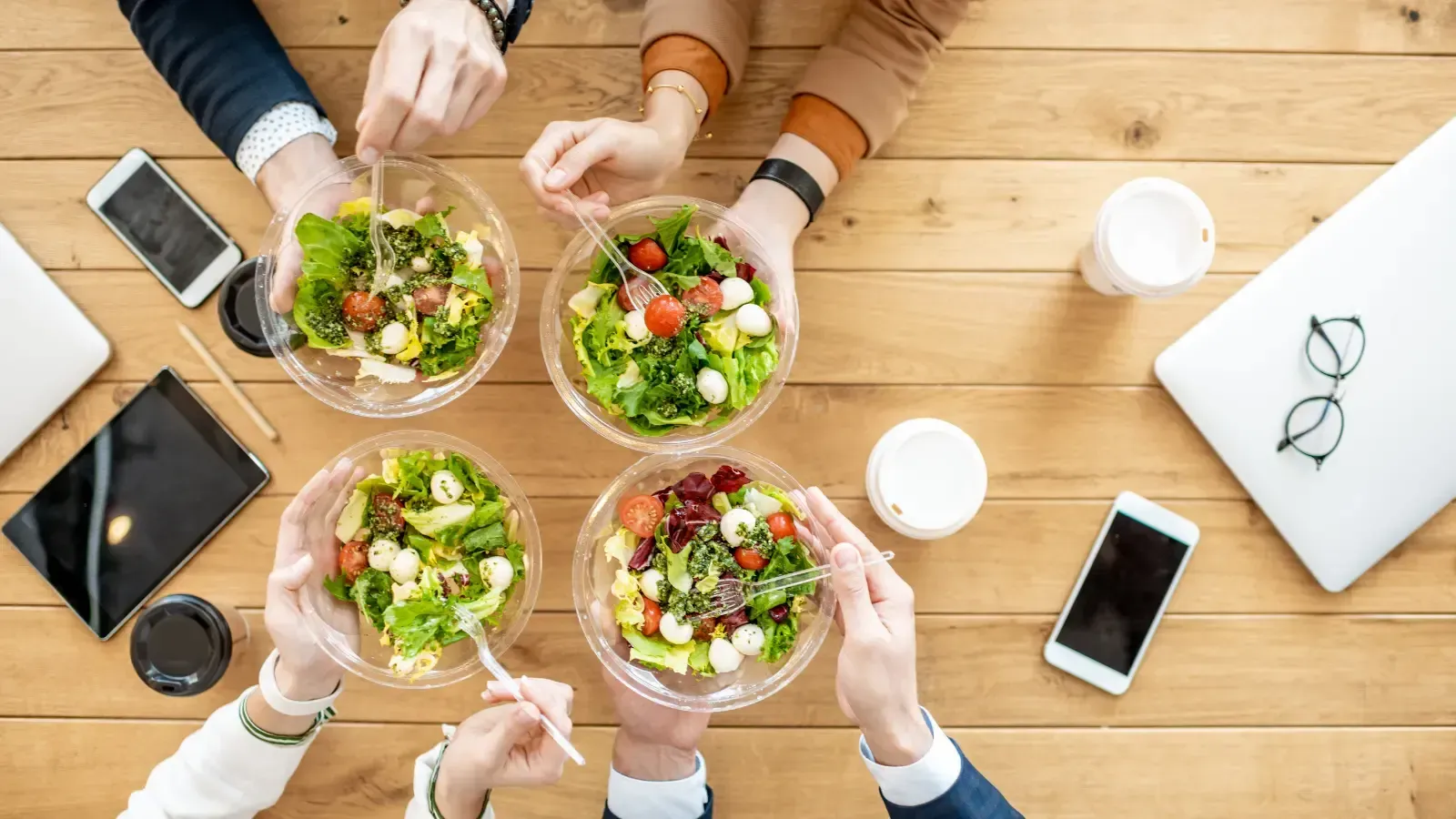
When you eat the same rotation of foods every week—chicken, rice, and broccoli for dinner; the same breakfast every morning; the same snacks on repeat—you're essentially feeding only certain bacterial species while starving others.
Research shows that people who eat 30+ different plant foods per week have significantly more diverse gut microbiomes than those who eat fewer than 10. This diversity matters because different bacteria produce different beneficial compounds. A diverse microbiome is like having a complete toolkit versus just a hammer.
What's happening inside you: Imagine your gut bacteria as a neighborhood. When you eat the same foods constantly, it's like only one restaurant delivers to the area. Some bacteria thrive, others slowly die off from lack of their preferred nutrients. The neighborhood becomes less diverse, less resilient, and more vulnerable to disruption.
What to do differently: This doesn't mean overhauling your entire diet. It means small additions. Add berries to your usual breakfast. Throw different vegetables into your dinner rotation. Try one new food per week. Use different herbs and spices (they count as plant foods).
Habit 2: Skipping Fermented Foods Entirely
Fermented foods are having a wellness moment, but they're not trendy—they're ancient. Humans have been fermenting foods for thousands of years, and your gut bacteria have evolved to benefit from them.
Foods like yogurt, kefir, kimchi, sauerkraut, kombucha, miso, and tempeh contain live beneficial bacteria that can temporarily colonize your gut and support your existing microbiome. More importantly, fermentation creates compounds that feed your resident bacteria and reduce inflammation.
What's happening inside you: Your gut bacteria can't manufacture themselves. They come from your environment—the foods you eat, the people you live with, the places you spend time. When you consume fermented foods, you're introducing reinforcements. Even if these bacteria don't permanently settle in your gut, their presence while passing through provides benefits.
What to do differently: A few forkfuls of sauerkraut with dinner. A small glass of kefir with breakfast. A serving of kimchi on your rice bowl. You don't need to eat fermented foods at every meal—even a few servings per week makes a difference. Find what you actually enjoy eating (forcing down kombucha you hate doesn't help).
Habit 3: Neglecting Prebiotic Fiber (The Food Your Bacteria Actually Want)
Here's something most people miss: probiotics (beneficial bacteria) get all the attention, but prebiotics (the food those bacteria eat) are equally important.
Prebiotic fiber is found in foods like onions, garlic, leeks, asparagus, bananas (especially slightly green ones), oats, apples, flaxseeds, and Jerusalem artichokes. These fibers resist digestion in your small intestine and make it to your colon intact, where your bacteria ferment them.
When bacteria ferment prebiotic fiber, they produce short-chain fatty acids (SCFAs) like butyrate, which is the preferred fuel for your colon cells. Butyrate reduces inflammation, strengthens your gut lining, and has been linked to reduced risk of colon cancer and inflammatory bowel diseases.
What's happening inside you: Without adequate prebiotic fiber, your beneficial bacteria are essentially starving. They can't produce the protective compounds your gut lining needs. Some bacteria start feeding on the mucus layer of your intestine instead (not ideal). The ecosystem becomes weaker and more susceptible to imbalance.
What to do differently: You don't need exotic supplements. Just eat more plants—especially the ones listed above. Cook with onions and garlic regularly. Add oats to your breakfast routine. Eat the whole apple instead of just drinking juice. Snack on nuts. The fiber you're eating is literally feeding the bacteria that keep you healthy.
Habit 4: Living in Perpetual High-Stress Mode
This is where the gut-brain axis becomes really important. Your brain and gut are in constant two-way communication through the vagus nerve, immune system messengers, and the metabolites your gut bacteria produce.
When you're stressed, your body activates the fight-or-flight response. Blood flow gets redirected away from digestion toward your muscles. Your gut motility changes (which is why some people get diarrhea when anxious and others get constipated). The composition of your gut bacteria actually shifts under chronic stress.

Research shows that stressed mice develop less diverse microbiomes. Their gut bacteria produce different metabolites. Their intestinal permeability increases, allowing bacteria and food particles to leak into the bloodstream and trigger inflammation.
What's happening inside you: Chronic stress is like repeatedly evacuating the neighborhood where your gut bacteria live. The environment becomes hostile. Beneficial bacteria die off. Potentially harmful bacteria that tolerate stress better start taking over. The protective mucus layer thins. Communication between your gut and brain becomes distorted.
The cruel irony: stress damages your gut, which then produces fewer mood-regulating neurotransmitters, which makes you more susceptible to stress and anxiety. It's a vicious cycle.
What to do differently: You can't eliminate stress, but you can change how you respond to it. Deep breathing actually activates your vagus nerve and improves gut-brain communication. Regular movement helps. Adequate sleep (more on that next) is crucial. Even small stress-management practices—five minutes of meditation, a short walk, deliberately slowing down meals instead of eating while working—help protect your microbiome.
Habit 5: Chronic Sleep Deprivation
Your gut bacteria have their own circadian rhythm. They follow a 24-hour cycle just like you do, with certain bacteria being more active at different times of day.
When you consistently shortchange sleep—staying up too late, irregular sleep schedules, poor sleep quality—you disrupt your gut bacteria's rhythm. Studies show that even one night of sleep deprivation can alter the composition of your gut microbiome.
People with irregular sleep schedules have less diverse microbiomes and higher levels of inflammation markers. Shift workers, who have permanently disrupted circadian rhythms, show distinct changes in their gut bacteria composition and higher rates of metabolic disorders.
What's happening inside you: Your gut bacteria are trying to sync with your body's natural rhythms—when you eat, when you sleep, when you're active. Chronic sleep disruption is like constantly changing time zones. The bacteria become confused. Their population ratios shift. They produce different metabolites at the wrong times. The whole ecosystem becomes dysregulated.
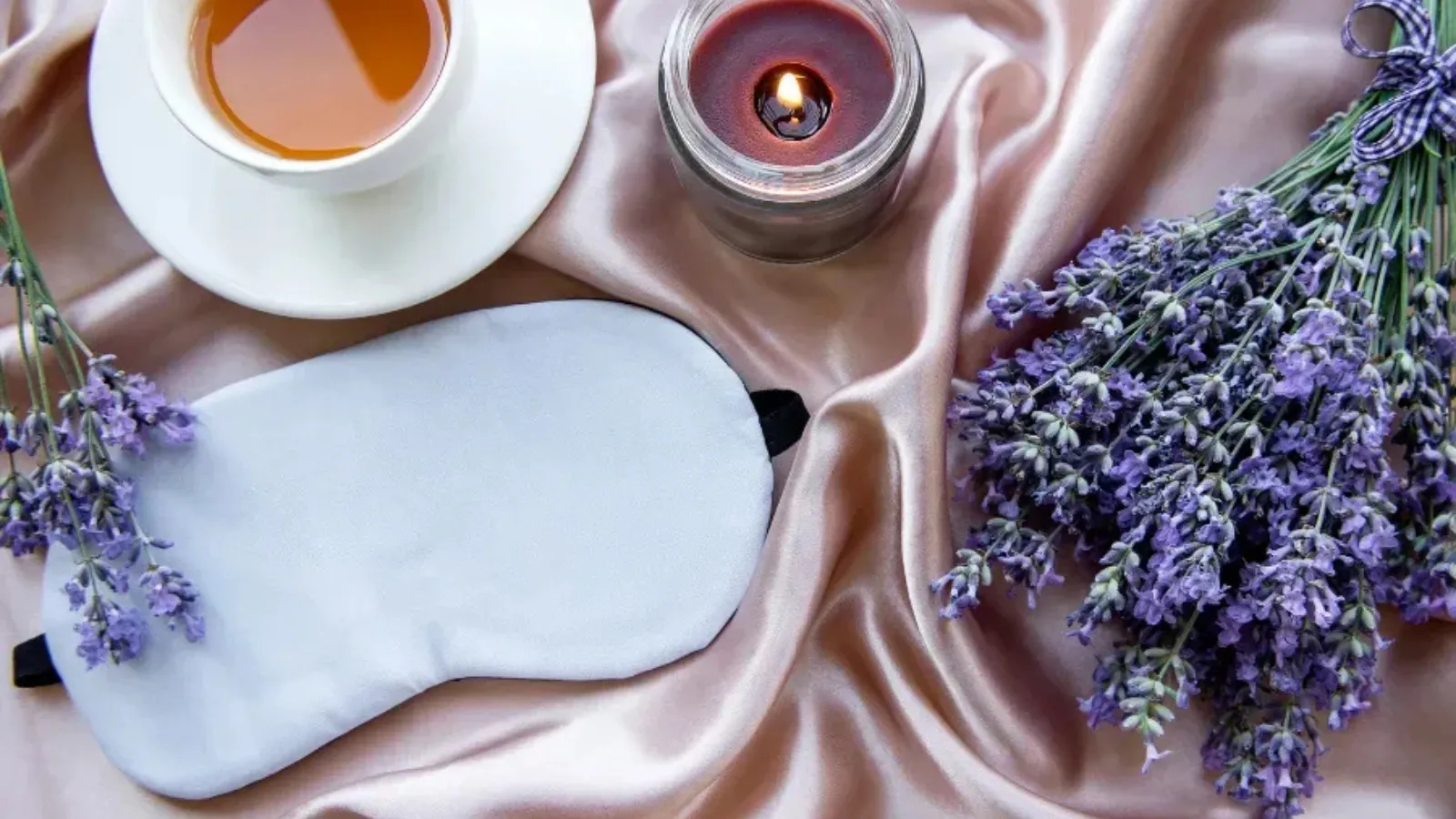
What to do differently: Prioritize consistent sleep timing over any other sleep hack. Going to bed and waking up at roughly the same time—even on weekends—helps your gut bacteria maintain their rhythm. If you can't get seven hours, focus on quality over quantity: dark room, cool temperature, no screens before bed. Your microbiome will thank you.
Habit 6: Sitting Still All Day
Your gut bacteria don't just respond to what you eat—they respond to how you move.
Regular physical activity increases microbial diversity. It encourages the growth of bacteria that produce butyrate. It improves gut motility, helping food move through your system at the right pace (not too fast, not too slow). It reduces inflammation throughout your body, including in your gut.
The mechanism isn't fully understood, but research shows that athletes have more diverse microbiomes than sedentary people, even when controlling for diet. Movement seems to create an environment where beneficial bacteria thrive.
What's happening inside you: When you're sedentary, your gut motility slows. Food and waste move sluggishly through your intestines, which can allow harmful bacteria to overgrow in areas they shouldn't colonize. Blood flow to your digestive organs decreases. The environment becomes less hospitable to the bacteria that need oxygen and nutrients from good circulation.
What to do differently: You don't need to become an athlete. Walking counts. Taking stairs counts. Standing and moving around your home counts. Gardening, dancing, playing with kids, cleaning vigorously—all of it helps. Even moderate activity several times per week is enough to see changes in microbiome composition. Your gut bacteria don't care if you're training for a marathon; they just want you to move regularly.
Habit 7: The Antibiotic Approach to Everything (When You Don't Actually Need It)
Antibiotics save lives. When you have a bacterial infection, they're essential medicine. But they're also nuclear weapons against your microbiome.
Broad-spectrum antibiotics don't distinguish between harmful bacteria causing your infection and beneficial bacteria keeping your gut healthy. They wipe out both. A single course of antibiotics can reduce your microbial diversity by 25-50%, and while much of it recovers, some bacterial species may never return.
What's happening inside you: Imagine a forest fire that clears everything—not just the invasive species but also the native plants, the beneficial fungi, the whole ecosystem. After the fire, what grows back isn't necessarily the same as what was there before. Sometimes, opportunistic species that weren't problems before start dominating the landscape.
This is why some people develop digestive issues, yeast infections, or Clostridium difficile infections after antibiotics—the normal bacteria that kept these problems in check are gone.
What to do differently: Take antibiotics when you actually need them for bacterial infections. Don't demand them for viral infections (they won't help and will harm your gut). If you do need antibiotics, support your microbiome recovery by eating fermented foods, increasing prebiotic fiber, and potentially using a probiotic supplement during and after treatment. Your gut will eventually recover, but you can help the process along.
The Cumulative Effect (Why This All Matters)
Here's the thing about gut health: it's not usually one dramatic habit that destroys your microbiome. It's the cumulative effect of multiple small habits over time.
Eating low diversity? Your microbiome becomes less resilient. Add chronic stress? It weakens further. Throw in poor sleep? The disruption compounds. Remain sedentary? The environment becomes less hospitable. Skip fermented and prebiotic foods? Your bacteria lack the resources to recover.
Each habit alone might not be catastrophic. But together, they create an environment where your beneficial bacteria struggle to survive while potentially harmful bacteria flourish.
The good news: the opposite is also true. Small improvements in multiple areas compound into significant microbiome recovery. You don't need perfection—you need consistency in the right direction.
What Supporting Your Gut Actually Looks Like
This isn't about becoming a health perfectionist or overhauling your entire life. It's about small, sustainable shifts that create a better environment for your gut bacteria:
- Increase food variety gradually. Add one new plant food per week to your rotation. Use different herbs and spices. Try one new vegetable per month.
- Include fermented foods regularly. Find one or two you actually enjoy and eat them a few times per week.
- Prioritize prebiotic fiber. Cook with onions and garlic. Eat oats for breakfast occasionally. Keep apples and bananas on hand for snacks.
- Manage stress where you can. You can't eliminate stress, but you can build in small practices that help you process it better.
- Protect your sleep. Consistent timing matters more than perfect duration. Your gut bacteria need rhythm.
- Move your body regularly. Walking counts. Any movement is better than none.
- Use antibiotics judiciously. Take them when you need them, but don't demand them for viral infections.
Your gut microbiome is resilient. It wants to thrive. Your job isn't to micromanage it—it's to create conditions where it can do what it evolved to do.
You're not trying to achieve some perfect state of gut health. You're trying to support the trillions of organisms that, in turn, support your immune system, mood, energy, and overall wellbeing.
That ecosystem inside you? It's working hard to keep you healthy. Maybe it's time to return the favor.