
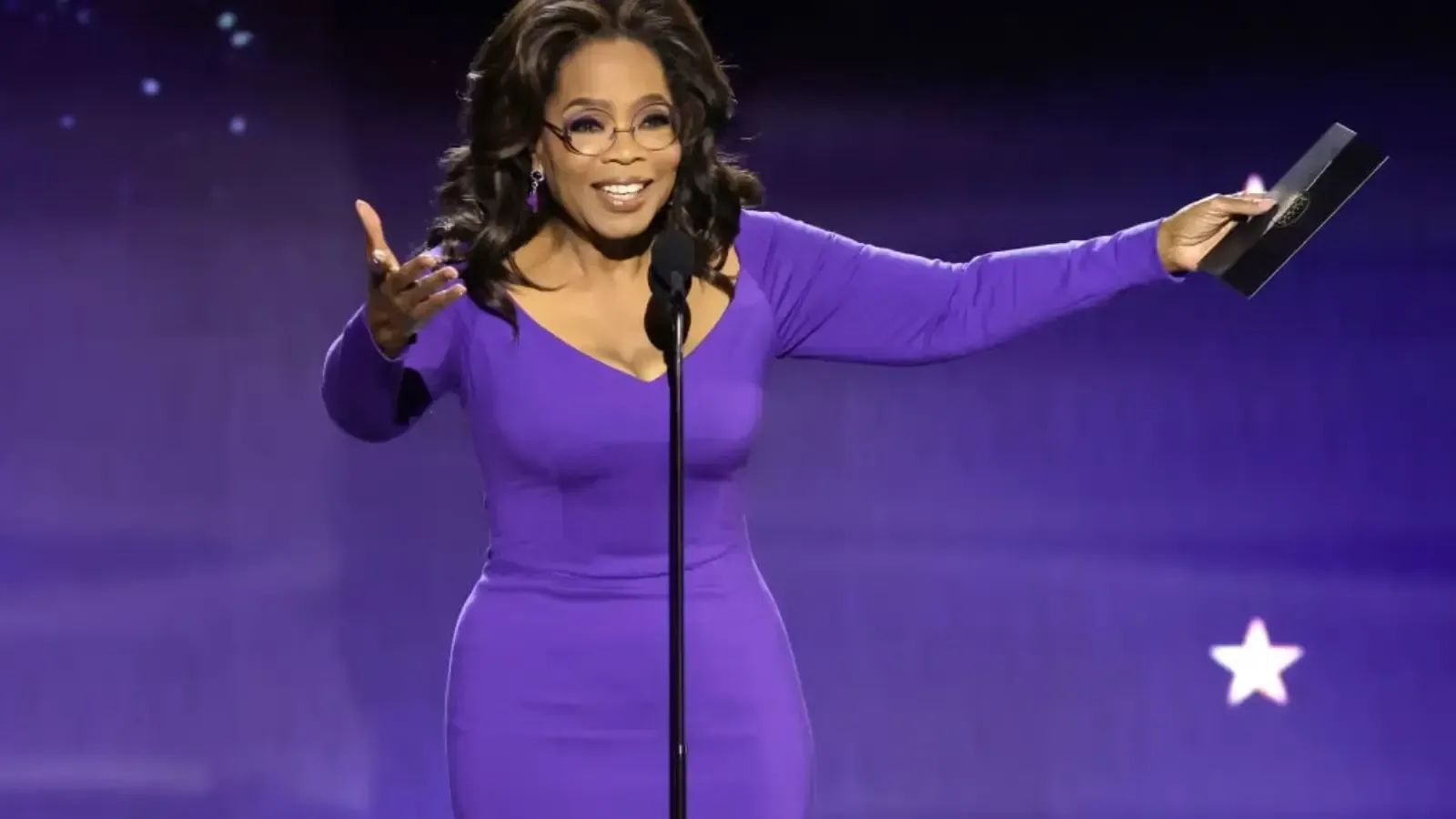
At the Working Gal, we celebrate women who've changed the world through their courage, vision, and determination. And one of those is Oprah Winfrey—a woman who transformed personal authenticity into one of the most powerful media empires in history.
When Oprah Winfrey first appeared on television in the 1980s, the media landscape was dominated by a very specific formula. Talk show hosts were expected to maintain professional distance, stick to sensational topics, and follow established industry patterns. Oprah did something revolutionary: she threw out the rulebook and decided to be completely, unapologetically herself.
That decision didn't just launch a successful career—it created a billion-dollar business empire and fundamentally changed how we think about media, leadership, and the power of authentic connection. For working women navigating their own professional journeys, Oprah's approach offers invaluable lessons about building success on your own terms.
The Foundation: Vulnerability as Strength

From the beginning of her talk show career, Oprah made a choice that seemed risky at the time: she shared her own struggles, failures, and personal growth journey with her audience. In an era when television personalities were expected to maintain polished, untouchable images, Oprah talked openly about her difficult childhood, her battles with weight, her relationship challenges, and her ongoing journey of self-discovery.
This wasn't just brave—it was a brilliant business strategy. By showing her authentic self, flaws and all, Oprah created something that no amount of market research or focus groups could manufacture: a genuine emotional connection with millions of people.
When she discussed her own experiences with trauma, viewers who had similar experiences felt seen and understood. When she celebrated her victories, audiences celebrated with her because they had witnessed her struggles. This emotional investment translated into unprecedented viewer loyalty and trust—the most valuable currency in media.
The lesson for working women:
Authenticity isn't about oversharing or bringing all your personal challenges into the workplace. It's about being genuine in your interactions, admitting when you don't know something, and allowing your real personality to show through your professional persona. People connect with humans, not perfect facades.
Strategic Empathy: Building Business Through Understanding
While many media personalities focused on entertainment or sensationalism, Oprah built her brand around empathy and genuine human connection. She didn't just interview guests—she created space for real conversations about topics that mattered to people's daily lives.
This empathetic approach became the foundation for everything she built afterward. Her book club succeeded because she genuinely loved reading and wanted to share that passion. Her magazine thrived because it addressed the real concerns and aspirations of women. Her network launched successfully because she understood her audience's desire for meaningful content.
Oprah didn't try to appeal to everyone. Instead, she went deep with her core audience—primarily women who were interested in personal growth, meaningful relationships, and creating positive change in their lives. By focusing intensely on serving this audience authentically, she built something much more valuable than broad appeal: she built a devoted community.
The lesson for working women
Success often comes from going deep rather than wide. Instead of trying to be everything to everyone, focus on genuinely understanding and serving your specific audience, whether that's your team, your clients, or your industry. Deep expertise and authentic care often matter more than broad popularity.
Turning Setbacks into Stepping Stones
Oprah's journey includes significant professional setbacks that could have derailed her career. Early in her television career, she was told she was "too emotional" for news broadcasting. Later, she faced criticism for various business decisions and personal choices that played out in public.
Instead of allowing these challenges to define her limitations, Oprah used them as information about what wasn't working and adjusted her approach accordingly. When traditional news wasn't the right fit, she found her calling in daytime television. When criticism arose, she listened to valid points while staying true to her core values.
Perhaps most importantly, she maintained what psychologists call a "growth mindset"—the belief that abilities and intelligence can be developed through dedication and hard work. This mindset allowed her to view failures as learning experiences rather than permanent defeats.
The lesson for working women
Setbacks are inevitable, but they don't have to be permanent. The key is learning to extract valuable information from failures while maintaining confidence in your core abilities and values. Sometimes what feels like rejection is actually redirection toward something better suited to your strengths.
The Power of Asking Better Questions
One of Oprah's greatest professional skills is her ability to ask questions that get to the heart of what really matters. Whether interviewing world leaders or everyday people sharing their stories, she consistently finds ways to move past surface-level conversation into meaningful dialogue.
This skill translates directly into business success. By asking the right questions—of herself, her team, her audience—Oprah consistently identified opportunities that others missed. Her questions weren't just journalistic; they were strategic tools for understanding what people really wanted and needed.
Her approach to business expansion followed the same pattern. Instead of asking "What markets should we enter?" she asked "What do our audience members really care about, and how can we serve those interests in new ways?" This led naturally to books, magazines, networks, and other ventures that felt authentic rather than opportunistic.
The lesson for working women: Develop your questioning skills as a professional superpower. Whether you're trying to understand a client's needs, solve a workplace problem, or identify career opportunities, learning to ask penetrating, thoughtful questions will set you apart and lead to better outcomes.
Building a Business That Reflects Your Values
Throughout her career expansion, Oprah maintained clear consistency between her personal values and her business decisions. Her production company, Harpo Productions, focused on content that uplifted and inspired. Her magazine addressed topics she genuinely cared about. Her network programming reflected her commitment to meaningful storytelling.
This wasn't just admirable—it was smart business. Because her ventures aligned with her authentic interests and values, she brought genuine passion and expertise to each project. She didn't have to pretend to care about her work because she actually did care deeply.
This alignment also made decision-making easier. When faced with business opportunities, she could evaluate them against her core values and vision rather than just financial projections. Projects that aligned with her mission got her full commitment; projects that didn't align got passed by, even if they might have been profitable.
The lesson for working women

Consider how your professional choices align with your personal values. While compromise is sometimes necessary, building a career that reflects what you genuinely care about will sustain your motivation and energy over the long term. Authentic passion is difficult to fake and impossible to sustain artificially.
The Economics of Authenticity
Oprah's success demonstrates that authenticity isn't just morally admirable—it can be economically powerful. By building her brand around genuine connection and personal growth, she created something that couldn't be easily replicated by competitors.
Anyone could start a talk show, launch a magazine, or create a television network. But no one else could be Oprah. Her authentic personality, genuine curiosity, and consistent values became her competitive advantage in ways that traditional business strategies couldn't match.
This authenticity also created incredible audience loyalty. People didn't just watch Oprah's show or buy her magazine; they trusted her recommendations, followed her advice, and supported her ventures because they felt a genuine connection to her as a person.
The lesson for working women
Your authentic self—your unique perspective, experiences, and approach—can become your greatest professional asset. Instead of trying to copy what works for others, focus on developing and leveraging what makes you uniquely valuable.
Creating Platforms for Others
As Oprah's influence grew, she consistently used her platform to elevate other voices, particularly women and marginalized communities. This wasn't just generous—it was strategically brilliant. By becoming known as someone who helped others succeed, she attracted talented people who wanted to work with her and created goodwill that benefited her business ventures.
Her approach to leadership focused on empowering others rather than hoarding power. She mentored other media personalities, promoted diverse voices, and used her influence to shine light on important social issues. This collaborative approach expanded her impact far beyond what she could have achieved alone.
The lesson for working women
Look for opportunities to lift others as you climb. Mentoring colleagues, promoting diverse voices, and sharing credit for successes builds your reputation as a leader worth following and creates a network of people who want to see you succeed.
The Long Game: Building Lasting Impact
Oprah's career demonstrates the power of playing the long game rather than chasing short-term gains. She consistently chose projects and partnerships that aligned with her long-term vision, even when quicker profits might have been available elsewhere.
This long-term thinking allowed her to build something much more valuable than a successful television show: she built a brand, a community, and a legacy that continues to generate value decades after her original show ended.
Her approach to wealth building followed the same pattern. Instead of just accumulating money, she focused on building assets—production companies, real estate, and equity stakes—that would continue generating value over time.
The lesson for working women
Think beyond your current role or immediate goals. What kind of professional legacy do you want to build? What skills, relationships, and assets are you developing that will serve you throughout your career? Sometimes the most valuable investments are the ones that pay off over years rather than months.
Navigating Criticism While Staying True
Throughout her career, Oprah faced significant criticism—for her interview style, her business decisions, her political involvement, and her personal choices. Rather than allowing criticism to derail her or cause her to fundamentally change her approach, she developed the ability to listen for valid feedback while maintaining confidence in her core values and vision.
This skill proved crucial as her influence grew. When you're building something significant, criticism is inevitable. The key is learning to distinguish between criticism that contains valuable information and criticism that reflects others' discomfort with your success or authenticity.
The lesson for working women
Develop thick skin while keeping an open mind. Learn to evaluate criticism objectively—some of it will contain valuable insights that can help you improve, while some of it will simply reflect others' issues or biases. The goal is growth, not perfection or universal approval.
The Ripple Effect of Authentic Leadership
Perhaps Oprah's greatest business achievement isn't her personal wealth or media empire—it's how she changed the entire media landscape by proving that authentic, empathetic leadership could be commercially successful. Her approach paved the way for countless other media personalities, entrepreneurs, and leaders who prioritize genuine connection over traditional authority.
She demonstrated that being vulnerable doesn't make you weak in business—it makes you relatable. She showed that caring about social issues doesn't hurt your bottom line—it can enhance your brand. She proved that empowering others doesn't diminish your power—it multiplies it.
Applying Oprah's Lessons in Your Career
So how can working women apply these lessons in their own professional journeys? Here are practical ways to incorporate Oprah's approach:
Start where you are
You don't need a media platform to practice authentic leadership. Begin with genuine connections in your current role, whether that's with colleagues, clients, or industry contacts.
Identify your unique perspective
What experiences, insights, or approaches do you bring that others don't? Instead of trying to fit in, consider how your unique background can become your professional strength.
Ask better questions:
In meetings, conversations, and strategic planning, focus on questions that get to the heart of what really matters. This skill alone can set you apart professionally.
Align your work with your values
Look for opportunities to bring your authentic interests and values into your professional life. This might mean volunteering for projects you care about or finding ways to incorporate your passions into your role.
Build others up
Look for ways to mentorship, support, and promote others, particularly those from underrepresented groups. This builds your reputation and creates a network of allies.
Play the long game
Make decisions based on long-term career goals rather than just immediate gains. Invest in relationships, skills, and experiences that will serve you throughout your career.
The Authenticity Advantage

Oprah's story offers a powerful counter-narrative to traditional business advice that suggests you need to suppress your personality, hide your struggles, or follow established formulas to succeed. Instead, she demonstrates that authenticity—properly channeled and strategically applied—can become your greatest competitive advantage.
This doesn't mean authenticity guarantees success or that being genuine automatically solves all professional challenges. Building a successful career still requires hard work, strategic thinking, and resilience. But Oprah's journey shows that you don't have to choose between being successful and being yourself.
In fact, for many women, the path to extraordinary achievement runs directly through authenticity. When you stop trying to be what you think others expect and start building from your genuine strengths, interests, and values, you often discover capabilities and opportunities that were invisible when you were trying to fit someone else's mold.
The Legacy of Authentic Success
Today, Oprah's influence extends far beyond media into education, philanthropy, and social change. She's created jobs, launched careers, influenced elections, and inspired millions of people to pursue personal growth and meaningful lives. This impact flows directly from her decision, decades ago, to build her career on authentic connection rather than artificial authority.
For working women today, Oprah's example offers both inspiration and practical guidance. In a world that often pressures us to choose between professional success and personal authenticity, she demonstrates that the most sustainable and meaningful achievements often come from refusing to make that choice.
The question isn't whether you're authentic enough to succeed professionally. The question is whether you're willing to bet on your authentic self as your greatest professional asset. Oprah did, and she built an empire. What could you build if you made the same choice?