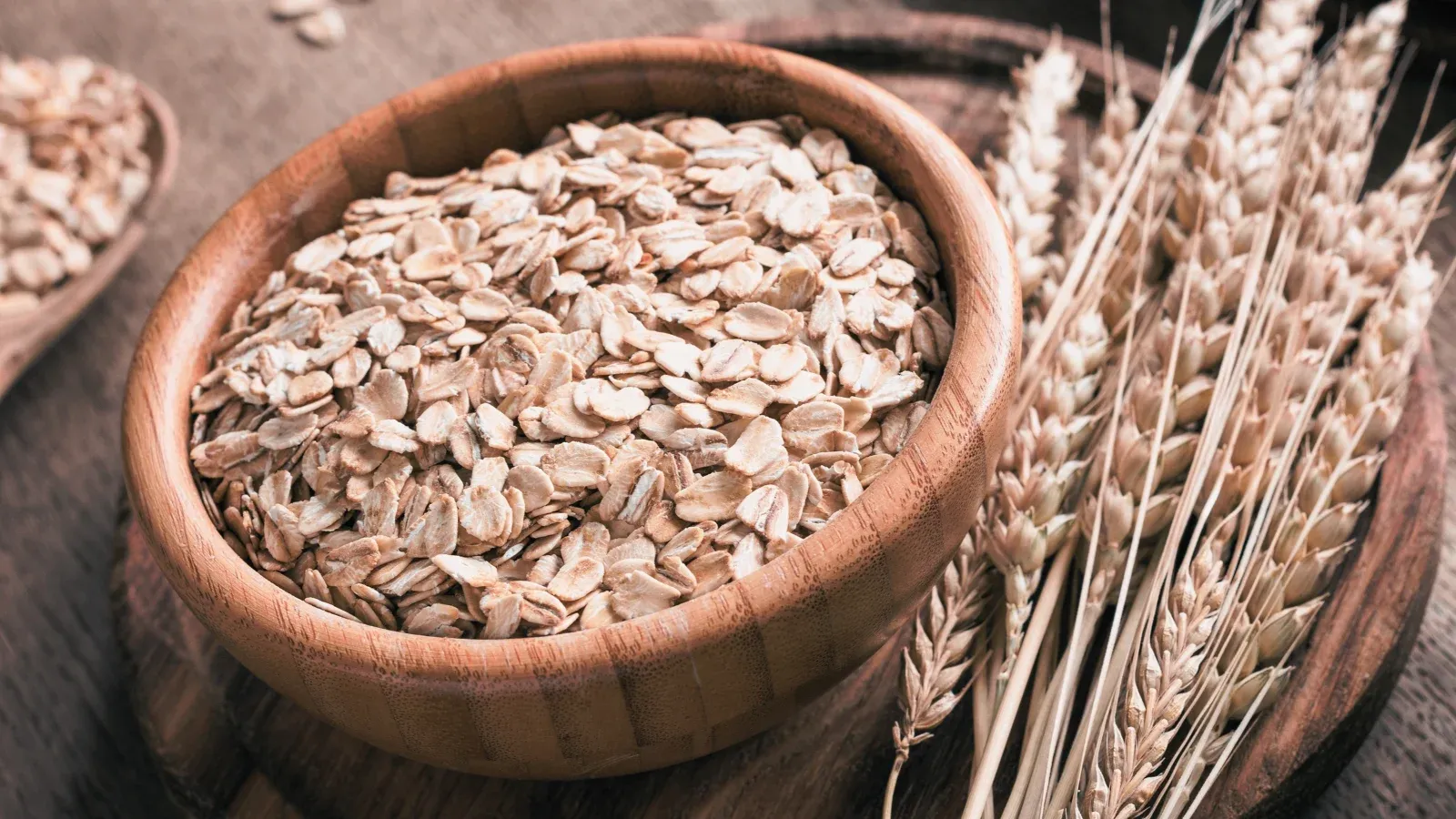
Somewhere between a blender recipe on TikTok and a grocery industry report, a bowl of oatmeal picked up a pharmaceutical nickname. A UK supermarket chain reported a 124% spike in sales of its oats this year, and credited the "nature's Ozempic" label, along with a poll of roughly 4,000 of its customers in which 64% said they actively choose foods like oats because they stay full longer. That is one chain in one country, so it would be a stretch to say the American oat aisle doubled. As a signal of what people are reaching for, though, it fits a pattern anyone who has watched the Ozempic conversation over the last few years will recognize, with the wellness world rushing to sell a food-shaped version of the drug.
The question I keep getting is whether the nickname holds up. It does in one narrow way, and it falls apart everywhere else.
What The Claim Gets Right
Oats are rich in beta-glucan, a soluble fiber that turns viscous in the gut and slows digestion. Researchers have pointed out that high-fiber foods can trigger the body's own release of GLP-1, the hormone that drugs like semaglutide imitate, and a recent study in mice fed high-fat, high-sugar diets found that beta-glucan supplements improved blood sugar and body composition, partly because gut bacteria turned the fiber into butyrate, a compound that stimulates GLP-1 release. The mechanism is real. It is also worth saying plainly that those were mice, and that mice are generous to every dietary hypothesis ever tested on them.
In people, the more modest version holds up well: a bowl of oats digests slowly, keeps blood sugar steadier than a pastry would, and tends to get a person through a morning without hunting for the office snack drawer.
Where The Comparison Falls Apart
Ozempic's active ingredient is built to stay active in the body for a week. The hormone it copies is not. Natural GLP-1 rises when we eat and is gone within a couple of hours, which is why a low-fiber breakfast can leave someone hungry again by lunch. Fiber gives that natural signal a better shot at doing its job, and it does not turn it into a drug. Calling oats "nature's Ozempic" is a bit like calling a cup of coffee nature's Adderall, in that both involve a real effect and a very different scale.
The viral smoothie version has its own problems. The original "Oatzempic" is half a cup of oats blended with water and lime juice, taken as a first meal. Dietitians who weighed in said there is no evidence it produces the same outcomes as GLP-1 drugs, that it lacks the protein and fat that keep a meal satisfying, and that for people with diabetes it can be risky. Blended oats and water is a small, lightly satisfying meal, and any fullness it provides tends to fade early.
What A Bowl Of Oats Is Actually Good For
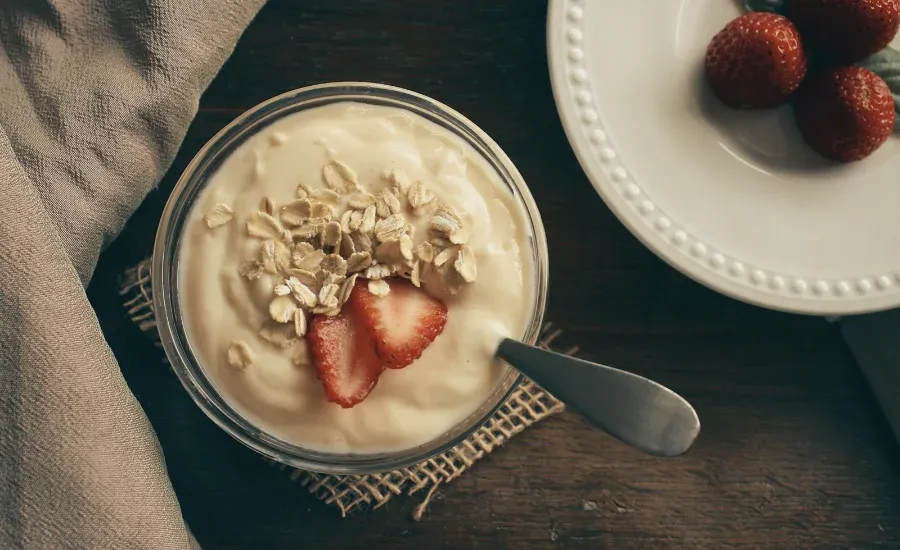
A bowl of oats is a very good breakfast with no pharmaceutical connection required. Steel-cut oats digest more slowly than the instant kind, so they suit a 9 AM meeting better than a packet stirred with hot water. Adding protein, whether Greek yogurt, eggs on the side or a spoonful of peanut butter, turns a carbohydrate with fiber into a meal that carries a person to lunch. A canister of oats and a tub of Greek yogurt from the regular grocery aisle do the same job as anything with a wellness label and a $14 price tag.
If you are on a GLP-1 medication, oats are a perfectly good food and not a replacement for anything. If you are managing blood sugar, check with your prescriber or dietitian before swapping a meal for a blended drink.
So the verdict is a split decision. The name is a myth and the bowl is real, which leaves oatmeal as the most honest thing in the whole trend.
This article is general nutrition information and does not constitute medical advice.