Streaming dashboards drop dozens of high-budget premieres every week, yet millions of viewers spend their evenings cueing up episodes they memorized a decade ago.
You scroll through algorithmically tailored carousels, pass prestige limited series featuring Oscar winners, and ultimately return to an eccentric mystery, an intricate period drama, or a razor-sharp British procedural. The television is on, dinner is eaten off a coffee table, and familiar opening credits fill the room with an almost physical sigh of relief.
This quiet retreat toward legacy catalogs is rarely an accident of passive habit.
Modern prestige television demands relentless cognitive vigilance. Current productions are compressed, hyper-serialized, and perpetually grim, filmed in desaturated palettes with whispering dialogue that requires subtitles to decipher. After ten hours of demanding professional decision-making, the human nervous system rarely craves an eight-episode exercise in bleak existential dread.
We return to proven television because its narrative architecture was engineered to be hospitable. These six comfort-watch classics prove why eccentric ensembles, deliberate pacing, and authentic world-building outshine the streaming churn every single autumn.
1. Twin Peaks (The Surreal Pacific Northwest Classic)
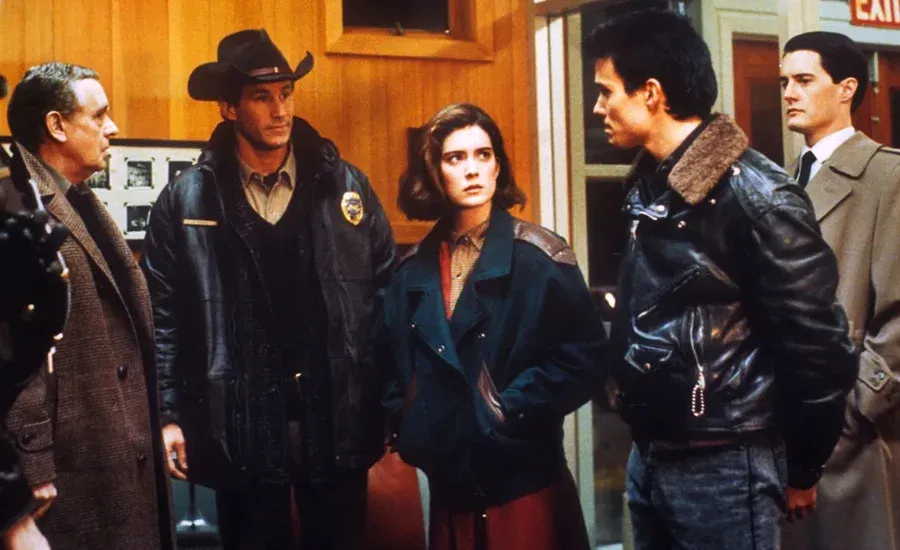
David Lynch and Mark Frost created a television landscape that remains the ultimate sensory gateway to autumn.
Set against misty Douglas firs, roaring waterfalls, cherry pie, and wood-paneled diners, the pilot alone establishes an unforgettable atmospheric baseline. The investigation into Laura Palmer’s death never rushes to deliver cheap procedural payoffs. It lingers on ambient sound design, haunting brass synthesizer scores, and eccentric Pacific Northwest characters who exist entirely on their own terms.
Rewatching the series offers a dreamlike escape that feels rich and grounded.
It balances unsettling, supernatural dread with the eccentric comfort of Agent Cooper’s boundless optimism and love for black coffee. Returning to the town of Twin Peaks feels like wrapping yourself in heavy flannel and stepping into a mystery that values atmosphere over modern algorithmic efficiency.
2. The Americans (The Cold War Domestic Thriller)
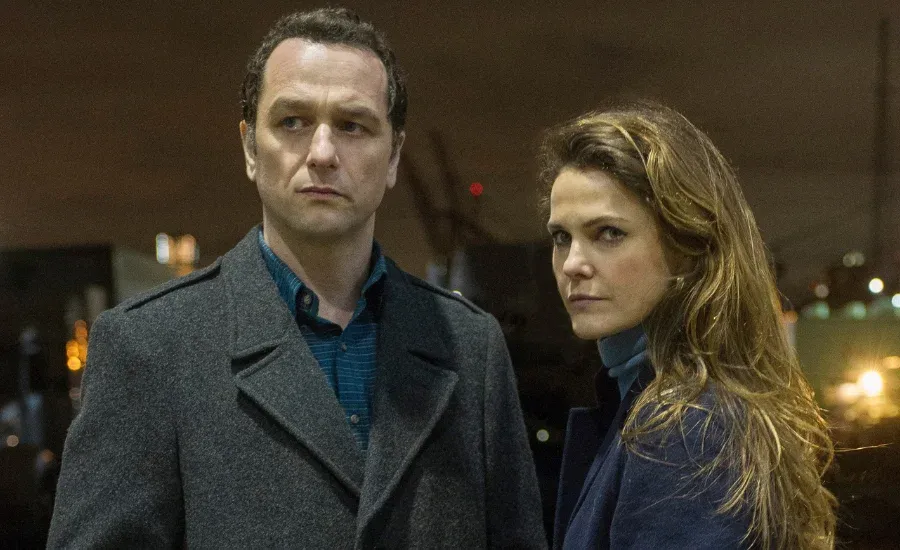
While marketed as an espionage drama, Joe Weisberg’s masterpiece is, at its core, one of the most perceptive studies of marriage and operational discipline ever put on screen.
Set across the chilly, gray autumns and winters of northern Virginia and suburban Washington, the world of Philip and Elizabeth Jennings is built on heavy wool overcoats, vintage sedans, analog wiretaps, and suburban kitchens. The stakes are lethal, yet the narrative tension is maintained through quiet conversations across dinner tables and late-night laundry folding in the basement.
The brilliance of revisiting the series lies in its uncompromising, deliberate patience.
Every operation unfolds through authentic tradecraft rather than theatrical computer graphics or sudden explosions. It is rigorous, intellectually mature, and emotionally devastating, giving you the pleasure of watching two master actors navigate profound moral compromise with understated poise.
3. Downton Abbey (The Architectural Heritage Escape)
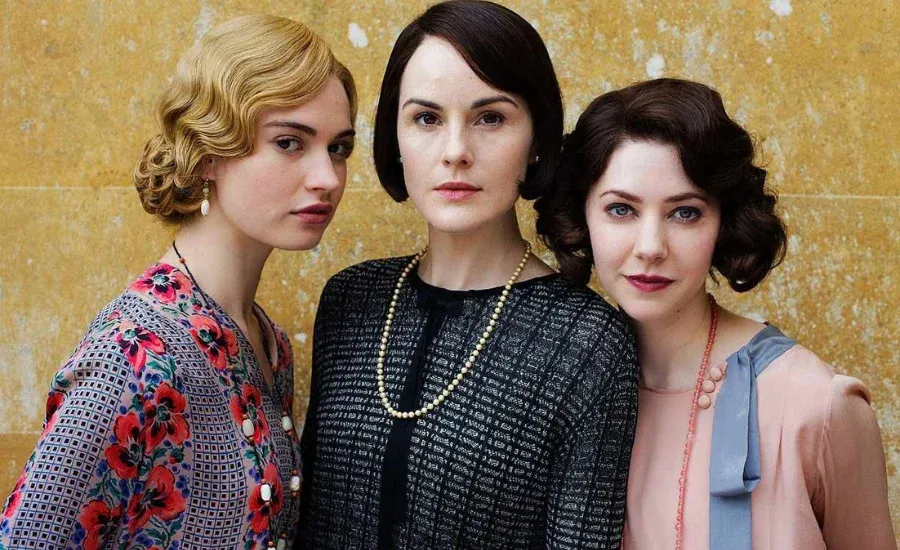
Julian Fellowes understood that high drama does not require dystopian terror; it simply requires rigid social architecture, impeccable tailoring, and high-stakes dinner service.
Set against the rolling countryside of Yorkshire, the estate functions as a visual sanctuary. The rustle of heavy tweeds on brisk morning shoots, crackling drawing-room hearths, polished silver, and crisp brass bells create an environment where the rules are absolute and every interaction carries weight. The conflicts are intimate and contained: an inheritance dispute, an ill-advised letter, or the seating arrangement for a visiting duke.
The show operates as an antidote to modern operational chaos.
Watching the disciplined choreography between the upstairs aristocracy and the downstairs household staff provides an oddly calming sense of order. The pacing is generous, Maggie Smith’s dry delivery is immaculate, and the seasonal changes across the estate feel like visual comfort food.
4. Only Murders in the Building (The Cozy Upper West Side Mystery)
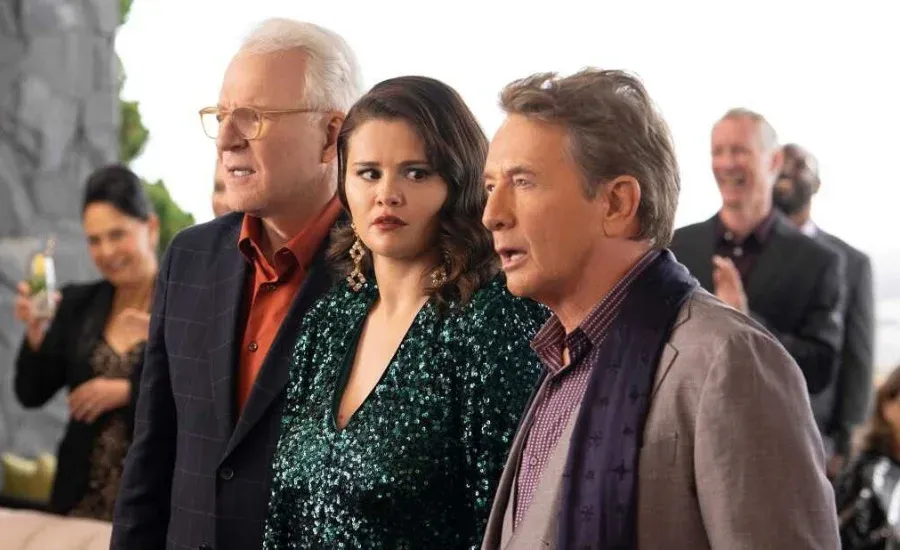
Among more contemporary productions, this Manhattan caper has rapidly cemented itself as an annual autumn ritual.
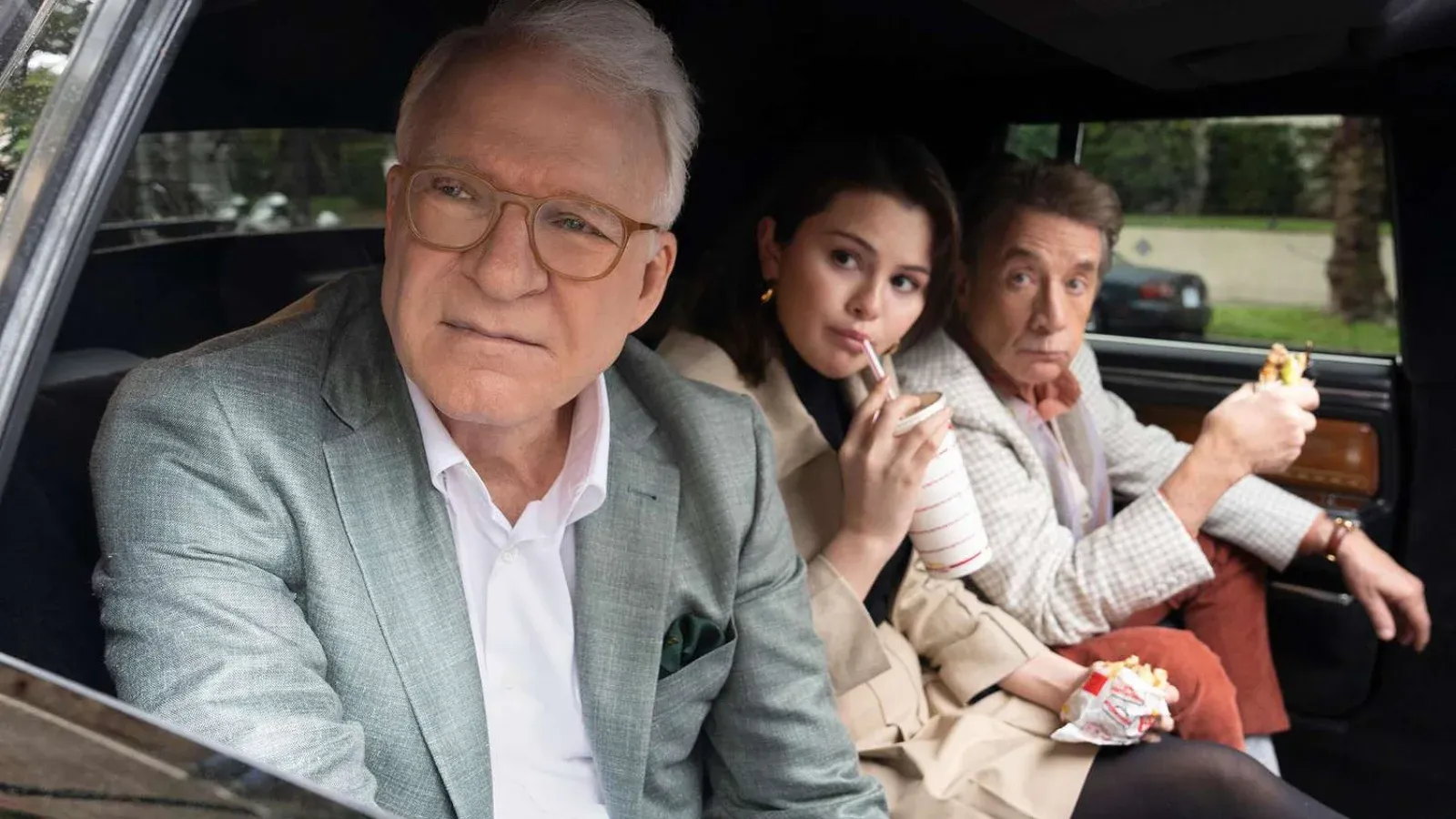
Set within the grand, pre-war limestone architecture of the fictional Arconia, the series is saturated in warm autumnal hues: burnt orange coats, mustard knits, gold elevator grilles, and rain-washed Upper West Side sidewalks. The comedic contrast between classic theatrical veterans and deadpan modernity gives the show an effortless, witty rhythm.
The murder mystery structure provides just enough narrative forward momentum to keep you engaged without inducing genuine anxiety.
It evokes the tactile pleasure of classic whodunits, celebrating old-school podcast tape recorders, secret passageways, and comfortable corner delis. It offers an affectionate tribute to New York in the fall that feels cozy and intellectually playful.
5. Sherlock (The Atmospheric London Procedural)
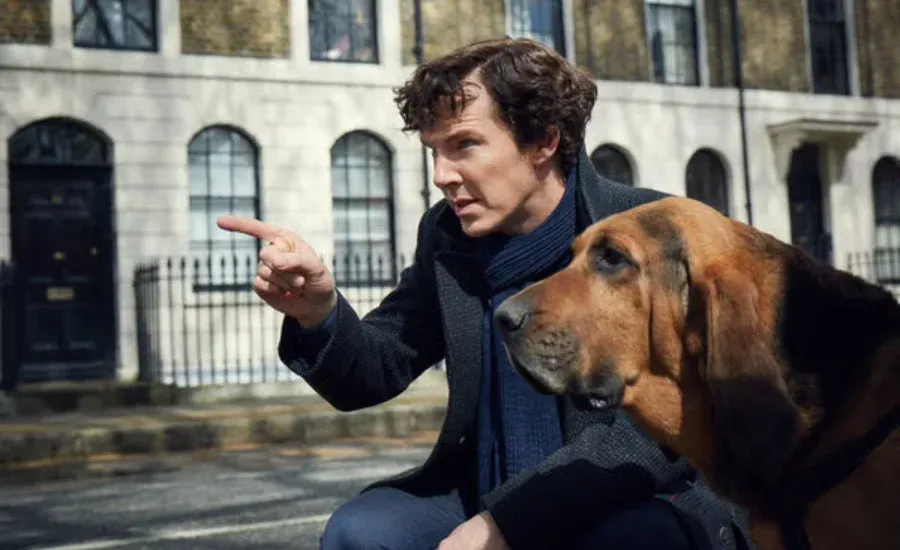
Steven Moffat and Mark Gatiss took Arthur Conan Doyle’s Victorian detective and transplanted him into contemporary London without losing a single drop of gothic atmosphere.
The visual language of the series is tailor-made for damp, overcast evenings: damp cobblestones, sweeping violin solos, heavy Belstaff coats with the collar turned up against the Thames mist, and the cluttered, firelit study of 221B Baker Street. The dynamic between Benedict Cumberbatch’s frantic deductions and Martin Freeman’s grounded military loyalty crackles with comedic timing and intellectual speed.
Revisiting feature-length episodes like "A Study in Pink" or "The Great Game" delivers cinematic scale without the hollow bloat of nine-figure franchise films.
The deductions are clever, the banter is fast-paced, and London itself becomes a moody, rain-soaked character that commands your full attention while keeping the outside world at bay.
6. Broadchurch (The Brooding Coastal Noir)
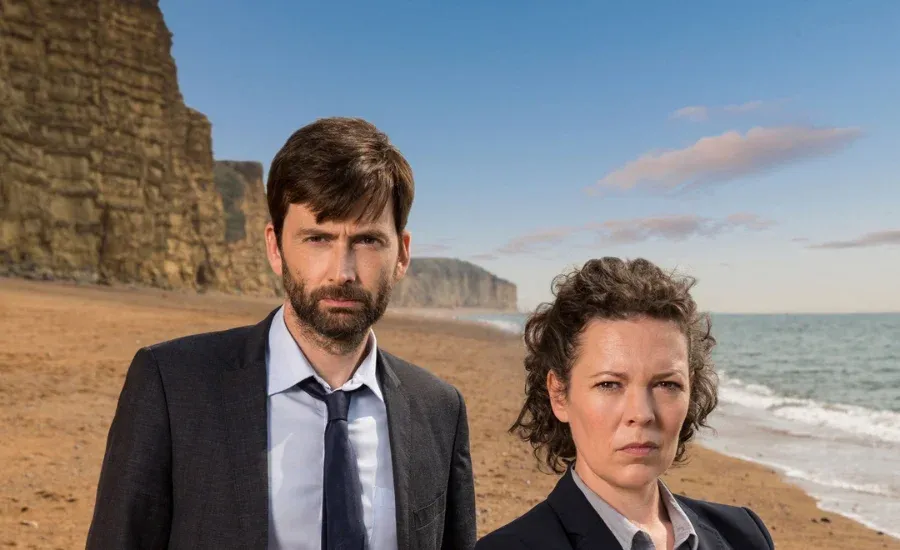
For viewers who find true relaxation in overcast coastal landscapes and deliberate British storytelling, Chris Chibnall’s seaside mystery remains unmatched.
Set along the towering Jurassic coast of Dorset, the production trades glossy studio lighting for windy sea cliffs, salt air, and faded knitwear. Olivia Colman and David Tennant deliver phenomenal, grounded performances as two mismatched detectives unraveling a tragedy inside a tight-knit coastal community where everyone carries an unspoken secret.
Unlike sensationalized American true-crime series that exploit trauma for quick adrenaline hits, Broadchurch treats grief, human frailty, and community grief with deep empathy and patience.
The cinematography captures the crisp, blustery beauty of the English coast in late autumn, and the melancholic, string-heavy score by Ólafur Arnalds anchors the entire narrative in quiet, contemplative beauty.