We demand a "why" because it makes the violence feel solvable. The true crime industrial complex has successfully packaged the worst days of people’s lives into digestible, aesthetic entertainment. We dissect crime scenes on our commutes and binge-watch trauma like it’s a Netflix original. But when confronted with the Christa Pike case, the aesthetic shatters.
The Christa Pike Crime: What She Actually Did
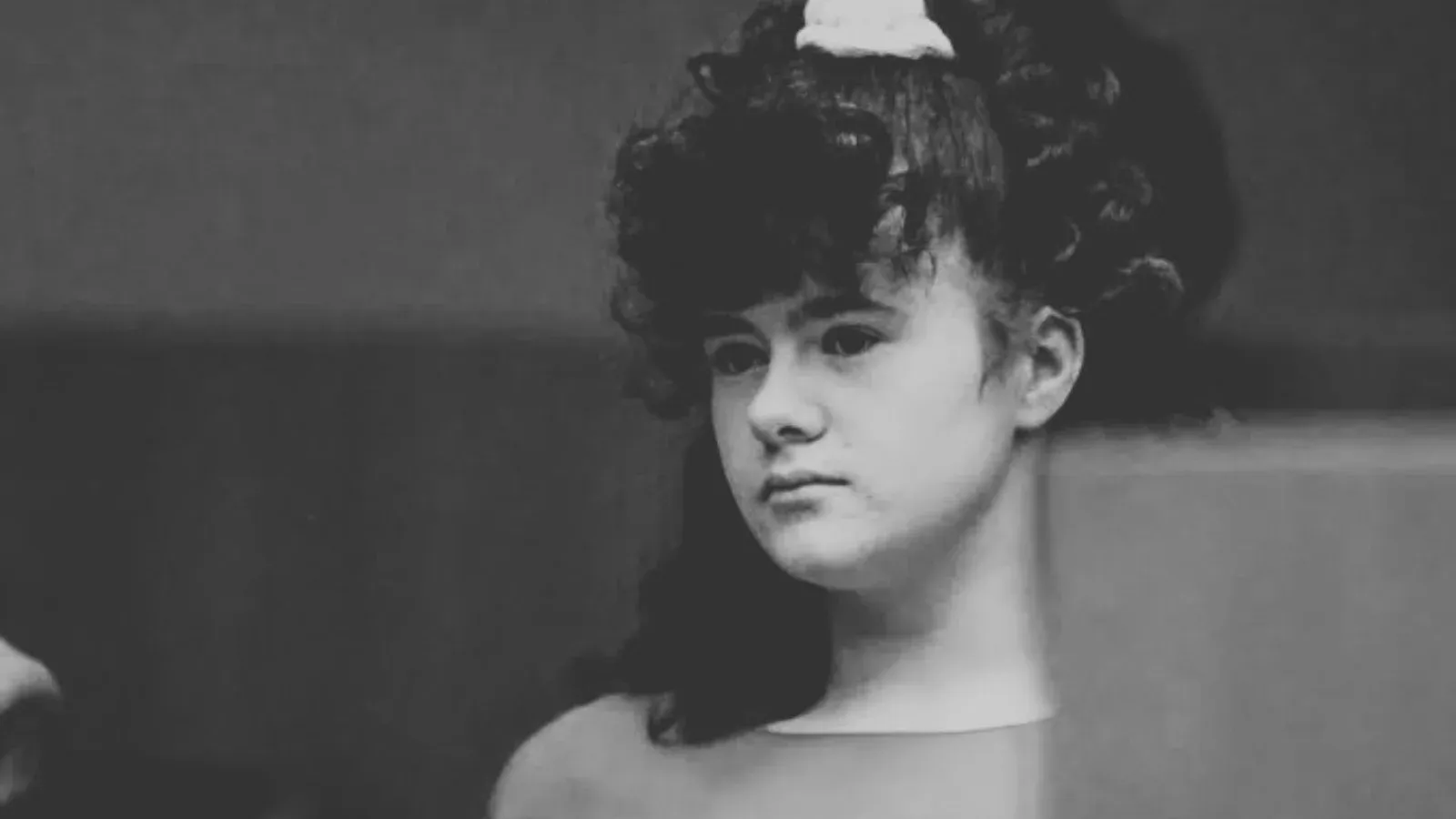
Before discussing the ethics of state-sanctioned death, the facts of the Christa Pike crime must be acknowledged. What did she do to become the only woman on Tennessee's death row? In 1995, at just 18 years old, Pike orchestrated a sadistic, premeditated murder, famously keeping a fragment of her victim's skull as a macabre souvenir.
There is no Christa Pike documentary that can soften this narrative. The internet likes criminals wrapped in a neat package—either secretly innocent, the victims of a catastrophic misunderstanding, or terrifyingly calculated masterminds. Pike is none of those things. She is unequivocally guilty, deeply unrepentant, and even attempted to strangle another inmate years later while incarcerated.
The Myth of the Perfect Villain

We are culturally conditioned to treat every tragedy as a puzzle. We are taught to dig up childhood trauma, systemic failures, and psychological fractures to make sense of the monstrous. Advocates pushing for Pike's life to be spared rightly point to the severe abuse she suffered as a child. But understanding context is not the same as granting an acquittal. Acknowledging that the system failed her as a child does not erase the staggering brutality of the crime she committed as an adult. Pike is not a cautionary tale of a broken justice system failing an innocent woman; she is a woman who committed an act of raw, visceral violence.
Our cultural relationship with murder is heavily gendered. We know exactly how to categorize male monsters. Society gives them stylized documentaries, analyzes their manipulative charm, and inadvertently turns them into cultural antiheroes. Female violence, however—especially when it is physical, bloody, and entirely uncalculated—makes society deeply uncomfortable. We expect women in true crime to play very specific roles: the grieving mother, the tragic victim, or the glamorous financial scammer. A teenage girl committing a horrific, hands-on murder shatters the cultural narrative. It forces the public to look at female brutality without a filter, without the protective lens of the "nurturer" archetype gone slightly awry.
Christa Gail Pike Today: The Machinery of Death
Because she doesn't fit the mold of the perfect victim, the state is preparing to do something it hasn't done to a woman in over 200 years. As we look at Christa Gail Pike today, awaiting her execution date, we are forced to watch the justice system strip away the suspense of our morbid curiosity. Executing a human being is not a triumphant act of justice or a dramatic season finale. It is a sterile, mechanical procedure. State-sanctioned death replaces the aesthetic of the crime with execution protocols, chemical injections, and carefully timed schedules. We are desperate to consume the darkness of the crime, but we avert our eyes when the state steps in, straps a woman to a gurney, and meticulously stops her heart.
The Pointless Bureaucracy of an Execution
Christa Pike does not deserve your sympathy, and defending her actions is impossible. But opposing the Christa Gail Pike execution shouldn't require a perfect, innocent victim to defend. You can look at a person who committed an act of staggering, irredeemable cruelty, and still hold the conviction that the state machinery of death is an archaic, futile exercise.
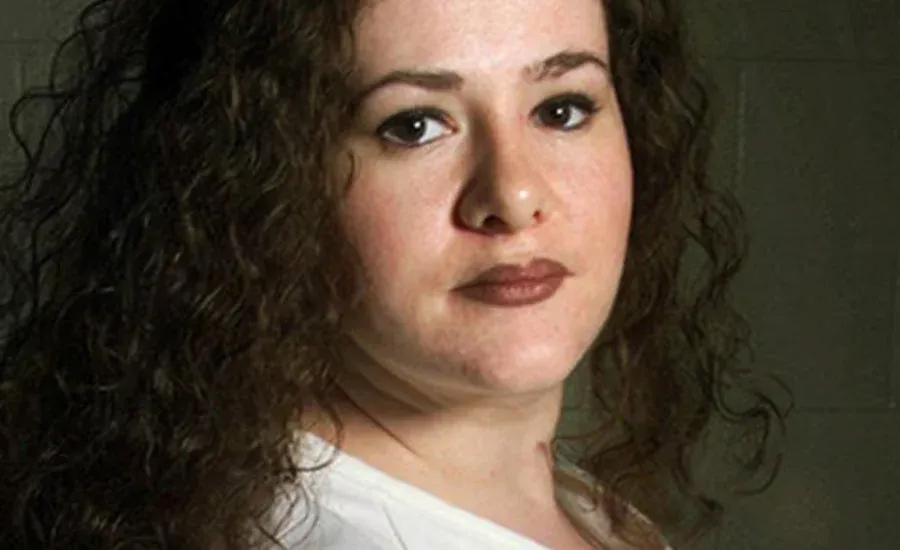
The death penalty does not undo the horror of the 1995 murder. It does not magically heal the family of the victim, nor does it correct the societal failures that created a violently abusive childhood for the perpetrator. It is simply a bureaucratic theater of power—a way for the state to answer human violence with its own meticulously documented violence.
When the mystery is gone, when there is no innocence to prove and no glamour to dissect, we are left with nothing but the ugliness of human cruelty. Answering that cruelty with a lethal injection solves absolutely nothing. It just adds another body to the ledger. And there is no podcast format in the world that can romanticize that reality.