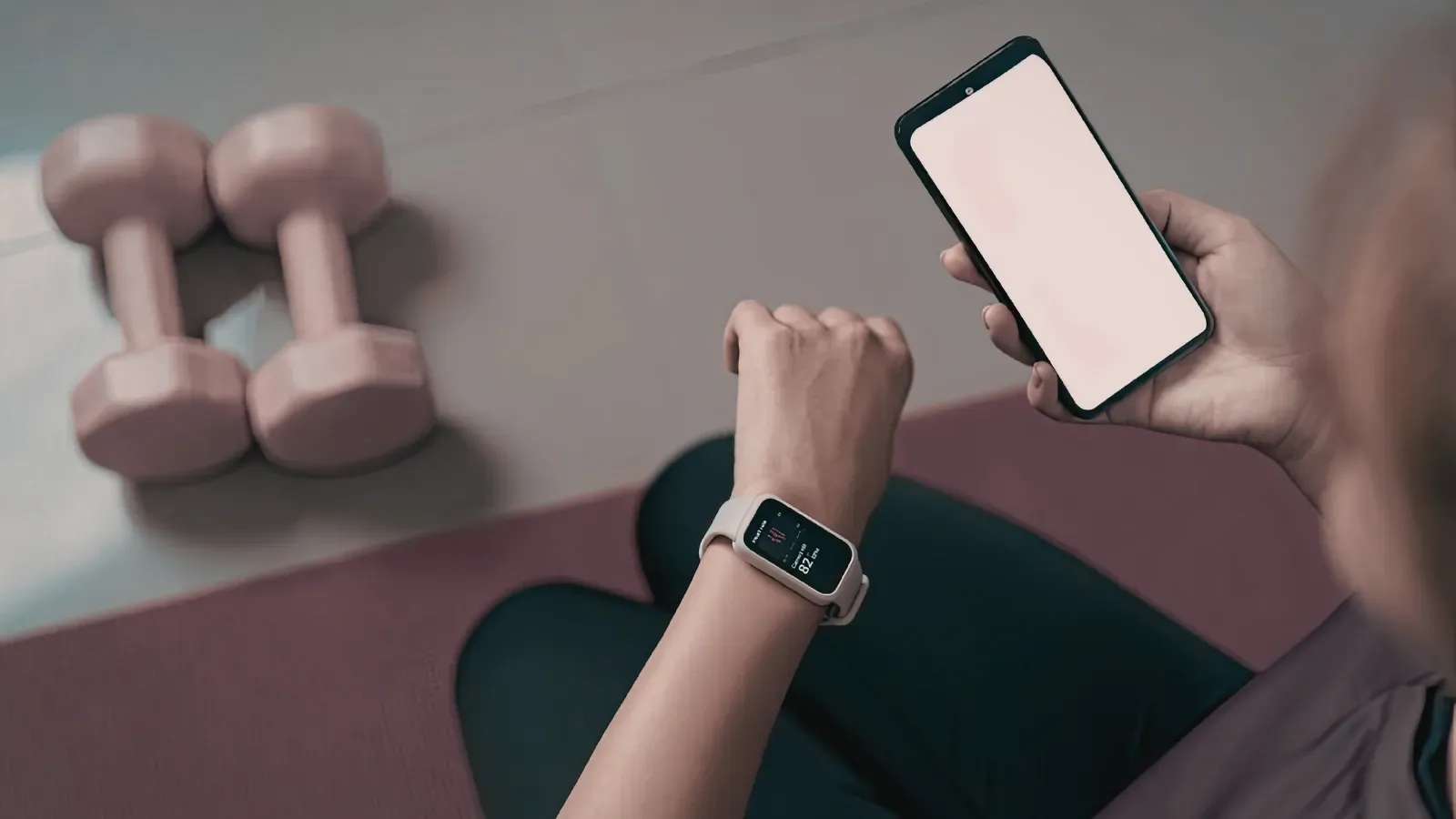
Step counts are the past. Heart rate is already old news. The wearable devices entering the mainstream wellness market in 2026 are doing something measurably different: they are tracking your brain-body connection in real time, generating data on emotional resilience, stress response, and sleep architecture that a fitness tracker was never designed to capture.
This is not biohacking territory anymore. It is clinical-adjacent technology reaching consumer price points, and for working women managing high-output professional lives, the data it generates is considerably more actionable than knowing you walked 8,000 steps.
Here is what neurofeedback actually is, what the new devices track, what the research says, and how to use the data without turning it into another source of anxiety.
What Neurofeedback Actually Is
Neurofeedback is a form of biofeedback that uses real-time information about brain activity to train the nervous system toward more regulated states. The original clinical applications were for conditions like ADHD, anxiety disorders, and PTSD, using EEG (electroencephalogram) technology to measure electrical activity in the brain and give the patient feedback to modulate it.
The consumer version is a simplified, non-clinical adaptation of that principle. The devices do not diagnose anything. They measure physiological proxies for nervous system state, most commonly heart rate variability (HRV), skin conductance, and, in the more advanced devices, frontal EEG signals, and translate that data into usable information about stress load, recovery quality, and emotional regulation capacity.
The important distinction is that consumer neurofeedback wearables are wellness tools, not medical devices. They provide data for self-awareness and behavioral adjustment. They are not treatment, they do not replace clinical care, and anyone experiencing significant mental health symptoms should work with a qualified professional, not a wearable.
The question is not whether your wearable can diagnose stress. It cannot. The question is whether it gives you information you can actually use.
What the New Devices Actually Track
The generation of wearables that dominated the market five years ago measured output: steps, calories, active minutes, and resting heart rate. Useful for baseline activity data, not particularly useful for understanding how your nervous system is performing under professional pressure.
The current generation measures the state. Specifically:
Heart Rate Variability (HRV): The variation in time between heartbeats. High HRV indicates a well-regulated nervous system with good recovery capacity. Low HRV indicates stress load, poor sleep recovery, or physiological strain. HRV is one of the most validated biomarkers in sports science and is increasingly used in occupational health research.
Stress Response Patterns: Devices like the WHOOP 5.0 and Garmin Fenix 8 use HRV and skin temperature data to generate a stress score across the day, not just during workouts. You can see when your nervous system was in a sustained stress response versus recovery mode.
Sleep Architecture: Not just hours slept, but time in REM, deep sleep, and light sleep. REM sleep is where emotional processing and memory consolidation happen. Deep sleep is where physical restoration occurs. The ratio matters considerably more than total hours.
Emotional Resilience Scores: The newer devices, particularly the Muse S and the Emotiv Insight, use frontal EEG signals to generate real-time data on focus, calm, and cognitive engagement. This is closer to true neurofeedback than HRV-based devices.
Recovery Readiness: Aggregate scoring that combines the above data points into a daily readiness number. WHOOP calls it Recovery Score. Oura calls it Readiness. The methodology differs by device, but the output is the same: a number that tells you how much your system has to give today.
The Brain-Body Connection Data That Matters for Working Women
The reason this data is particularly relevant for working women in demanding professional roles is that the physiological cost of high-pressure work is rarely visible in step counts or calorie burns. It shows up in HRV, sleep architecture, and stress response patterns that accumulate over a week.
Three data points are worth paying specific attention to:
HRV Trends Over Time
A single HRV reading means very little. A trend line over 30 days tells you whether your nervous system is adapting positively to your current workload or accumulating strain. A declining HRV trend over several weeks is a consistent physiological signal that something in the current load is not sustainable, regardless of how functional you feel subjectively.
The research on HRV and occupational stress is extensive. A meta-analysis in the journal Stress found that reduced HRV is significantly associated with occupational burnout, often appearing in the physiological data weeks before the subjective experience of burnout becomes apparent. Your body knows before you do.
REM Sleep Percentage
The relationship between REM sleep and emotional processing is well-established in sleep research. REM sleep is when the brain consolidates emotional memories, reduces the emotional charge of difficult experiences, and processes the social and interpersonal content of the day. Chronic REM disruption, which is reliably caused by alcohol, late-night screen exposure, and high cortisol, impairs emotional regulation the following day.
For working women managing interpersonal complexity, high-stakes decisions, and the cognitive demands of leadership, REM percentage is not a wellness metric. It is a performance metric.
Stress Response Timing
Most people assume their stress peaks during difficult meetings or deadline periods. The data frequently shows something different: stress responses that begin before the workday starts (anticipatory activation), or that remain elevated long after the working day ends (delayed deactivation).
Knowing when your nervous system actually activates and deactivates is actionable in a way that generic stress advice is not. If your device shows consistently elevated stress from 6am to midnight with no recovery windows, that is information you can act on.
The data does not tell you what to change. It tells you what is actually happening, which is a prerequisite for making any useful change.
What the Research Actually Says
Consumer neurofeedback and wearable stress monitoring are areas where the marketing significantly outruns the evidence base. A few things worth being clear about:
HRV as a measure of autonomic nervous system function is well-validated in clinical and research contexts. The consumer device implementations of HRV measurement vary in accuracy. A 2021 study in NPJ Digital Medicine compared HRV measurements from consumer wearables against clinical ECG measurements and found meaningful variation across devices, with optical heart rate sensors (used in most wrist-based devices) being less accurate than chest-strap monitors during active states.
EEG-based consumer devices like Muse S and Emotiv have a more limited research base in consumer applications. The underlying technology is clinically validated for neurofeedback in therapeutic contexts. The consumer implementations are simplified and less precise. They are useful for general state awareness, not clinical assessment.
Readiness and recovery scores are proprietary algorithms that differ by device and are not independently validated in the research literature in the way HRV is. They are useful as personal trend indicators, not as absolute measures.
The honest summary: the HRV data from reputable devices is meaningful if interpreted as a trend over time, not as a daily absolute. The sleep architecture data is directionally useful. The EEG-adjacent features are interesting and worth exploring, with appropriately calibrated expectations.
How to Use the Data Without It Becoming Another Source of Anxiety
There is a documented phenomenon called orthosomnia, first described in the Journal of Clinical Sleep Medicine in 2017, in which people become anxious about their sleep data to the degree that the anxiety impairs their sleep. The same pattern can develop with HRV and recovery scores.
Three guidelines for using wearable data productively:
Look at weekly trends, not daily numbers. A single low HRV day or one night of poor REM sleep is not meaningful. A declining trend over two weeks is. Set a weekly review rather than checking your scores every morning.
Use the data to identify patterns, not to grade yourself. The purpose is to connect lifestyle inputs to physiological outputs. If your HRV drops consistently after late alcohol consumption or a specific type of high-stakes meeting, that is useful information. If you are using the number to evaluate your worth, that is not the technology's purpose.
Pair data with context. A low recovery score during a demanding project period is expected. The data is most useful when it diverges from what you would predict, not when it confirms what you already know.
The Bottom Line
Brain and body connection wearables represent a meaningful shift in what consumer health technology can tell you. For working women managing high cognitive and emotional loads, the data on HRV trends, sleep architecture, and stress response timing is more relevant to actual performance than anything a step counter was designed to capture.
Use the technology with calibrated expectations: the HRV data is the most validated, the sleep architecture data is directionally useful, and the EEG-adjacent features are worth exploring with appropriate skepticism. The goal is trend awareness and pattern recognition, not daily score optimization.
Your wearable cannot tell you what to change. It can tell you what is actually happening. In a professional life where the cost of sustained overload is usually invisible until it is not, that information has practical value.
DISCLAIMER
This article is for informational purposes only and does not constitute medical advice. The wearable devices discussed are consumer wellness tools, not medical devices. If you are experiencing symptoms of burnout, anxiety, or sleep disorders, please consult a qualified healthcare professional.