

Do you take care of your nails as you should?
Our nails, apart from a magnificent canvas for relentless creative efforts, also play an important part in protecting our bodies and health. Even though nails seem seemingly simple, they serve several important functions. They protect the sensitive tips of our fingers and toes, which are packed with nerves, which assists in preventing injuries. Our nails also help in the protection of the nail bed from infections. Also, nails provide a firm backing for our fingertips which allows us to better sense touch and they also provide counter pressure, which helps with fine motor skills.
So, we can presume from the above that our nails are not just about beauty and aesthetics.
However, it’s not uncommon for nails to split, peel, or break, something that we is known as brittle nails. Brittle nails are those frustrating, easily broken, and often unsightly talons that can undermine even the most polished look. If you're constantly battling splits, peeling, and a general lack of nail fortitude, you're far from alone. According to Harvard Medical School, brittle nails are very common, occurring in 27% of women. This common beauty woe affects countless women, and understanding the root cause is the first step towards achieving strong, healthy nails.
But what exactly are brittle nails?
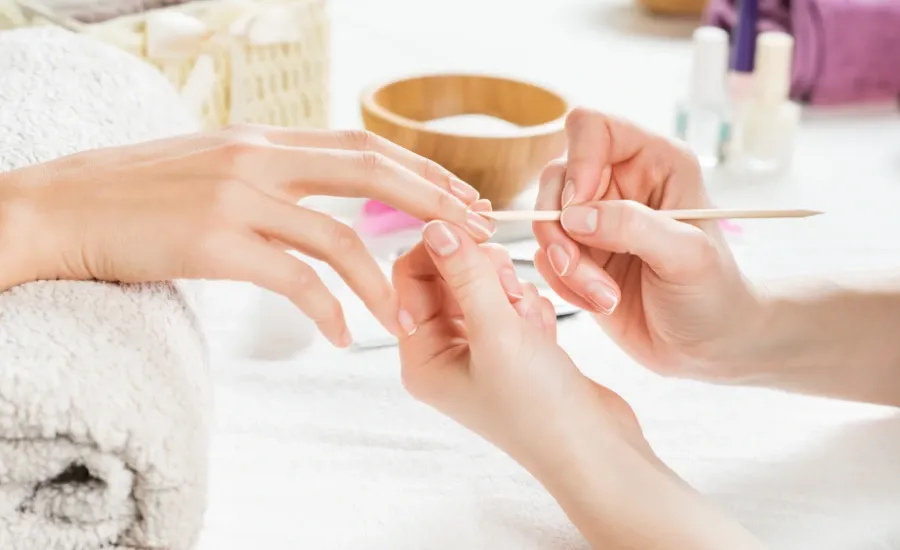
Brittle nails, medically known as onychoschizia, are characterized by nails that are thin, weak, and prone to splitting or peeling. They can be either dry and brittle (breaking easily) or soft and brittle (bending and tearing easily). While seemingly superficial, these nail issues can be a sign of underlying factors, both internal and external.
What are the causes of brittle nails?
If you are wondering “Why are my nails brittle?” you should know that there are several factors that cause brittle nails, either environmental, lack of proper manicuring or vitamin deficiencies. Sometimes, brittle nails can be caused by health issues. Indicatively, the factors that impact our nail health are:
Environmental Factors
Frequent handwashing, exposure to harsh chemicals, as well as dry, cold weather can strip nails of their natural oils, leading to dehydration and brittleness. Cleaning products (bleach, detergents), nail polish remover (especially acetone-based), and other chemicals can dissolve the keratin in nails, which is the protein that provides strength and structure. This weakens the nails, making them brittle and susceptible to damage. Also, low humidity in cold weather draws moisture away from the skin and nails, causing dehydration. This lack of moisture makes nails rigid and brittle, increasing the risk of breakage.
Over-Manicuring
Even though a good manicure can boost our mood and self-confidence, excessive use of nail polish, acrylics, or gel manicures, especially when improperly removed, can weaken the nail plate. While nail polish itself isn't inherently damaging, frequent application and removal, especially with harsh removers, can dry out the nail plate. Also, darker or red nail polishes can sometimes stain the nail plate. Gel and acrylic nails are a very elegant and effective way to have good-looking nails for a longer period of time but these manicures involve bonding artificial materials to the natural nail, which can create stress and weaken the nail plate over time. Also, the filing and buffing required for application can thin the nail plate and the chemicals used in these processes can also be harsh. The biggest caveat though is improper removal: this is where the most significant damage often occurs. Picking or peeling off acrylics or gel polish removes layers of the nail plate, leaving it thin, weak, and prone to splitting.
Nutritional Deficiencies
Deficiencies in essential vitamins and minerals, such as biotin, iron, and zinc, can manifest as brittle nails. Biotin plays a key role in keratin production, and keratin is the primary protein that makes up nails. A biotin deficiency can lead to thin, brittle nails that are prone to splitting. Iron is essential for carrying oxygen to cells throughout the body, including those in the nail matrix. Iron deficiency can result in pale, thin, and concave (spoon-shaped) nails. Zinc is involved in cell growth and division, which are crucial for healthy nail growth. A zinc deficiency can cause nails to become brittle and develop white spots. Also, [protein](Implementing lazy loading for AdSense ads can delay the loading of ads until they're about to enter the viewport.
This can significantly improve initial page load times), magnesium and vitamin B12 play an important role in nail structure.
Aging
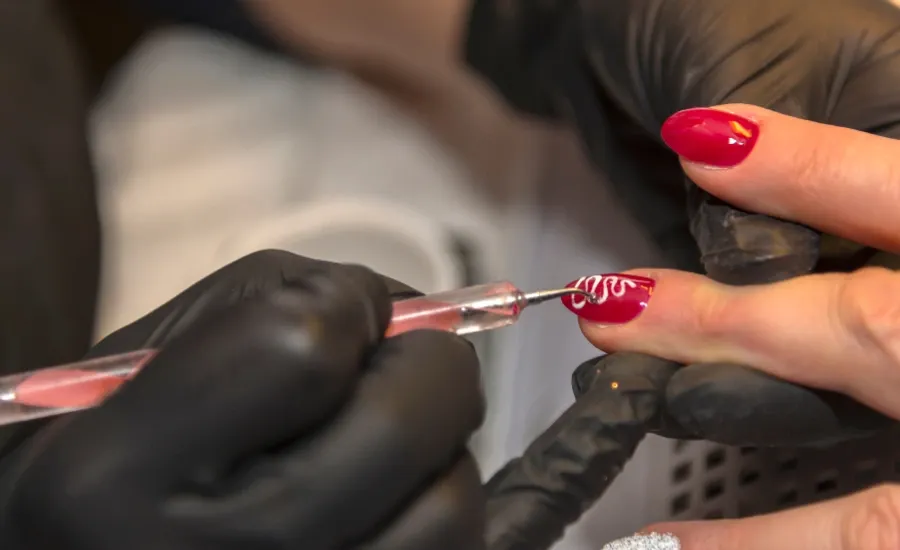
As we age, the rate of cell turnover slows down, including the cells that produce keratin in our nails. This results in a thinner nail plate, making nails more delicate and prone to breakage. Like our skin, our nails lose moisture as we age. Reduced oil production and decreased circulation contribute to dryness, leading to brittle nails that split and peel. The rate of nail growth naturally decreases with age. This means that any damage to the nail plate takes longer to repair.
Underlying Medical Conditions
In some cases, brittle nails can be a symptom of thyroid problems, psoriasis, or other health issues. You're right to point out that brittle nails can sometimes be a red flag for underlying medical issues. Both hypothyroidism (underactive thyroid) and hyperthyroidism (overactive thyroid) can affect nail health. Hypothyroidism can lead to slow nail growth and brittle, dry nails. Hyperthyroidism can also cause nail changes, though they may vary. Psoriasis is a skin condition that can also affect the nails, causing pitting, discoloration, and brittleness. Nail psoriasis can sometimes be mistaken for a fungal infection.
Nail treatment & prevention for brittle nails
Fortunately, there are several effective strategies to combat and cure brittle nails and restore their strength and resilience.
Just like your skin, your nails need moisture to thrive. Apply a high-quality hand cream and cuticle oil multiple times a day, especially after handwashing. Look for products containing ingredients like shea butter, jojoba oil, and vitamin E that are extremely moisturizing and highly absorbed.
A very good solution to help your brittle is to soak your nails in warm olive oil or coconut oil for 10-15 minutes a 2-3 times a week. This technique works as a deep conditioning treatment can significantly improve nail hydration—just like a hair mask.
Whereas it’s a bit inconvenient and not always practical, gloves can help you cure your britlle nails. Wear gloves when doing household chores or working with harsh chemicals to protect your nails from further dehydration.
Gentle nail care practices
If you experience brittle nails may it’s time to reconsider your nail care practices or give your nails a break from excessive manicure. Avoid using nail polish remover containing acetone, as it can be extremely drying and opt for acetone-free formulas.
While taking care of your nails, focus on filing your nails in one direction, using a fine-grit file, to prevent splitting. If your nails are extremely brittle maybe a glass file could be more tender for your nails.
Limit the use of artificial nails and gel manicures, and when you do indulge, ensure they are applied and removed by a technician. Never peel off nail polish or artificial nails, as tempting as it is sometimes, as this can damage the nail plate.
Hydration comes from within. Water is undeniably the most effective beauty elixir. Drink plenty of water throughout the day because hydration is vital for your entire body, and nails are no exception.
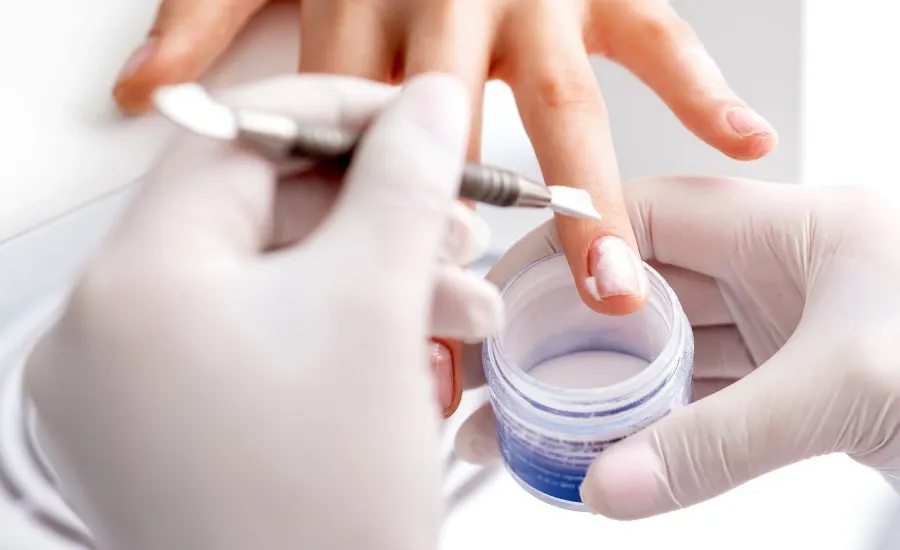
If you are looking for a more intensive treatment and your brittle nails keep getting worse, may you should consider using nail hardening products. These products can create a protective barrier on the nail surface, preventing breakage and splitting. Nail polishes for brittle nails can strengthen your nails and also serve as a base coat for the rest of your manicure. Keratin is a protein that makes up the nail structure; keratin-based nail strengtheners can help to reinforce brittle nails.
However, if your brittle nails are accompanied by other symptoms, such as redness, swelling, or changes in nail color, or if home remedies are ineffective, maybe it’s time to pay a visit to your dermatologist. They can diagnose any underlying medical conditions and recommend appropriate treatments. For instance, you may need some supplements for brittle nails or more specialized treatment.
In order to repair brittle nails, you should treat your nails as your treat the rest of your body. Incorporate nail care techniques in your daily beauty and skincare routine and make sure that you are gentle with them.