
Summer sun, sea salt, chlorine, heat styling, coloring—our hair takes a beating. By the time fall arrives, many of us are left with strands that feel more like straw than silk. The good news? The solution to damaged, dry, or dull hair might already be sitting in your kitchen.
Homemade hair masks have been used for centuries across cultures—long before the beauty industry convinced us we needed products with 47 unpronounceable ingredients. Eggs, honey, olive oil, avocado, yogurt—these natural ingredients contain proteins, fatty acids, vitamins, and humectants that genuinely nourish hair. And unlike expensive salon treatments, they cost almost nothing.
After testing dozens of recipes, we've compiled the ones that actually work—along with the science behind why they work and guidance on which mask suits your specific hair type.
Why DIY Hair Masks Actually Work
Before diving into recipes, it helps to understand what makes these ingredients effective:
Eggs are rich in protein, which hair is primarily made of (keratin). The proteins in eggs can temporarily fill in gaps in damaged hair cuticles, making strands feel smoother and stronger. Egg yolks also contain fatty acids and vitamins A, D, and E that nourish the scalp.
Olive oil penetrates the hair shaft more effectively than many other oils due to its molecular structure. It's rich in oleic acid and vitamin E, which moisturize and protect hair from damage. It also helps smooth the cuticle, reducing frizz and adding shine.

Honey is a natural humectant—it draws moisture from the air into your hair. It also contains antioxidants and has natural antibacterial properties that can benefit scalp health. Plus, it helps seal moisture into the hair shaft.
Coconut oil has a unique ability to penetrate the hair shaft and reduce protein loss. Studies have shown it's more effective at this than mineral oil or sunflower oil. It's particularly beneficial for preventing damage from grooming and chemical treatments.
Avocado is loaded with healthy fats, vitamins B and E, and natural oils that intensely moisturize dry hair. It also contains biotin, which promotes hair growth and strength.
Yogurt contains lactic acid, which gently cleanses the scalp and removes buildup. It also has protein and fat that condition hair, plus probiotics that may support scalp health.
Banana is rich in potassium, natural oils, and vitamins that soften hair and protect its natural elasticity, helping prevent breakage and split ends.
Know Your Hair Type First
Not all masks work for all hair types. Using the wrong one can leave oily hair greasier or weigh down fine hair. Here's a quick guide:
Dry or damaged hair: Look for masks with oils (olive, coconut, avocado), egg yolks, honey, and banana. These provide intense moisture and help repair the hair cuticle.
Oily hair: Stick to lighter ingredients like egg whites (protein without fat), yogurt, lemon juice, or apple cider vinegar. Avoid heavy oils or use them only on the ends.
Fine or limp hair: Go easy on oils, which can weigh hair down. Egg whites, yogurt, and honey work well. Use smaller quantities and focus on mid-lengths to ends.
Color-treated hair: Avoid lemon juice or apple cider vinegar, which can strip color. Opt for moisturizing masks with coconut oil, avocado, or honey to counteract the drying effects of coloring.
Curly or coily hair: Embrace the heavier, more moisturizing masks—avocado, coconut oil, banana, and shea butter. Curly hair tends to be drier because natural oils have a harder time traveling down the spiral shape.
1. Classic Egg and Olive Oil Mask
Best for: Dry, damaged, or brittle hair
This is the workhorse of DIY hair masks—simple, effective, and using ingredients you almost certainly have on hand. The egg provides protein to strengthen hair while olive oil delivers deep moisture.
Ingredients:
1 egg (whole egg for normal hair, yolk only for dry hair, white only for oily hair)
2 tablespoons olive oil
1-2 tablespoons cold water to thin the mixture
Instructions:
Whisk the egg and olive oil together in a bowl. Add cold water (never hot—it will cook the egg) until you reach a consistency that spreads easily. Apply to damp hair from roots to ends, massaging gently into the scalp. Leave for 15-20 minutes, then rinse thoroughly with lukewarm water and shampoo.
Pro tip: Olive oil is stubborn to wash out. Apply a small amount of shampoo to your hair before wetting it for easier removal.
2. Deep Conditioning Honey, Egg, and Olive Oil Mask
Best for: Very dry, sun-damaged, or heat-damaged hair
Adding honey to the classic egg and olive oil mask creates an even more intensely moisturizing treatment. The honey acts as a humectant, drawing additional moisture into the hair shaft.
Ingredients:
1 egg (yolk only for extra dry hair)
2 tablespoons olive oil
1 tablespoon raw honey, slightly warmed to make it easier to mix
Instructions:
Mix all ingredients until smooth. Apply to damp hair, focusing on mid-lengths and ends (the most damaged areas). Cover with a shower cap or plastic wrap, then wrap a warm towel around your head—the heat helps ingredients penetrate. Leave for 20-30 minutes, then rinse with lukewarm water and shampoo twice to remove all residue.
3. Banana, Yogurt, and Honey Smoothie Mask
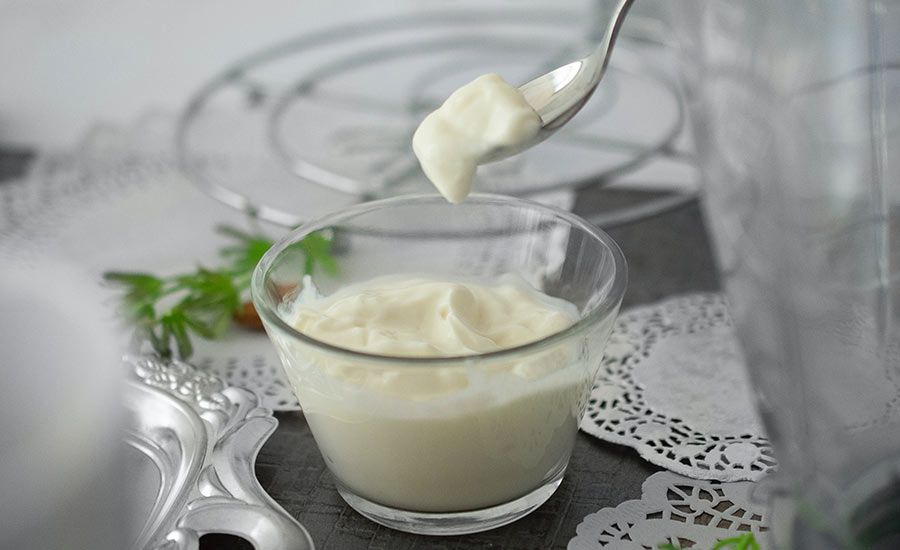
Best for: Dry, frizzy, or brittle hair that needs softening
This mask smells good enough to eat—and it works beautifully on hair that's lost its softness. The banana provides potassium and natural oils, yogurt adds protein and gentle cleansing, and honey seals in moisture.
Ingredients:
1 ripe banana (very ripe is best—more sugars and easier to mash)
2 tablespoons plain yogurt (full-fat works best)
1 tablespoon honey
Instructions:
Mash the banana thoroughly—and we mean thoroughly. Any chunks will be a nightmare to wash out. Blend in the yogurt and honey until completely smooth. Apply to damp hair, cover with a shower cap, and leave for 15-20 minutes. Rinse very thoroughly; banana can be sticky.
Pro tip: Use a blender for a truly smooth consistency. Trust us on this one.
4. Pure Coconut Oil Deep Treatment
Best for: Extremely dry, chemically treated, or damaged hair
Sometimes, simple is best. Coconut oil on its own is one of the most effective hair treatments available—scientific studies have confirmed it penetrates the hair shaft better than other oils and significantly reduces protein loss.
Ingredients:
2-4 tablespoons virgin coconut oil (depending on hair length and thickness)
Instructions:
Warm the coconut oil until just melted (it liquefies at about 24°C/76°F). Apply to dry hair, starting at the ends and working up—be sparing at the roots if you have oily hair. For maximum benefit, leave on for several hours or even overnight (protect your pillow with a towel). Shampoo twice to remove completely.
Pro tip: For an overnight treatment, braid your hair after applying the oil to avoid mess and ensure even distribution.
5. Avocado and Olive Oil Intensive Moisture Mask
Best for: Very dry, coarse, curly, or coily hair
Avocado is nature's deep conditioner. Packed with healthy fats, vitamins E and B, and biotin, it delivers intense moisture that's perfect for hair types that need extra hydration.
Ingredients:
1 ripe avocado
2 tablespoons olive oil
1 tablespoon honey (optional, for extra moisture)
Instructions:
Mash the avocado until completely smooth (again, a blender helps). Mix in the olive oil and honey. Apply generously to damp hair, focusing on the driest areas. Cover and leave for 20-30 minutes. Rinse thoroughly and shampoo.
6. Apple Cider Vinegar Clarifying Rinse
Best for: Oily hair, product buildup, or dull hair that needs shine
Not technically a mask, but essential for hair care. Apple cider vinegar removes product buildup, balances scalp pH, and smooths the hair cuticle for incredible shine. Use it after shampooing in place of conditioner, or after a deep conditioning mask.
Ingredients:
2 tablespoons apple cider vinegar
1 cup cool water
Instructions:
Mix vinegar and water in a bottle or jug. After shampooing (and conditioning if you wish), pour the mixture over your hair, working it through from roots to ends. Leave for 1-2 minutes, then rinse with cool water. The vinegar smell disappears once your hair dries.
Caution: Don't use on color-treated hair—the acidity can strip color.
7. Yogurt and Lemon Scalp Treatment
Best for: Oily scalp, dandruff, or fine hair
This lightweight mask is perfect for oily hair that still needs conditioning. The yogurt provides protein and gentle cleansing without heaviness, while lemon juice helps balance oil production and adds shine.
Ingredients:
3 tablespoons plain yogurt
1 tablespoon fresh lemon juice
Instructions:
Mix yogurt and lemon juice until smooth. Apply to damp hair, massaging into the scalp. Leave for 15 minutes, then rinse thoroughly and shampoo lightly. Follow with conditioner on ends only if needed.
Caution: Lemon juice can lighten hair slightly with repeated use and sun exposure. Avoid if you have color-treated hair or don't want any lightening effect.
8. Overnight Repair Mask for Severely Damaged Hair
Best for: Severely damaged, over-processed, or extremely dry hair
When your hair needs serious rescue, this intensive overnight treatment combines multiple nourishing ingredients for maximum repair.
Ingredients:
2 tablespoons coconut oil
1 tablespoon olive oil
1 tablespoon honey
1 egg yolk
Instructions:
Warm the oils slightly and mix all ingredients until smooth. Apply to dry hair, concentrating on the most damaged areas (usually mid-lengths and ends). Braid hair loosely, cover with a shower cap, and sleep on a towel-covered pillow. Shampoo thoroughly in the morning—you may need two washes.
Tips for Best Results
-Start with clean or damp hair. Most masks work best on freshly washed, towel-dried hair. Product buildup can prevent ingredients from penetrating.
-Use heat to boost absorption. Cover your hair with a shower cap, then wrap a warm towel around your head. The heat opens the hair cuticle, allowing ingredients to penetrate more deeply.
-Never use hot water with eggs. Hot water will literally cook the egg in your hair, creating a messy, difficult-to-remove situation. Always rinse egg-based masks with lukewarm or cool water.
-Adjust quantities for your hair length. The recipes given are for medium-length hair. Double for very long or thick hair; halve for short hair.
-Don't overdo it. Using masks too frequently can lead to protein overload (making hair stiff and brittle) or greasiness. Once a week is enough for most people; once every two weeks for oily hair.
-Mix fresh each time. These natural ingredients don't contain preservatives. Make only what you'll use immediately.
-Be patient. Unlike commercial products designed to coat hair with silicones for instant smoothness, natural masks work more gradually. Give it 3-4 treatments before expecting dramatic results.
Frequently Asked Questions
How often should I use a hair mask?
For most hair types, once a week is ideal. If your hair is very dry or damaged, you can use a moisturizing mask twice a week. If your hair is oily or fine, stick to every 10-14 days to avoid weighing hair down or causing buildup.
Can I leave a hair mask on overnight?
Oil-based masks (coconut oil, olive oil) are safe to leave overnight and can be very effective. However, avoid leaving protein-heavy masks (eggs) on for more than 30 minutes, as too much protein can make hair stiff and brittle. Always cover your hair and protect your pillow.
Should I apply hair mask to wet or dry hair?
Most masks work best on damp, towel-dried hair—wet enough to help spread the product but not dripping. However, oil-only treatments (like pure coconut oil) can be applied to dry hair for deeper penetration, especially for overnight treatments.
Why does my hair feel worse after using a hair mask?
This usually happens for one of three reasons: protein overload (too many protein-rich treatments), not rinsing thoroughly enough (residue weighs hair down), or using the wrong mask for your hair type (heavy oils on already oily hair). Try switching to a lighter mask or clarifying with apple cider vinegar.
Do DIY hair masks really work as well as salon treatments?
For basic moisturizing and conditioning, yes—natural ingredients like coconut oil, eggs, and honey have been scientifically shown to benefit hair. However, salon treatments may use specialized ingredients or technologies (like keratin treatments) that DIY masks can't replicate. For regular maintenance, DIY masks are excellent and much more affordable.
Can hair masks help with hair growth?
Hair masks primarily improve the condition of existing hair rather than stimulating new growth. However, by reducing breakage and keeping hair healthy, masks can help you retain length. Some ingredients like coconut oil and castor oil are believed to support scalp health, which may indirectly support healthy hair growth.
How do I get coconut oil out of my hair?
Apply shampoo to your hair before wetting it—the shampoo will bind to the oil better when not diluted by water. Lather and rinse, then shampoo again normally. You may need a third wash for very heavy applications. Using warm (not hot) water also helps dissolve the oil.