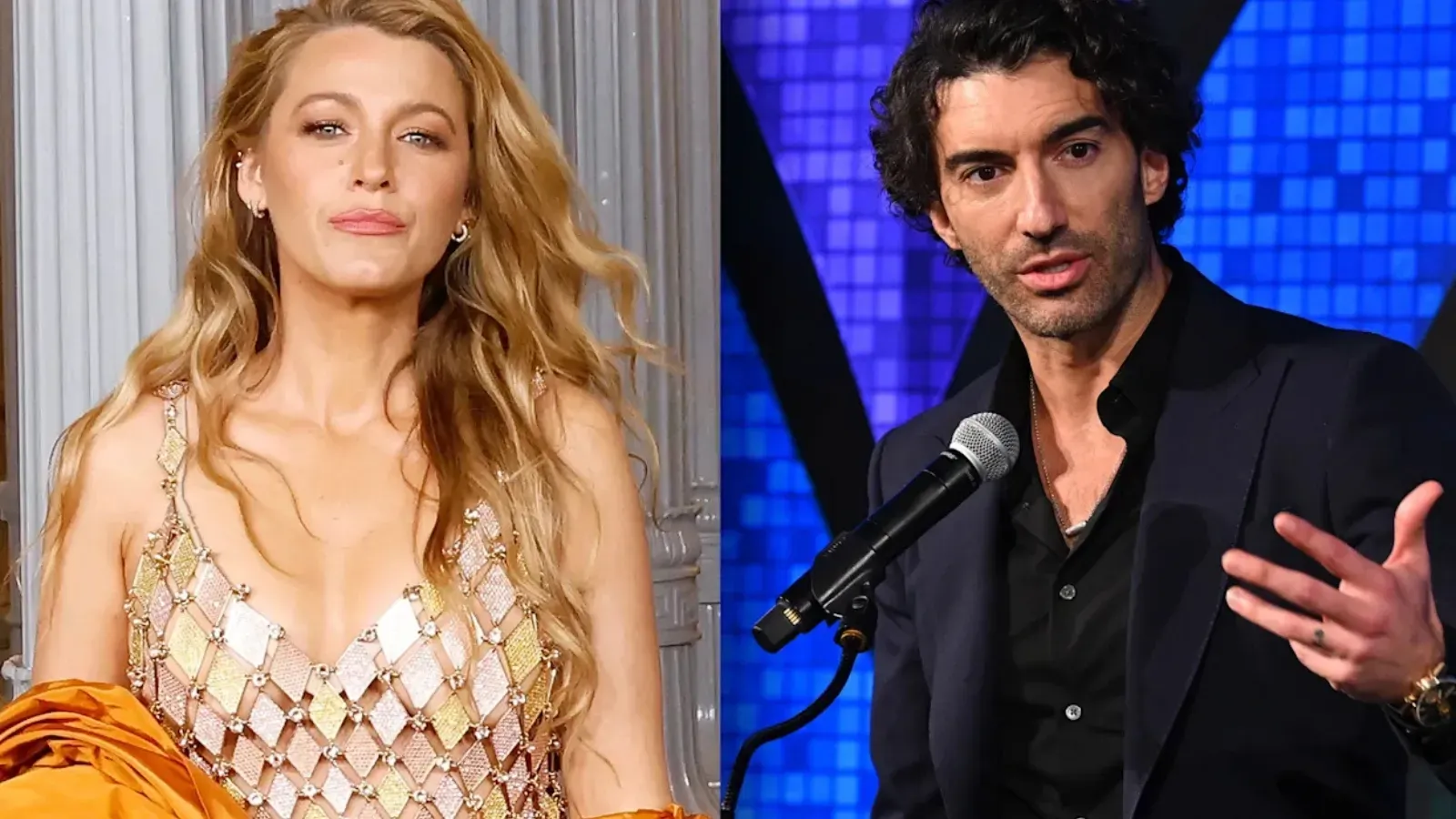
I’ve been following the Blake Lively-Justin Baldoni saga since the beginning, and honestly? My inner sociologist has been having a field day. After writing about how Blake’s public image took a turn, and what it reveals about celebrity culture, I thought I was done analyzing this mess and was monitoring as my time permitted. But then January 2026 happened.
The federal courtroom drama, the unsealed text messages with Taylor Swift, the strategic discussions about using “Hollywood’s power dynamics”—suddenly, this case stopped being just another celebrity feud. It became a case study in something that’s been bothering me for years: how “empowerment” has been co-opted by elite feminism to mean something very different from what it should.
As someone with a sociology degree who spends way too much time thinking about power structures and feminist theory, I need to talk about this. Because what’s unfolding isn’t just about two celebrities in a legal battle—it’s about what happens when the language of feminism gets weaponized by people with extraordinary wealth and privilege.
The January 2026 Developments (Or: When the Receipts Got Real)
Let me catch you up on what happened this month if you’ve been living under a rock. On January 22, 2026, Baldoni’s legal team asked a federal judge to dismiss Lively’s lawsuit, calling her sexual harassment allegations “trivial and petty grievances.” Judge Lewis Liman interrupted Baldoni’s lawyer to make a crucial point: agreeing to act in a sexy movie “does not mean you subject yourself to sexual harassment.”
That’s important. That’s the kind of clarity we need in workplace consent discussions.
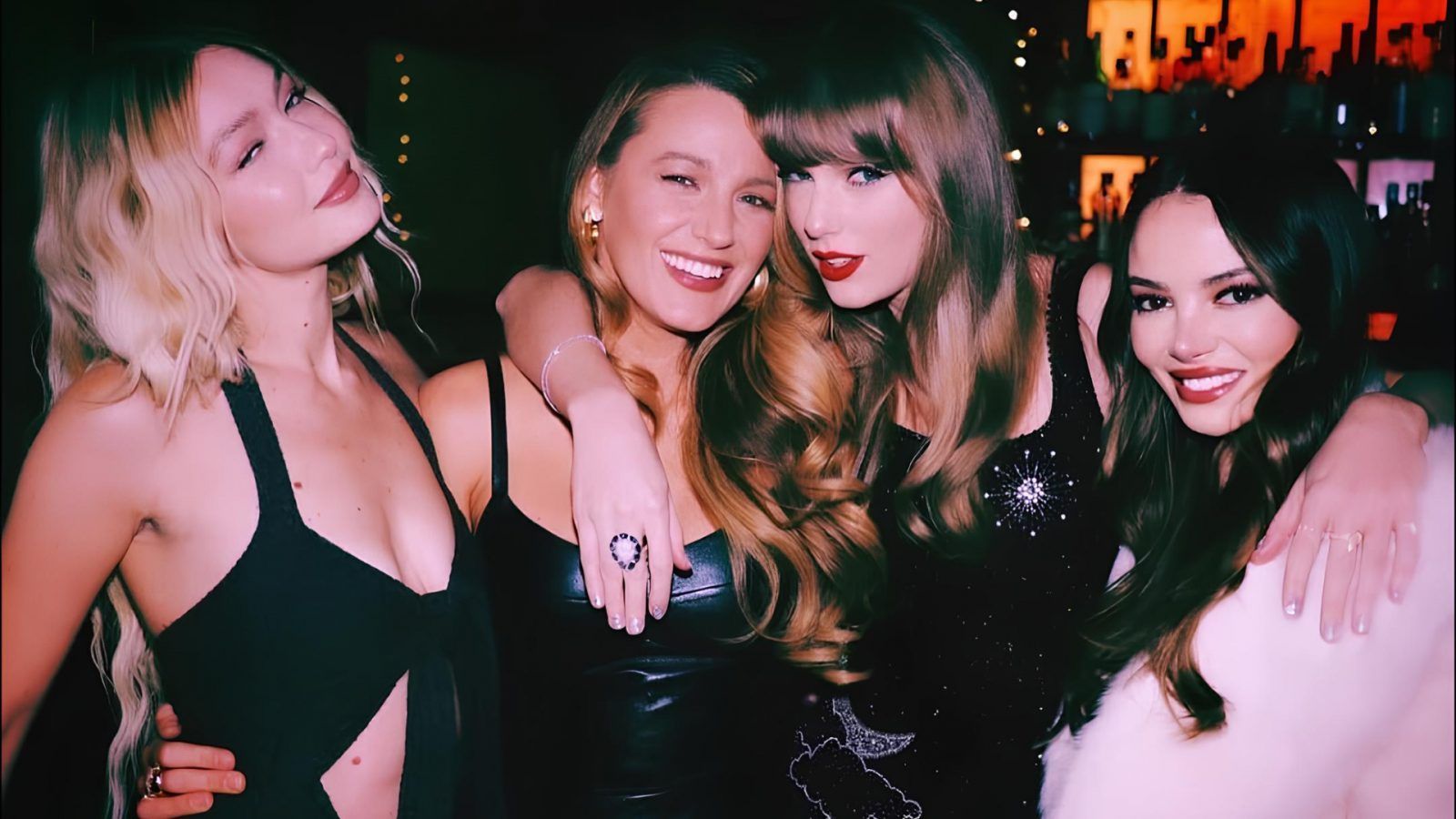
But then—and this is where my sociology brain started firing on all cylinders—thousands of pages of text messages were unsealed. Messages between Blake Lively and Taylor Swift. Messages that show strategic planning about power dynamics, about using Swift’s song in the trailer to shift control, about celebrating when Baldoni got dropped by his talent agency.
When Swift saw the “It Ends With Us” trailer featuring her song, she texted Lively: “Welcome to Hollywood, Justin.” She then added: “If Justin was strategic, he would be like no Taylor Swift in the trailer, because that gives you more power over the film, that’s your ally, not his.”
Weeks later, when Baldoni was dropped by his agency, Swift texted: “You won” and “You did it,” adding that Lively had “helped so many people who won’t have to go through this ever again.”
Wait. Pause.
Is this what we’re calling empowerment now?
Corporate Feminism 101: When Brand Protection Wears a Feminist Mask
Look, I need to be clear about something: experiencing workplace harassment is serious. Setting boundaries is essential. Speaking up when someone crosses the line? Absolutely necessary. But there’s a difference between standing up for yourself and orchestrating a strategic takedown using your billion-dollar connections.
This is where my sociology background kicks in. When feminism becomes focused on individual women accumulating power and protecting their brands rather than challenging the systems that harm all women, we’ve lost the plot. Corporate feminism treats empowerment as a personal achievement—something you earn through the right connections, the right strategy, the right PR team.
The unsealed texts reveal something uncomfortable: this wasn’t just about Lively protecting herself from harassment. It was strategic. It was calculated. It involved leveraging one of the most powerful women in the world to shift power dynamics on a film set.
And maybe Baldoni did cross boundaries. Maybe everything Lively alleges is true. But can we talk about how you respond to harassment matters? Because when your response includes coordinating with Taylor Swift to destroy someone’s career, consulting with Ryan Reynolds on strategy, and having access to PR teams that can shape national (and international) narratives—that’s not the same thing as a working woman filing an HR complaint and hoping she doesn’t get fired.
When Swift texts that Lively “helped so many people who won’t have to go through this,” I have to ask: which people? Women with billionaire best friends? Women married to Ryan Reynolds? Women who can afford teams of lawyers? Because that’s not most women. That’s an extraordinarily small elite.
The Class Divide: Or, What Most of Us Actually Deal With
Here’s what bugs me about framing this as a feminist victory: it creates a completely unrealistic model for how most women should handle workplace harassment.
When you or I experience harassment at work, we don’t text Taylor Swift for advice on power dynamics. We don’t have publicists who can coordinate national media campaigns. We can’t get someone fired from their agency with a well-placed phone call. Most of us file a complaint with HR, document everything, maybe get a lawyer if we can afford one, and pray we don’t face retaliation.
Research from the National Women’s Law Center shows that low-wage workers and non-unionized employees are significantly less likely to report harassment because they know the risks. A 2024 study found that women without legal representation settle for 40% less in harassment cases than those with quality attorneys. Access to resources matters.
The Lively-Baldoni case doesn’t just ignore this class divide—it weaponizes it. When empowerment is modeled as “use your powerful connections to destroy your opponent,” it tells women without those connections that they’re doing it wrong. That they’re not empowered enough.
In one particularly telling text exchange, Lively apologized to Swift for being a “bad friend” because she only talked about her own problems. Swift replied that recent texts felt “like I was reading a mass corporate email sent to 200 employees.” Even their friendship has been professionalized into strategic alliance management.
This is what happens when wealth and power reach a certain level—even personal relationships become transactional, calculated, strategic. And calling that “empowerment”? That’s just corporate doublespeak.
Let’s Talk About Accountability (The Part Nobody Wants to Discuss)
In my previous article about what bugs me in this drama, I talked about how we jump to conclusions too quickly and pick sides without examining the complexity. This situation perfectly illustrates why that’s a problem.
Both things can be true: Baldoni could have violated boundaries, and Lively could have used disproportionate power in response. Being harassed doesn’t give you carte blanche to deploy every weapon in your arsenal without accountability.
Here’s what real accountability would look like:
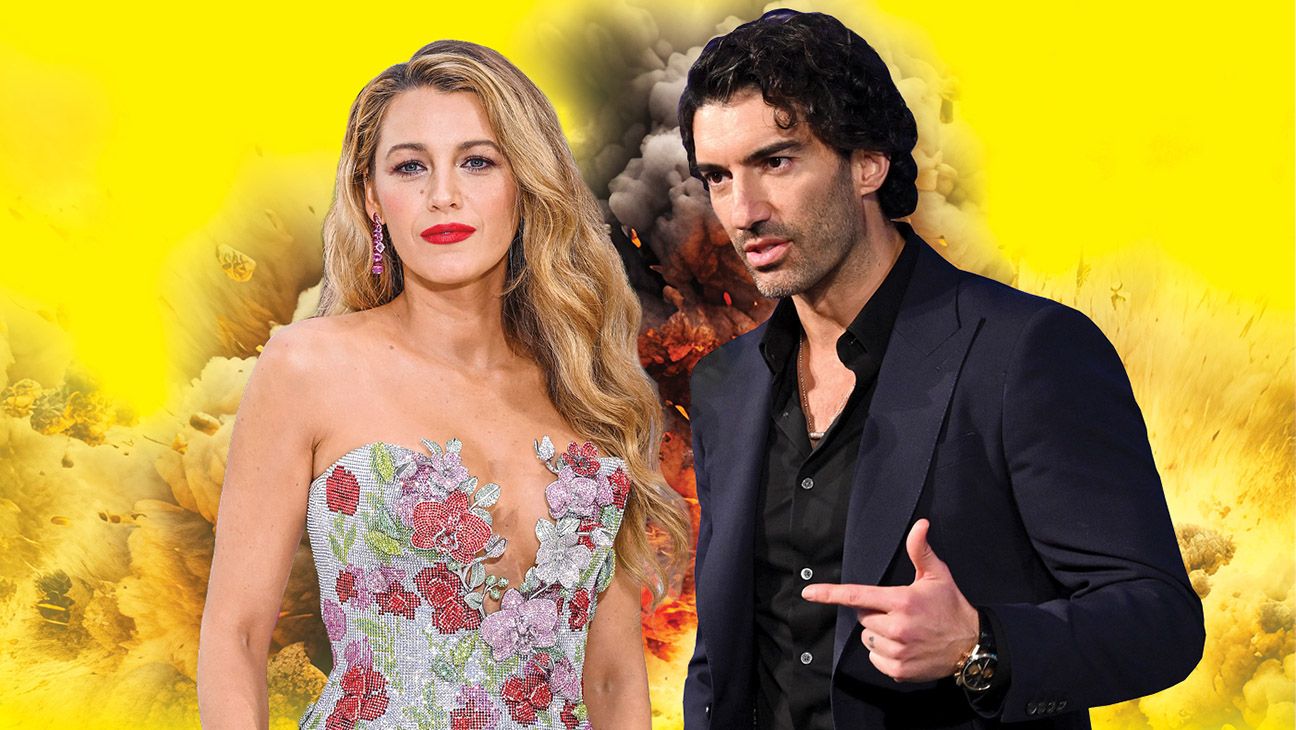
If Lively genuinely experienced harassment, she should name it, report it, and seek appropriate consequences for Baldoni. But she should also acknowledge that her ability to coordinate with A-list celebrities, rewrite scripts, bring in her own consultants, and orchestrate national PR campaigns represents a level of wealth and power that most women will never access. That class privilege matters.
If Swift wants to support her friend, that’s beautiful. Friendship matters. But strategizing about how to use song placement to shift power dynamics, celebrating when someone loses their livelihood, and framing it all as “helping people”—that’s not allyship. That’s elite power plays with a feminist veneer.
And if Baldoni crossed boundaries—which Lively’s lawyers detail pretty specifically (unwanted kissing, nuzzling, touching without consent)—then he needs to take full responsibility without hiding behind dismissive language like “petty grievances.” That kind of minimization has protected harassers for decades.
What Does Genuine Empowerment Actually Look Like?
This is where my sociology background gets really frustrated with how “empowerment” gets used in popular discourse. True empowerment—from a feminist theory perspective—isn’t about individual women accumulating power within existing systems. It’s about changing the systems so that all women have access to safety, dignity, and justice.
If Lively genuinely wanted to address harassment in Hollywood, she could have:
- Pushed for mandatory intimacy coordinators on all productions
- Advocated for transparent harassment reporting systems that protect workers without her resources
- Used her platform to support legislation protecting entertainment industry workers from retaliation
- Created a fund to provide legal representation for actresses who can’t afford top-tier lawyers
That would be empowerment. That would create structural change that helps women without billionaire best friends.
Instead, we got strategic power plays dressed up in feminist language. We got Swift texting “never has a cancellation been reversed so fast” when Baldoni lost his agency representation. We got celebration of someone’s professional destruction framed as victory for all women.
Tarana Burke, who founded the #MeToo movement years before it became a celebrity hashtag, has been clear about this. She designed the movement to support survivors through “empathy and community support,” with particular focus on marginalized communities. When celebrity #MeToo became divorced from that structural analysis and became about individual brand management, it lost its transformative potential.
Research consistently supports this. A 2025 study found that companies with robust, transparent harassment reporting systems and meaningful consequences for violators had 60% fewer incidents than those relying on individual complaints. Systems matter more than individual victories.
The Consent Standards Question (Because This Actually Matters)
One thing the January 2026 hearing did clarify: Judge Liman’s statement that agreeing to act in a sexy movie doesn’t mean consenting to harassment is exactly the kind of clarity we need in 2026.
Title VII of the Civil Rights Act of 1964 is clear: sexual harassment in the workplace is illegal. Period. The film industry isn’t exempt. The California Film Commission emphasizes that productions must provide safe working conditions and take prompt action when harassment is reported.
Since the #MeToo movement, the industry has made progress. Intimacy coordinators are now standard on many productions. SAG-AFTRA contracts include specific protections for scenes involving nudity or simulated sex. These are good developments.
But these protections still depend heavily on who you are and what resources you have access to. A production assistant facing similar treatment from a director would have one option: file an internal complaint and hope for the best. An actress married to Ryan Reynolds has the option to rewrite scenes, bring in consultants, coordinate with Taylor Swift, and potentially destroy the director’s career.
Both deserve protection. But let’s not pretend those two situations are equivalent.
Why This Matters Beyond Hollywood
I know some of you are thinking: “Why should I care about millionaire celebrities fighting in court?” Fair question, normally I wouldn’t either. Here’s why it matters:
Celebrity culture doesn’t just reflect our values—it shapes them. When we see “empowerment” modeled as “use your wealth and connections to destroy your opponent,” it warps our understanding of what standing up for ourselves should look like.
When corporate feminism—the kind that focuses on individual success within existing power structures—becomes the dominant model, we lose sight of the structural changes that would actually help most women. We start thinking that if we just work hard enough, network well enough, build our personal brand effectively enough, we too can wield that kind of power.
But most of us can’t. And that’s not a personal failing—it’s a structural reality. The solution isn’t to help more individual women “lean in” or “boss up.” The solution is to change the systems that make harassment possible in the first place.
The individualism myth holds that feminist advancement is determined by individual women’s freedom and success. But this approach perpetuates a model where wealthy, well-connected women rise while those without access to resources remain vulnerable. It ignores the class structures that determine whose boundaries get respected and whose complaints get heard.
That’s exactly what we’re seeing here.
What I Hope We Take From This
The Lively-Baldoni case will probably drag on for months. More documents will be unsealed. More celebrities might get pulled in. Public opinion will swing back and forth, as it always does, with these things.
But regardless of how the legal battle resolves, I hope we can use this as an opportunity to develop more sophisticated frameworks for understanding power, empowerment, and accountability.
I hope we can recognize that being a woman doesn’t automatically make your actions feminist. That experiencing harassment doesn’t automatically make your response proportionate. That having powerful friends and enormous wealth doesn’t automatically make you a role model for other women.
I hope we can start asking better questions when someone invokes “empowerment”:
- Empowerment for whom?
- At whose expense?
- Does this create precedents that help or harm women with less power and fewer resources?
- Is this about changing systems or winning individual battles?
And most importantly: Is this actually feminism, or is it just elite power with better PR?
Because at the end of the day, empowerment that requires a billionaire best friend on speed dial, a top-tier PR team, and the ability to coordinate national media campaigns isn’t empowerment. It’s wealth and access. And calling it feminism does a disservice to the actual work of building systems that protect all women—not just the ones with extraordinary resources.
My sociology degree didn’t prepare me for a lot of things in life. But it did teach me to always ask: who benefits from this narrative? And who doesn’t?
In the Lively-Baldoni case, we know who benefits. The question is: are we okay with that being the model for “empowerment” in 2026?
I’m not.