
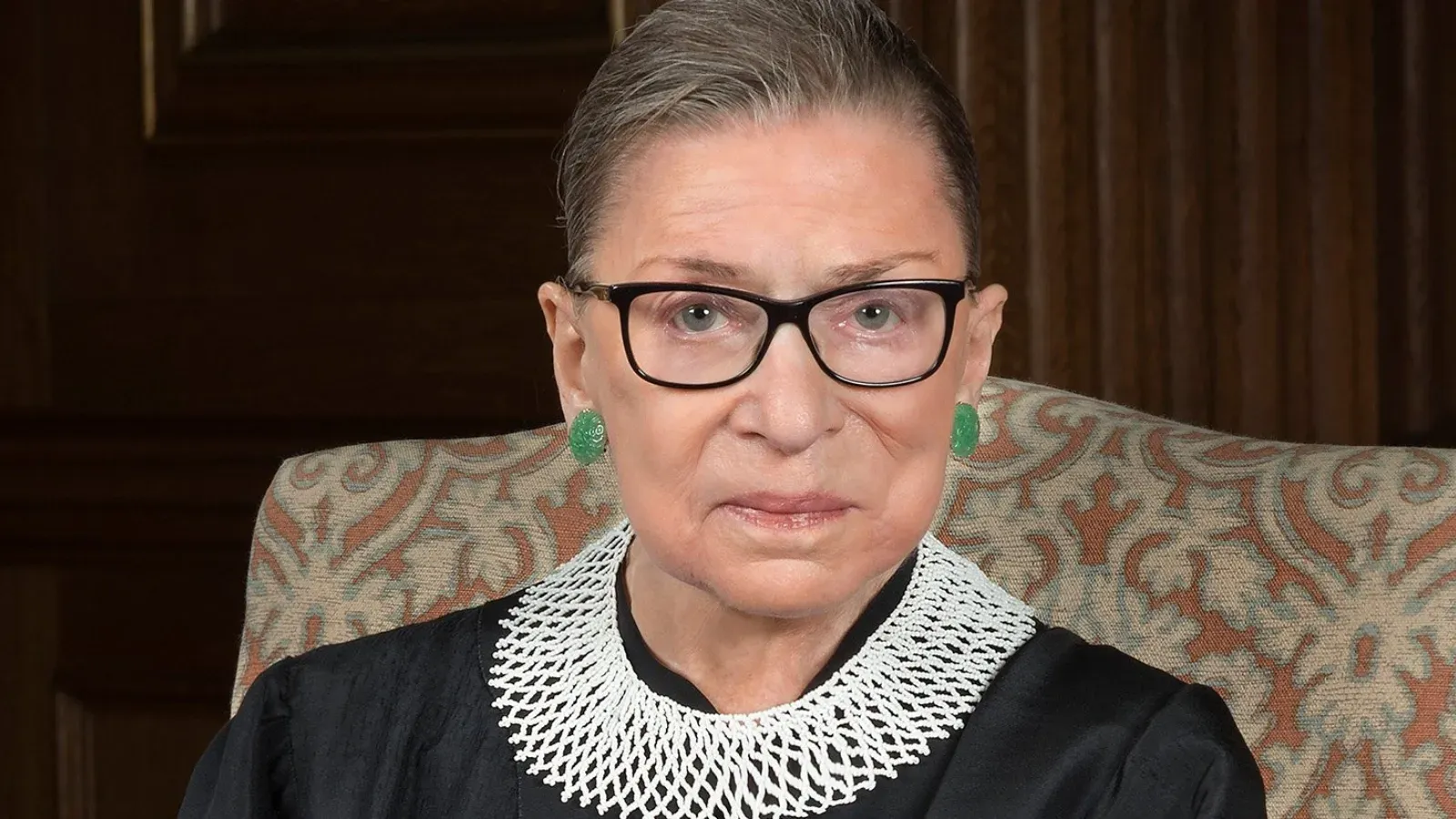
Ruth Bader Ginsburg didn't just break glass ceilings—she systematically dismantled the legal structures that created them in the first place. While many celebrate her as a feminist icon (which she absolutely was), what's even more remarkable is how she did it: with precision, strategy, and a methodology so effective that it changed American law forever.
Before RBG, countless laws treated women as legally inferior to men. Women couldn't get credit cards without a male cosigner. They could be fired for being pregnant. They were excluded from certain professions simply because of their gender. These weren't just social norms—they were the actual law.
Ruth Bader Ginsburg changed that. But here's what makes her story so powerful: she didn't just fight these injustices—she outsmarted them. Her approach was so strategic, so methodical, that she built a legal framework that continues to protect women's rights decades later.
And the lessons from her methodology? They're not just legal history—they're a masterclass in how to create lasting change in any field, including your own career.
The Beginning: When the Law Didn't Recognize Women as Equals
To understand RBG's impact, you need to understand what she was up against. When Ruth Bader Ginsburg graduated top of her class from Columbia Law School in 1959, not a single law firm in New York City would hire her. Not because she wasn't qualified—she was brilliant—but because she was a woman.
Think about that for a moment. One of the greatest legal minds in American history couldn't get a job because of her gender. That wasn't unusual discrimination—that was completely legal discrimination.
The legal landscape in the 1960s and 1970s explicitly treated women differently. The laws weren't subtle about it either:
- Women could be excluded from serving on juries
- Married women couldn't establish credit in their own names
- Employers could legally refuse to hire pregnant women or mothers
- Women were automatically assigned lower Social Security benefits than men
- State universities could legally refuse to admit women to certain programs
These laws were defended as "protecting" women or respecting "traditional family structures." The courts consistently upheld them. And that's where Ruth Bader Ginsburg stepped in.
The Strategy: Slow, Steady, Brilliant
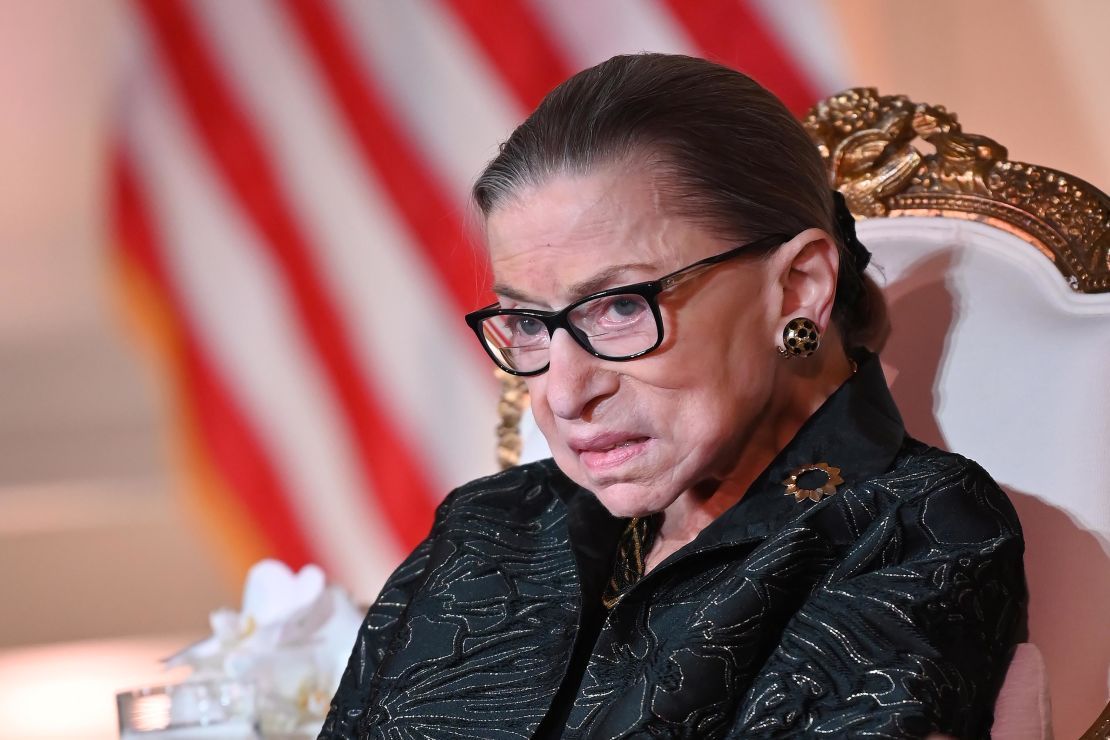
Here's what makes RBG's approach so fascinating: she didn't try to change everything at once. She knew that wouldn't work. Instead, she developed a careful, incremental strategy that would fundamentally shift how the law viewed gender discrimination.
Step 1: Start with Cases Involving Men
This was genius. RBG knew that male judges (and there were almost exclusively male judges) might not see discrimination against women as a serious issue. So she started by representing men who were discriminated against by gender-based laws.
Her first major Supreme Court victory was Frontiero v. Richardson (1973), but before that came Reed v. Reed (1971), which challenged an Idaho law that automatically preferred men over women as estate administrators. Then came cases like Weinberger v. Wiesenfeld (1975), where she represented a widower denied Social Security survivor benefits because those benefits were only available to widows.
The strategic brilliance: By showing that gender-based laws hurt everyone—including men—she made the male-dominated judiciary see gender discrimination as a constitutional problem, not just a "women's issue."
Step 2: Build Precedent Slowly
RBG didn't go for the big win immediately. She took small cases, won them, and used each victory to build toward the next one. Each case established a precedent that made the next case easier to win.
She argued six cases before the Supreme Court and won five of them. Each victory chipped away at the legal framework that treated women as inferior.
Step 3: Change the Standard
RBG's ultimate goal was to get the Supreme Court to apply "heightened scrutiny" to gender-based laws—the same standard used for racial discrimination. She wanted the Court to treat sex discrimination as seriously as it treated racial discrimination.
While she didn't achieve the strict scrutiny standard she hoped for, she did succeed in getting the Court to apply "intermediate scrutiny" to gender-based classifications. This was a massive shift that made it much harder for laws to discriminate based on gender.
The Major Cases That Changed Everything
Let's look at the specific cases that transformed women's legal rights:
Reed v. Reed (1971) - The Foundation
This was the first time the Supreme Court struck down a law on the basis of gender discrimination. Sally Reed wanted to administer her deceased son's estate, but Idaho law automatically gave preference to men. RBG (working with the ACLU) argued the case, and the Court unanimously agreed this violated equal protection.
What it meant for women: The Court finally acknowledged that gender-based classifications could be unconstitutional.
Frontiero v. Richardson (1973) - Military Benefits
Sharon Frontiero, an Air Force lieutenant, couldn't claim her husband as a dependent to receive increased benefits—even though male military members automatically got benefits for their wives. RBG argued this case before the Supreme Court.
What it meant for women: Women in the military had to be treated equally to men in terms of benefits and recognition of their spouses.
Weinberger v. Wiesenfeld (1975) - Social Security Rights
Stephen Wiesenfeld's wife died in childbirth. He wanted to stay home and care for their infant son, but Social Security survivor benefits were only available to widows, not widowers. RBG represented him.
What it meant for women: Women's contributions to Social Security had to be valued equally to men's. This also helped establish that caregiving wasn't just "women's work."
Duren v. Missouri (1979) - Jury Service
Missouri allowed women to opt out of jury service simply by asking, which resulted in juries being overwhelmingly male. This was the last case RBG argued before the Supreme Court.
What it meant for women: Women had to be included in jury service on the same basis as men, and defendants had the right to juries that represented their communities.
United States v. Virginia (1996) - VMI Case
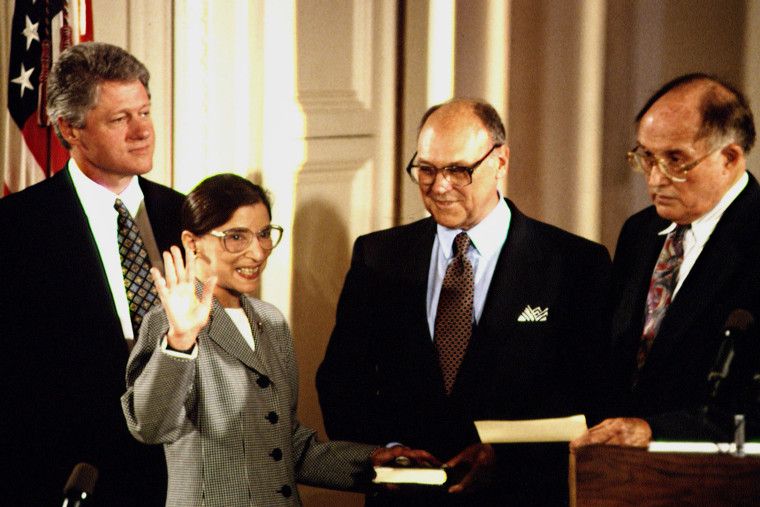
By the time of this case, RBG was a Supreme Court Justice. She wrote the majority opinion striking down the Virginia Military Institute's male-only admission policy. This was the culmination of decades of work—the Court applying the heightened scrutiny standard she'd been fighting for.
What it meant for women: Public educational institutions couldn't exclude women, period.
Beyond the Courtroom: The Ginsburg Method
What makes RBG's legacy so powerful isn't just what she achieved—it's how she did it. Her methodology offers lessons for anyone trying to create change:
Lesson 1: Know Your Audience
RBG understood that she was arguing before judges who might not initially see gender discrimination as a serious problem. So she met them where they were, using cases involving men to help them see the bigger principle at stake.
Career application: When you're trying to change minds at work, consider how to frame your argument in terms your audience will understand. Sometimes you need to show how a problem affects everyone before people will take it seriously.
Lesson 2: Build Your Case Incrementally
RBG didn't try to win everything at once. She built precedent slowly, using each small victory to make the next one possible.
Career application: Major career changes rarely happen overnight. Build your case for a promotion, a new role, or a policy change through small, documented wins that demonstrate a pattern of success.
Lesson 3: Do Your Homework
RBG's briefs were meticulous. She researched exhaustively, anticipated counterarguments, and built airtight legal arguments. She was always the most prepared person in the room.
Career application: Preparation is power. When you're asking for something important—a raise, a leadership role, a major change—come armed with data, examples, and answers to potential objections.
Lesson 4: Stay Focused on the End Goal
RBG could have gotten emotional about the discrimination she faced personally. Instead, she channeled that into a systematic legal strategy focused on changing the system itself.
Career application: When facing workplace challenges or discrimination, document everything and focus on the systemic change you want to create, not just the immediate emotional response.
Lesson 5: Fight for Others, Not Just Yourself
Many of RBG's most important cases were about other people's rights. She fought for widowers, for military members, for people she'd never met. This made her arguments more powerful and less easy to dismiss.
Career application: When advocating for change at work, frame it in terms of how it benefits the team, company, or customers—not just yourself. People are more receptive to arguments about collective benefit.
The RBG Legacy: What She Made Possible
Because of Ruth Bader Ginsburg's work, women today have legal protections we often take for granted:
In education: Schools can't exclude you based on gender. Title IX, which prohibits sex discrimination in education, has teeth because of the legal framework RBG helped build.
In employment: Pregnancy discrimination is illegal. Gender-based pay discrimination is illegal (though still fighting for equal enforcement). Sexual harassment is recognized as a form of discrimination.
In family law: Women aren't automatically assigned childcare responsibilities. Men aren't automatically assigned breadwinner roles. The law recognizes that parents can make choices about how to structure their families.
In credit and finance: Women can get credit cards, mortgages, and business loans in their own names without needing a man's signature.
In military service: Women can serve in any capacity, including combat roles, that they're qualified for.
Every woman reading this has benefited from RBG's work, whether you realize it or not.
What RBG Would Want Us to Remember
Ruth Bader Ginsburg was famous for saying: "Women belong in all places where decisions are being made. It shouldn't be that women are the exception."
She also said: "Fight for the things that you care about, but do it in a way that will lead others to join you."
These weren't just inspiring quotes—they were her actual methodology. She fought relentlessly but strategically. She was tough but collegial. She disagreed but maintained relationships. She was passionate but disciplined.
And perhaps most importantly, she never stopped fighting. Even as a Supreme Court Justice in her 80s, battling cancer, she continued showing up, writing opinions, and defending the rights she'd spent her career securing.
Lessons for the Modern Working Woman
So what does RBG's legacy mean for you, navigating your career right now?
1. You have rights because someone fought for them. The next time you negotiate your salary, take parental leave, or push back against discrimination, remember that someone made that possible. Don't take those hard-won rights for granted.
2. Change requires strategy, not just passion. RBG cared deeply about justice, but she won cases because she was brilliant at legal strategy. Your passion matters, but combine it with preparation, data, and strategic thinking.
3. Small wins build to big change. You don't have to revolutionize your entire company overnight. Focus on winning the case right in front of you, then build on that success.
4. Your voice matters. RBG faced rejection after rejection early in her career. She could have given up. She didn't. Your perspective and contributions matter, even when it doesn't feel that way.
5. Fight for others. The most powerful change comes when we fight not just for ourselves but for those who come after us. What can you do to make things better for the women who follow?
The Work Continues
Ruth Bader Ginsburg changed the legal landscape for women fundamentally and permanently. But she'd be the first to tell you the work isn't done.
Women still earn less than men for the same work. We're still underrepresented in leadership. We still face discrimination, harassment, and barriers that our male colleagues don't.
But because of RBG, we have legal tools to fight back. We have precedent on our side. We have a framework for demanding equality—and we have her example of how to do it strategically, effectively, and without apology.
The question isn't whether RBG changed the legal landscape—she absolutely did. The question is: what will we do with the foundation she built?
The Bottom Line
Ruth Bader Ginsburg's legacy isn't just about the laws she changed—it's about the methodology she modeled. She showed us that lasting change comes from strategy, preparation, incremental progress, and never giving up.
She also showed us that one person really can change the system. RBG was one woman, facing a legal establishment that didn't think women belonged. She didn't try to burn it down—she systematically rebuilt it, case by case, precedent by precedent, until the law finally recognized what she'd known all along: that women deserve full equality under the law.
Every time you negotiate your salary, every time you stand up to discrimination, every time you push for a seat at the table—you're standing on the foundation Ruth Bader Ginsburg built.
So here's to RBG: the woman who didn't just fight for our rights—she created the legal framework that protects them.
Share this article with a woman who needs to know about the shoulders we stand on.