
Metabolism is often discussed as though it were a simple dial you can turn up or down at will. In reality, your basal metabolic rate (BMR)—the energy required simply to keep your organs functioning—is predominantly governed by genetics, age, hormonal profile, and total lean muscle mass.
No single ingredient can override a sedentary lifestyle or chronic sleep deprivation. However, what you consume directly dictates Diet-Induced Thermogenesis (DIT), cellular mitochondrial efficiency, and blood glucose regulation. Certain whole foods require greater caloric expenditure to break down, while others supply critical micronutrients required for enzymatic energy production.
Here are 10 evidence-backed foods that meaningfully support daily metabolic function, along with the physiological mechanisms behind them.
1. High-Grade Green Tea (EGCG)
Green tea is one of the most thoroughly researched botanicals in metabolic health. Its active power comes from the way natural caffeine and epigallocatechin gallate (EGCG)—a potent catechin polyphenol—work together.
- The Mechanism: EGCG inhibits catechol-O-methyltransferase (COMT), an enzyme that breaks down norepinephrine. By prolonging norepinephrine signaling, green tea promotes fat oxidation and provides a modest, transient increase in resting energy expenditure without spiking cortisol.
2. Quality Coffee
Beyond morning alertness, coffee is a significant source of chlorogenic acids and bioactive caffeine.

- The Mechanism: Caffeine acts as an adenosine receptor antagonist, stimulating the central nervous system and signaling the release of epinephrine. This triggers lipolysis—the breakdown of stored triglycerides into free fatty acids that serve as fuel—while modestly elevating the thermic effect of digestion.
3. Capsaicin-Rich Chili Peppers
If you tolerate heat, incorporating cayenne, jalapeños, or other chili peppers can provide measurable thermogenic support.
- The Mechanism: Capsaicin binds to transient receptor potential vanilloid 1 (TRPV1) receptors throughout the digestive tract. This activation stimulates the sympathetic nervous system and brown adipose tissue (BAT), subtly elevating core body temperature and postprandial caloric burn.
4. Cold-Water Fatty Fish
Wild salmon, sardines, mackerel, and anchovies deliver dense concentrations of long-chain omega-3 fatty acids: eicosapentaenoic acid (EPA) and docosahexaenoic acid (DHA).
- The Mechanism: Omega-3 fatty acids integrate directly into cellular membranes, improving membrane fluidity and insulin sensitivity. By dampening chronic, low-grade systemic inflammation, they optimize how muscle and liver cells take up glucose, reducing the likelihood that excess energy is directed toward visceral fat storage.
5. Pasture-Raised Whole Eggs
Whole eggs represent the gold standard of complete dietary protein, featuring an optimal amino acid profile and high biological value.
- The Mechanism: Digesting dietary protein requires substantially more caloric energy than carbohydrates or fats—a phenomenon known as the Thermic Effect of Food (TEF). Eggs also supply concentrated choline, an essential nutrient vital for liver function, cellular methylation, and proper lipid metabolism.
6. Authentic Greek Yogurt
Unsweetened Greek yogurt provides a unique metabolic trifecta: concentrated dairy protein, bioavailable calcium, and live fermented cultures.
- The Mechanism: The high casein and whey content sustains satiety and delivers amino acids to skeletal muscle. Meanwhile, active probiotics support gut microbiome diversity, facilitating the production of short-chain fatty acids (SCFAs) like acetate and butyrate, which help modulate appetite-regulating hormones in the gut.
7. Raw Tree Nuts (Almonds & Walnuts)
Almonds and walnuts are dense in monounsaturated fats, dietary fiber, and plant sterols.
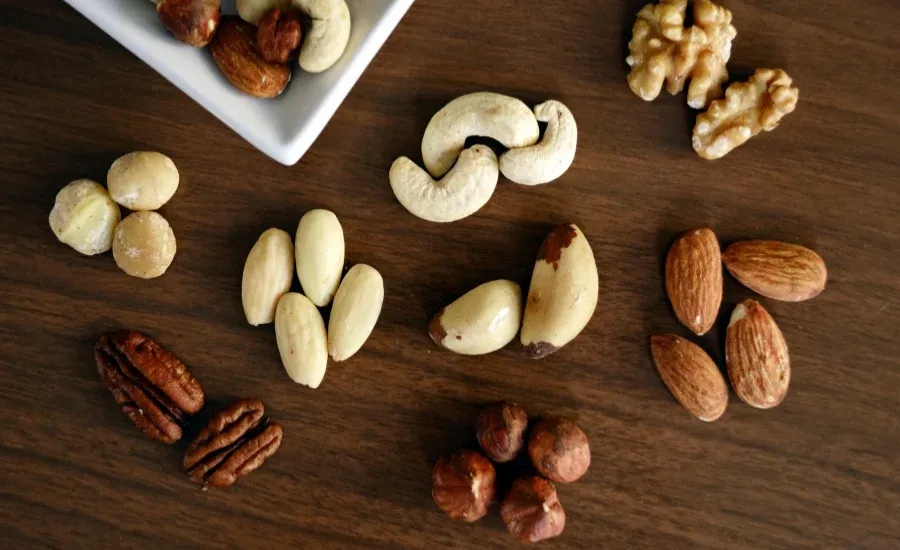
- The Mechanism: Due to their rigid cellular wall structure, tree nuts have an incomplete caloric bioavailability—meaning your body does not absorb 100% of the calories listed on the nutritional label. Furthermore, they are rich in magnesium, a mandatory cofactor for adenosine triphosphate (ATP) synthesis within cellular mitochondria.
8. Fresh Ginger
Zingiber officinale has been utilized in traditional medicine for centuries, but modern sports and nutritional science confirm its targeted digestive benefits.
- The Mechanism: Bioactive compounds such as gingerols and shogaols enhance gastric motility, accelerate digestive emptying, and stimulate thermogenesis. Adding fresh ginger root to warm infusions or savory cooking gently supports gastrointestinal circulation and metabolic efficiency.
9. Mineral-Dense Dark Leafy Greens
Spinach, Swiss chard, and kale supply essential micronutrients that power cellular respiration.
- The Mechanism: Leafy greens provide non-heme iron and magnesium, both of which are essential to the electron transport chain within your mitochondria—the cellular engines that convert food into usable ATP. Without adequate micronutrient support, cellular energy pathways operate at compromised capacity.
10. Whole Pectin-Rich Apples
Apples, particularly tart green varieties, offer an unrefined balance of water, polyphenols, and soluble fiber.
- The Mechanism: Apples are dense in pectin, a soluble fiber that delays gastric emptying and stabilizes post-meal blood sugar curves. Pectin ferments in the colon, feeding beneficial commensal bacteria that produce metabolic signaling molecules. Eating a whole apple requires active mastication and provides sustained fullness far superior to fruit juices.
The Holistic Reality of Metabolic Health
Nutritional choices are powerful levers, but they function within a broader biological ecosystem.
To maximize the metabolic benefits of these foods, combine them with consistent resistance training to build metabolically active muscle, prioritize 7 to 8 hours of restorative sleep to manage cortisol, and maintain adequate baseline hydration. True metabolic vitality is never built on isolated "superfoods"—it is the cumulative result of intelligent daily nourishment.