Every year brings a fresh wave of trends that everyone swears will change your life, revolutionize your routine, or finally make you the person you've been trying to become. And every year, we dutifully try them, post about them, and pretend we're not spending a suspicious amount of money on things we'll abandon by March.
But what if we just... didn't? What if we admitted that not every viral trend deserves the hype, that some popular things are actually kind of overrated, and that sometimes the emperor really is wearing no clothes?
So we asked our editors to get honest about the 2026 trends that everyone seems to love, but we're just not buying into. Some of these takes might be controversial. Some might make you defensive. But all of them come from a place of having tried the thing, wanted to love the thing, and ultimately deciding that the thing just isn't it. Here's what we're calling out.
Wellness Trends We're Over
"Morning Routines That Start at 5 am"
Look, we get it. Waking up early theoretically gives you more hours in the day. But the wellness industrial complex has convinced us that if we're not up at 5 am doing yoga, journaling, making a green smoothie, and listening to a productivity podcast, we're basically failing at life.
The reality? Some of us are night owls. Some of us work late shifts. Some of us have insomnia and desperately need those extra hours of sleep more than we need to meditate in the dark at dawn. The idea that there's a morally superior time to wake up is exhausting, and the fact that it's always framed as you're not disciplined enough if you can't do it is worse.
A good morning routine is one that fits your actual life and doesn't make you miserable. If that's at 8 am or 10 am or noon, it's still valid. The 5 am club can keep their bragging rights—we'll take the extra sleep.
"Expensive Supplements for Everything"
The supplement industry has convinced us we need a different pill for sleep, stress, focus, energy, metabolism, gut health, skin, hair, and probably our left elbow specifically. And they all cost $45 per bottle.
Here's what doctors will tell you for free: unless you have a diagnosed deficiency, most people can get what they need from actual food. That $200-a-month supplement stack probably isn't doing much beyond making your pee expensive. The placebo effect is real and powerful, but so is just eating vegetables and getting enough sleep.
We're not saying supplements are useless across the board—vitamin D in fall and winter, iron if you're anemic, B12 if you're vegan, sure. But the idea that you need seventeen different powders and capsules to function like a normal human? That's marketing, not medicine.
"Wellness as Aesthetic Instead of Action"
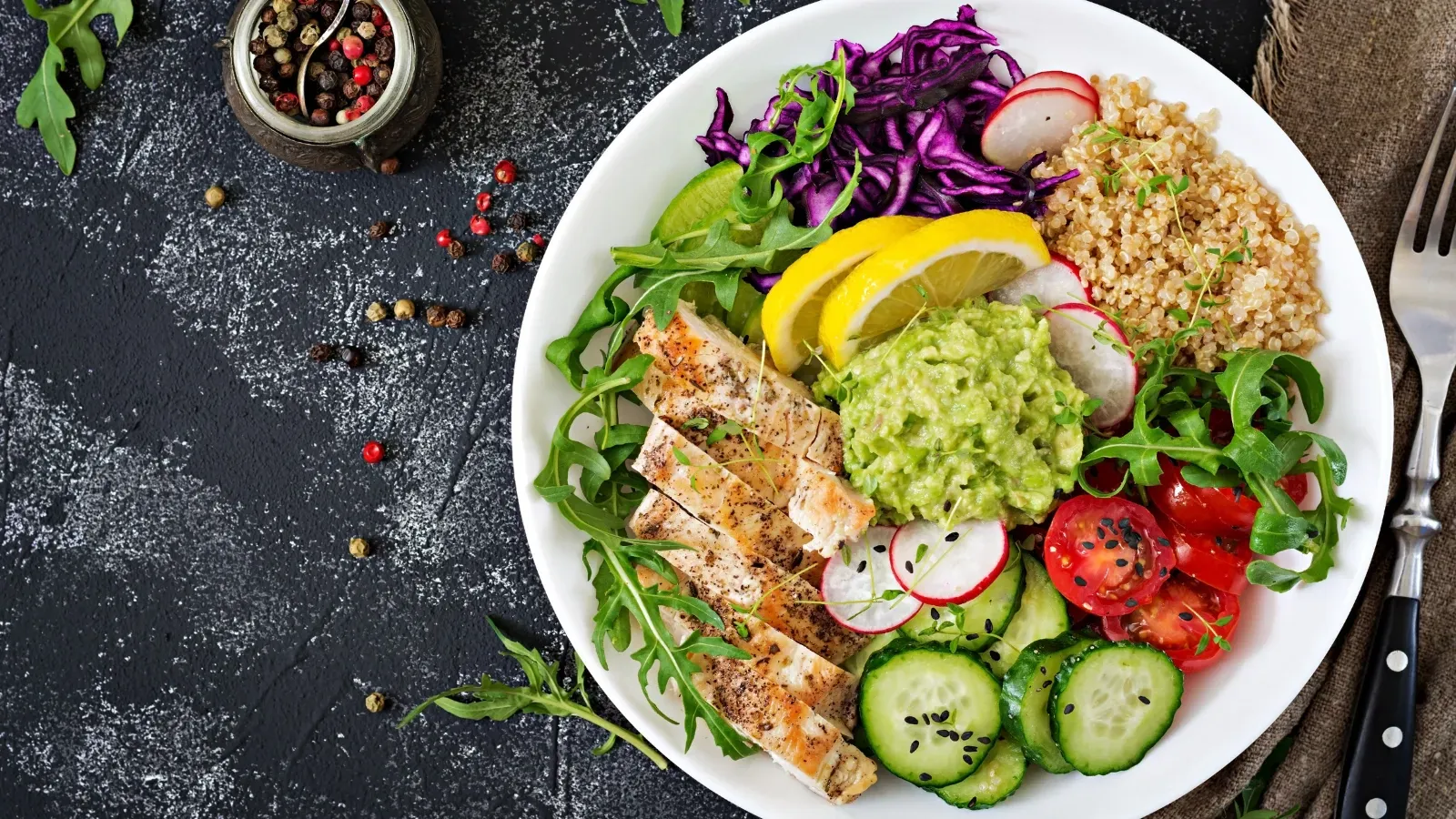
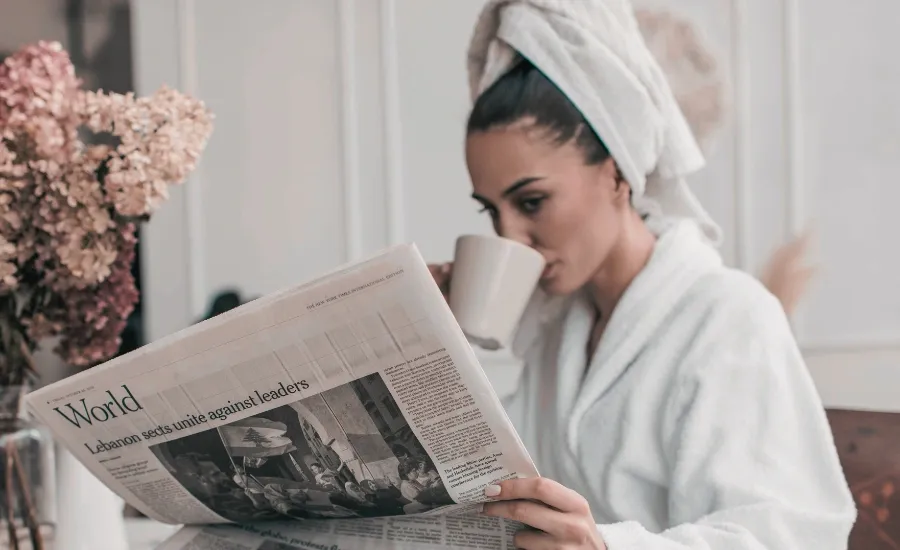
Posting a photo of your matcha latte in a beautiful mug next to your journal and jade roller does not equal wellness. Buying expensive workout sets does not equal exercise. Following wellness influencers does not equal taking care of yourself.
Wellness has become so aestheticized that we've forgotten it's supposed to be about actually feeling good, not looking like you feel good on Instagram. The billion-dollar industry selling you the perfect morning, the perfect routine, the perfect supplements is banking on your confusion between consumption and care. We're allowed to call that out.
Work Culture Trends We're Questioning
"The Romanticization of Side Hustles"
Every working woman apparently needs a side hustle now. Your full-time job isn't enough—you should also be building a personal brand, starting a consulting business, launching a product, creating content, or doing something entrepreneurial in your spare time.
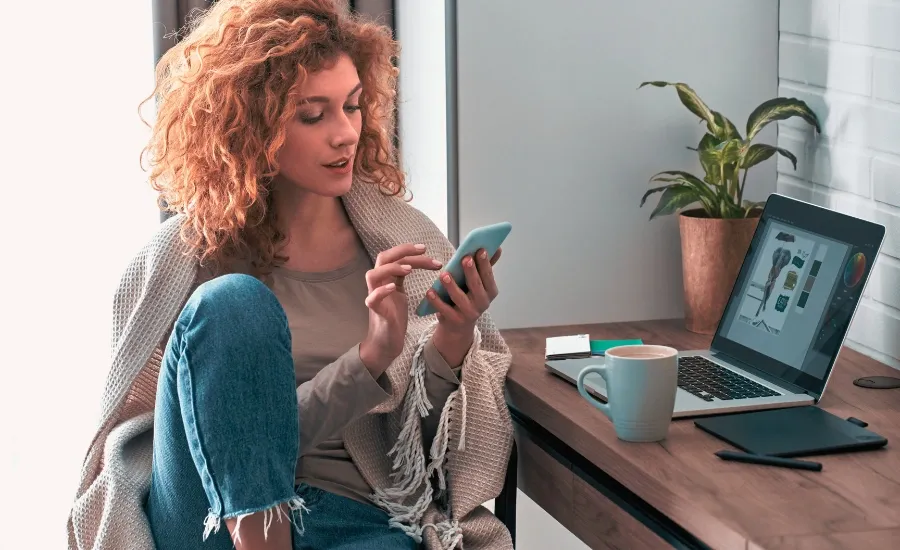
But what if your spare time is for... resting? What if your job pays your bills and you don't want to monetize every single hobby and skill you have? What if the reason everyone needs a side hustle is because wages haven't kept up with the cost of living, and we're being sold entrepreneurship as empowerment when it's actually just economic necessity dressed up in hashtags?
If you love your side hustle and it brings you joy, great. But if you're doing it because you feel like you're supposed to, or because you can't make ends meet otherwise, that's not empowerment. That's exhaustion. And we don't have to pretend it's aspirational.
"Productivity Porn"
The endless content about optimizing every minute of your day, the perfect productivity system, the morning routine of billionaires, the apps that will transform your work life—it's all designed to make you feel like you're never doing enough.
Productivity isn't a virtue. It's a metric. And constantly consuming content about how to be more productive is its own form of procrastination that makes you feel busy without actually accomplishing anything.
Sometimes the most productive thing you can do is stop trying to optimize everything and just do the work. Or better yet, not do the work and actually rest. Revolutionary, we know.
"Return to Office as 'Culture Building'"
Companies insisting that everyone needs to return to the office for culture and collaboration, while data shows remote work is just as productive? That's not about culture. That's about commercial real estate investments and middle managers who need to see bodies in chairs to feel important.
If your company culture can't survive without forced proximity, maybe the culture isn't that strong to begin with. And if collaboration only happens when everyone's in the same physical space, your communication systems need work. The RTO mandates dressed up as caring about connection are transparent, and workers aren't buying it.
Fashion Trends We're Not Convinced About
"Micro Trends Every Three Weeks"
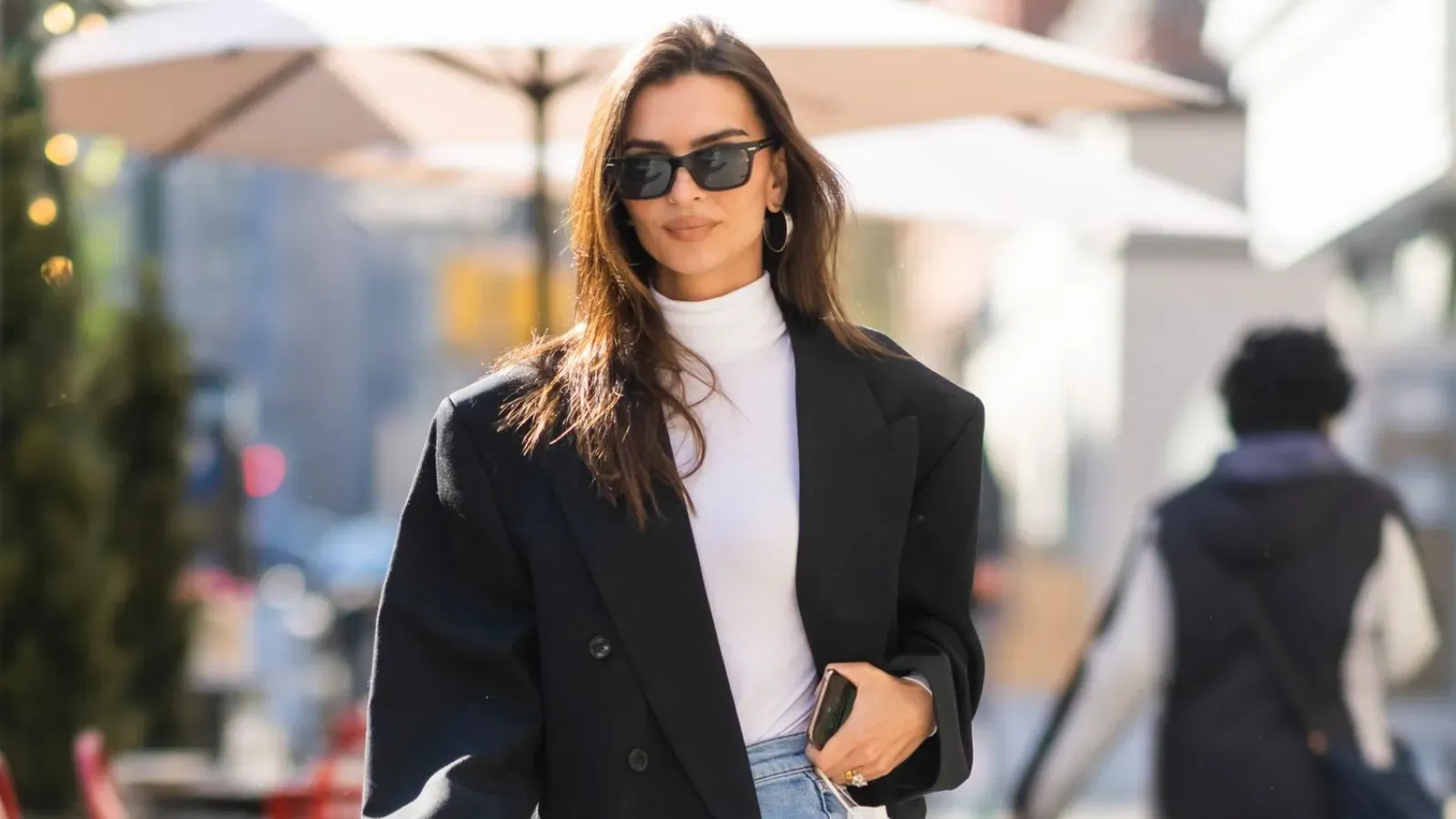
Fashion used to have seasons. Now it has... moments? TikTok decides something is in for approximately eleven days, everyone rushes to buy it, and then it's immediately out, and you're behind if you're still wearing it.
This isn't style. It's consumption disguised as self-expression. It's fast fashion on steroids, it's terrible for the environment, and it's designed to make you feel like you're always playing catch-up. Plus, by the time you get the item, the trend is over, and you've wasted money on something you'll wear once.
Real style is having a point of view and wearing what makes you feel good, regardless of whether it's currently trending on social media. The most stylish people aren't the ones following every micro trend—they're the ones ignoring them entirely.
"Everything Needing to Be an Aesthetic"
Coastal grandmother. Clean girl. Old money. Tomato girl. Every single way of dressing now requires a name, an aesthetic board, and a very specific set of products you need to buy to achieve the look.
You're allowed to just... wear clothes. Mix styles. Wear what fits your life without declaring an aesthetic identity. The constant categorization of every personal style into marketable trends is exhausting and limits actual creativity. Just get dressed and live your life.
Lifestyle Trends That Miss the Point
"Minimalism as Consumption"
The minimalism trend told us to get rid of everything except what sparks joy, and then immediately sold us $400 linen sheets, $200 handmade ceramic mugs, and $150 minimalist planters because now our fewer possessions need to be expensive and aesthetic.
True minimalism is about consuming less, not consuming expensive things. It's not an aesthetic—it's a practice. If you're spending thousands of dollars to achieve the minimalist look, you've missed the entire point.
"Romanticize Your Life" Without Changing Anything"
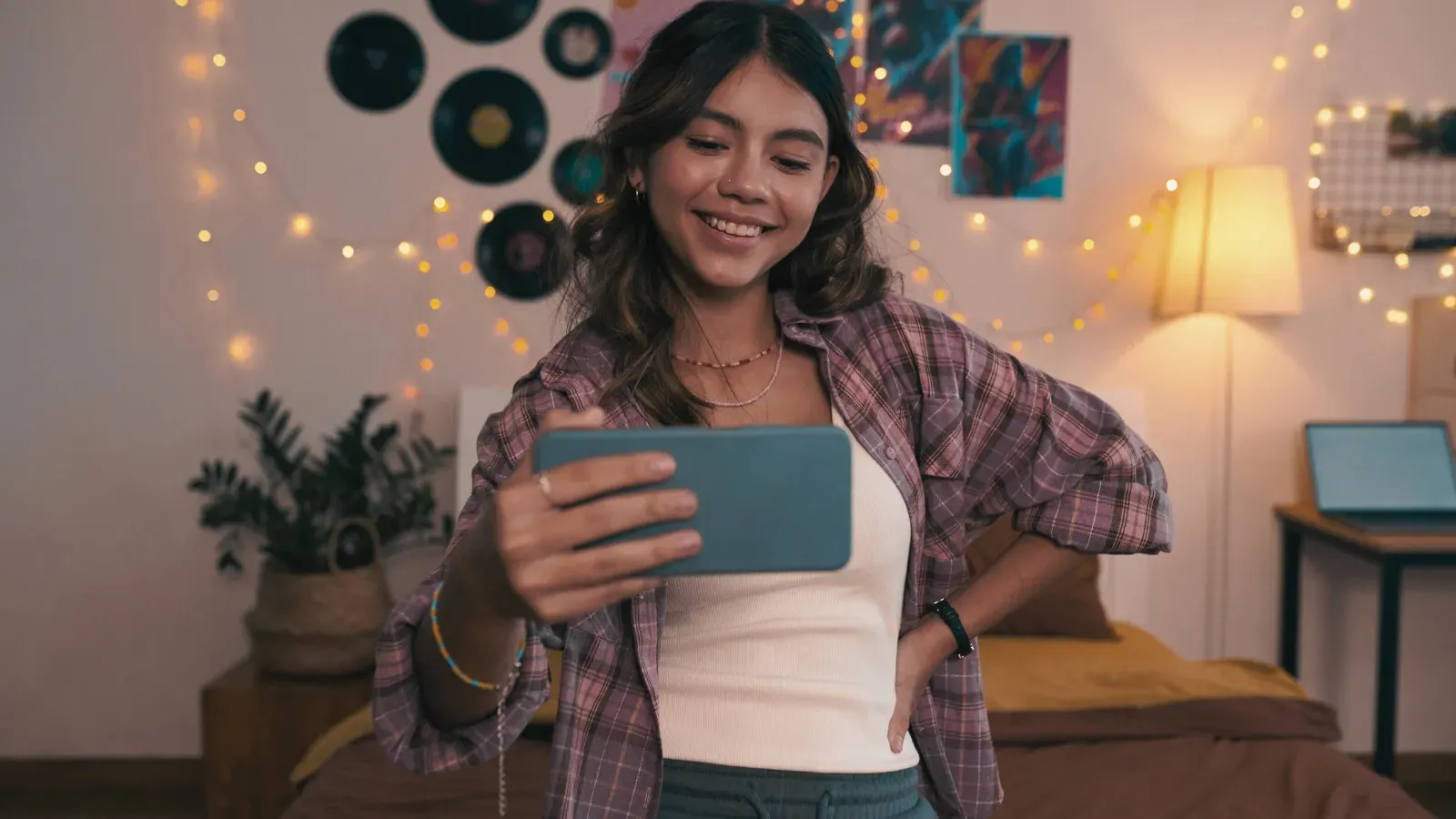
The romanticize your life trend started with good intentions—finding joy in everyday moments, appreciating the small things. But it's morphed into filming yourself doing normal activities in soft lighting while pretending your regular life is a European film.
Making your morning coffee isn't more meaningful because you filmed it in slow motion. Walking to work doesn't become poetic because you added a French song to the video. And romanticizing your life as content often prevents you from actually being present in it.
If you want to romanticize your life, put your phone down and just live it. The constant documentation defeats the purpose.
"Everything Being an Experience Economy"
You can't just go to a coffee shop anymore—it needs to be an experience. Restaurants are concepts. Shopping is immersive. Everything has to be Instagram-worthy, shareable, and optimized for content.
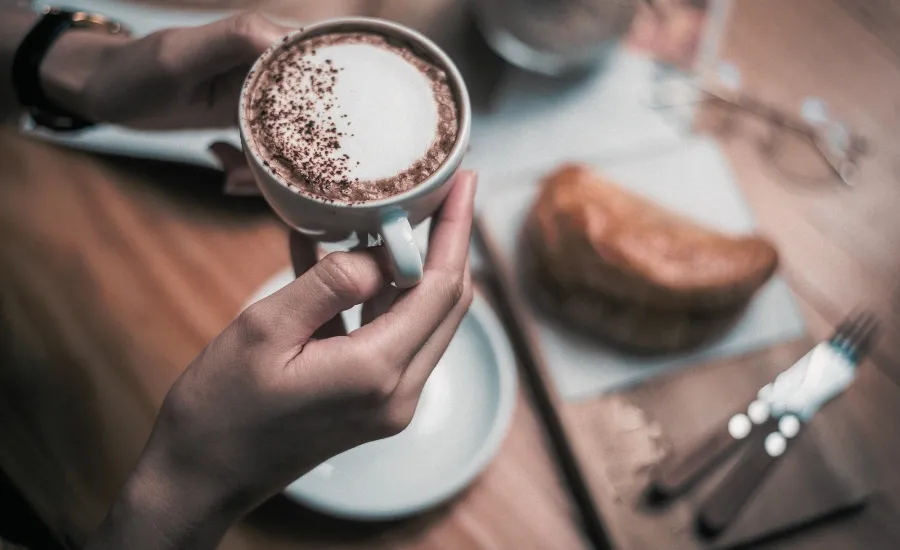
Sometimes we just want a good cup of our favorite beverage without it being a production. Sometimes we want to enjoy a meal without photographing it. The pressure to turn every mundane activity into a curated experience is exhausting, and honestly, most of us would rather just have functional, affordable, actually good versions of things.
Tech Trends We're Side-Eyeing
"AI Will Solve Everything"
AI tools are useful. They can help with research, writing, organization, creativity. But the narrative that AI is going to revolutionize every aspect of your life and solve all your problems is tech industry marketing, not reality.
AI won't fix your relationship problems. It won't make you more creative if you don't have ideas. It won't replace human connection, intuition, or the messy process of actually doing things. And the companies selling you AI solutions for everything are primarily interested in your data and your money, not your wellbeing.
Use AI as a tool where it's genuinely helpful, but maintain some healthy skepticism about the utopian promises. Technology doesn't solve human problems—it just changes what they look like.
"Everything Needing an App"
Meditation app. Sleep tracking app. Water drinking app. Habit tracking app. Gratitude app. At some point, the apps designed to simplify your life become another thing to manage, update, and feel guilty about not using consistently.
You can drink water without tracking it. You can sleep without analyzing every REM cycle. You can journal on actual paper. The digitization of every single aspect of self-care and wellness isn't making us healthier or happier—it's creating more noise and more things to optimize.
Social Media Trends We're Done With
"Vulnerability as Performance"
Being vulnerable online can be powerful and connecting. But there's a difference between genuine vulnerability and performing vulnerability for engagement. Sharing your struggles in a perfectly filtered photo with strategic hashtags and a call-to-action isn't vulnerability—it's content strategy (marketer here).
Real vulnerability doesn't always look good. It's messy and uncomfortable and sometimes happens offline. The trend of packaging struggle into shareable content has turned authentic human experience into performance art, and we can tell the difference.
"Hot Takes as Personality"
Having contrarian opinions about everything doesn't make you interesting or deep. It just makes you exhausting. The algorithm rewards controversy, so everyone's competing to have the most provocative take on the most mundane topics.
It's okay to have normal opinions. It's okay to like popular things. It's okay to not have a dissertation-length counter-argument ready for every trending topic. The constant need to position yourself against everything is performative cynicism, not genuine critical thinking.
So What Are We Actually Into?
After all that criticism, you might be wondering what we actually like. Fair question. Here's what we're endorsing for 2026:
Doing less. Being bored. Having hobbies that aren't side hustles. Wearing clothes multiple times. Sleeping as much as you need. Eating what makes you feel good without tracking it. Having friendships that exist entirely offline. Reading books without posting about them. Spending money on things that improve your actual daily life rather than your aesthetic. Setting boundaries without apologizing. Being average at things. Not having an opinion on everything.
Basically, we're into the radical act of living your life for yourself rather than for content, optimization, or someone else's idea of what your life should look like. Revolutionary, we know.
The Point of Calling This Out
These unpopular opinions aren't about being contrarian for the sake of it or raining on anyone's parade. If you genuinely love your 5 am routine, your supplement stack, or your side hustle, keep doing what works for you. Seriously.
But if you've been forcing yourself to follow trends that don't fit your life because you feel like you're supposed to, or if you're spending money on things that aren't actually making you happier because everyone else is doing it, permission granted to stop.
Not every trend is for everyone. Not every popular thing is actually good. And sometimes the most radical thing you can do is opt out of the constant cycle of consumption, optimization, and performance that modern life demands.
So here's to questioning the hype, trusting your own experience over marketing, and building a life that actually works for you instead of one that just looks good from the outside. That's the real trend we're hoping catches on in 2026.