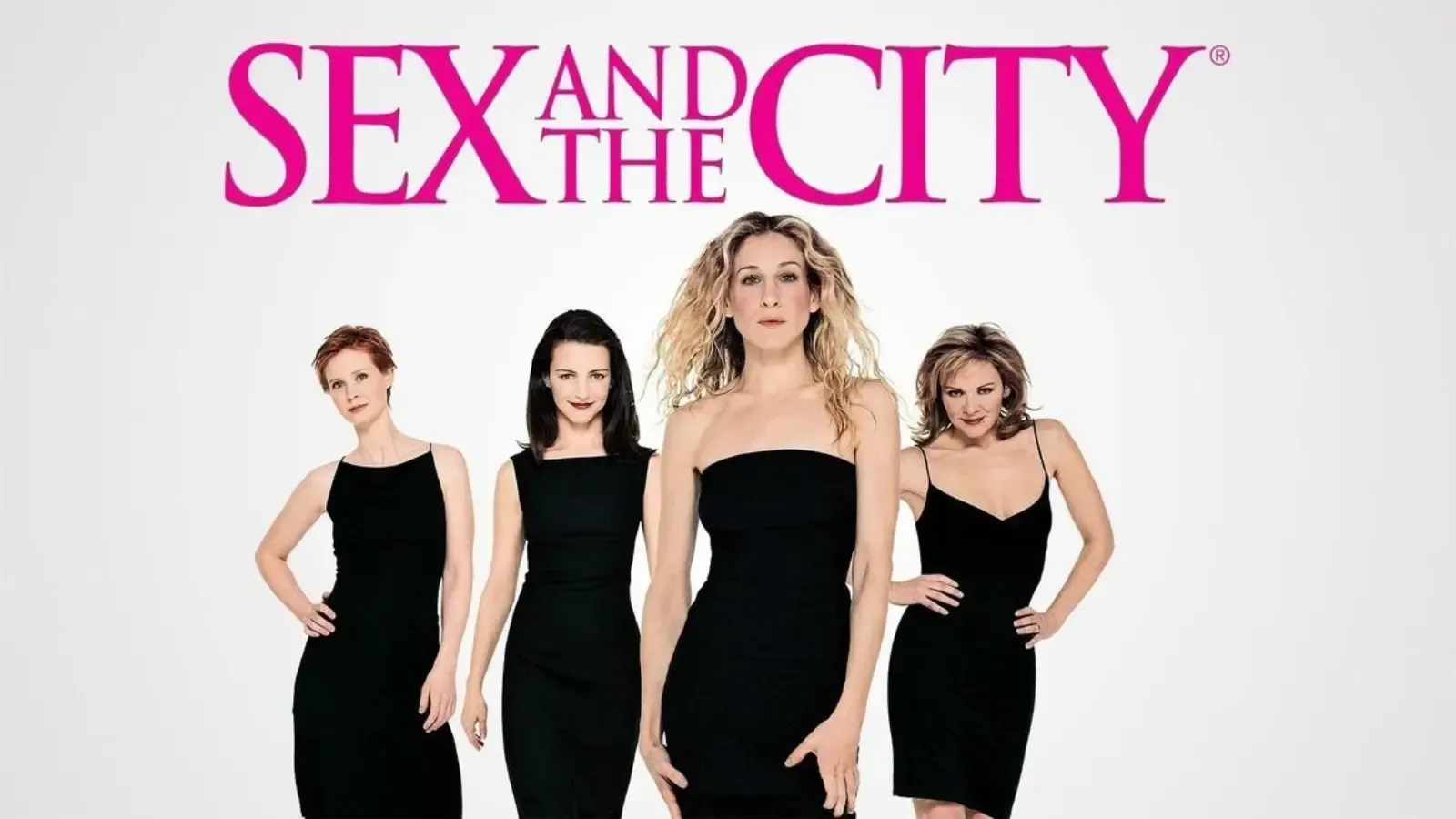
I rewatched Sex and the City, and this is what I think.
Millennial here, and I still remember when I first watched Sex and the City in a random late evening on TV—Netflix wasn’t popular back then in Europe. I was around 18 years old, just out of high school, and little did I know about relationships and sex. I was pretty impressed by the raw depiction of scenes and Samantha's non-PC language. Soon, I became a fan, and SATC became my comfort show. We used to watch it with a couple of friends, and back then, the four women in their 30s seemed so far away from our reality.
It’s 27 years since SATC aired for the first time.
And for the millennials, just the name of the show conjures images of Manolo Blahniks, Cosmopolitans, and frank girly discussions about, well, sex sprinkled with some career and friendship concerns. But mainly sex. And I rewatched it recently because, uh, I needed a girlie comfort show to take my mind away from all the serious matters of life.
However, whether you like the series or not, you can’t deny that Sex and the City wasn’t just a TV show; it was a cultural phenomenon, a show that redefined how women talked about their desires, their friendships, and their (sexual) lives. But was it genuinely revolutionary, or do we just say that because we need to find a reason to justify our choice of watching a show whose primary interest is sex? Two decades later, the question still sparks debate, especially among younger generations, a cocktail of nostalgia, criticism, and a lingering sense of the show’s undeniable impact.
When the show premiered in 1998, television hadn't seen anything quite like it. Four women in their thirties and forties navigating the complexities of love, career, and identity in the heart of New York City. They were flawed, funny, and unapologetically themselves. Carrie, the writer with a penchant for puns and a chaotic love life; Samantha, the confident and sexually liberated PR executive; Charlotte, the traditional romantic with a yearning for marriage and family; and Miranda, the cynical lawyer with a sharp wit and a pragmatic approach to life. These weren't the idealized women of television; they were real, relatable, and refreshingly honest—at least for the 90s.

One of the most groundbreaking aspects of Sex and the City was its open and explicit portrayal of female sexuality. The women talked about sex with a sincerity rarely seen on screen, discussing everything from one-night stands to vibrators to the complexities of female pleasure. While sipping their Cosmopolitans, they challenged societal norms and shattered the silence surrounding women's desires. Samantha, in particular, became a symbol of sexual liberation, a woman who embraced her sexuality without shame or apology. For many women, Sex and The City provided a sense of validation, a feeling that their own experiences and desires were everyday and worthy of discussion.
Beyond the bedroom, Sex and the City also revolutionized the way female friendships were depicted on television. Carrie, Samantha, Charlotte, and Miranda were more than just friends; they were each other's chosen family. They supported each other through thick and thin, offering advice, comfort, and uncompromising loyalty. Their weekly brunches at the coffee shop became a symbol of female solidarity, a space where they could share their triumphs and failures, their hopes and fears. The show highlighted the importance of female friendship in a way that resonated with millions of women around the world.
And then there was the fashion
Patricia Field, the show's costume designer, created a style that was both aspirational and accessible. Carrie's eclectic wardrobe, a mix of high-end designers and vintage finds, became iconic. From her tutu in the opening credits to her Manolo Blahniks, her clothes were an extension of her personality, a way of expressing herself in a city that celebrated individuality. The show popularized the concept of "fashion as character," demonstrating how clothing can be used to tell a story and convey a sense of self.
But Sex and the City was not without its flaws. For all its talk of female empowerment, the show often fell short in its representation of women of color. The characters were overwhelmingly white and privileged, and the show's depiction of race and ethnicity was often stereotypical and insensitive. Critics also pointed to the show's focus on consumerism and its narrow definition of success. Carrie had 100 pairs of shoes, each worth 400 bucks. Yeah, that is not happening in the life of an average woman. The women's lives revolved around expensive apartments, designer clothes, and fancy restaurants, creating a fantasy that was and still is unattainable for most of us.

Furthermore, the show's focus on romantic relationships undermined its feminist message. Despite their independence and success, the women's ultimate happiness often seemed to hinge on finding a man. Carrie's turbulent relationship with Mr. Big became a central focus of the show, perpetuating the idea that a woman's worth is determined by her romantic partner. While the show did explore the complexities of love and relationships, it sometimes seemed to reinforce traditional gender roles and expectations.
In the years since Sex and the City went off the air, its legacy has been debated and re-evaluated. Some argue that the show's flaws outweigh its contributions, pointing to its lack of diversity and consumerist ethos. Others maintain that the show was groundbreaking for its time, paving the way for more honest and nuanced portrayals of women on television. The truth, as always, is more complex.
Sex and the City was a product of its time, a reflection of the cultural landscape of the late 1990s and early 2000s. It captured the zeitgeist of a generation of women who were navigating the challenges and opportunities of modern life.
While the show's flaws are undeniable, its impact is also undeniable
It opened up conversations about sex, friendship, and identity that were previously taboo. It empowered women to embrace their desires and celebrate their friendships. It changed the way women were represented on television, paving the way for shows like Girls, Broad City, and Insecure.
So, was Sex and the City that revolutionary?

Perhaps not in the way we initially thought. Its revolution was less about grand pronouncements and more about subtle shifts in perspective. It normalized once-whispered conversations, challenged deeply ingrained stereotypes, and created a space for women to see themselves reflected on screen. It wasn't perfect, but it was a start.
And sometimes, that's enough to spark a revolution
The show's legacy continues to evolve, particularly with the recent reboot, "And Just Like That..." This new chapter offers a chance to revisit these beloved characters and explore their lives in a contemporary context. It's an opportunity to address some of the criticisms of the original series and to reflect on how far we've come –and how far we still have to go– in our understanding of women, relationships, and the ever-changing landscape of modern life. Whether you loved it or hated it, Sex and the City undoubtedly left its mark on popular culture, and its influence can still be felt today. It's a show that continues to provoke, entertain, and make us think about what it means to be a woman in the 21st century.