
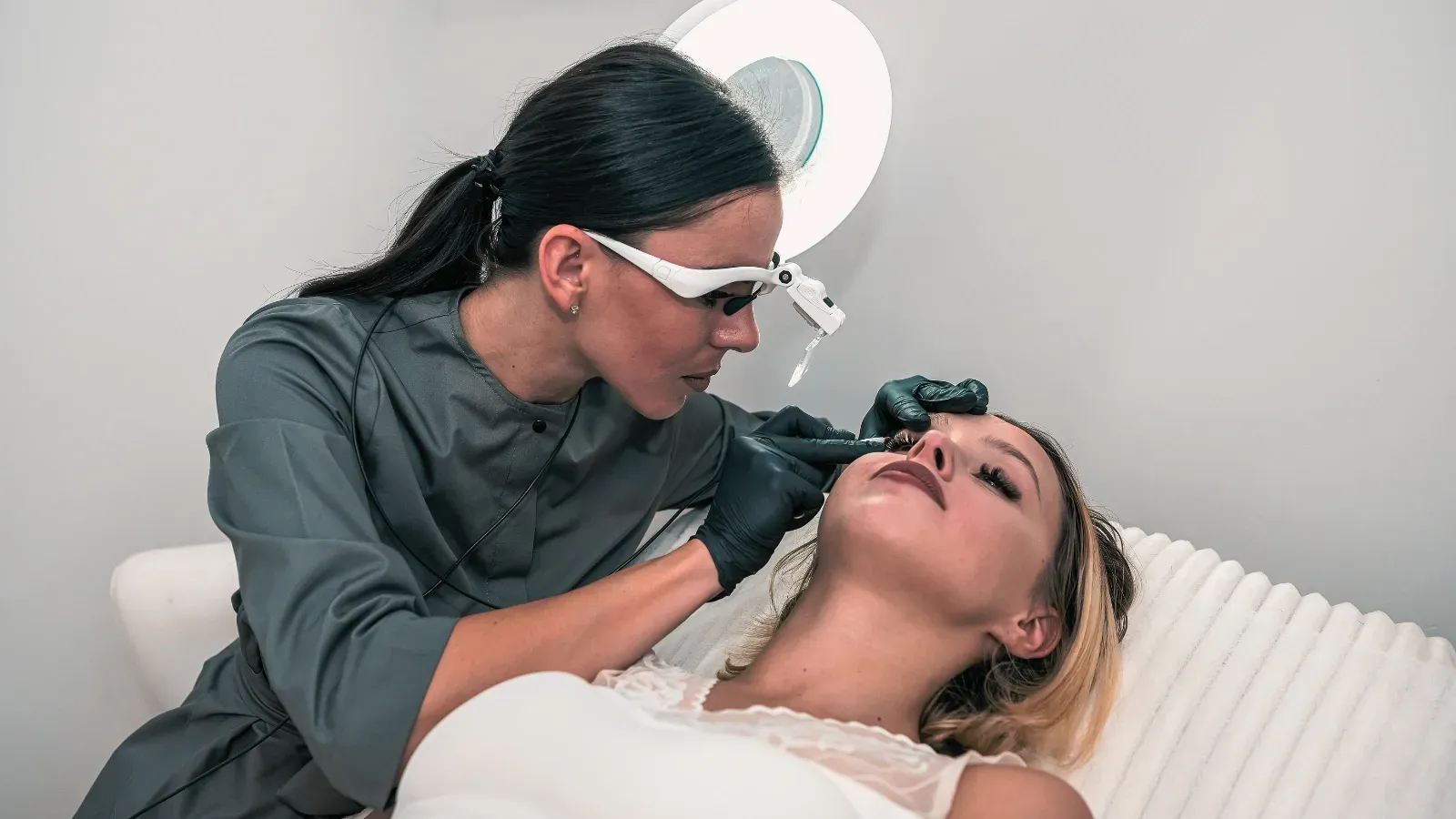
If you’ve been dealing with stubborn dark spots, acne scars, or hormonal melasma, you’ve likely noticed a new treatment dominating dermatologists' feeds: Pico Laser.
Promised as a revolutionary, low-downtime solution for stubborn pigment, Pico technology has quickly become one of the most searched skincare treatments this year. But at anywhere from $400 to $1,000 per session, is it actually worth the investment over high-performing topical serums?
Before booking a consultation, read everything you need to know about Pico Laser.
How Pico Laser Works (And Why It’s Different)
Traditional lasers rely on thermal (heat) energy to burn away excess pigment. While effective for some, heat can actually backfire on skin prone to melasma or deeper skin tones, triggering even more inflammation and pigment.
Pico technology changes the game by using picosecond pulses, ultra-short bursts of energy delivered in a trillionth of a second.
Instead of heating the skin, the laser creates a photomechanical effect, shattering the pigment particles into microscopic "dust." Your body’s lymphatic system then naturally flushes these tiny particles away over the following weeks.
3 Reasons Pico Laser Is Trending Right Now
1. Minimal Downtime
Unlike aggressive ablative lasers that leave your face red and peeling for a week, Pico laser causes minimal damage to the surrounding tissue. Most patients experience mild redness for only a few hours after the session.
2. Safer for Deeper Skin Tones
Because Pico laser relies on pressure rather than high heat, the risk of Post-Inflammatory Hyperpigmentation (PIH) is dramatically lower, making it one of the safest laser options for darker skin tones.
3. Dual Benefits: Collagen Boost
Beyond targeting dark spots, the laser energy stimulates elastin and collagen production deep within the dermis, leaving the skin smoother and firmer over time.
Pico Laser vs. Topical Serums: Which Do You Need?
While topical ingredients like Tranexamic Acid, Vitamin C, and Azelaic Acid are essential for daily maintenance and preventing new pigment from forming, they have limits. Topicals can take 3 to 6 months to fade deep-set pigment.
Pico Laser is designed for deep, stubborn, or long-standing pigment that topical serums simply cannot reach.
The Verdict: If your dark spots are recent post-acne marks, stick to a targeted topical routine first. If you are dealing with years-old sun damage, deep melasma, or stubborn patches that haven't budged with serums, 2 to 4 Pico Laser sessions can reset your baseline significantly faster.
The Golden Rule for Post-Treatment Success
If you decide to invest in Pico Laser, your post-treatment care is non-negotiable.
The laser shatters the pigment, but UV light will immediately trigger your melanocytes to create new spots if your skin isn't protected.
Strict Sun Defense: Wear a broad-spectrum SPF 50 daily and reapply every two hours.
Pause Actives: Stop using retinoids, AHAs, and BHAs for 5 to 7 days post-treatment.
Focus on Barrier Repair: Use a soothing, ceramide-rich moisturizer to keep the skin barrier hydrated and calm.
Pico Laser isn't a magical one-and-done cure, but for stubborn hyperpigmentation that resists daily serums, it is currently one of the safest, most effective in-office treatments available.