

How many times have you found yourself scrolling through your phone at 11 PM on a Friday night, swiping through dating apps while simultaneously checking Instagram stories of your coupled-up friends at romantic dinner dates? If you're nodding along, you're definitely not alone in this modern dating conundrum.
As someone who spends her days listening to the dating struggles of brilliant, accomplished women, I can tell you that the number one complaint I hear isn't about finding "the one" anymore; it's about feeling utterly lonely in a world that seems more connected than ever before. It's a paradox that keeps many of us awake at night, and honestly, it's time we addressed it.
The Great Connection Illusion
Here's the thing about our hyper-connected world: we're drowning in connections but starving for genuine intimacy. If you think about it, you probably have more ways to reach people than any generation before us, yet many of my clients tell me they feel like they're speaking into a void.
When Your Feed Becomes Your Foe
Social media has become our modern-day highlight reel, and we're all guilty of both creating and consuming it. That gorgeous brunch photo your colleague posted? She probably didn't mention she was nursing a hangover and feeling anxious about a work deadline. The couple's anniversary post that made you question your single status? They might have had a massive fight the night before.
I see this pattern constantly in my practice: successful, intelligent women comparing their behind-the-scenes reality to everyone else's carefully curated performance. It's like comparing your rough draft to someone else's published novel. Completely unfair and utterly exhausting.
The truth is, social media often presents us with what I call "connection theater"—the performance of intimacy without the actual substance. We double-tap hearts, leave fire emojis, and feel momentarily connected, but these micro-interactions rarely translate to the deep, meaningful relationships our souls actually crave.
The Numbers Game That Nobody Wins
Remember when having 50 close friends seemed impossible? Now we collect connections like trading cards: 500 LinkedIn contacts, 800 Instagram followers, 300 Facebook friends. Yet many women tell me they struggle to name five people they could call during a real crisis.
This quantity-over-quality approach isn't just overwhelming; it's psychologically draining. Our brains simply weren't designed to maintain meaningful relationships with hundreds of people. Research shows we can only maintain about 150 stable relationships (known as Dunbar's number), with only 5-10 being truly intimate bonds.
The Dating App Dilemma: Endless Options, Endless Exhaustion
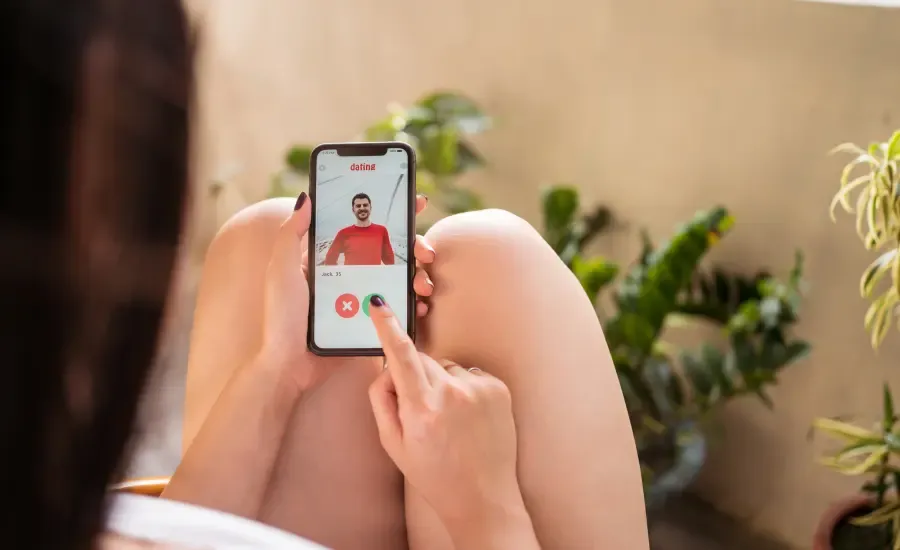
Let's talk about the elephant in the room—dating apps. They promised to solve our connection problems by putting potential partners literally at our fingertips. Instead, they've created a whole new set of challenges that would make our grandmothers' heads spin.
The Paradox of Too Much Choice
Having endless options sounds like a dream, right? Wrong. Psychology research consistently shows that too many choices actually decrease our satisfaction and increase our anxiety. When you can swipe through 50 potential dates in ten minutes, each person becomes disposable. There's always someone "better" just one swipe away.
I've noticed that many of my clients develop "dating app burnout"—a state of emotional exhaustion caused by the constant evaluation and rejection cycle. The apps that promised to make dating easier have often made it feel like a part-time job nobody wants.
The Rejection Accumulation Effect
Here's something most people don't talk about: the psychological impact of constant micro-rejections. Every unmatched swipe, every conversation that fizzles out, every ghosting incident adds up. Your brain starts interpreting these as personal failures, even though they're often just a natural part of the medium.
One client recently told me, "I feel like I'm being interviewed for a job I'm not even sure I want." That hit me hard because it perfectly captures how transactional modern dating has become.
The Shifting Landscape of Adulthood
Our generation is rewriting the rulebook on what adulthood looks like, and while that freedom is empowering, it can also be isolating. We're getting married later, having kids later (if at all), and often prioritizing career and personal growth in our twenties and thirties.
The Extended Single Years
There's nothing wrong with taking your time to figure out who you are before committing to someone else. In fact, I encourage it! However, let's acknowledge that this extended period of singlehood—which previous generations rarely experienced—brings unique challenges.
When you're 28 and most of your social circle is still single, dating feels like a fun adventure. When you're 32 and suddenly everyone's getting engaged, having babies, and moving to the suburbs, Saturday nights can start feeling pretty lonely.
The Decline of Built-In Communities
Our grandparents had church groups, neighborhood associations, and workplace social circles that naturally facilitated connections. Today, we're often starting from scratch when it comes to building our social networks, especially if we've moved cities for career opportunities (sound familiar, working gals?).
The traditional "meeting places" have largely disappeared, replaced by apps and algorithms. While this gives us more control over who we meet, it also puts the entire burden of connection-building on our already overloaded shoulders.
The Technology Trap
I'm not anti-technology; far from it. As a working woman myself, I appreciate how it's enhanced our lives in countless ways. But we need to be honest about its impact on our relationships.
The Attention Economy vs. Intimate Connection
Every app on your phone is designed to capture and hold your attention. That means when you're trying to have a meaningful conversation with someone—whether it's a date or a friend—you're competing with notifications, alerts, and the constant buzz of digital demands.
I've started asking my clients to notice how often they check their phones during conversations. The answer is usually more than they'd like to admit. How can we build deep connections when we're constantly interrupted by our digital life?
The Instant Gratification Expectation
We've become accustomed to instant everything—instant messages, instant entertainment, instant validation. But real relationships operate on a different timeline. They require patience, consistency, and the willingness to work through uncomfortable moments without immediately reaching for a distraction.
Reclaiming Connection in a Disconnected World
The good news is that awareness is the first step toward change. Once we understand what's happening, we can start making intentional choices about how we connect with others.
Digital Boundaries for Emotional Wellness
Start by creating some breathing room between you and your devices. I recommend what I call "connection windows"—specific times when you're fully present and available for real interaction.
Put your phone in another room during meals, dates, or friend hangouts. The first few times will feel weird (hello, phantom vibration syndrome), but you'll be amazed at how much more connected you feel to the people actually in front of you.
Consider unfollowing accounts that consistently make you feel bad about yourself. Your feed should inspire and uplift you, not trigger comparison spirals at 2 AM.
Quality Over Quantity: A Revolutionary Concept
Instead of trying to maintain hundreds of superficial connections, what if we focused on deepening the relationships we already have? I challenge my clients to identify five people they'd like to feel closer to and then make specific efforts to nurture those connections.
This might mean scheduling regular coffee dates, sending thoughtful texts (rather than just memes), or simply making a call instead of texting. Revolutionary, I know.
The Art of Vulnerable Conversation
Here's what I've learned from years of facilitating difficult conversations: people are starving for authentic connection, but they're terrified to make the first move toward vulnerability.
Try sharing something real about yourself—not your highlight reel, but your actual experience. Talk about your struggles, your fears, your genuine feelings. You'll be surprised how quickly others reciprocate when given permission to be human.
Creating Your Own Community
Don't wait for connection to find you. Instead, actively create opportunities for it. Join a book club, take a cooking class, volunteer for a cause you care about, or start a monthly dinner party with acquaintances you'd like to know better.
The key is consistency. Real relationships take time to develop, so commit to showing up regularly, even when you don't feel like it.
Professional Support: Not Just for Crisis
Here's something I wish more people understood: you don't have to be in crisis to benefit from therapy. Many of my most successful sessions happen with clients who are simply looking to understand themselves better and improve their relationships.
Working with a therapist can help you identify patterns that might be keeping you stuck, develop better communication skills, and build the emotional intelligence that makes lasting connections possible.
The Importance of Intentional Connection
The loneliness epidemic isn't your fault, but addressing it is your responsibility. That might sound harsh, but I actually find it empowering. It means you have agency in creating the connected life you want.
Start small. Pick one suggestion from this article and commit to trying it for a week. Notice what changes; not just in your relationships, but in how you feel about yourself and your place in the world.
The goal isn't to have the most friends or the most matches on dating apps. The goal is to feel genuinely seen, understood, and valued by people who matter to you. That's not just possible in our modern world—it's essential for your mental health and overall well-being.