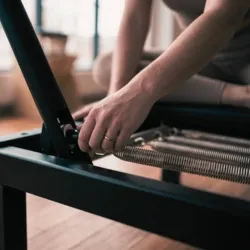
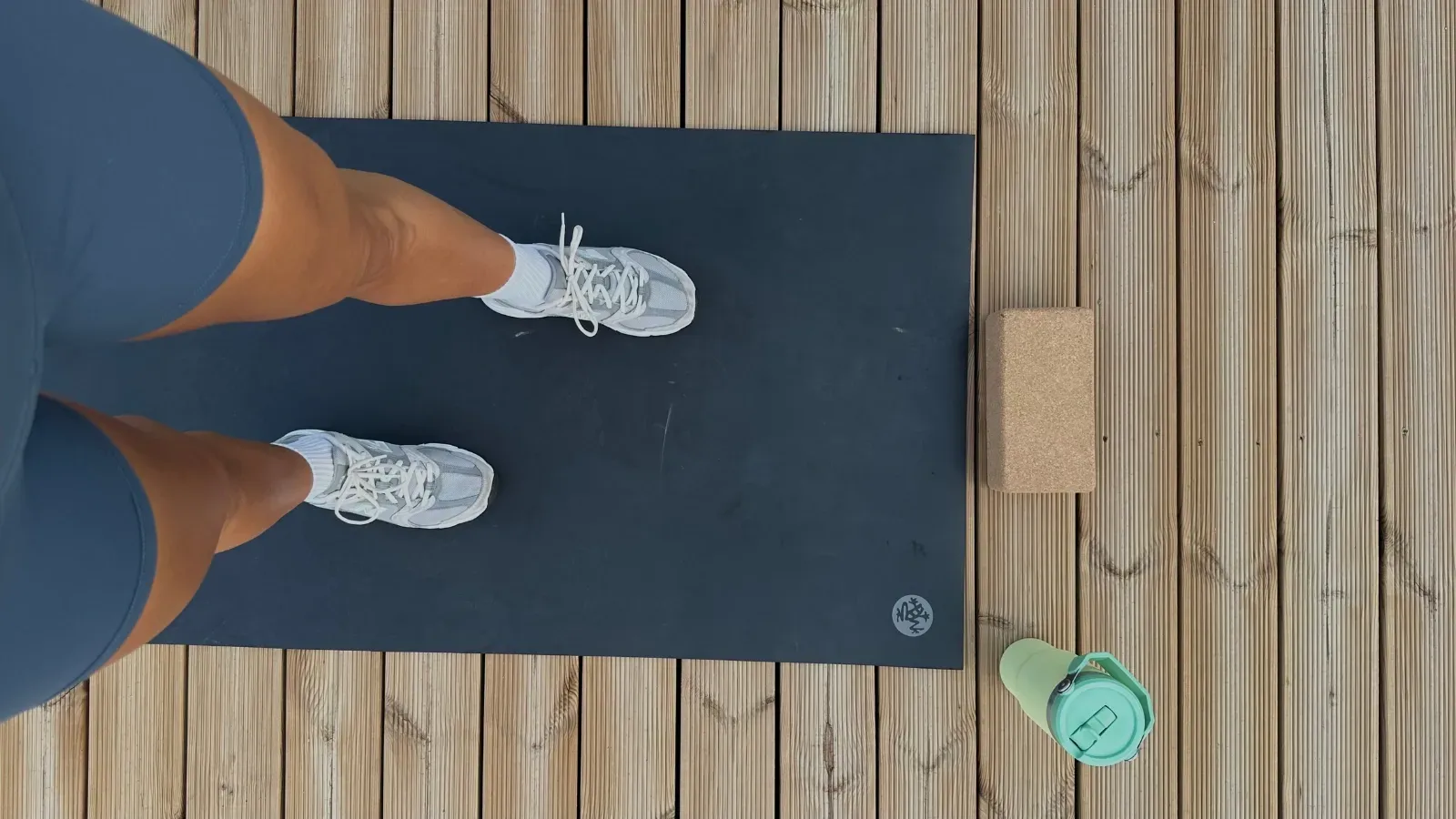
Some weeks ago, I thought I had the perfect idea. I wanted to refresh my movement routine without hiring a private coach or scrolling through endless social media fitness influencers selling $50 PDF guides. So, I turned to AI. Since everyone is using or getting stressed about AI, I thought I could at least give it a shot in a real-world problem to see how it can actually help. I opened a chat, I fed it my goals, my schedule, and my available equipment, expecting a sleek, customized, hyper-efficient training plan.
What I got instead was a masterclass in why artificial intelligence has zero physical intuition.
On paper, the prompt was airtight. In reality, the AI handed me a routine that managed to be simultaneously absurd and wildly generic. One day it wanted me to do high-volume plyometrics mixed with heavy compound movements that would have wrecked anyone's lower back; the next day, it handed me a routine so uninspired it felt like a warm-up for a warm-up. But I thought at least I could give it a shot and I realized that attempting to train with an algorithm revealed three very clear truths about fitness, technology, and why human intuition still wins every time.
1. AI Doesn't Understand Movement Mechanics or Fatigue
An algorithm can pull every exercise variation in existence from its database, but it has no understanding of how those movements actually feel in a human body when chained together.
It will blithely suggest pairing heavy spinal-loading exercises with intense core burnouts in the exact same sequence, completely ignoring how central nervous system fatigue works. It doesn't know that after forty-five minutes of deliberate work, your form naturally degrades, or that certain transitions between equipment are just logistically annoying in a real room. It views a workout as a mathematical equation, not a physical experience.
2. It Lacks the Nuance of Daily Readiness
The fundamental flaw with an AI-generated fitness plan is its rigidity disguised as personalization. A computer program doesn't know if you slept four hours last night, if your stress levels are through the roof, or if your shoulders feel tight from sitting at a desk all day.

When you work out with a real understanding of your body—or with a human trainer—you adjust on the fly. You dial back intensity when your nervous system is fried, and you push harder when you have surplus energy. AI can’t read the room, nor can it read your body language. It just expects you to execute the script while happily motivating you that you “can do it!”
3. Personality Matters More Than Perfection
Fitness isn't just about output; it's about engagement. The routine the AI generated was technically full of "effective" exercises, but it was utterly soulless. There was no rhythm to the programming, no flow to the transitions, and zero joy in the execution.
Movement requires connection. Whether you prefer the precise, deliberate control of Pilates, high-intensity strength work, or outdoor conditioning, the best workout is always the one that makes you feel grounded, capable, and energized, and not like you're executing a checklist for a computer.
The Result
AI is fantastic for quick ideas, organizing data, or drafting a basic outline. But when it comes to the physical reality of moving your body, respecting your joints, and building sustainable energy, an algorithm is a terrible personal trainer. And you run the risk of injuring yourself trying to complete the session.
Use technology to track your metrics if you want to, but leave the actual programming to human expertise, and more importantly, to your own body's feedback.