
Navigating workplace toxicity is rarely about loud confrontations or slammed doors—more often, it is a quiet, exhausting game of psychological subtext. Here, one professional shares her story of surviving a director who mastered the art of backhanded praise, hidden agendas, and annual review blindsides, and the exact strategy she used to take her power back.
As shared with Tonia.
I used to believe that this whole "passive-aggressive manager" thing was a bit of an exaggeration—that people were simply being too sensitive to deal with the real world. Until I experienced it firsthand.
I had just landed a role at a company I’d been eyeing for months. The title was a solid step up, and while the salary wasn't exactly making me rich, the prospects were great. I was finally in a place where I felt my work could actually lead somewhere. I was genuinely excited, ready to over-deliver, and naive enough to think that good output was all that mattered.
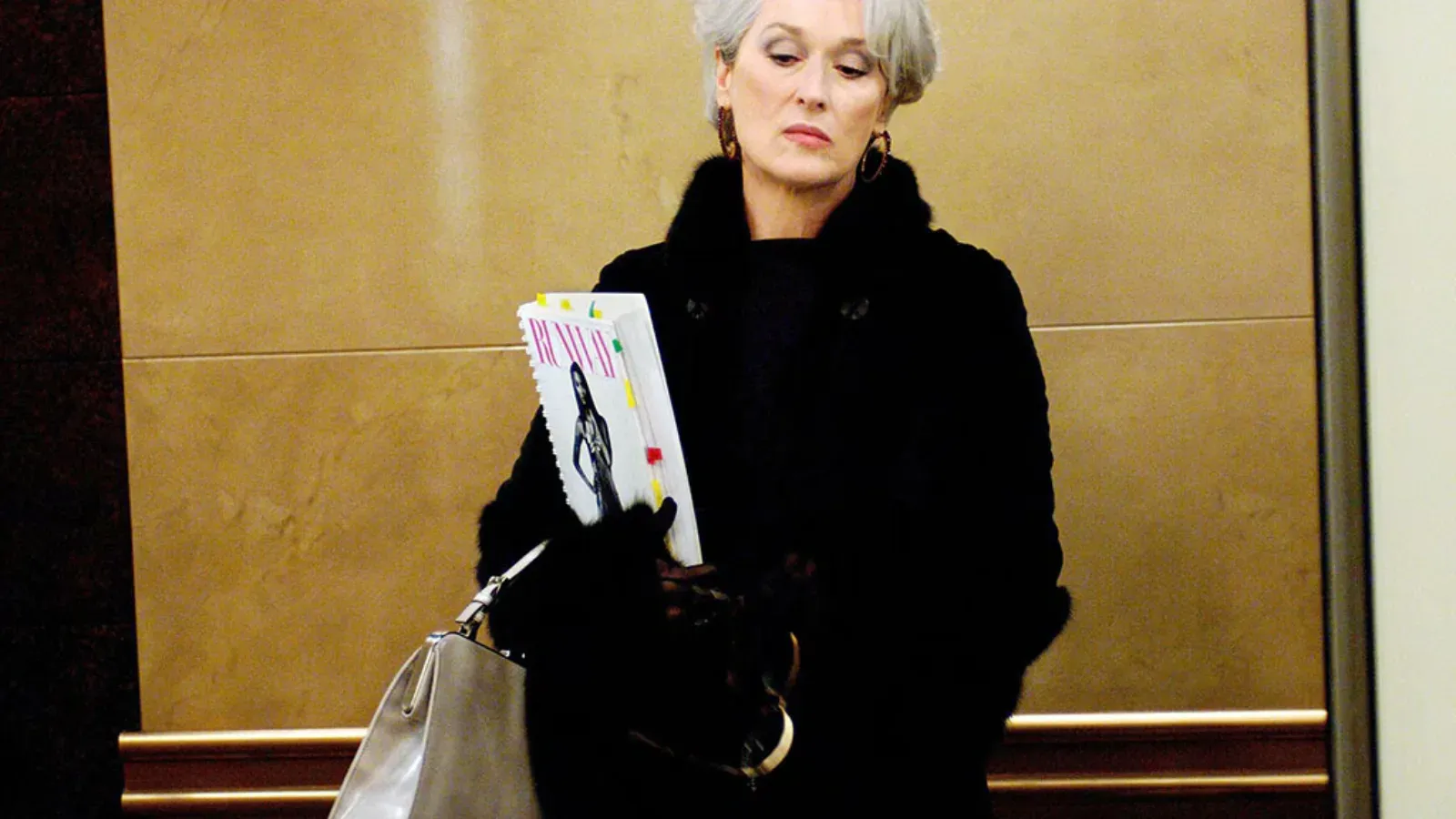
Enter my director—let’s call her Miranda (pun intended). On the surface, Miranda was all smiles, warm coffee chats, and enthusiasm. But it didn’t take long for the psychological games to start.
Her first favorite tactic was withholding critical information. She would "forget" to loop me in on key client updates or important decisions, wait for me to execute the task based on outdated specs, and then watch me mess up. When the mistake happened, she wouldn't yell. She’d just tilt her head in front of the team and say, "Oh, I thought that was obvious! My fault, I shouldn’t have assumed you knew how we do things here."
Then came the 1-on-1 feedback trap. During our private check-ins, she would lean in, put on her most nurturing voice, and ask for "honest feedback on how we can improve our dynamic." The first time I fell for it and gently brought up a minor bottleneck that made her look slightly imperfect, the shift was instant. She didn't get angry; she simply launched a polite, passive-aggressive character assassination wrapped in velvet, that is questioning my maturity, my commitment, and my ability to handle pressure.
The ultimate betrayal, though, was her performance review strategy. Day to day, she was a fountain of praise. Everything was "Amazing job!" and "So glad you're on the team!" But when the official annual evaluation rolled around, she completely blindsided me. She dumped a list of heavy critiques and supposed failures on HR's desk—things she had literally never mentioned to me once in six months. When I brought up a Slack message where she had explicitly praised me for a deadline, she gave me a sweet, patronizing smile and told me she was just trying to keep my morale up at the time, but that we needed to be realistic about my output now.

For months, I lived in a constant state of low-grade panic, checking my sent folder at 11:00 PM and re-reading three-line emails four times before hitting send.
The change happened the day I stopped trying to address the "vibe" or win her approval. My initial mistake was trying to schedule quick chats to see if we were "good." Big mistake. That gave her the exact platform she wanted to play the misunderstood victim and frame me as anxious or incompetent. So, I changed my approach entirely: I stopped taking her verbal feedback seriously and started archiving cold, unassailable facts.
I realized passive aggression only works when there’s no paper trail. The moment everything is documented in black and white, the subtext evaporates.
After every single verbal sync, I sent an immediate follow-up email outlining every decision, timeline, and piece of information provided, writing something like: "Hi Miranda, per our conversation, confirming that I will proceed with Option A using the specs shared today. Please let me know by EOD if any updated documents exist."
During those traps in our 1-on-1s, I stopped offering personal opinions altogether and stuck strictly to operational questions, letting her know my focus was entirely on hitting our KPIs and asking whether any specific metric on my current deliverables wasn't meeting expectations.
When she sent indirect jabs or vague requests in private DMs, I shifted the conversation to the main team channel, replying: "Following up on your message regarding the campaign deck, here is the link to the approved version from Tuesday."
And when she made backhanded remarks during team calls, like complaining that it must be nice to wrap up right at 5:00 PM, I didn't laugh or apologize. I looked directly into the camera and asked with genuine, calm curiosity: "Could you clarify what you mean by that?"
Watching a passive-aggressive manager try to explain a sarcastic comment out loud to five quiet colleagues is a religious experience. She stumbled, mumbled something about a joke, and never attempted it again.
Within two months of keeping strict, emotionless documentation, Miranda stopped targeting me altogether. Passive-aggressive people feed on emotional reactions, and when you starve them of drama, they move on.
When review season came around again, and she attempted another blindside, I didn't argue. I simply brought a printed, chronological binder of emails, approved briefs, and sign-offs that disproved every single vague criticism she had written down.
Her boss took one look at the paper trail, bypassed her entirely, and approved my transfer to another department three weeks later.
You will never win an emotional argument with a passive-aggressive boss. But you will win every single time if you force them to play in the cold, clear light of documented facts.