
So you've been hearing about fibermaxxing all over your FYP, and now you're wondering if you need to start eating salads for breakfast and carrying around mason jars of chia pudding. Spoiler alert: you absolutely don't.
Let's be real—most of us are walking around chronically under-fibered without even knowing it. We're talking bloating, unpredictable digestion, that 3 p.m. energy crash that has you reaching for your third coffee, and feeling hungry an hour after eating a full meal. Yeah, fiber might actually be the unglamorous hero you didn't know you needed.
But before you start picturing yourself meal-prepping quinoa bowls at 6 a.m. or choking down dry bran muffins, take a breath. I asked Aliona Stratulat, registered dietician and nutritionist, and she helped me understand fibermaxxing and how to do it when my schedule is just packed. So, here is the lazy girl's guide to fibermaxxing, which means we're doing this the easiest, most painless way possible. We're talking small swaps, sneaky additions, and products that do the heavy lifting for you. Because honestly? If it's complicated, we're not doing it.
What Even Is Fibermaxxing?
Fibermaxxing is exactly what it sounds like—maximizing your fiber intake to improve digestion, energy, and overall health. It's not a diet, a cleanse, or another wellness trend that requires you to eliminate entire food groups. It's simply about getting enough fiber in your day, which most of us very much are not.
The average woman needs about 25 grams of fiber daily. Most of us are getting maybe 15 grams on a good day. That gap might not sound dramatic, but it's enough to mess with your digestion, blood sugar stability, hunger levels, and even your skin.
Fiber is the part of plant foods your body can't digest, which sounds useless but is actually crucial. It keeps things moving through your digestive system, feeds your gut bacteria (the good kind), helps regulate blood sugar, and keeps you fuller longer. Basically, it's doing a lot of behind-the-scenes work that makes everything else function better.
And the best part? You don't need to overhaul your entire diet or start eating like a health influencer. You just need to make smarter swaps and add fiber-rich foods where they actually fit into your life.
Why You Should Actually Care About Fiber
Okay, so fiber isn't exactly sexy. It's not going to give you glass skin or make you lose 10 pounds overnight. But it will make you feel noticeably better in ways you probably didn't realize were connected to what you're eating.
Your Digestion Will Actually Work
If you've ever experienced bloating that makes you unbutton your jeans by 3 p.m., or unpredictable bathroom situations that dictate your entire schedule, fiber can genuinely help. It adds bulk to your digestive system and keeps everything moving at a normal pace—not too fast, not too slow.
We're not talking about those extreme "detox" claims. Just regular, predictable digestion that doesn't make you feel uncomfortable or self-conscious. Revolutionary? Maybe not. Life-changing? Absolutely.
You'll Stop Feeling Hungry an Hour After Eating
Ever eat a full breakfast and then find yourself starving by 10 a.m.? That's often a fiber issue. High-fiber foods slow down digestion (in a good way), which means your blood sugar stays more stable and you actually feel satisfied after meals.
This isn't about restriction or eating less—it's about eating foods that actually keep you full instead of leaving you hunting through your desk drawer for snacks every two hours.
Your Energy Won't Crash Mid-Afternoon
That 3 p.m. slump where you consider napping under your desk? Fiber helps with that too. By stabilizing your blood sugar throughout the day, you avoid those dramatic energy crashes that make you feel like you need an IV of cold brew to function.
You'll still want coffee (we're not monsters), but you won't need it just to stay conscious.
Your Skin Might Even Improve
Good digestion and clear skin are more connected than you'd think. When your gut is functioning properly and inflammation is lower, it often shows up in your complexion. We're not promising miracle results, but better gut health can mean less breakouts and more even skin tone.
The Easiest Fiber Swaps That Require Zero Effort
This is where fibermaxxing gets lazy-girl-friendly. You're not adding complicated recipes or buying weird ingredients. You're literally just swapping what you already buy for slightly different versions.
White Bread → Whole Grain or Seeded Bread
We're not telling you to give up bread (absolutely not). Just buy the whole grain version instead. Brands like Dave's Killer Bread or Ezekiel make options that actually taste good and have 4-5 grams of fiber per slice compared to basically zero in white bread.
Your sandwich tastes the same. Your toast is exactly as satisfying. But you just added 8-10 grams of fiber to your day without thinking about it.
Regular Pasta → Chickpea or Lentil Pasta
Alright, don’t panic. Chickpea pasta from brands like Banza actually tastes really similar to regular pasta, but it has like 13 grams of fiber per serving compared to 2-3 grams in regular pasta. It's the same texture, cooks the same way, and works with whatever sauce you were already planning to use.
If you're skeptical, try it once. You might be surprised. And if you hate it, regular whole wheat pasta is still a fiber upgrade from white pasta.
White Rice → Brown Rice or Quinoa
Yes, brown rice takes longer to cook, but you can buy the microwavable pouches that are ready in 90 seconds. Same with quinoa. These swaps add an extra 3-4 grams of fiber per serving and require literally zero additional effort if you're buying the pre-cooked versions.
Mix it half-and-half with white rice if you're not ready to fully commit. You still get the fiber boost without feeling like you're eating health food.
Regular Yogurt → Greek Yogurt with Chia Seeds
This one's almost too easy. Take your regular yogurt (or upgrade to Greek for extra protein), stir in a tablespoon of chia seeds, wait five minutes, and boom—you just added 5 grams of fiber. The chia seeds create this pudding-like texture that's actually really good, and you can barely taste them.
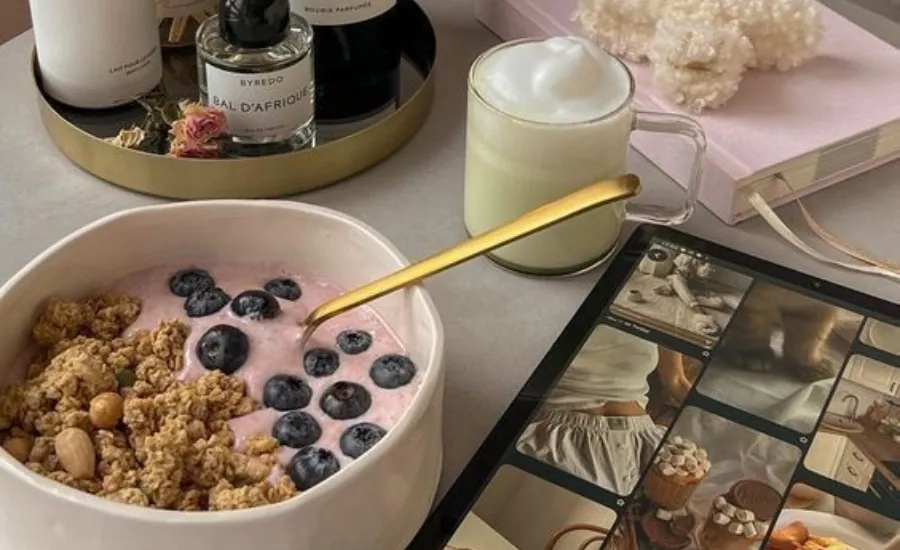
Add some berries and granola, and you've got a breakfast with 10+ grams of fiber without cooking anything or following a recipe.
Regular Snacks → High-Fiber Versions
You don't have to give up snacking. Just swap your regular options for high-fiber versions that taste equally good. Think homemade popcorn instead of chips (3 grams of fiber per serving), apples with almond butter instead of crackers (4 grams), or fiber-rich protein bars like RXBARs or KIND bars.
Sneaky Ways to Add Fiber Without Trying
Beyond swaps, there are ways to boost fiber in things you're already eating without changing the recipe or even really noticing the difference.
Throw Chia or Flax Seeds Into Everything
Chia seeds and ground flaxseed are like the lazy girl's secret weapons. They have basically no taste, but they're packed with fiber (5 grams per tablespoon for chia, 3 grams for flax).
Stir them into yogurt, oatmeal, smoothies, or even just a glass of water. You won't notice them, but your digestive system definitely will (in a good way). Keep a container on your counter and just sprinkle them on things throughout the day.
Add Frozen Berries to Literally Anything
Frozen berries are cheap, last forever, and have 4-8 grams of fiber per cup, depending on the type. Throw them in smoothies, yogurt, oatmeal, or even just eat them semi-thawed as a snack. They're sweet enough to feel like dessert but nutritious enough to count as fibermaxxing. This is the kind of win-win situation we're looking for.
Keep Canned Beans in Your Pantry
Beans get a bad reputation for being boring, but they're actually versatile and ridiculously high in fiber—like 10-15 grams per cup. Canned beans require zero prep. Just rinse and add them to salads, grain bowls, tacos, pasta, or soup.
Black beans, chickpeas, white beans—they all work. Keep a few cans on hand and throw them into whatever you're making. It takes 30 seconds and instantly makes your meal more filling and fiber-rich.
Eat Your Fruit Whole, Not Juiced
This one's simple: whole fruit has fiber, juice doesn't (or has way less). An apple has 4 grams of fiber. Apple juice has basically zero. Same with oranges, berries, and everything else. You don't have to eliminate juice completely, but if you're trying to fibermax, eating the actual fruit is the move. Plus, it's more satisfying and keeps you fuller longer.
Don't Peel Your Vegetables
So much of the fiber in vegetables is in the skin—potatoes, carrots, cucumbers, apples. Unless the recipe specifically requires peeling, just scrub them well and leave the skin on. It's less work for you and more fiber for your digestive system.
Roasted potatoes with the skin on? Delicious and fiber-rich. Carrot sticks with hummus? Leave the peel. You're already doing the thing by being lazy about peeling.
Lazy Girl High-Fiber Meals That Don't Require Cooking Skills
You don't need to become a meal prep influencer to get enough fiber. These meals require minimal effort and zero cooking skills.
Overnight Oats (Fiber: 8-12 grams)
Mix oats, milk (dairy or non-dairy), chia seeds, and whatever toppings you want in a jar. Put it in the fridge overnight. Wake up to breakfast that's already made.
Add berries, banana, almond butter, or honey for flavor. The oats have fiber, the chia seeds have fiber, the fruit has fiber. You've hit double-digit grams of fiber before 9 a.m. without turning on the stove.
Avocado Toast on Whole Grain Bread (Fiber: 10-12 grams)
Yes, it's basic. Yes, it's everywhere. But it works. Whole grain bread (5 grams) plus half an avocado (5 grams) equals 10 grams of fiber with literally two ingredients.
Top it with everything bagel seasoning, a fried egg, hot sauce, whatever. You're getting your fiber either way. Sometimes the simple solutions are the best ones.
Pre-Made Salad Kit with Beans and Seeds (Fiber: 8-15 grams)
Buy the bagged salad kits from the grocery store (Southwest, Mediterranean, Asian-inspired—whatever you like). Dump in a can of rinsed chickpeas or black beans. Sprinkle some sunflower or pumpkin seeds on top.
You just made a high-fiber meal in under three minutes with zero chopping or cooking. The greens, beans, and seeds combine for serious fiber content, and it actually tastes good.
Chickpea Pasta with Marinara and Veggies (Fiber: 15-18 grams)
Cook chickpea pasta according to package directions (literally the same as regular pasta). Heat up jarred marinara sauce. Throw in some frozen spinach or vegetables.
The pasta alone gives you 13 grams of fiber. The sauce and vegetables add more. You made a fiber-rich dinner in 15 minutes using three ingredients from a jar and a box.
Greek Yogurt Bowl with Fruit and Granola (Fiber: 7-10 grams)
This is barely cooking—it's assembling. Greek yogurt, berries, high-fiber granola, maybe some sliced banana or a drizzle of honey. That's it.
The berries and granola bring the fiber content up significantly. It works for breakfast, lunch, or a snack. And it feels indulgent enough that you don't feel like you're eating diet food.
Products That Make Fibermaxxing Stupidly Easy

Sometimes you just need to buy your way into better nutrition, and that's completely valid. These products do the heavy lifting for you.
Fiber Supplements (If You Really Can't With Food)
Look, we're all about getting fiber from actual food, but if you're consistently falling short and need a boost, fiber supplements exist for this reason. Benefiber or similar products dissolve in water, coffee, or smoothies and add 3-4 grams of fiber per serving.
They're not a replacement for eating vegetables, but they're a helpful backup on days when your diet consists entirely of coffee and stress.
High-Fiber Protein Bars
Not all protein bars are created equal, but some brands pack in serious fiber along with the protein. Quest Bars have 14 grams of fiber, RXBARs have around 5 grams, and KIND bars vary but often have 5-7 grams.
Keep a few in your bag or desk drawer for emergency snacking. You get something sweet that actually keeps you full, and you're hitting your fiber goals without thinking about it.
Pre-Cooked Grains and Beans
Those microwavable pouches of quinoa, brown rice, and lentils from Trader Joe's or Seeds of Change are genuinely helpful. They're ready in 90 seconds, taste good, and eliminate the "I don't want to cook" excuse.
Yes, they cost more than cooking from scratch, but if the choice is between a $3 pouch of pre-cooked quinoa or ordering delivery because you can't be bothered, the quinoa wins financially and nutritionally.
Chia Seed Pudding Cups
Some brands now sell pre-made chia pudding cups that you can just grab from the fridge. They have 5-7 grams of fiber per serving, come in flavors like vanilla, chocolate, or berry, and require zero preparation.
It's the ultimate lazy girl fibermaxxing product—literally just open and eat. They're more expensive than making your own, but sometimes convenience is worth paying for.
Common Fibermaxxing Mistakes (Learn From My Pain)
Before you go all-in on fiber, there are a few things you should know to avoid some genuinely uncomfortable situations.
Don't Go From Zero to 50 Grams Overnight
If you currently eat 10-15 grams of fiber daily and suddenly jump to 40 grams, your digestive system will riot. We're talking bloating, gas, cramps—the whole uncomfortable experience.
Increase gradually. Add 5 grams this week, another 5 next week, and so on. Give your gut time to adjust, it will thank you for the consideration.
Drink More Water (Like, Actually)
Fiber works by absorbing water in your digestive system. If you increase fiber without increasing water, you'll end up constipated, which is the opposite of what we're going for.
Aim for at least 8 glasses of water daily, more if you're eating a lot of fiber. Keep a water bottle with you and actually drink from it. Revolutionary concept, I know.
Not All High-Fiber Foods Are Created Equal
Some processed foods add isolated fiber (like inulin or chicory root) to boost the fiber content on the label, but they can cause digestive issues for some people. If something labeled "high fiber" makes you feel bloated or uncomfortable, it might be the type of fiber rather than fiber itself.
Stick with foods that naturally contain fiber—fruits, vegetables, whole grains, beans—and you'll generally feel better than relying on heavily processed high-fiber products.
What to Realistically Expect When You Start Fibermaxxing
We're not going to promise that adding fiber will change your life overnight, but you can expect noticeable improvements within a few weeks.
Your digestion will become more predictable and comfortable. You'll spend less time feeling bloated or uncomfortable, and bathroom situations will regulate themselves. This is probably the most immediate and noticeable benefit.
Your energy levels will stabilize throughout the day. Those dramatic blood sugar crashes that leave you desperate for caffeine or sugar will become less frequent. You won't feel perfect every day (we're still human), but the extreme ups and downs will mellow out.
You'll stay fuller between meals. Aka, less mindless snacking and fewer instances of being absolutely starving an hour after eating. Your meals will actually hold you over until the next one without needing constant grazing.
Your skin might improve. Better gut health often translates to clearer skin, though this varies by person and takes longer to notice than the digestive benefits.
You probably won't lose weight from fiber alone, and that's fine. Fibermaxxing isn't about restriction or weight loss—it's about feeling better and supporting your body's basic functions. If weight changes happen, they're a side effect of improved overall nutrition, not the primary goal.
The whole point of this lazy girl approach to fibermaxxing is that it doesn't require perfection or massive lifestyle overhauls. You're not training for a wellness competition or trying to optimize every single thing you eat. You're just making small, sustainable changes that happen to significantly improve how you feel.