
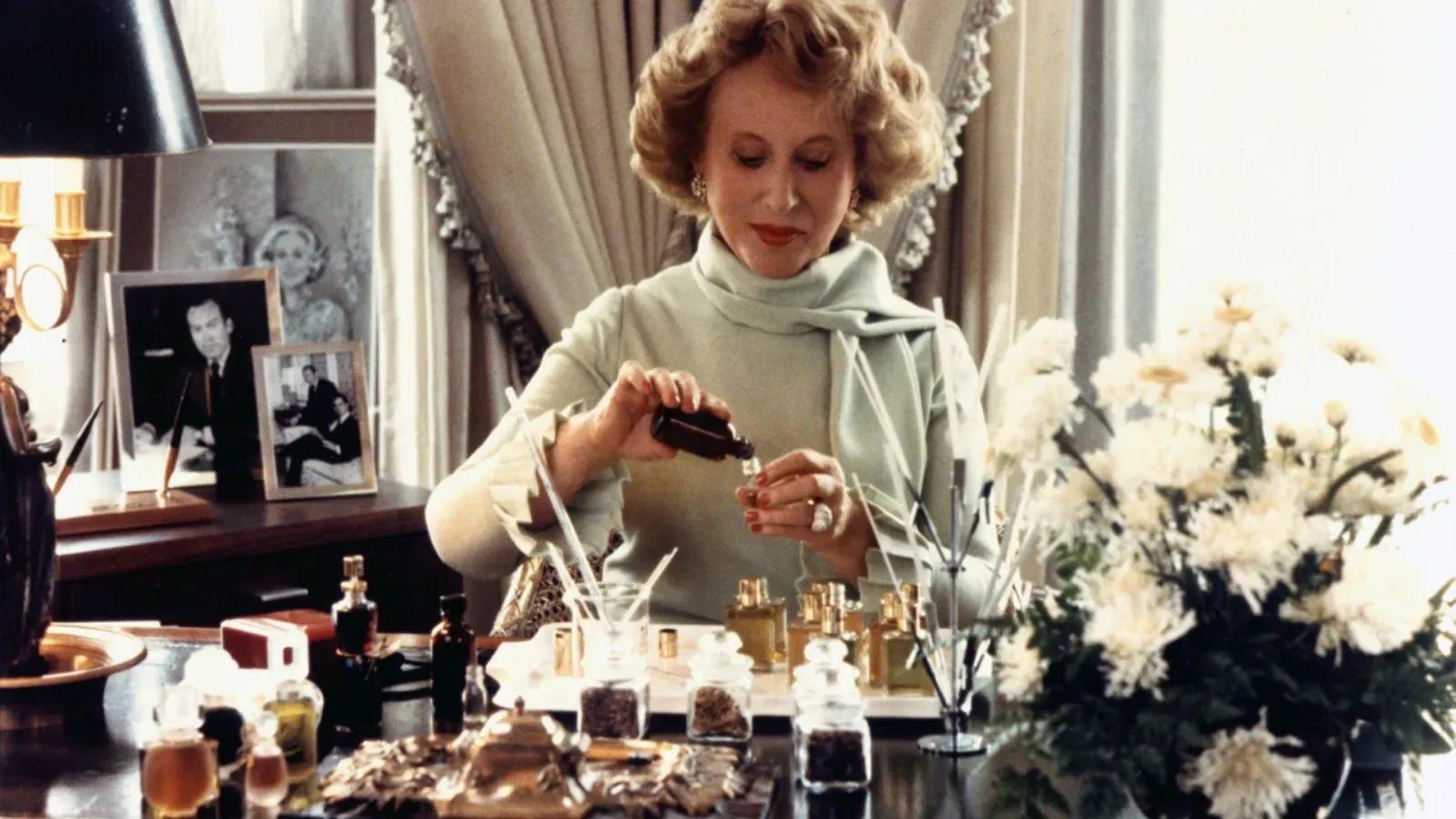
Estée Lauder’s rise from a kitchen-based startup to a $100 billion empire proves that a premium brand is built on relentless persistence and a refusal to accept market rejection. Long before modern influencer culture, Estée Lauder pioneered high-impact tactics like the "Gift with Purchase" and the power of the free sample, prioritizing customer experience over traditional advertising. By leveraging an intuitive understanding of her audience, Lauder transformed her personal perspective into a competitive advantage, proving that staying true to one's vision is a core business asset.
The Bottom Line: Success is not a result of perfect timing or unlimited resources, but of strategic intentionality and the courage to advocate for your brand when every door is closed. It's 1946, and a woman is standing outside Saks Fifth Avenue with a jar of face cream she made in her kitchen. She's been told no by every department store buyer in New York. But Estée Lauder isn't someone who takes no for an answer. Fast forward to today, and the Estée Lauder Companies are worth over $100 billion, selling products in 150 countries. Not bad for someone who started with nothing but determination and a dream. If you've ever felt like your ambitions are too big, or wondered if you really have what it takes to build something extraordinary, Estée's story will prove that the answer is yes.
From Queens to Beauty Queen: Estée's Early Beginnings
Born Josephine Esther Mentzer in 1908 in Queens, New York, Estée Lauder grew up in a working-class immigrant family. Her father ran a hardware store, and young Estée spent her childhood watching him interact with customers, learning early on that relationships matter in business. But it was her uncle, John Schotz, a chemist who created skin creams in a makeshift laboratory behind their family home, who truly sparked her passion.
Estée became obsessed with her uncle's formulas. She would watch him work for hours, memorizing ingredients and techniques. She believed that every woman deserved to feel beautiful, and she saw skincare not as vanity, but as self-care and confidence. At a time when most beauty products were sold in pharmacies with little fanfare, Estée envisioned something different—a luxury experience that made women feel special.
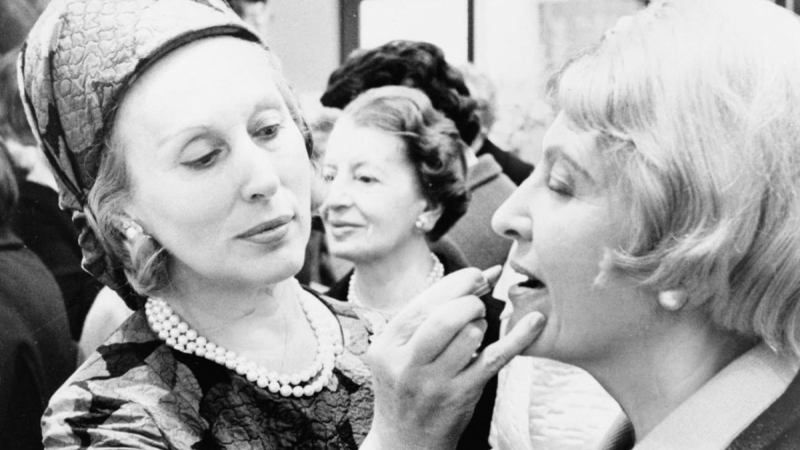
After marrying Joseph Lauder in 1930 (she later changed the spelling of their last name to make it sound more elegant), Estée began selling her uncle's creams to friends and at beauty salons. She didn't have a fancy marketing budget or a business degree. What she had was hustle, charm, and an unwavering belief in her product. She would give demonstrations, letting women touch and feel the creams, and she'd tell them they looked beautiful. It wasn't just about selling a product—it was about creating an experience.
Modern lesson? You don't need a perfect pedigree or millions in funding to start. Estée proved that passion, persistence, and genuine connection with your audience can take you further than any expensive degree or family money.
Building an Empire: The Birth of Estée Lauder Companies
In 1946, Estée and Joseph officially launched Estée Lauder Companies with four products: Super Rich All-Purpose Cream, Creme Pack, Cleansing Oil, and Skin Lotion. They sold them out of their modest apartment and at small boutiques around New York. But Estée knew that to really succeed, she needed to get into the prestigious department stores where wealthy women shopped.
Getting into department stores in the 1940s was nearly impossible for a woman-owned business. Buyers dismissed her, telling her the market was already saturated with beauty products. But Estée was strategic. She targeted Saks Fifth Avenue with relentless determination. Legend has it that she once "accidentally" spilled her Youth Dew perfume on the floor of a Saks store. The incredible scent attracted so many customers asking about it that the store had no choice but to carry her products.
Whether or not that story is entirely true, what's undeniable is Estée's genius for creating buzz and demand. She understood something revolutionary: women didn't just want products; they wanted an experience, a transformation, and a dream. She positioned her brand as aspirational yet accessible, premium but personal.
By the 1960s, Estée Lauder Companies had expanded internationally, and Estée herself became a household name. She proved that a woman could build not just a business, but an empire that would outlast her—and she did it all without compromising her vision or her values.
Revolutionary Marketing Tactics That Changed the Industry
Estée Lauder didn't just sell beauty products—she revolutionized how beauty products were sold. She pioneered marketing strategies that the entire industry still uses today, and many of her tactics were born from necessity and creative problem-solving rather than big budgets.
The Power of the Free Sample
When buyers wouldn't stock her products, Estée took matters into her own hands. She would set up impromptu demonstrations at beauty salons, country clubs, and even on the street. But her secret weapon? Free samples. She believed that once women tried her products, they would be hooked. And she was right. This wasn't just generosity—it was strategic brilliance. She created trial opportunities that turned skeptics into loyal customers.
Gift with Purchase
Estée also invented the "gift with purchase" concept that's now ubiquitous in the beauty industry. She understood that women loved getting something extra, something that made them feel valued. It wasn't about discounting her products—it was about adding value and creating excitement around the purchase experience.
Personal Touch at Scale
Even as her company grew, Estée insisted on maintaining a personal connection with customers. She trained her sales staff to touch customers' faces, to apply products themselves, to make every woman feel like they were receiving personalized attention. She understood that luxury wasn't just about expensive ingredients—it was about how you made people feel.
For modern working women, Estée's marketing genius offers crucial lessons: understand your customer deeply, create experiences rather than transactions, add value instead of competing on price, and never underestimate the power of a personal touch, even in a digital world.
Breaking Through in a Man's World
Building a business empire as a woman in the mid-20th century meant constantly fighting to be taken seriously. The boardrooms were full of men who thought women should be customers, not CEOs. Estée faced skepticism, condescension, and outright rejection throughout her career. Department store buyers would brush her off, business partners would question her judgment, and competitors would underestimate her.
But Estée had a secret weapon: she refused to play by their rules. While other business owners would accept the traditional path, Estée created her own. When buyers said no, she went directly to customers. When they said women's businesses couldn't scale, she proved them wrong. When they said she should settle for being a regional brand, she went international.
What's particularly remarkable is how Estée leveraged what others saw as weaknesses into strengths. Her femininity, her understanding of women's desires, her intuitive grasp of beauty and presentation—these weren't disadvantages in a male-dominated industry. They were her competitive advantages. She understood her customer because she was her customer. She knew what women wanted because she wanted it too.
Estée also understood the importance of appearance and presentation in a way that went beyond vanity. She knew that looking polished and professional was strategic—it commanded respect and opened doors. She was always impeccably dressed, beautifully made up, and exuding confidence. This wasn't about conforming to others' expectations; it was about wielding her personal brand as a business asset.
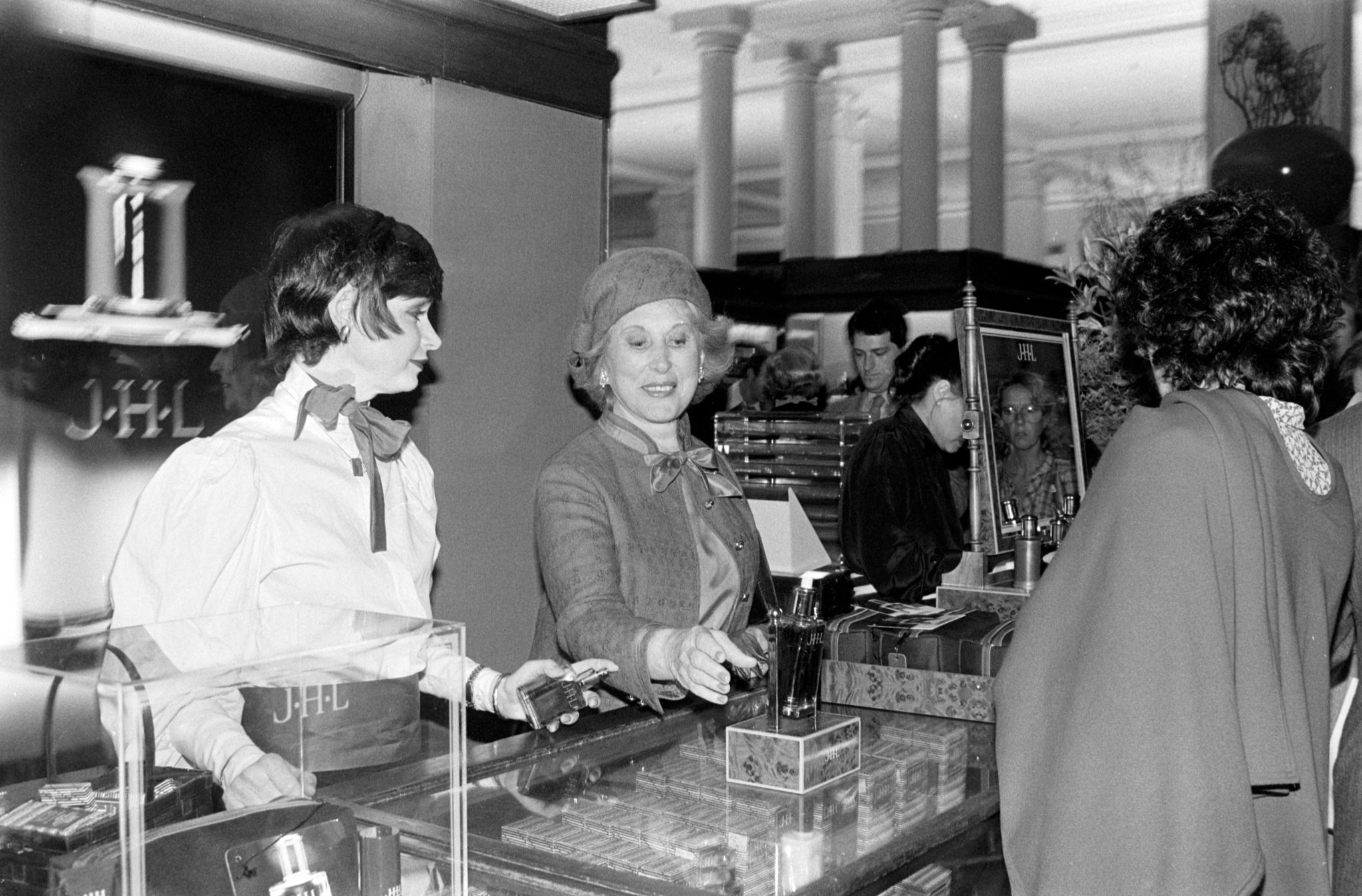
By the time she was in her sixties and seventies, Estée had become one of the wealthiest self-made women in the world. She had proven that a woman could build, scale, and sustain a global business empire. And she did it without losing her voice, her vision, or her values.
Leadership Lessons for Modern Working Women
Estée Lauder's story offers timeless lessons for any woman navigating her career today, whether you're building your own business, climbing the corporate ladder, or figuring out your next move.
1. Persistence Beats Perfection
Estée didn't wait until she had the perfect product, the perfect pitch, or the perfect moment. She started with what she had—her uncle's formulas, her charm, and her determination. She learned as she went, adjusted her approach based on feedback, and never let rejection stop her. Today's lesson? Stop waiting for perfect conditions. Start with what you have and improve as you go.
2. Your Unique Perspective Is Your Advantage
Estée succeeded precisely because she understood women's desires in a way male competitors couldn't. Whatever makes you different—your background, your experiences, your perspective—isn't a liability. It's your competitive edge. Lean into what makes you different, not away from it.
3. Relationships Are Everything
From her earliest days selling creams to friends, Estée understood that business is fundamentally about relationships. She remembered names, made personal connections, and treated every customer like they mattered. In our digital age, this lesson is more important than ever. Invest in real relationships, not just transactions.
4. Create Experiences, Not Just Products
Estée never sold face cream—she sold confidence, beauty, transformation. Whatever your work, ask yourself: what experience am I creating? How am I making people feel? The most successful professionals aren't just good at their jobs; they create meaningful experiences for the people they serve.
5. Never Stop Being Strategic
Every move Estée made was calculated. The "accidental" perfume spill, the free samples, the gift with purchase—these weren't random acts of generosity. They were strategic decisions designed to create specific outcomes. Success isn't just about working hard; it's about working smart and being intentional with every decision.
The Legacy That Lives On
Estée Lauder passed away in 2004 at the age of 97, but her empire continues to thrive. The Estée Lauder Companies now include brands like MAC, Clinique, Origins, La Mer, Bobbi Brown, and many others. The company she built in her kitchen is now a global powerhouse with over $16 billion in annual revenue and products sold in more than 150 countries.
But more than the financial success, Estée's legacy lives on in how she fundamentally changed the beauty industry. The marketing tactics she pioneered—free samples, gift with purchase, the prestige counter experience—are now industry standards. She proved that women could build world-class businesses and that luxury could be both aspirational and accessible.
For modern working women, Estée's story is more relevant than ever. In a world that often tells women to be smaller, quieter, less ambitious, Estée was unapologetically bold. She dreamed big, worked relentlessly, and refused to accept limitations that others tried to place on her. She didn't wait for permission, she didn't apologize for her ambition, and she didn't let anyone tell her what she couldn't do.
Her life proves that you don't need the "right" background, unlimited resources, or perfect circumstances to build something extraordinary. You need vision, determination, strategic thinking, and the courage to bet on yourself. You need to understand your customer, create genuine value, and never give up—even when every door seems closed.
The Beauty of Building Your Own Empire
Estée Lauder's journey from a girl in Queens making face cream in her uncle's lab to one of the most successful businesswomen in history isn't just an inspiring story—it's a blueprint. It shows that success isn't reserved for people with fancy degrees, family money, or perfect timing. It's available to anyone willing to work for it, believe in themselves, and refuse to take no for an answer.
The next time you doubt whether your ambitions are too big, whether you have what it takes, or whether the world is ready for what you want to build, remember Estée. Remember the woman who turned rejection into resilience, who built relationships into revenue, and who proved that a woman from Queens could build a global empire. Your background doesn't determine your future—your determination does.