

I don't know about you, but when I get home after a—usually—long day at the office, the absolute last thing I have the mental capacity for is evaluating a hundred different streaming options. Yet, there I am: sitting on the couch, endlessly scrolling through algorithmically generated menus, completely frozen by acute decision fatigue, only to default to the exact same background sitcom I’ve seen forty times already.
This isn't just about being tired; it's about being hyper-stimulated. Modern television is explicitly engineered to compete with our phones—hyper-saturated, frantically paced, and built around rapid dopaminergic hooks to keep our eyes glued to a screen. The nineties, by contrast, offered something contemporary television desperately struggles to replicate: real pace, tangible texture, and genuine physical presence.
Characters on 90s shows didn't check their phones when a scene slowed down; they sat on worn leather sofas, drank black coffee in low-lit diners, and engaged in uninterrupted, full-sentence conversations. The fashion was timelessly understated, the cinematography was grounded in warm analog tones, and the background digital noise was entirely nonexistent. Trading algorithm-driven content for genuine 90s television isn't just an exercise in cozy nostalgia—it is a practical, intentional way to downshift your nervous system after a long day. So, if you are ready to ditch the infinite scroll for quiet aesthetic comfort, here are five iconic 90s shows built for a slow, restorative unplug.
1. My So-Called Life (1994)
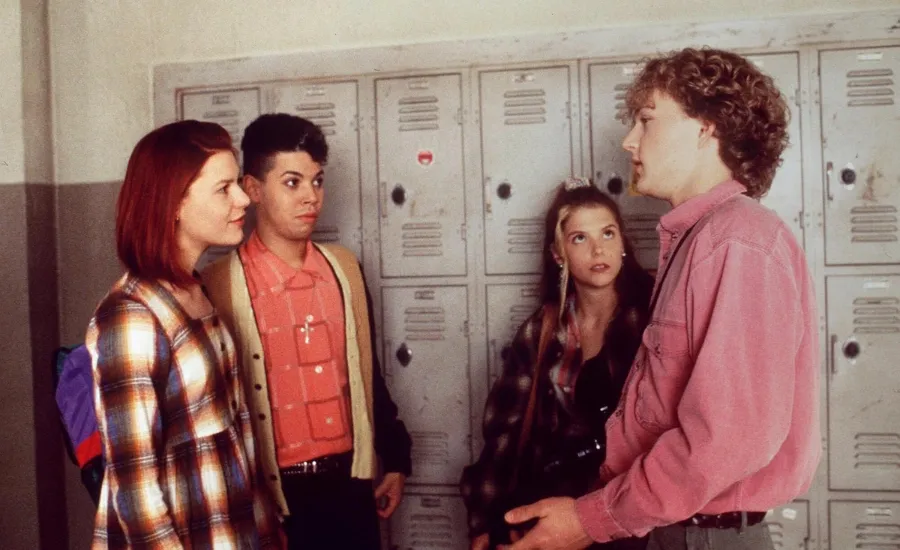
Long before social media turned youth culture into a series of polished highlights, My So-Called Life captured the quiet, awkward friction of growing up with raw nuance and zero performance. Set against a backdrop of flannel shirts, oversized knits, and low-lit suburban autumns, the show relies on unfiltered internal monologues and slow, observational pacing.
It is widely considered a pioneer of modern prestige storytelling precisely because it respects the viewer's patience. Instead of relying on rapid plot twists, it dwells in quiet moments and emotional authenticity, reminding us of an era when personal processing happened in private rather than through a public post.
2. Frasier (1993–2004)
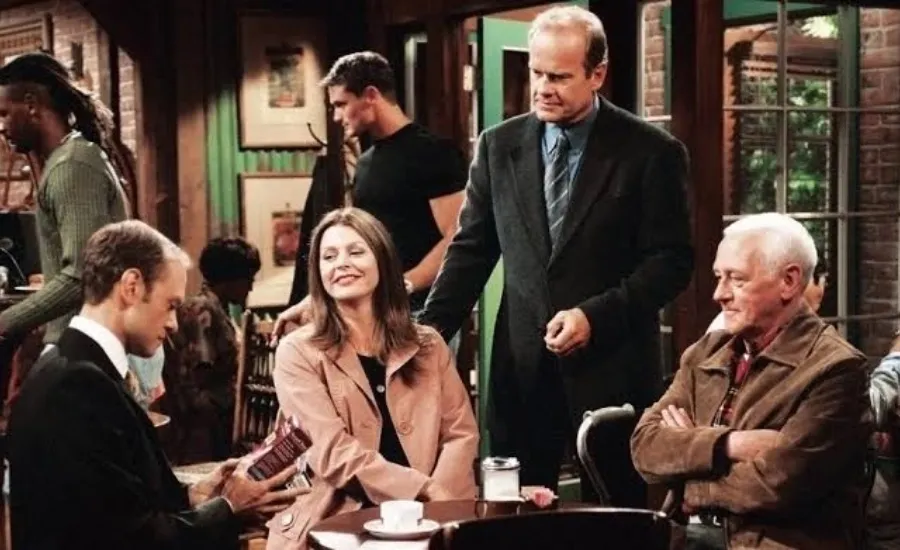
For a completely different texture of comfort, Frasier remains the ultimate benchmark of 90s interior aesthetics and sharp, dialogue-driven comedy. Set in a mid-century modern Seattle apartment anchored by an iconic Eames lounge chair, the narrative revolves around high-brow intellectual banter, Coco Chanel-inspired tailoring, and quiet evenings with sherry by the fireplace.
Aside from its masterclass writing, the show's physical environment offers an immediate sense of warmth and order. It provides an ideal anti-anxiety backdrop after a chaotic workday, allowing you to settle into a world where problems are solved through witty conversation rather than digital urgency.
3. Northern Exposure (1990–1995)
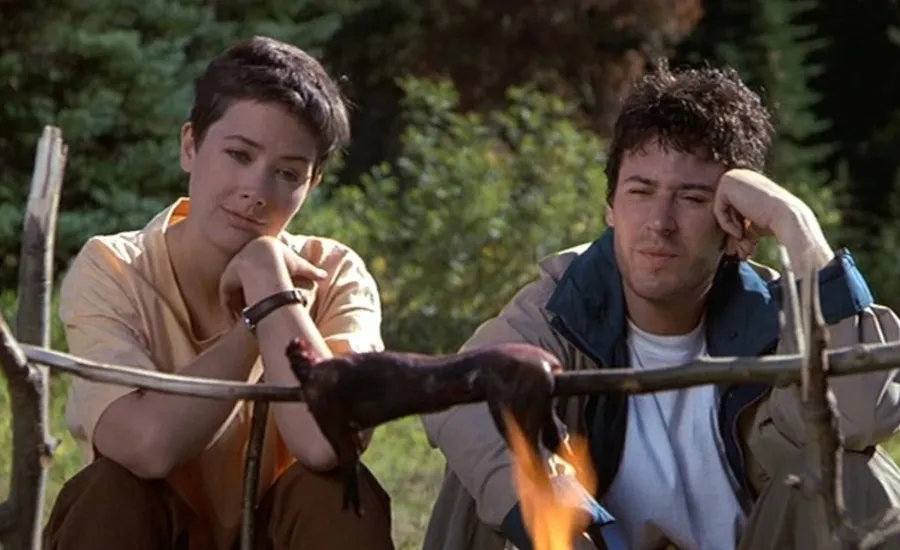
Escaping the modern hustle often requires changing the setting entirely, which is why Northern Exposure holds such enduring appeal. Following a fresh New York medical graduate forced to practice in a remote Alaskan town, the show forces both its protagonist and its audience to adapt to a radically different rhythm of life.
Built around crisp mountain air, rustic wooden cabins, and an eccentric, slow-moving local community, it functions as a visual antidote to the modern demand for constant availability. It is the ultimate anti-hustle narrative, celebrating community, nature, and the beauty of slowing down.
4. Felicity (1998–2002)
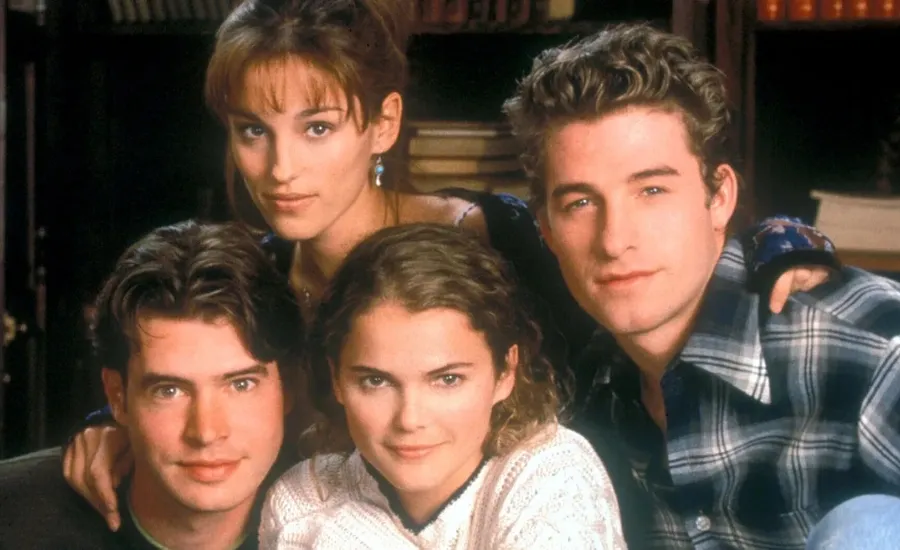
Felicity captures the romanticism of late-90s Greenwich Village before smartphones fundamentally altered interpersonal dynamics. The show depicts an era where leaving a message on an answering machine or waiting for a landline call carried high-stakes emotional weight, forcing characters to be fully present in their interactions.
Defined by oversized vintage sweaters, dim coffee shops, and analog college life, the series relies on proximity, patience, and human connection. It offers a nostalgic retreat into a time when life felt more localized and far less distracted.
5. Twin Peaks (1990–1991)
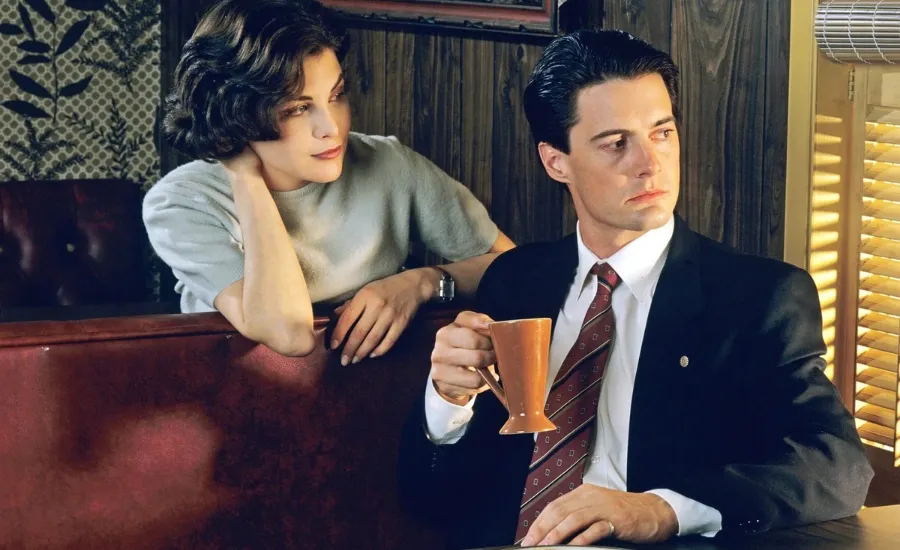
For those seeking a richer, more immersive sensory escape, David Lynch’s Twin Peaks offers an unmatched atmospheric universe. Defined by misty Pacific Northwest pine trees, retro diner counters, and Angelo Badalamenti’s haunting soundtrack, the series operates almost like a dream state.
Its slow camera pans and surrealist mystery demand complete focus, effectively pulling the viewer out of their daily notifications and into a self-contained world. It is not just a show to watch, but a sensory experience to get lost in on a quiet evening.
The Rule for 90s TV Rewatching
To fully experience the psychological benefits of these shows, treat them like a deliberate analog ritual rather than background noise. Turn off the second screen and put your phone in the drawer so your brain isn't constantly seeking a secondary dopamine hit.
Lower the room lighting to match the low-contrast, warm color palettes of 90s cinematography. Most importantly, let the pacing work. Allow the slower edits, quiet pauses, and ambient soundtracks to naturally recalibrate your attention span and calm your nervous system. You deserve it after all!
Cover: Cora Pursley / Dupe