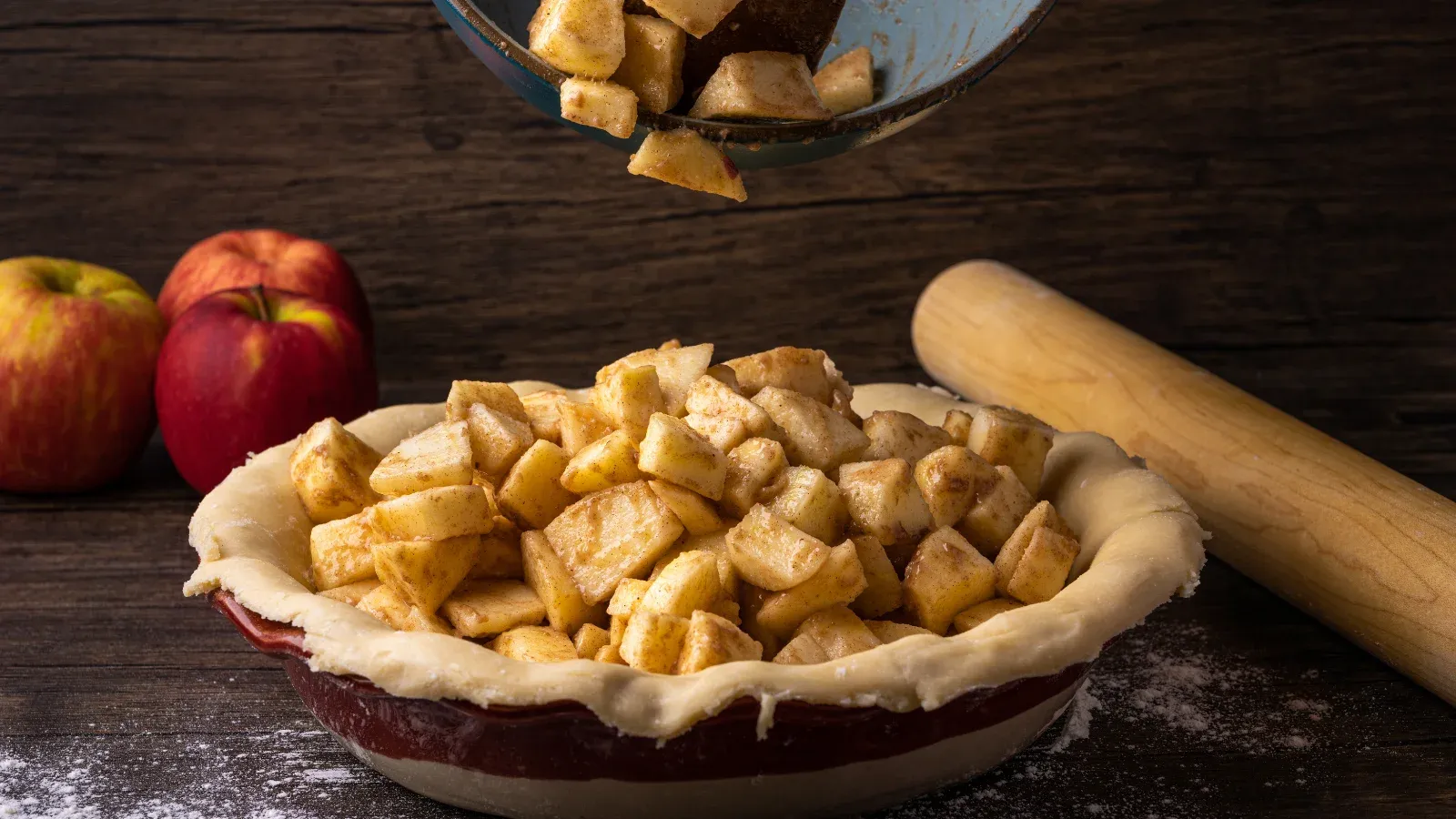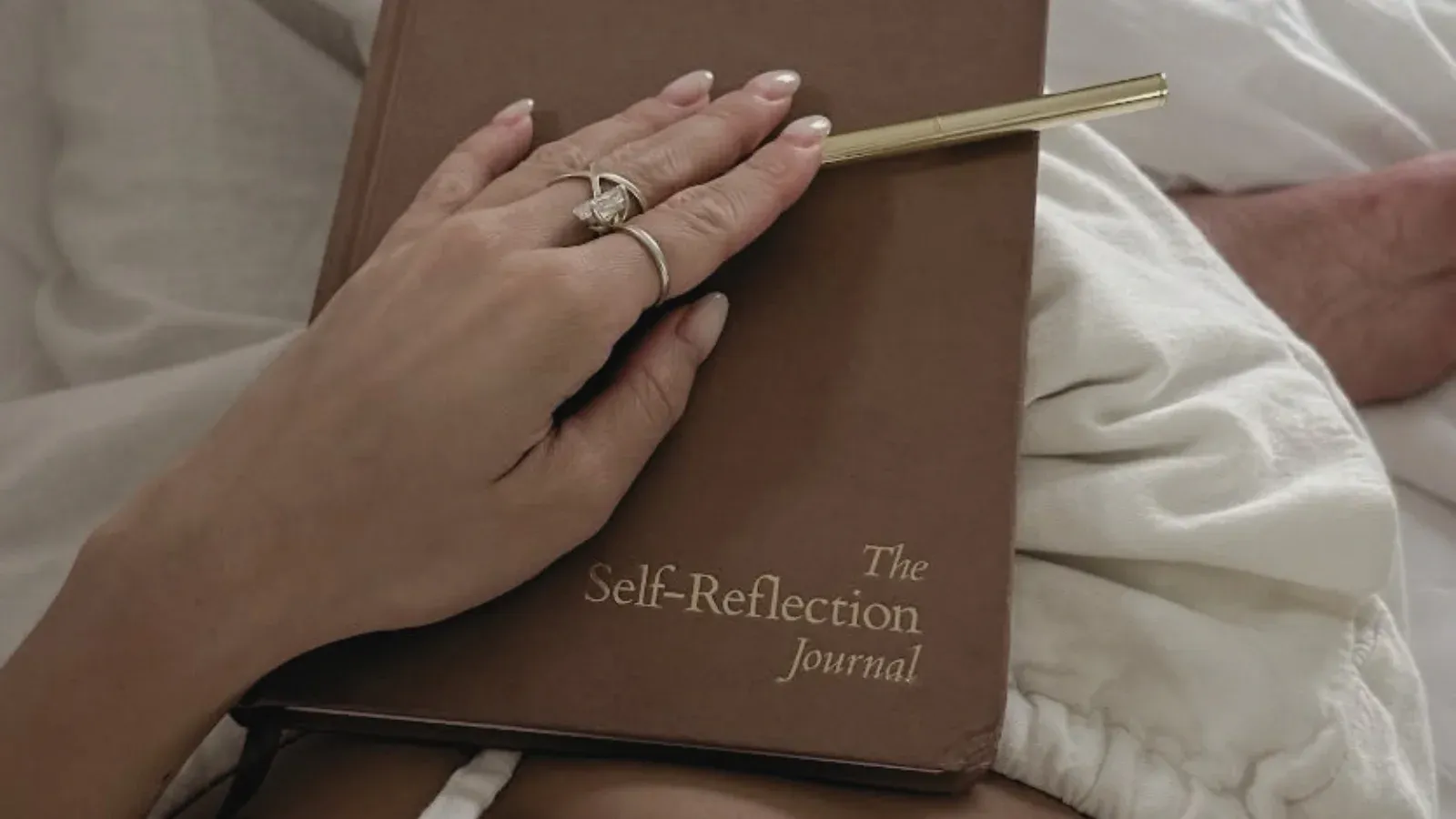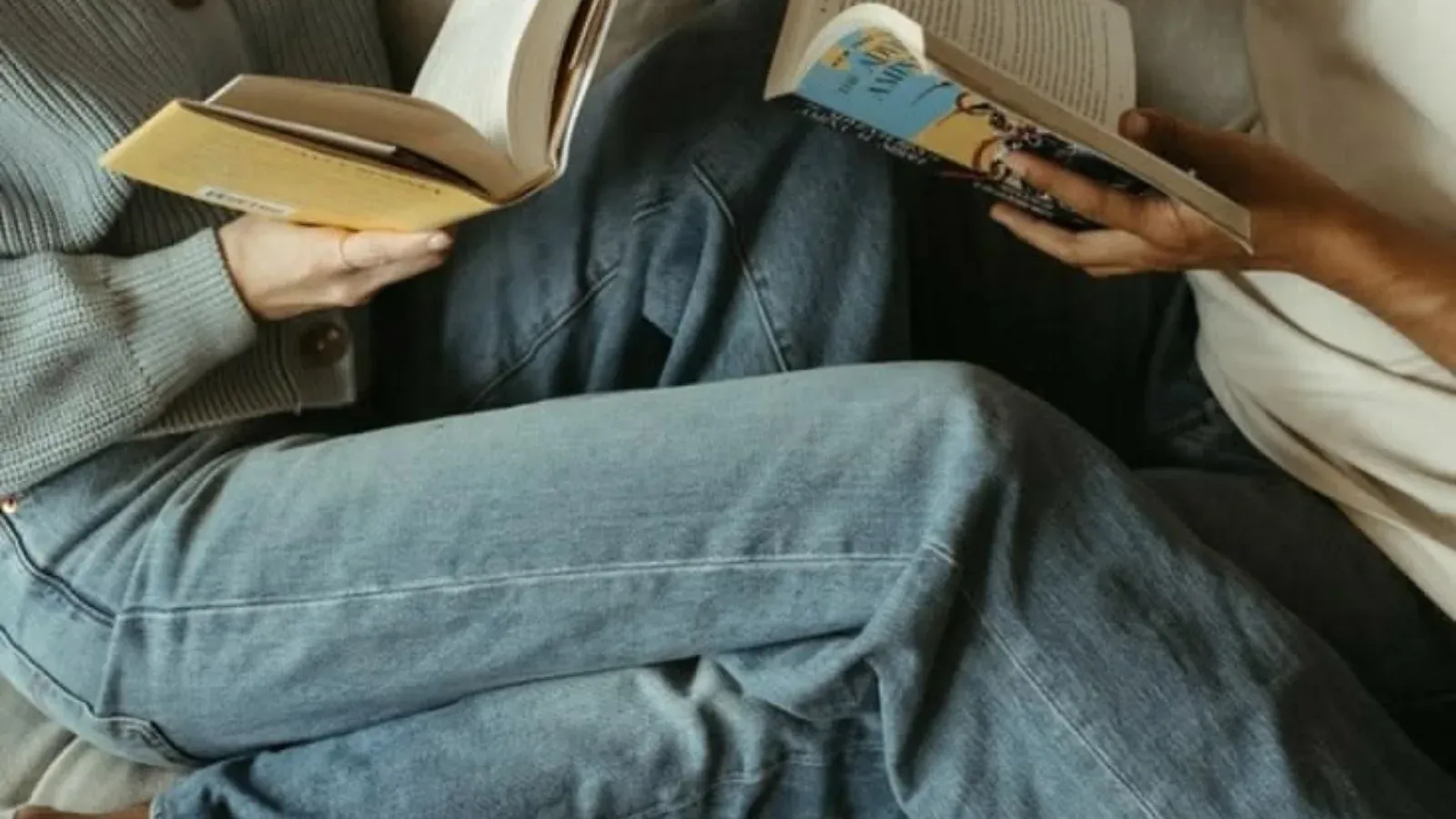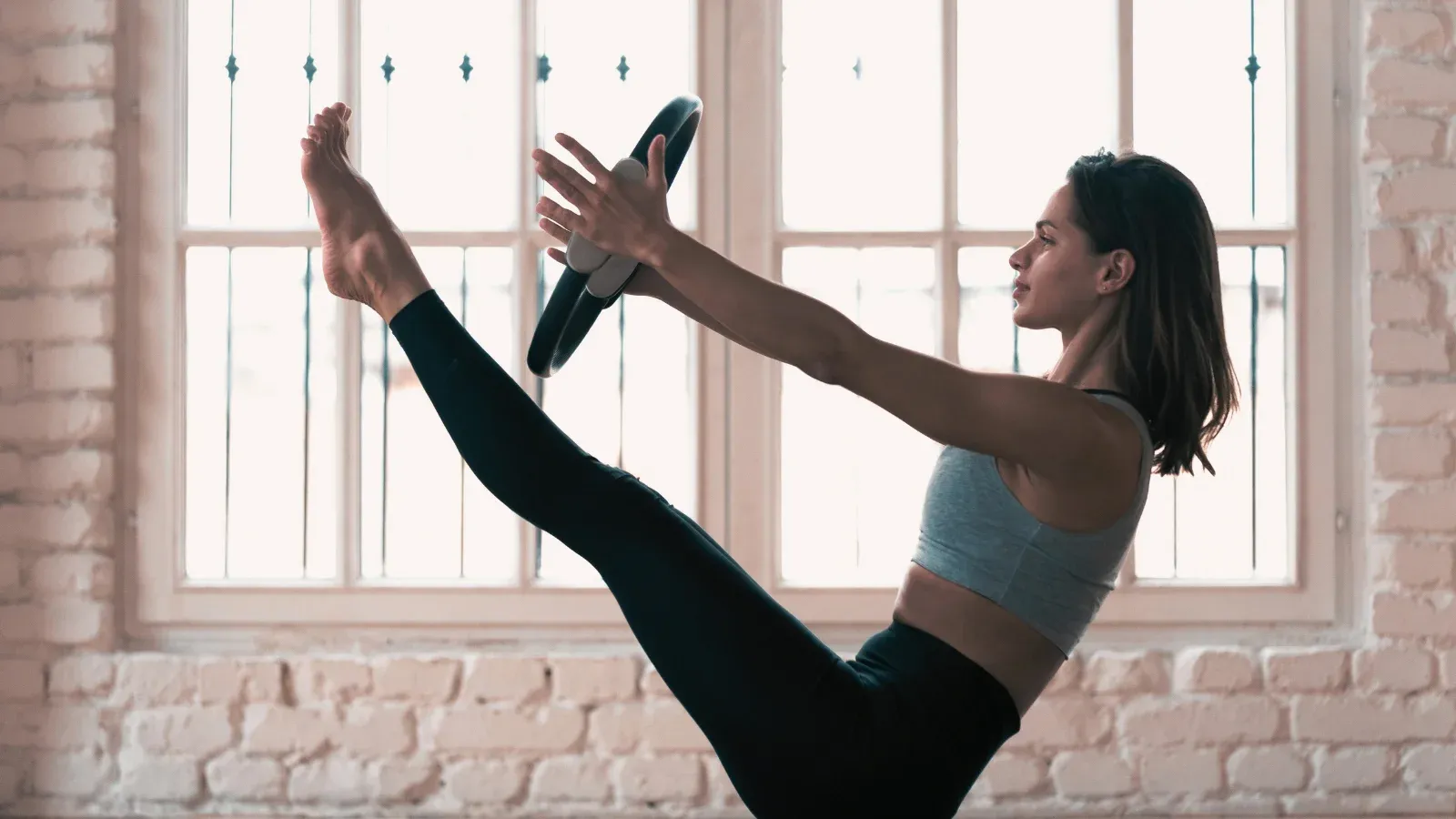
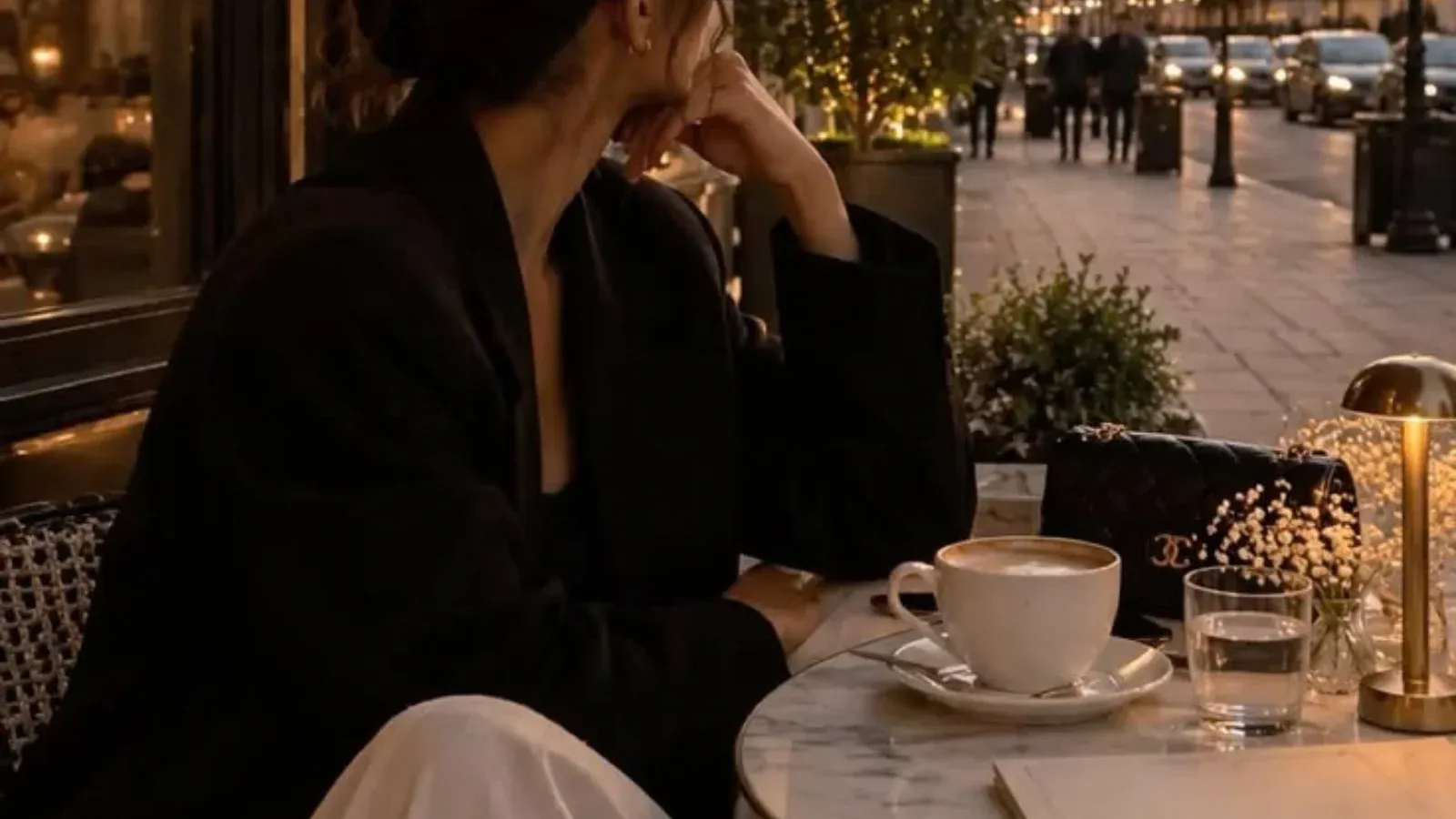
Wellness culture loves to repackage domestic chores as self-care. The internet wants you to believe that the antidote to modern burnout is spending four hours proofing sourdough in an apron, burning sage in an ecru cardigan, or downloading another twelve-dollar app to track how many times you breathe while staring at a screen.
It is boring, it is performative, and it smells like Pinterest guilt.
Real personal luxury is not about playing cottagecore homesteader. It is about friction, physical weight, and the absolute refusal to be constantly available. The most high-status thing a woman can do today is pull her attention entirely out of the digital feed and put it into something tangible, sharp, and unapologetically grounded.
Here are five analog habits that actually clear the static from your head without turning you into an Instagram caricature.
1. Physical Broadsheet Newsprint with Espresso in Heavy Porcelain
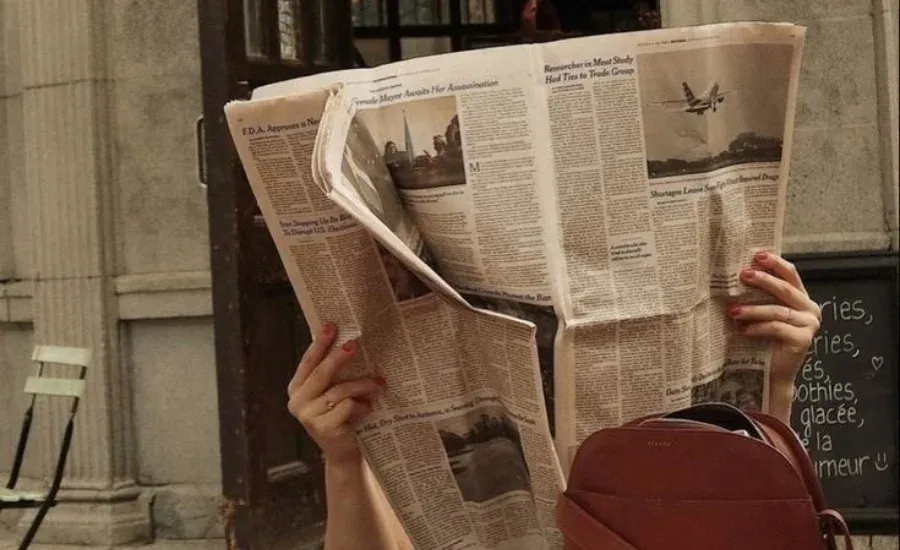
Reading the news on a phone is an exercise in sensory whiplash. You open an article on geopolitical interest rates and get interrupted by three targeted clothing ads, a text from a contractor, and a banner notification about someone's engagement.
Ditch the glass screen. Get a weekend subscription to the physical Financial Times or The New York Times, fold open the broadsheet across a clean marble or wood table, and drink a double espresso out of heavy, thick-rimmed hotel porcelain.
Ink on paper does not refresh every twenty seconds. It does not flicker, it does not solicit your opinion in the comments, and it requires both hands to turn the page. Spending forty-five minutes reading dense, finished reporting while ink faintly smudges your thumbs resets your cognitive baseline faster than any guided meditation ever could.
2. A Cold Martini in Heavy Lead Crystal
There is a distinct difference between drinking cheap wine while mindlessly half-watching a streaming show and having a proper drink.
A very cold gin martini, an ice-cold Gibson with cocktail onions, or a clean gin and tonic poured over dense, hand-cut clear ice into a heavy crystal glass is an exercise in deliberate presence. No podcast playing in your ear. No background television. No scrolling TikTok on the sofa.
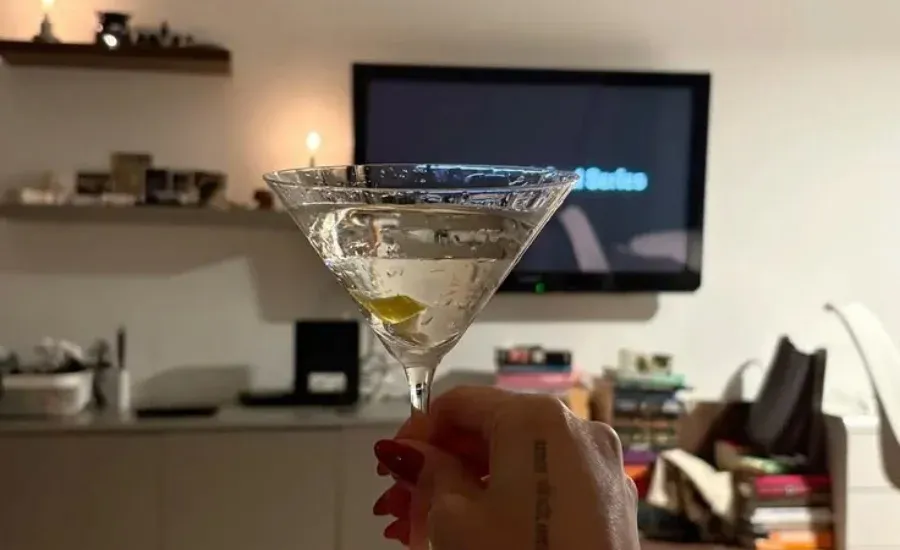
You sit down, hold a glass with substantial heft, listen to the crack of the ice, and simply exist in the room for twenty minutes. It is an unapologetic, grown-up pause that signals the day's negotiations are officially over.
3. Solo Lunch at an Empty Restaurant Bar
Nowadays, the concept of working lunch is a disgrace: eating a room-temperature salad out of a compostable plastic bowl hunched over a laptop keyboard while answering urgent emails.
The ultimate power move is walking out of the office or home workspace at one-thirty on a Thursday, sitting down at a polished wooden or zinc bar at a classic brasserie, and ordering oysters or a steak frites.
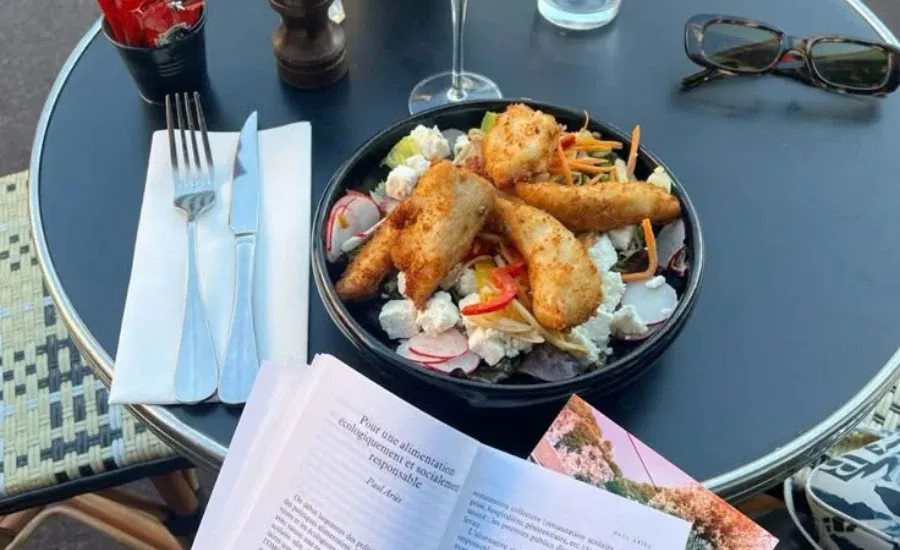
Keep your phone inside your bag. Don't pull out a laptop to pretend you're working. Sit on the high stool, watch the bartender prep the citrus, listen to the clatter of silver against plates, and eat your meal with slow, focused pleasure. Stepping completely off the corporate clock while everyone else scrambles at their desks is the purest form of everyday autonomy.
4. Heavyweight Coffee Table Art Books Over Scrolling
When evening arrives and your brain feels fried from client decks and spreadsheets, the default trap is to sink into the sofa and scroll through interior design accounts or fashion archives on a five-inch screen.
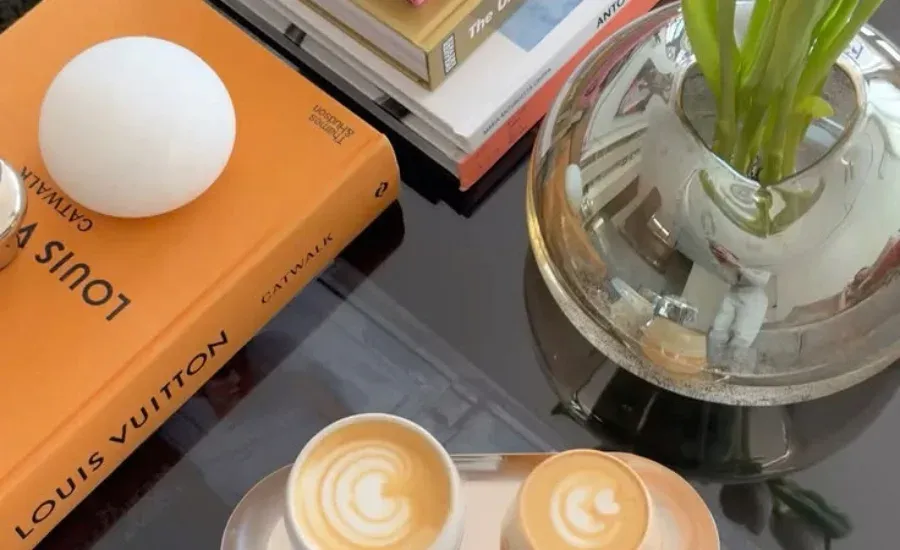
Replace the digital feed with a physical scale. Keep three or four massive, eight-pound hardcovers on your coffee table—slim architecture retrospectives, 1970s Italian design monographs, or heavy photography collections.
Spreading a two-foot-wide book across your lap and flipping through glossy, archival-weight paper provides genuine visual nutrition. You are absorbing high-level curation without the dopamine micro-hits of algorithmic feeds. It gives your eyes a resting point that feels expansive rather than claustrophobic.
5. Cooking from a Physical Cookbook, Not a Phone Screen
A typical weeknight cooking has been completely degraded by the glowing rectangle.
We prop a phone against a jar of olive oil, squinting past greasy fingerprints as the screen blacks out every forty-five seconds. We jab at the glass with flour-dusted knuckles, get blindsided by pop-up video ads in the middle of an ingredient list, and accidentally read a notification right as the garlic begins to brown. It turns an evening meal into another exercise in divided visual labor, keeping the nervous system tethered to the exact device that exhausted it all day.
The deliberate counter-move is banishing the screen from the kitchen entirely and propping a heavy, hardcover cookbook open on the counter.
A real cookbook offers physical stability. It does not solicit cookies, it does not refresh, and it demands two clean hands to turn the page. You commit to a single, complete recipe that has been tested, edited, and permanently bound in print, rather than an algorithmic blog post written to appease search crawlers. You look at the printed page, gauge your measurements, hear the sizzle of the pan, and let oil or lemon juice lightly stain the paper.
Working strictly from ink and paper forces your attention to match the physical pace of the flame. It strips the digital static out of the kitchen, restoring the simple, mechanical pleasure of feeding yourself without looking at a single pixel.
Reclaiming Presence
The digital economy is designed to keep you jittery, distracted, and easily sold to. It wants your life chopped up into micro-interactions and processed through an interface.
Status is not about buying more digital tools to manage your stress. It is about stepping away from the machine entirely, touching things that have real craftsmanship, and taking up space in the physical world without apologizing for it.