
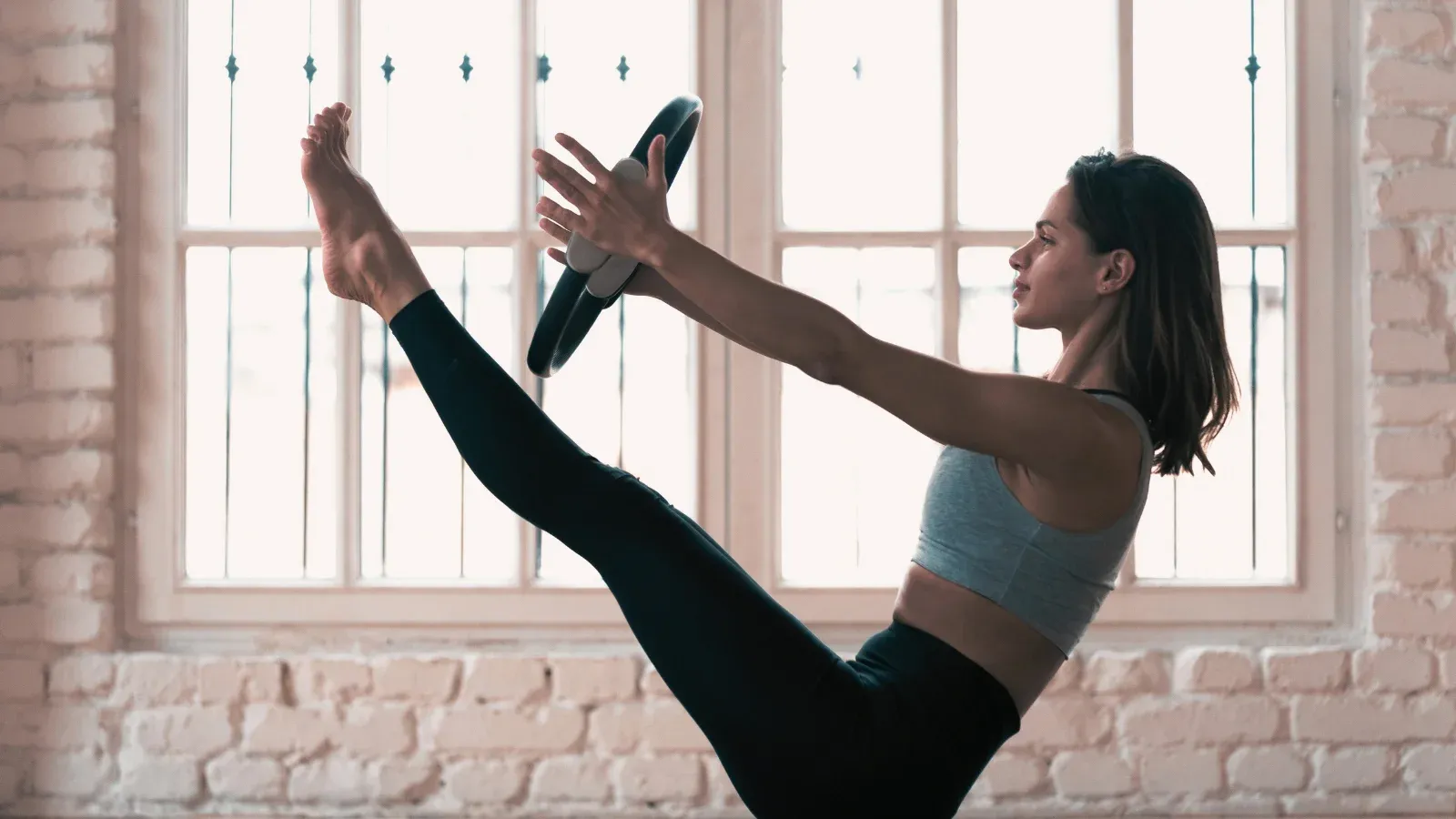
Pilates has not changed in a hundred years. Joseph Pilates’ steel springs provide the exact same resistance, the hundred requires the exact same abdominal endurance, and the foundational pelvic stability work repairs damaged spines with the exact same mechanical precision.
The only thing that shifted is the digital need to attach moral guilt to physical movement.
On TikTok, Substack essays, and podcast panels, an hour on a reformer is no longer treated as musculoskeletal training. It is treated as an ideological statement. Through a constant loop of cultural analysis, moving your joints through a full range of motion has been loaded with accusations of exclusionary wealth, aesthetic detachment, and cultural regression. Doing footwork on a carriage was suddenly turned into a personal character flaw.
The Panic Over the Forty-Five-Dollar Class
The outrage always leads with the price tag. In major metropolitan centers, a single reformer class regularly costs forty to forty-five dollars, matching the price of a decent dinner.
Internet commentary immediately branded this pricing structure as systemic gatekeeping. The argument treats the cost of doing business—commercial real estate leases, regular maintenance of heavy mechanical apparatuses, and fair compensation for comprehensively trained instructors who completed hundreds of clinical anatomy hours—as an antisocial offense.
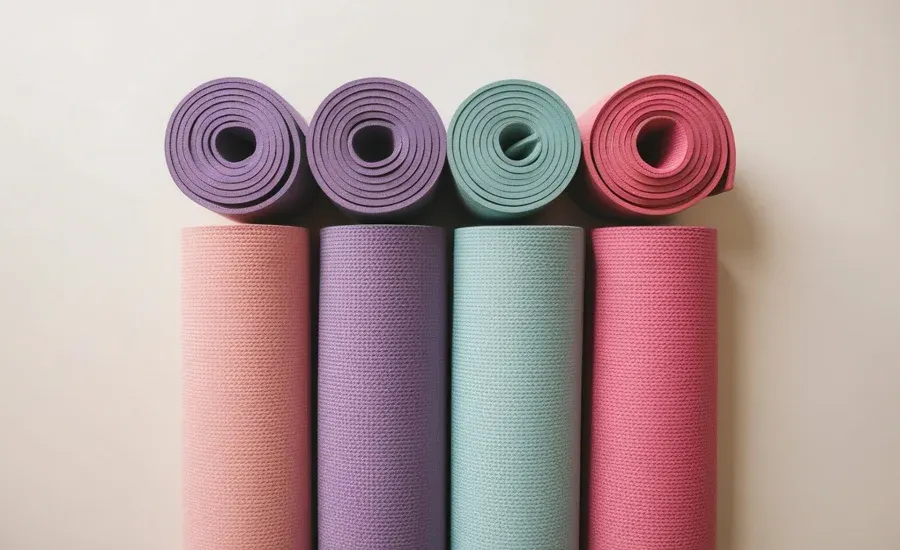
Nobody expects a private ceramics studio, a physical therapy clinic, or a specialized mechanics shop to run as an uncompensated charity. In the Pilates space, however, operating a specialized fitness facility is framed as deliberate class warfare. The critique deliberately ignores the reality that classical mat work requires zero machinery, zero studio memberships, and zero financial investment beyond an inexpensive foam pad. A body moving on a hardwood floor simply fails to generate the outrage required to drive views.
The Fixation on Aesthetic Ease
The second critique targets the visual presentation. Filtered through short-form video algorithms, Pilates was reduced to an unvarying lifestyle uniform: monochromatic beige leggings, slicked-back buns, oversized steel tumblers, and mid-morning weekday studio bookings.
Commentators read this aesthetic as indifferent, unearned ease. The sight of women walking into a studio at ten-thirty on a Tuesday morning was categorized as visible proof of leisure that deserved public scorn.
The online caricature ignores who actually fills those classes. The midday rosters include critical care nurses coming off twelve-hour graveyard shifts, freelancers managing split working days, restaurant staff working evening services, and women logging on early to carve out fifty minutes to manage severe spinal stenosis and sacroiliac joint pain. Flattening an entire clinical discipline into the curated feeds of five creators is lazy cultural analysis.
Turning Muscle Tone into an Ideological Dispute
The most tedious argument centers on physical appearance. After a decade where powerlifting, heavy barbells, and visible hypertrophy were celebrated as the only valid expressions of physical capability, returning to core alignment, spinal articulation, and eccentric muscle control was treated like an ideological retreat.

Discussions around alignment and mobility were immediately dismissed as a regressive return to nineties aesthetic standards disguised as functional wellness.
Physical anatomy does not exist to validate cultural discourse. Pilates was never designed to win approval on social platforms; it was engineered to stabilize injured spines, balance asymmetrical hip mechanics, decompress the lumbar vertebrae, and preserve joint function into deep old age. Choosing low-impact spring resistance over a loaded barbell is a matter of orthopedic preference and personal biomechanics, not an ideological compromise.
Returning to the Reality of Movement
The exhaustion around modern fitness discussions stems from an unwillingness to let anything remain simple and functional. An exercise session is not a manifesto, and moving your joints under controlled tension is not an ethical failing. It is forty-five minutes of physical work designed to keep a human body durable against gravity.
Pilates outlived every fitness fad of the twentieth century, and it will outlive this algorithm too.
The next time an essay tries to explain why lying on a carriage makes you complicit in social decline, close the application. Lie down on the floor, articulate your spine, take five deep diaphragmatic breaths, and get to work. Your joints need stability, not another round of commentary.