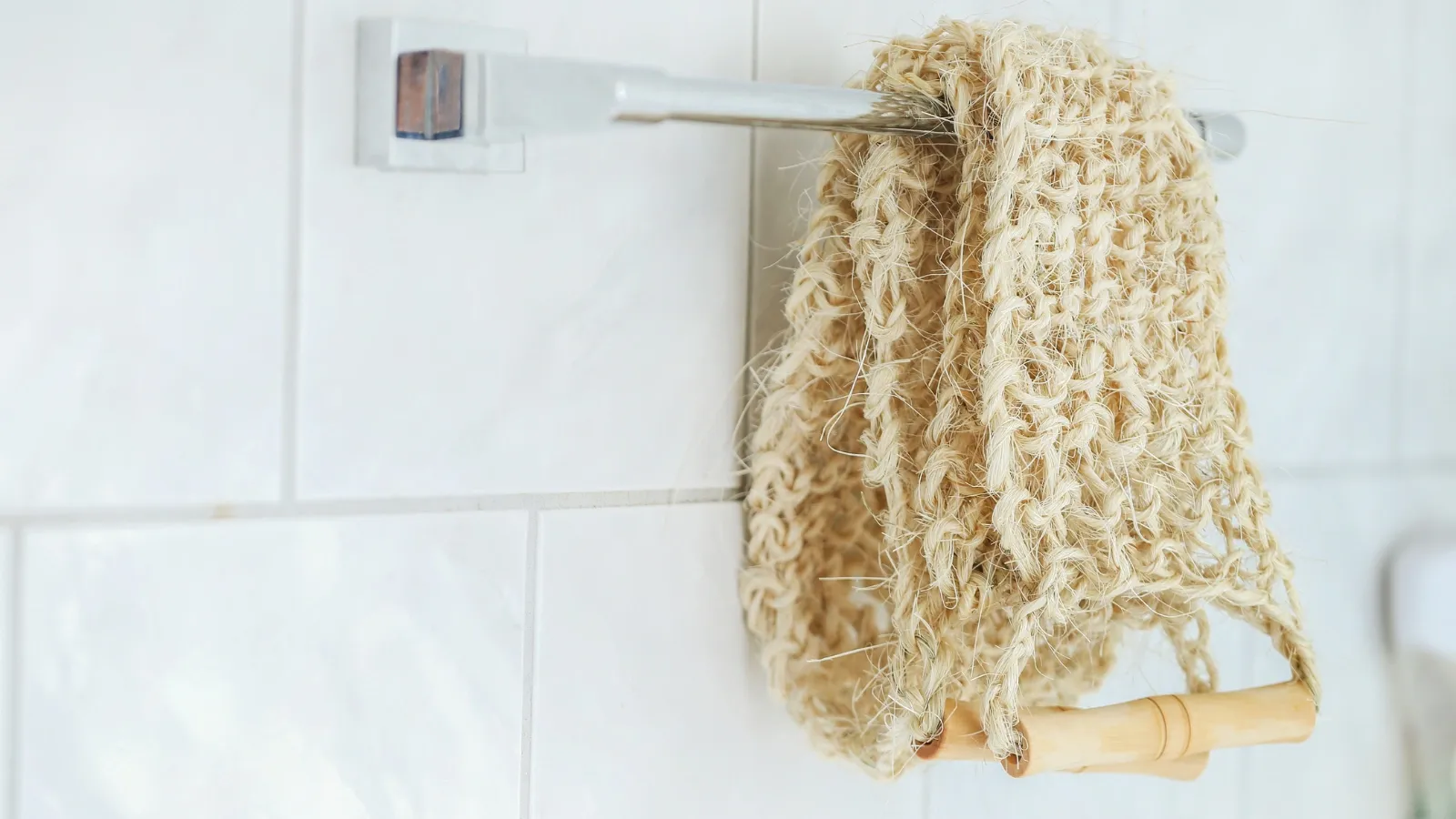
Few domestic items are as quietly repulsive as the traditional shower loofah. We spend hundreds of dollars on clinical serums, active exfoliants, and double-cleansing routines for our faces, yet continue to scrub our bodies with a tangled wad of neon plastic mesh that sits in a warm, damp stall for six months, collecting dead skin, residual shower scum, and thriving bacterial colonies.
Dermatologists have warned against mesh poufs for years. Every time you drag an old loofah over warm skin, you risk introducing trapped microbes into freshly opened pores.
Enter the viral silicone body scrubber—the latest bathroom staple claiming to banish bacteria, elevate shower aesthetics, and render the loofah permanently obsolete. But does an $18 silicone pad genuinely outperform traditional tools, or is it merely brilliant social media marketing packaged in muted neutrals?
What Is the Viral Body Scrubber Everyone Is Talking About?
The viral body scrubber circulating across TikTok and Instagram is an antimicrobial shower tool crafted from 100% food-grade or medical-grade silicone. Designed specifically to replace traditional plastic loofahs and damp sponges, the viral scrubber (most notably popularized by brands like Sud Scrub) features flexible, non-porous bristles that gently exfoliate the skin without harboring mold, mildew, or odor-causing bacteria.
The Architecture of Shower Hygiene
The sudden pivot from mesh sponges to medical-grade silicone is rooted in basic material science:
Zero Porosity: Unlike natural sea sponges or mesh nets, high-density silicone is non-porous. Water slides off immediately, depriving bacteria, mold, and mildew of the sustained moisture required to replicate.
Gentle Mechanical Resurfacing: Traditional plastic loofahs feature sharp, frayed edges that can create microscopic tears in the skin barrier over time. Silicone scrubbers rely on flexible, rounded bristles that buff away dull surface build-up without stripping the acid mantle.
Aesthetic Cohesion: A sculptural charcoal or sage silicone tool hanging from a clean tile hook instantly replaces the drugstore aesthetic with something suited to a curated bathroom.
The honest trade-off? Silicone does not produce mountains of foamy lather on contact. Because the material doesn’t trap air and water the way woven mesh does, you have to work your cleanser slightly more or use a dense gel formula to build rich suds. For anyone dealing with back breakouts, keratosis pilaris, or simple sensory disgust at standard sponges, it is an easy compromise.
The Curated Shower Edit: 3 Silicone Scrubbers Worth the Hook
The Clinical Benchmark: Sud Scrub Antimicrobial Body Scrubber
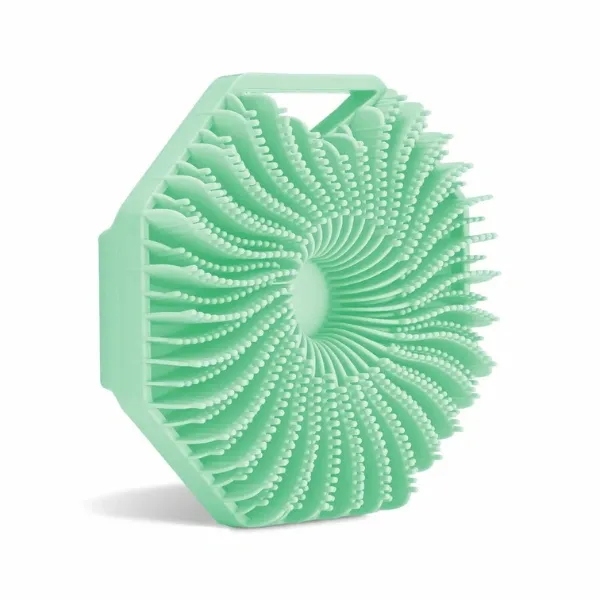
The tool that launched the TikTok obsession. Molded from thick, food-grade silicone infused with antimicrobial silver and zinc, Sud Scrub is lab-tested to resist 99% of bacterial growth across its surface. The hexagonal bristle pattern creates surprisingly decent lather, while the rear grip fits securely in your palm even when wet. It is designed to last a full year before recycling, justifying its higher price point.
Best for: Sensitive, acne-prone skin and uncompromising hygiene standards.
The Architectural Option: Tooletries Silicone Body Scrubber
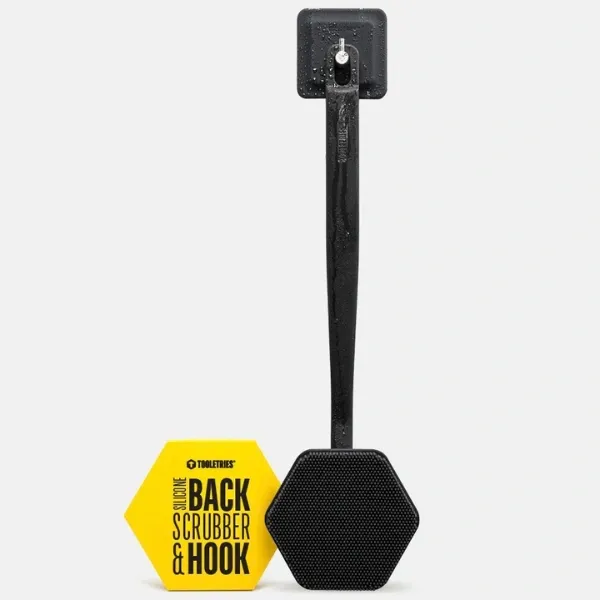
Engineered with an ultra-ergonomic handle and calibrated 10mm bristles, Tooletries delivers a firmer, deeper mechanical scrub. Finished in matte charcoal and deep slate, it includes an integrated silicone storage hook that adheres to glass or glazed tile using gentle suction—no adhesive strips required.
Best for: A minimalist, clutter-free shower stall and targeted muscle-releasing exfoliation.
The Budget Workhorse: DNC 100% Silicone Body Buffer (2-Pack)
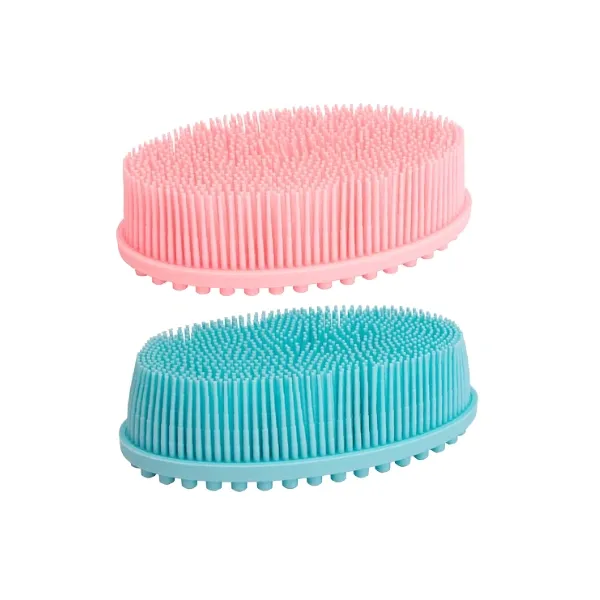
For testing the silicone routine without investment hesitation, this double-sided Amazon bestseller delivers the core utility. One side features long, ultra-soft bristles for gentle daily washing; the reverse side features firm nodules for dry brushing or stubborn dry patches on elbows and heels.
Best for: Travel kits, guest bathrooms, or household multi-packs.
The Shower Pairing: Basket Builder
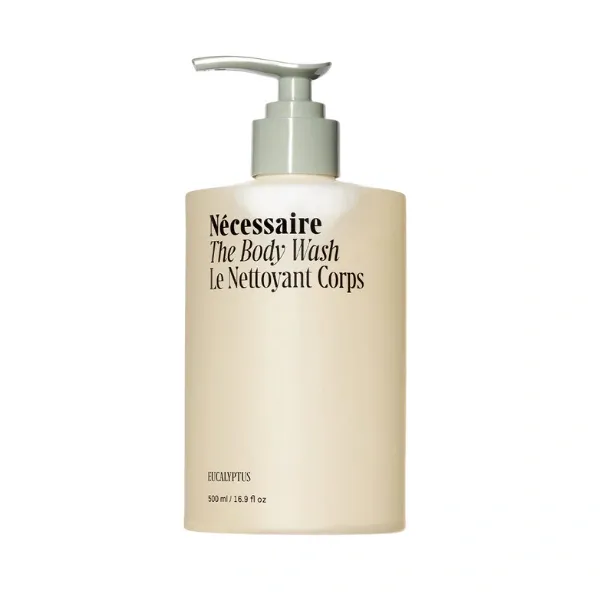
Pairing a non-porous silicone buffer with a generic body wash wastes the tool's resurfacing potential. To maximize lather and skin hydration, pair your scrubber with a concentrated formula rich in niacinamide, eucalyptus, or gentle AHAs (like Nécessaire The Body Wash or a rich plant-oil gel). The denser formulation clings to silicone bristles, creating silky slip and a clean rinse.
Ditching the loofah isn’t an indulgence; it’s an overdue hygiene correction. A sleek silicone scrubber lasts longer, protects your skin barrier, and eliminates the single dirtiest object currently sitting in your bathroom.
Frequently Asked Questions About Silicone Body Scrubbers
Do silicone body scrubbers hold bacteria like regular loofahs?
No. Traditional loofahs and mesh bath poufs trap water, dead skin cells, and moisture inside woven netting, making them breeding grounds for bacteria and mold. In contrast, 100% silicone is completely non-porous, dries rapidly after use, and deprives bacteria of the damp environment required to multiply. Premium options also integrate antimicrobial silver or zinc additives to actively repel microbial growth.
Why doesn't a silicone body scrubber lather as easily as a loofah?
Woven mesh poufs create voluminous foam by trapping large pockets of air and water within loose netting. Because dense silicone does not trap air, it requires a richer body wash formulation (such as a hydrating shower gel or oil-based cleanser) and slightly more water agitation to generate a dense, creamy lather.
How often should you replace a silicone body scrubber?
While dermatologists recommend tossing a traditional loofah every 3 to 4 weeks, high-grade silicone scrubbers typically last between 6 to 12 months. When properly rinsed and stored on a dry hook, the silicone material resists degradation, retaining its structural elasticity and hygiene performance over extensive use.