Spoilers ahead.
Verity won the weekend box office with an opening somewhere north of $32 million—effortlessly humiliating Tom Cruise’s Digger and proving once again that Colleen Hoover’s fanbase operates like a devoted cult. They will buy the tickets, they will post the TikToks, and they will pack the theaters regardless of what critics say.
The critics, predictably, loathed it. Rotten Tomatoes is hovering in the abysmal mid-30s, and for once, the snobs aren't wrong. Because the moment you look past the sleek cinematography, the moody lighting, and the sheer charisma of Anne Hathaway doing her best to elevate airport fiction, you’re left with a plot that collapses under ten seconds of adult scrutiny.
The Box Office Mirage
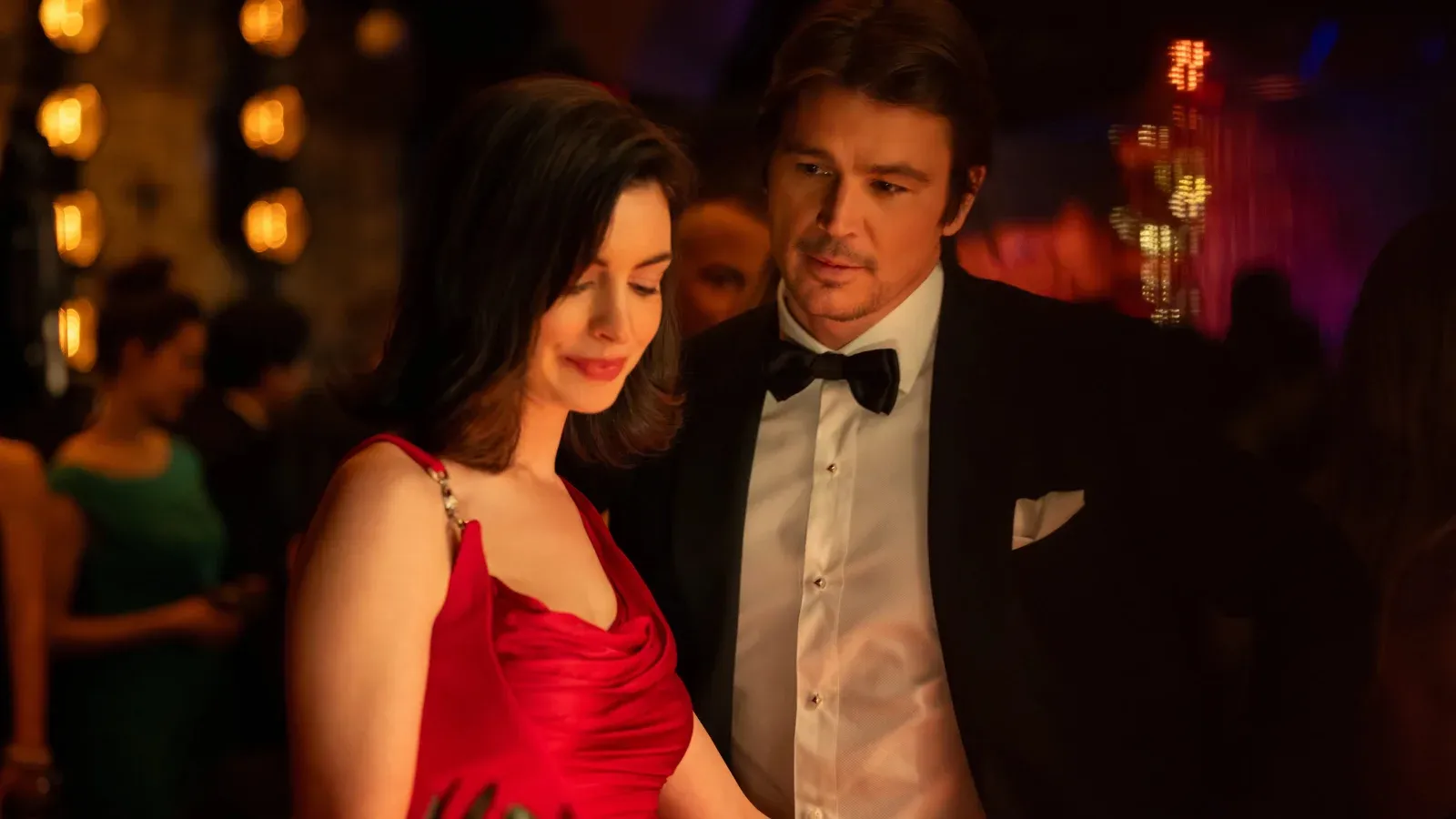
Directed by Michael Showalter with a $40 million budget, the film had all the right ingredients for a glossy, Sunday-night psychological thriller: Dakota Johnson looking perpetually distressed, Josh Hartnett playing the brooding husband, and Anne Hathaway delivering venom from behind immobilized eyelids.
Yet, even the core demographic seems unsettled. A C+ CinemaScore and an audience rating dipping below 70%—uncharacteristically low for a Hoover property—suggest that fans noticed what Hollywood tried to gloss over: the movie managed to sand down the very things that made the book an addictive guilty pleasure. The unhinged, claustrophobic filth of the novel was replaced with sanitized, focus-group-tested melodrama. It turns out that when you try to make trash respectable, you just end up with something dull.
The Plot Holes You Can Drive a Truck Through
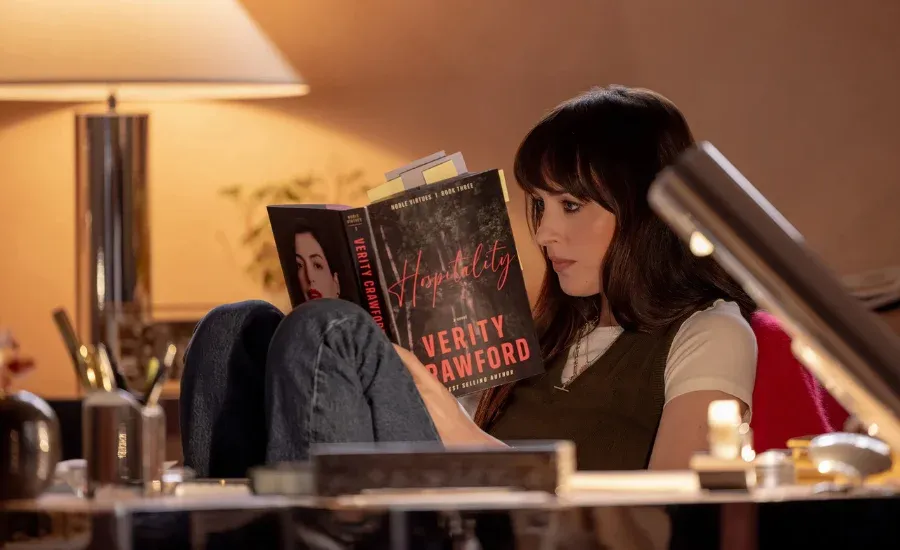
The premise remains brilliant: Lowen (Johnson), a broke writer living in the shadow of eviction, is hired to ghostwrite the final books of a wildly successful thriller series after the original author, Verity Crawford (Hathaway), is rendered non-verbal and bedridden following a catastrophic car crash. While excavating Verity’s office, Lowen unearths a private manuscript—an explicit, sociopathic confession detailing how Verity orchestrated the horrific deaths of her daughters.
Then comes the infamous final twist: a discovered letter claiming the manuscript was merely an "antagonistic writing exercise," a twisted therapy session to process grief, and that Verity was actually a terrified victim faking her paralysis to escape a murderous husband.
And this is where the entire architecture caves in. Ambiguity in cinema only works when both realities are structurally sound. In Verity, neither holds water:
If the manuscript is real: We are asked to believe that an intelligent, calculated sociopath spent months playing comatose in a house with the husband who despised her, watching another woman sleep with him and mother her surviving child, waiting for... what, exactly? A third-act accident?
If the letter is real: We are expected to believe a terrified, fully conscious woman lay silent in her own bed, soiling sheets and letting herself be slowly poisoned, rather than making a run for it the second the front door clicked shut.
You cannot claim a character is an intellectual mastermind in one breath and a completely paralyzed victim of her own plot device in the next. It’s not psychological depth; it’s narrative gymnastics designed to shock you before you have time to think.
The Hoover Adaptation Playbook
Verity marks Hoover’s fourth cinematic outing—following It Ends With Us, Regretting You, and Reminders of Him. None of them has ever secured a fresh critical rating. Her cinematic empire is built entirely on audience loyalty, where melodrama consistently outperforms narrative logic.
Moving a reveal into a flashback or toning down the book's explicit sequences doesn't fix a foundation built on sand. When the best thing reviewers can say about a film is that it "improved upon the messy source material," you know the script was doomed before filming even began.
The Bottom Line
A psychological thriller hinges entirely on the integrity of its reveal. If the ending requires every character to lose 50 IQ points just so the writer can deliver a cheap twist, it’s not brilliant storytelling—it’s an insult to the audience.
Verity might scrape together its box office numbers this weekend, but the diminishing returns are already showing. When you strip the story of its BookTok marketing hysteria, all that remains is clumsy dialogue, paper-thin psychology, and a narrative that falls apart under ten seconds of scrutiny. Hollywood can keep casting Oscar winners to deliver absurd lines with a straight face, but you can only polish bad writing for so long before audiences finally wake up and realize the emperor is not wearing any clothes.