

Premenstrual syndrome (PMS) and a general feeling of unwellness during menstruation are so common for many women that they consider it a normal part of their period. About 8% to 20% of women experience moderate to severe symptoms one or two weeks before menstruation, which prevents them from even carrying out their everyday tasks.
These symptoms include a range of physical and emotional changes. The most commonly observed symptom is mood swings, such as grumbling, melancholy, and irritation, to a point where it is easily recognizable by those close to us. Abdominal bloating, breast tenderness, and headache are other common symptoms experienced by women suffering from premenstrual syndrome.
These symptoms, both before and during periods, are primarily due to unstable levels of hormones and chemicals produced by our brains. However, studies have shown that our dietary choices can influence the intensity and duration of symptoms.
Of course, food does not have a direct impact on the uterus because once consumed, it passes through the stomach and intestine, aka our digestive system, which is not connected to the uterus. However, since our organism is a complex system, there is interdependence of all organs.
But how can we reduce symptoms and relieve cramps through our diet? Before thinking of taking medication or period support supplements, try first to adjust your dietary habits to avoid burdening your body.
Increase Water Consumption
Adequate hydration of our body is always a high priority, especially during menstruation. Keeping our bodies hydrated can reduce the chances of dehydration-related headaches, a common menstrual symptom. Drinking plenty of water can also relieve water retention and bloating. Aim to drink at least a gallon of water every day.
Eat Leafy Green Vegetables
During menstruation, it is common to experience a drop in iron levels, especially in case of intense blood flow, resulting in symptoms of fatigue, physical pain, cramps, and dizziness.
However, leafy greens, such as cabbage and spinach, can boost iron levels and boost our energy during the day. Spinach is also rich in magnesium, which is associated with muscle relief and, therefore, a decrease in cramps.
Consume Dark Chocolate
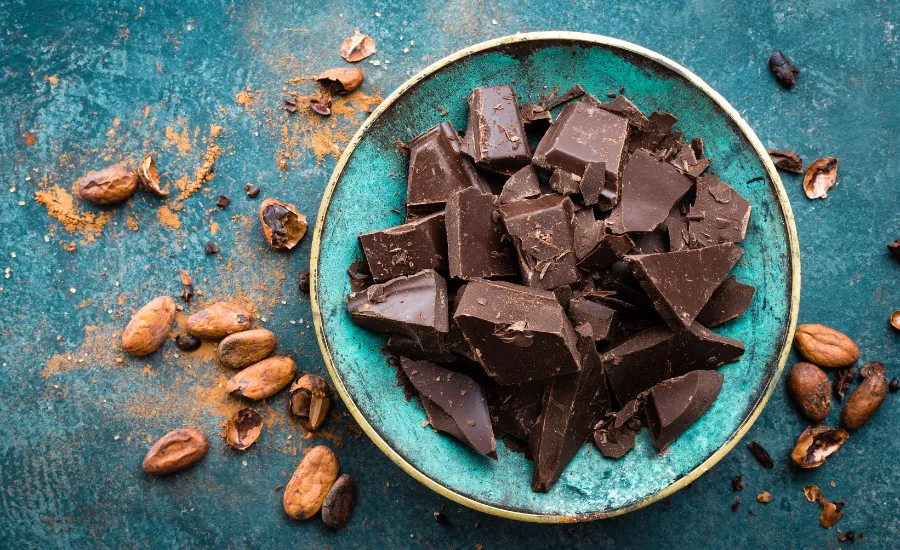
Dark chocolate is not only delicious; it’s also a beneficial snack during those days. Dark chocolate is rich in iron and magnesium. Particularly, 100 grams of dark chocolate with a cocoa content of 70 to 85% contains 67% of the recommended daily intake of iron and 58% of the RDI of magnesium. According to studies, magnesium reduces the severity of PMS symptoms, and in addition, people with magnesium deficiency appear to be more likely to have severe PMS symptoms. In addition, dark chocolate is an ideal choice to fight cravings and the mood to eat unhealthy snacks.
Increase consumption of Omega-3 Fatty Acids
Consumption of omega-3 fatty acids has been found to help reduce the intensity of menstrual pain. Oily fish such as sardines and salmon can help relieve pain thanks to their anti-inflammatory action. Also, rich sources of omega-3 fatty acids are flaxseed, chia seeds, and avocado, so make sure you incorporate them into your meals accordingly.
Drink Ginger
A warm cup of ginger tea can improve menstrual symptoms, as ginger has an anti-inflammatory effect, which can soothe strained muscles and relieve cramps. Ginger can also reduce nausea, which can be a symptom of menstruation. Ginger is also recommended in the first trimester of pregnancy due to its ability to relieve nausea and vomiting.
However, we should keep in mind that it is advisable not to consume too much, i.e., no more than 4 grams per day, as it can cause heartburn and stomach pain.
Eat Lentils and Beans
Lentils and beans are rich in protein and can be the ideal solution in case you don’t want to increase your meat consumption way more than regular. They are good substitutes for those who follow a vegan or vegetarian diet. They are also rich in iron, which makes them excellent additions to our diet if we have low iron levels.
At the same time, during menstruation, it’s better to avoid excessive consumption or greatly limit consumption of:
- Red meat
- Salt
- Sugar
- Spicy food
as they can intensify menstrual cramps and pain.