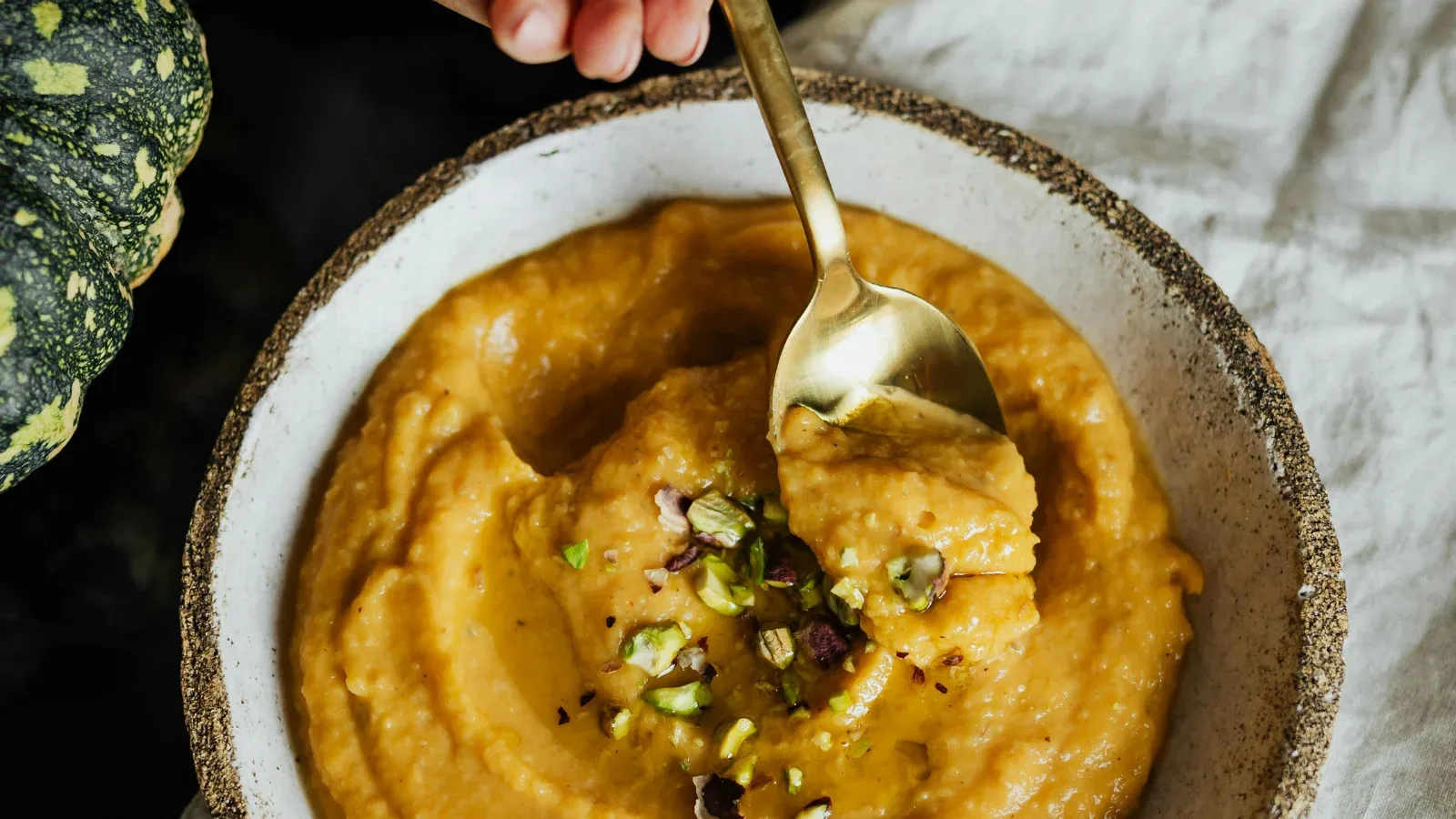
Every October, the canned pumpkin puree is reduced to an aggressively spiced dessert ingredient. It gets dumped into sugary morning lattes, blended into dense quick breads, or whipped into pie fillings overwhelmed by cinnamon and brown sugar. Because grocery store displays frame pumpkin alongside dessert spices, an entire generation of home cooks associates pureed winter squash exclusively with baking, quietly missing its actual culinary identity.
Canned pumpkin is simply steamed, mashed field squash with its moisture naturally condensed. It carries an earthy, slightly vegetal sweetness, dense dietary fiber, and a velvety starch structure that behaves remarkably well in savory pans. When paired with salty cheeses, browned aromatics, acid, and warm fats, it thickens sauces without a heavy roux, enriches broths, and brings deep body to weeknight dinners.
These five recipes liberate pumpkin puree from the dessert aisle, planting it firmly where it does its best work: in hot skillets, finished with olive oil, cracked pepper, and flaky salt.
1. Rigatoni with Pumpkin Puree, Crisped Pancetta, and Sage
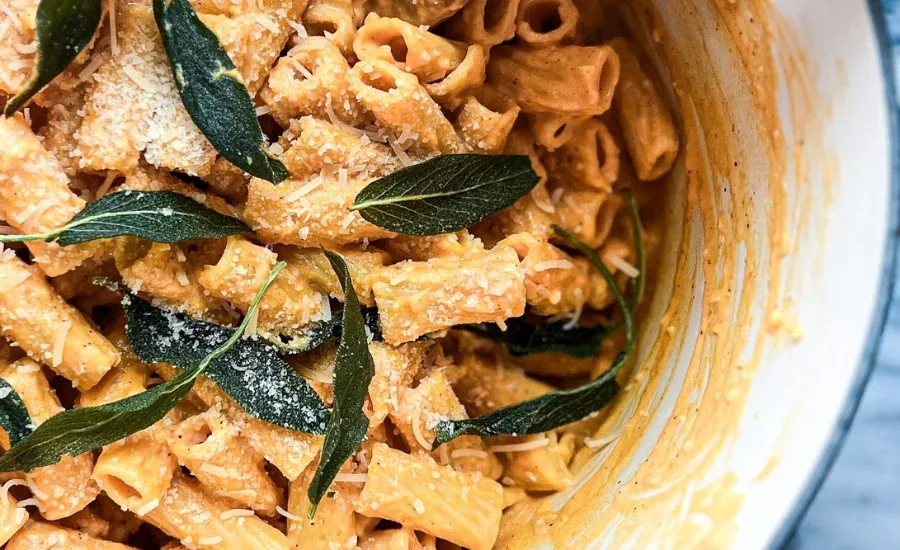
Most creamy pasta sauces demand heavy cream or an elaborate cheese emulsion that separates the moment the temperature drops. Pumpkin puree offers a clean culinary shortcut, binding pasta water, olive oil, and fat into an emulsion that coats broad tubes of pasta effortlessly.
Begin by rendering four ounces of diced pancetta in a wide skillet over medium heat until the fat turns translucent and the edges turn deeply crisp. Lift the pancetta out with a slotted spoon, leaving the rendered fat in the pan. Toss a dozen whole sage leaves into the hot fat for thirty seconds until they darken and crisp, then set them aside with the meat.
Lower the heat and add two cloves of thinly sliced garlic and half a finely diced shallot, cooking gently so they soften without scorching. Whisk in three-quarters of a cup of canned pumpkin puree, letting it fry directly in the pork fat for two minutes to concentrate its natural sugars.
Bring a large pot of salted water to a rolling boil and drop in half a pound of bronze-die rigatoni. When the pasta sits two minutes shy of al dente, ladle half a cup of the starchy cooking water directly into the pumpkin skillet, stirring vigorously over low heat to form a glossy sauce.
Transfer the rigatoni directly into the pan along with a cup of finely grated Pecorino Romano and a pinch of ground nutmeg. Toss continuously until the sauce clings tightly to every ridge, then scatter the crisped pancetta, fried sage leaves, and a generous crack of black pepper over the top right before serving.
2. Velvety Pumpkin and White Bean Soup with Sautéed Onions
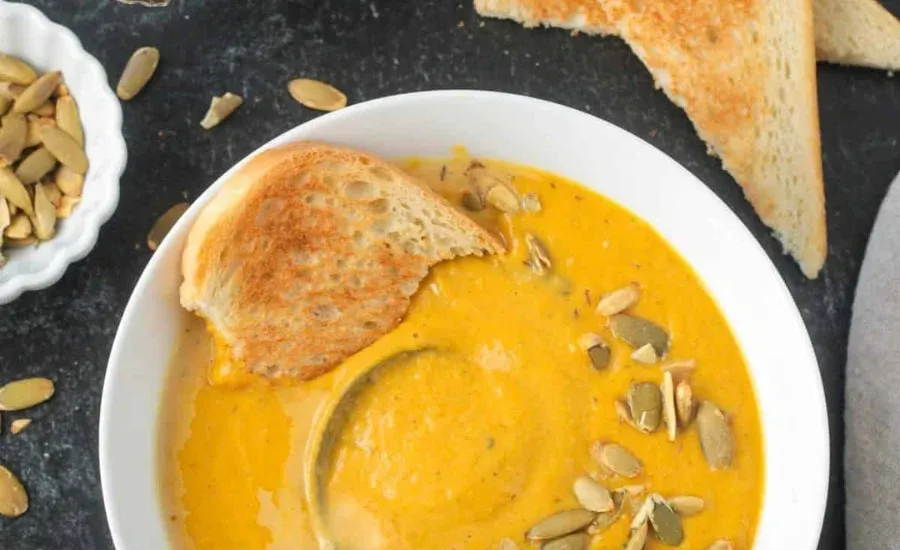
Pumpkin soup often suffers from excessive sweetness, frequently ruined by additions of maple syrup or sweet apples. Grounding the squash requires savory counterparts: caramelized aromatics, creamy white legumes, and an assertive acid finish.
Warm three tablespoons of extra virgin olive oil in a heavy Dutch oven over medium heat. Add one large yellow onion, sliced thin against the grain, with a generous pinch of sea salt. Cook the onions slowly for fifteen to twenty minutes, stirring occasionally, until they turn a deep, golden amber and collapse completely into the oil. Stir in three smashed garlic cloves, a tablespoon of fresh thyme leaves, and a pinch of crushed red pepper flakes, letting the aromatics toast for sixty seconds.
Add one full fifteen-ounce can of pumpkin puree and one drained can of cannellini beans to the pot, stirring well to coat the beans in the oil and aromatics. Pour in four cups of rich chicken stock or deeply savory vegetable broth, bringing the mixture to a steady simmer for twelve minutes so the flavors marry.
Turn off the heat and puree the soup using an immersion blender until completely smooth. The starch from the white beans yields a velvety, thick body without requiring a single splash of heavy cream.
Stir in two tablespoons of fresh lemon juice or a splash of apple cider vinegar to cut through the density. Ladle into wide, shallow bowls and finish with a heavy drizzle of grassy olive oil, roasted pumpkin seeds, and a crumble of sharp sheep’s milk feta.
3. Whipped Pumpkin Puree with Warm Garlic Oil and Greek Yogurt
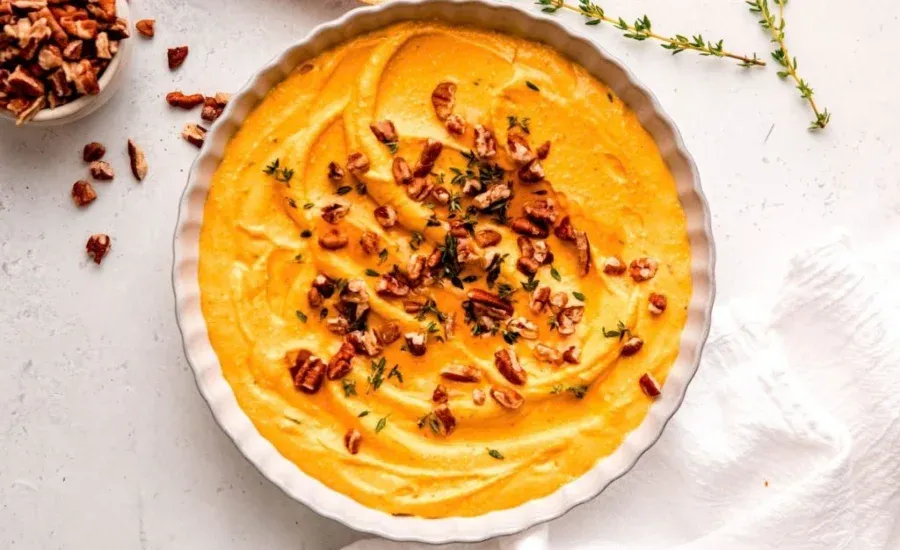
This warm spread bridges the gap between a classic dip and a sophisticated side dish for roast meats, utilizing thick yogurt to bring sharp acidity to the dense winter squash.
Place one cup of pumpkin puree, half a cup of whole-milk Greek yogurt, two tablespoons of extra virgin olive oil, and half a teaspoon of kosher salt into a food processor. Run the blade for two full minutes until the mixture turns pale, aerated, and completely uniform in texture.
Spoon the whipped puree onto a wide, flat serving plate, using the back of a large spoon to create deep concentric swoops and wells across the surface.
In a small butter warmer or tiny skillet, gently heat three tablespoons of olive oil over low heat. Add two garlic cloves sliced paper-thin and a teaspoon of whole cumin seeds. Let the garlic slices sizzle quietly until they turn pale golden and crisp, immediately pulling the pan off the heat before the garlic turns bitter.
Pour the sizzling garlic and infused oil directly over the whipped pumpkin, letting the oil pool in the swoops. Scatter with coarse sea salt, chopped flat-leaf parsley, and serve immediately alongside warm, torn flatbread or roasted root vegetables.
4. Cast-Iron Skillet Chicken Thighs Braised in Pumpkin and Dijon
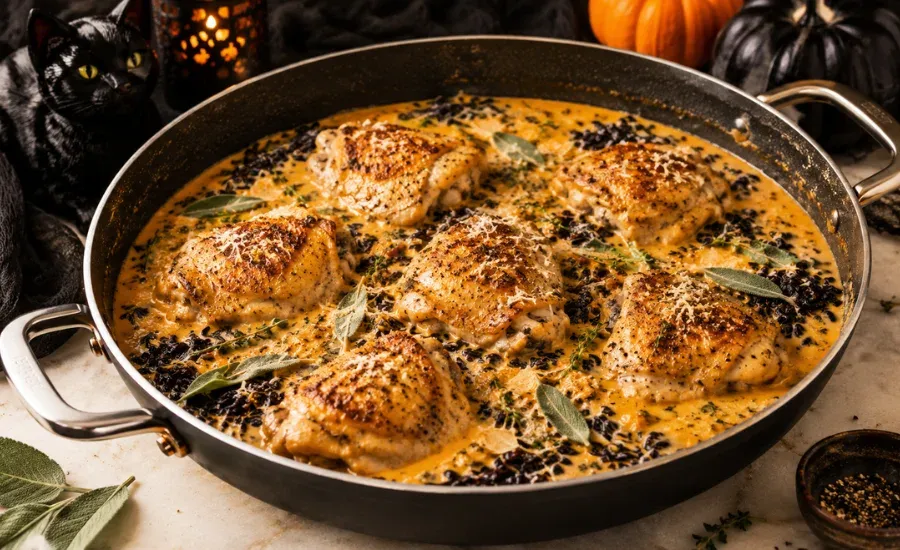
Chicken thighs braised on the bone require a sauce that can handle substantial rendering without breaking down over forty minutes of simmering. Pumpkin puree melts into chicken juices, Dijon mustard, and dry white wine, creating an unctuous braising liquid that thickens naturally in the oven.
Season four bone-in, skin-on chicken thighs aggressively with salt and freshly cracked black pepper. Heat a large, oven-safe cast-iron skillet over medium-high heat with a single tablespoon of olive oil. Lay the thighs skin-side down in the pan, leaving them undisturbed for eight to ten minutes until the skin turns deep mahogany and releases naturally from the iron. Flip the thighs for two minutes to seal the flesh, then transfer them to a plate.
Pour off all but two tablespoons of the rendered chicken fat. Drop in one diced shallot and cook until soft. Whisk in half a cup of dry white wine, using a wooden spoon to scrape up all the browned bits stuck to the bottom of the iron. Let the wine reduce by half.
Whisk in half a cup of pumpkin puree, one cup of chicken stock, and two tablespoons of coarse whole-grain Dijon mustard. Nestle the chicken thighs back into the skillet, keeping the crispy skin fully exposed above the sauce.
Slide the entire pan into a 400-degree oven for 25 minutes, until the chicken reaches an internal temperature of 175 degrees. The sauce beneath the chicken will emerge rich, glossy, and deeply savory, ready to be spooned over steamed rice or crusty country bread.
5. Savory Pumpkin and Ricotta Galette with Thyme and Gruyère

A rustic galette delivers the flaky satisfaction of pastry while keeping the flavor profile dry, savory, and crisp.
Roll out a single round of all-butter pie dough onto parchment paper until it measures roughly 12 inches across. In a medium mixing bowl, combine half a cup of pumpkin puree, half a cup of whole-milk ricotta, one minced garlic clove, a teaspoon of chopped fresh thyme, and half a cup of finely grated Gruyère cheese. Season the mixture with a generous pinch of salt and cracked black pepper.
Spread the pumpkin-ricotta filling evenly across the dough, leaving a clear two-inch border around the perimeter. Top the filling with very thinly sliced red onions tossed lightly in olive oil.
Fold the bare edges of the dough up and over the filling, pleating the pastry as you move around the circle to create an open center. Brush the folded crust with an egg wash, scatter flaky salt over the pastry rim, and bake at four hundred degrees for thirty-five to forty minutes until the crust turns deeply bronzed and the cheese bubbles around the edges.
Let the galette cool on the baking sheet for ten minutes so the filling sets cleanly, then slice into wide wedges for a weeknight supper alongside a sharp, mustardy chicory salad.