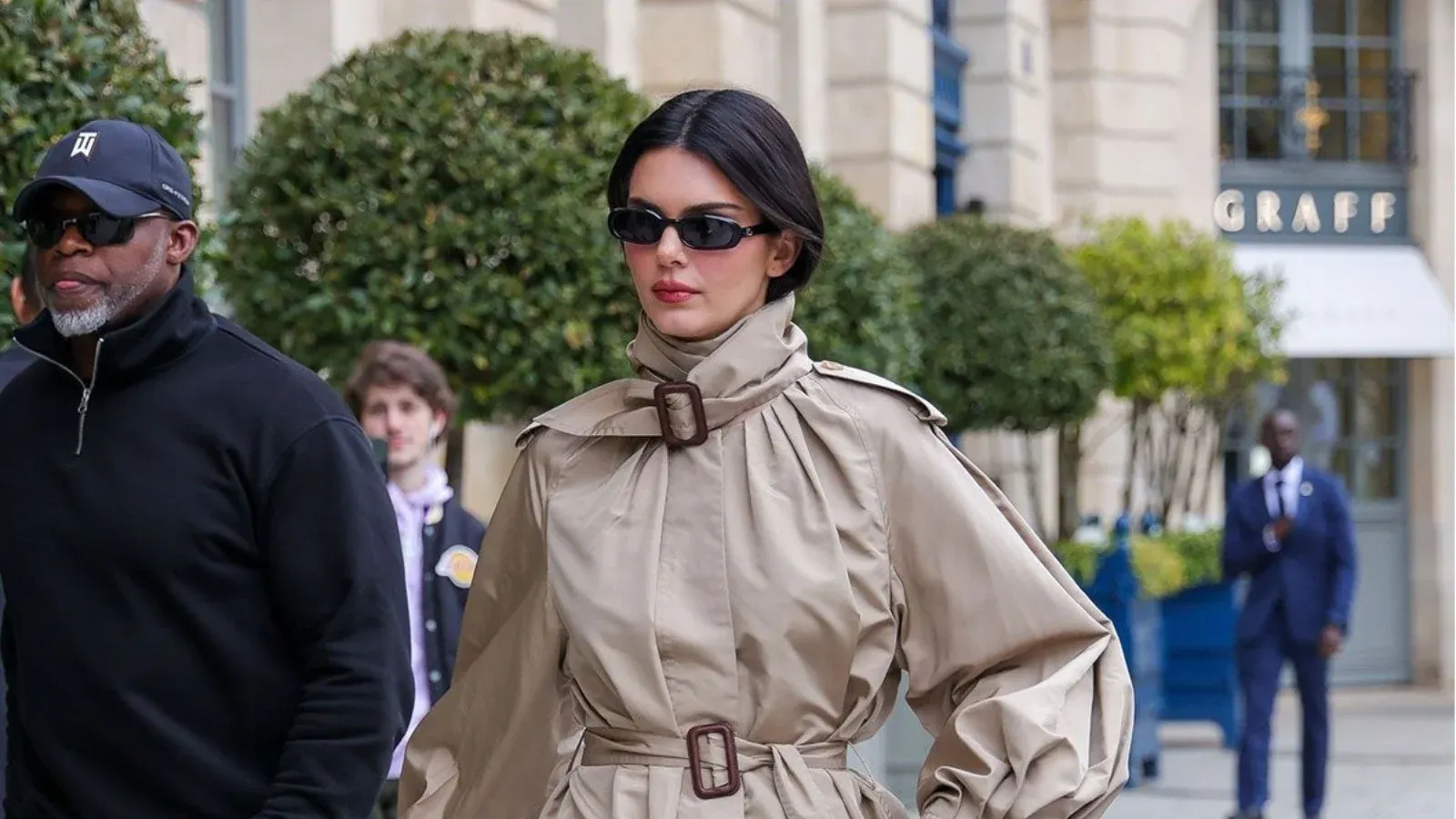
Before social media turned "quiet luxury" into a shopping keyword, winter dressing on screen was never about signaling wealth through recognizable knitwear or trending handbags. In older cinema—and a handful of modern films with disciplined costume design—cold-weather clothes simply reflected how people with inherited money and cold country houses actually got dressed in January.
The difference is immediately visible in the wear and the weight of the garments. Nobody on screen looks like they just pulled a pristine cashmere set out of tissue paper for a street-style photographer. Sweaters have soft pills along the cuffs, wool coats carry the heavy, lived-in drape of ten winters, and silk scarves are knotted tightly to block actual wind rather than frame a collarbone.
When a film gets winter clothes right, the wardrobe never begs for compliments. It treats heavy wool, shearling, and tweed as practical armor against damp weather, proving that real taste shows up in proportion and durability long before trends ever enter the room.
1. Love Story (1970)
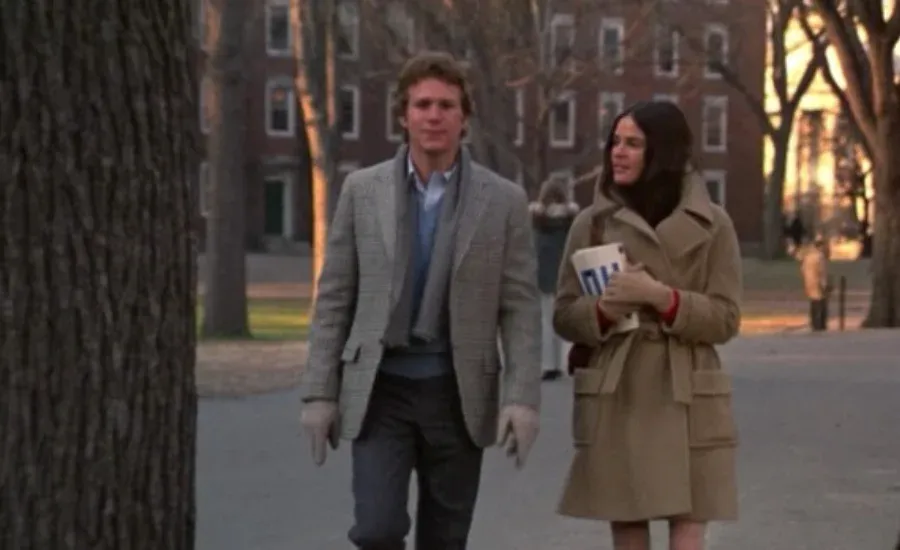
Costume designer Alice Paul dressed Ali MacGraw and Ryan O'Neal in a New England collegiate wardrobe that remains the blueprint for unpretentious winter tailoring. MacGraw’s camel wrap coat, worn over chunky cable-knit turtlenecks, plaid wool skirts, and ribbed tights, succeeds because nothing looks precious. She wears a heavy sheepskin coat to walk across frozen Cambridge sidewalks as if she has owned it since prep school, pairing thick knit beanies with zero makeup and dark, severe eyebrows. The clothes feel warm, slightly rumpled, and completely immune to seasonal fads.
2. The Talented Mr. Ripley (1999)
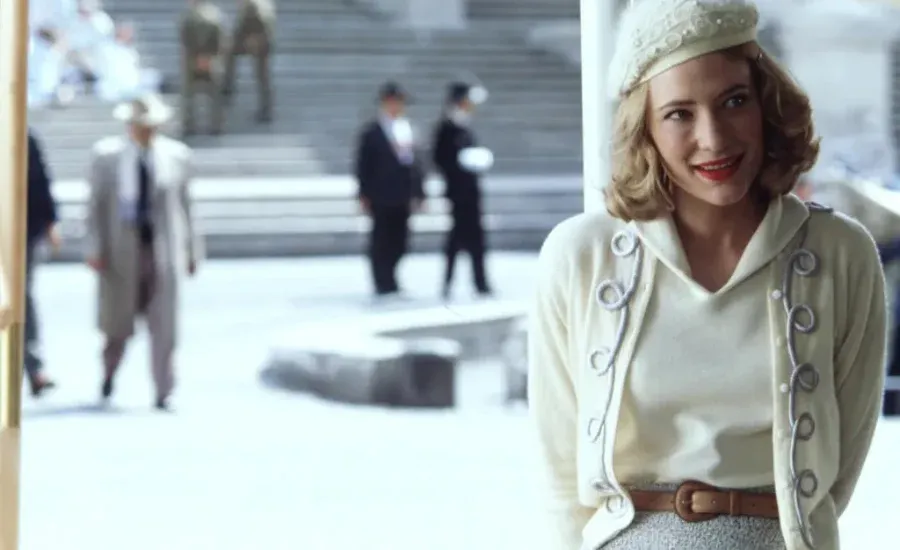
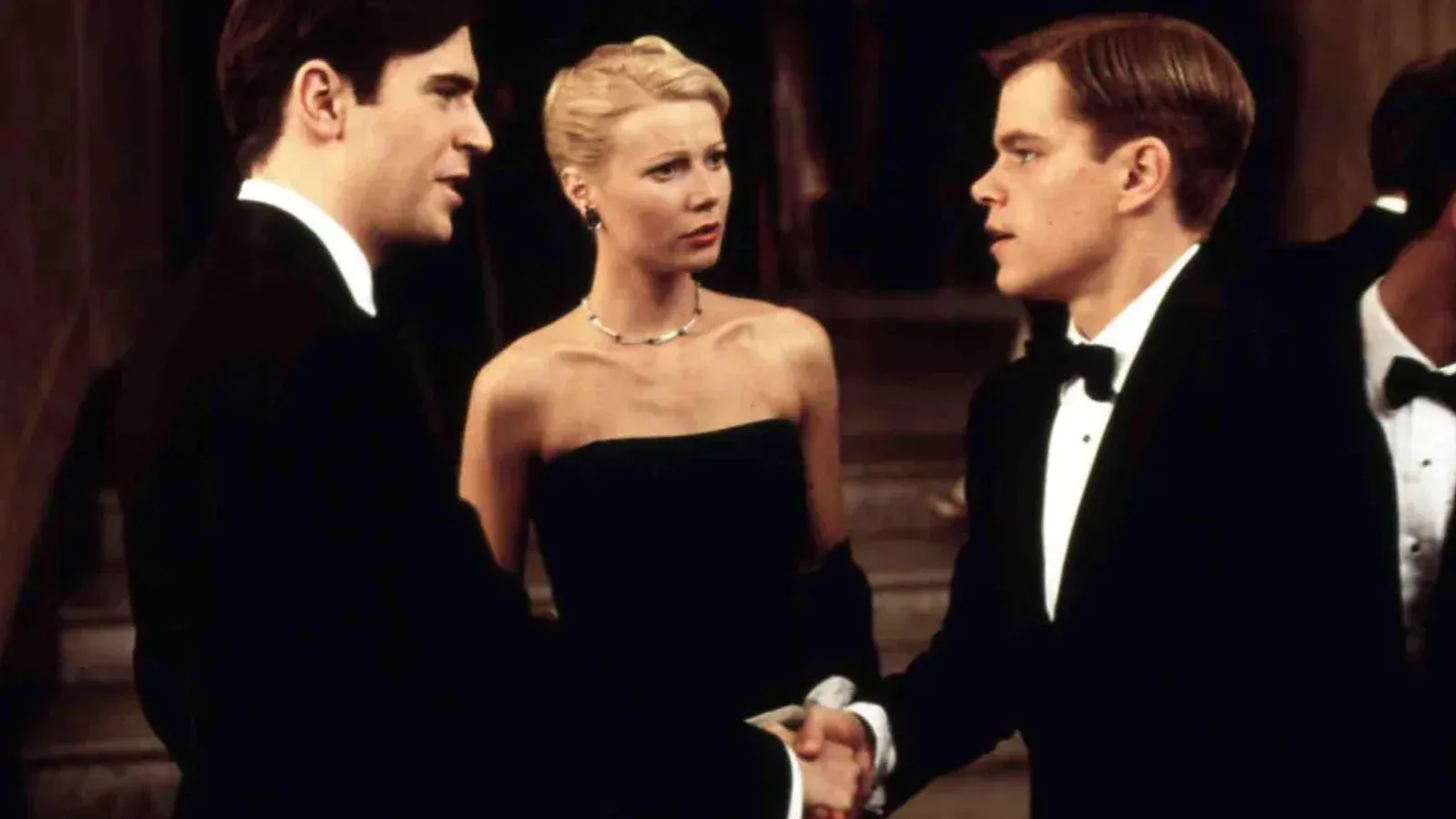
While the summer scenes in Mongibello get most of the attention, the second half of Anthony Minghella’s thriller—set across rainy Rome and wintertime Venice—is a masterclass in upper-class European cold-weather dressing. Costume designers Ann Roth and Gary Jones dressed Jude Law, Gwyneth Paltrow, and Cate Blanchett in rich, heavy textures that cut straight through the damp Italian chill. Blanchett’s Meredith Logue moves through Venetian piazzas in an enveloping shearling-lined coat, leather gloves, and tortoiseshell sunglasses, while Paltrow’s Marge Sherwood wears belted wool trench coats over fine-gauge knits and flat leather loafers. Every piece looks chosen for warmth and ease rather than flash.
3. Knives Out (2019)
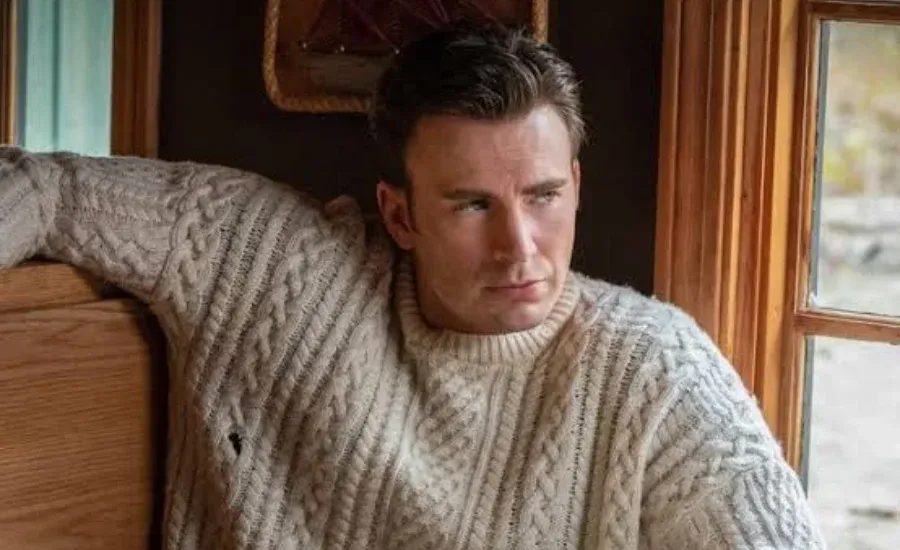
Rian Johnson’s murder mystery takes place in a drafty, gothic Massachusetts mansion in late autumn, and costume designer Jenny Eagan used heavy textiles to map out every member of the Thrombey family. Chris Evans’s infamous cream Aran fisherman sweater—frayed slightly at the collar and cuffs—works precisely because it looks like an expensive garment treated carelessly by someone who never has to check a price tag. Alongside him, Jamie Lee Curtis wears razor-sharp jewel-toned wool suiting and structured coats, while Toni Collette layers slouchy cashmere over wide-leg trousers. The wardrobe captures the exact mix of heritage tweed and casual neglect found in old New England estates.
4. The Ice Storm (1997)
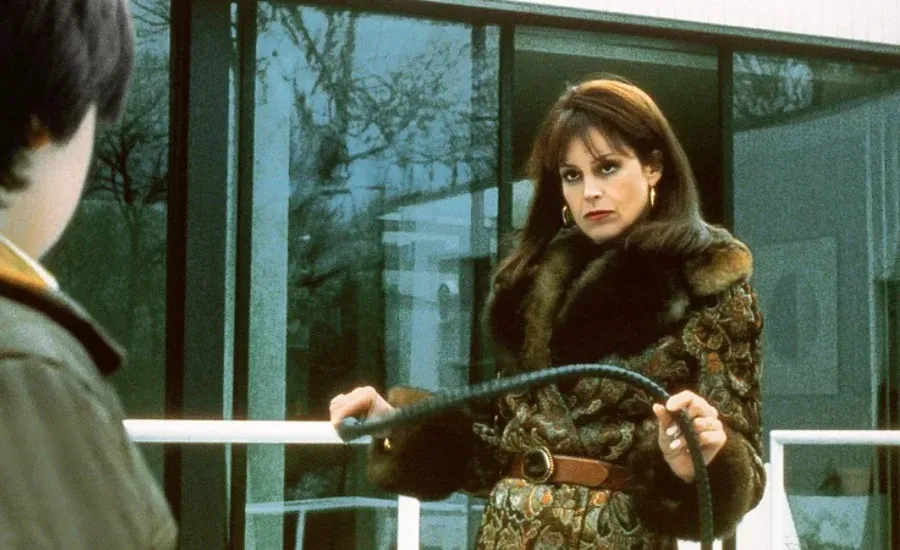
Set over Thanksgiving weekend in 1973 in affluent New Canaan, Connecticut, Ang Lee’s drama captures the severe, restrained elegance of suburban East Coast wealth. Costume designer Carol Oditz dressed Sigourney Weaver and Joan Allen in sleek turtlenecks, suede trench coats, knee-high leather boots, and geometric silk scarves knotted neatly at the neck. The palette stays anchored in espresso brown, camel, forest green, and cream—colors that echo the bare November woods outside the glass walls of their modernist homes. Nothing is oversized or theatrical; every hem and shoulder line sits with crisp, quiet discipline.
5. When Harry Met Sally... (1989)
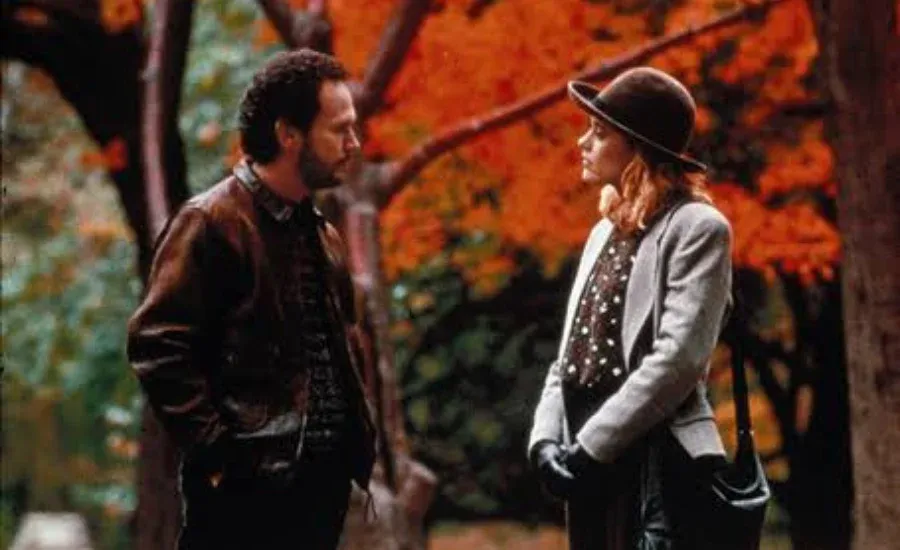
Nora Ephron’s Manhattan is at its sharpest between November and February, and costume designer Gloria Gresham gave Meg Ryan’s Sally Albright a winter wardrobe built around menswear structure. Sally walks through Central Park in oversized herringbone tweed blazers, double-breasted camel overcoats, pleated wool trousers, and crisp white button-downs layered under crew-neck sweaters. Even her accessories—structured leather crossbody bags, wide-brimmed wool hats, and heavy silk scarves—carry a tailored authority that makes modern fast-fashion coats look paper-thin by comparison.
6. The Holiday (2006)

Nancy Meyers built an entire cinematic universe around affluent comfort, yet Amanda Woods’s winter wardrobe in Surrey stands apart for its crisp, monochrome precision. Costume designer Marlene Stewart packed Cameron Diaz’s character in ivory cashmere turtlenecks, tailored cream wool coats, suede shearling jackets, and slim dark trousers that hold their line even when she is dragging luggage down a snowy English lane. The genius of those outfits lies in their restraint: sticking almost exclusively to winter white, camel, and black creates an immediate visual calm against the dark stone and wood of an English country cottage.
7. Phantom Thread (2017)
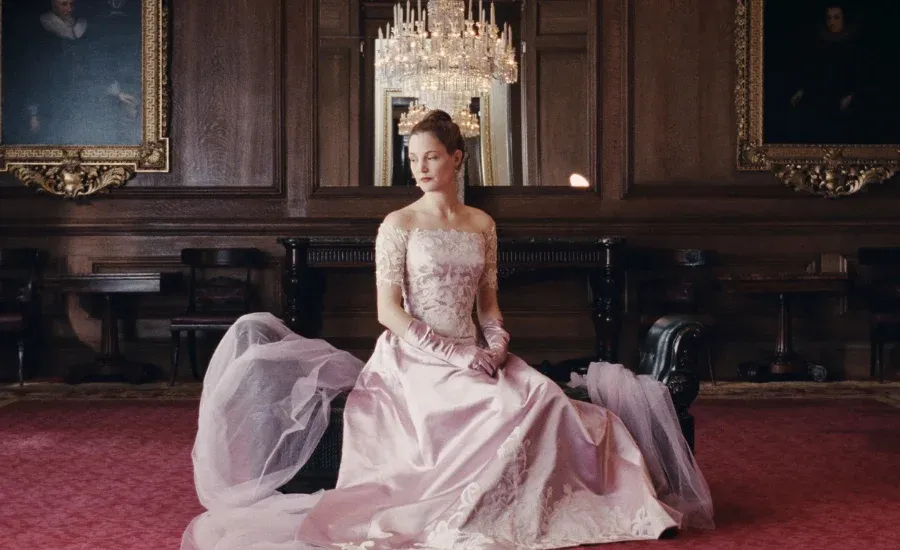
Set inside a 1950s London couture house, Paul Thomas Anderson’s film offers the ultimate study in bespoke winter construction, earning costume designer Mark Bridges an Academy Award. Away from the evening gowns, the daytime and country-house scenes showcase heavy British tailoring at its finest—thick Donegal tweed suits, ribbed cashmere cardigans, wool driving coats, and crisp poplin shirts worn over morning tea. Every garment sits on the body with architectural weight, reminding viewers that true luxury has always been measured by the quality of the cloth and the discipline of the seam.
The Lesson Behind the Screen
Notice what connects every single one of these wardrobes: zero reliance on trend cycles. Whether the setting is a 1970s Ivy League campus, a Venetian winter, or a snowy English village, the clothes hold up decades later because they prioritize natural fibers, clean silhouettes, and real insulation over novelty. Before buying another synthetic coat this winter, watch how these characters layer wool, cashmere, and leather—and keep only what looks built to last twenty years.