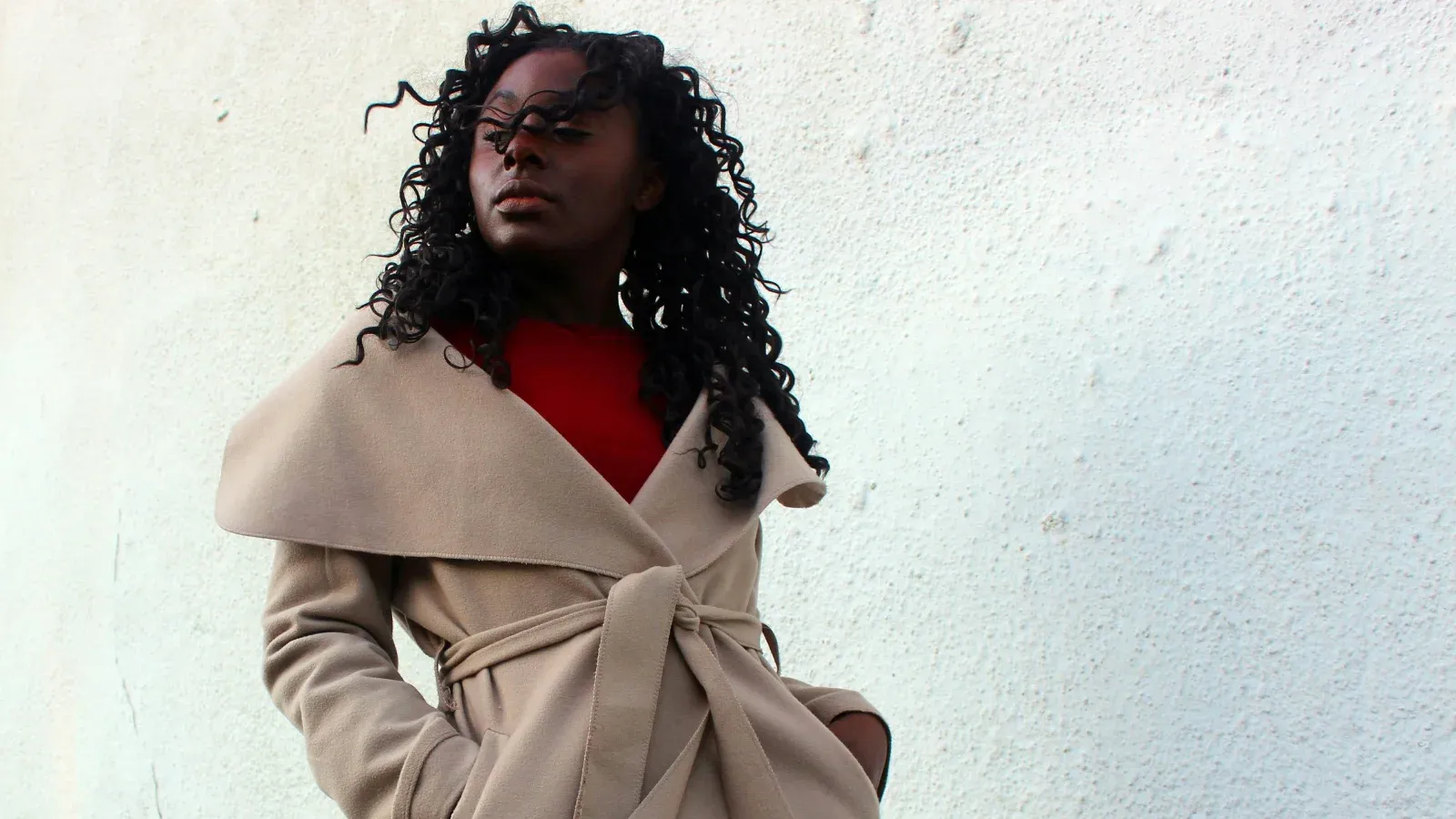
The moment temperatures drop below forty degrees, tailored dressing usually collapses. You put on a crisp cotton poplin shirt, layer a camel blazer over high-waisted wool trousers, and then ruin the entire balance by cramming yourself into a tight overcoat that locks your elbows at ninety degrees. You end up looking stiff, feeling suffocated, and pulling at your lapels the second you step into an office lobby.
Layering heavy wool over tailored suiting is not an exercise in adding bulk. It is an exercise in engineering volume, weight distribution, and collar architecture. When done right, four distinct layers look intentional, sharp, and effortless rather than frantic.
1. The Anatomy of the Coat: Why Drop Shoulders and Raglan Sleeves Matter
You cannot wear an eighty-gram double-faced coat cut with high, structured armholes over a tailored blazer. The shoulders will pinch, the seam across the bicep will pull, and the jacket lapel underneath will buckle.
To layer over tailored pieces, your outer coat must have two structural elements: a dropped shoulder or raglan sleeve, and an unlined or cupro-lined interior.
A raglan cut eliminates the rigid shoulder seam entirely, allowing the coat fabric to fall cleanly over the sharp, padded shoulder of a blazer beneath it. Cupro or viscose lining is non-negotiable. Wool rubbing directly against wool creates static friction, causing the sleeves of your sweater or jacket to ride up your forearms every time you reach for your bag. Look for a coat cut past the mid-calf. A hem that hits at the knee cuts your silhouette in half; a coat that clears the ankle acts as a clean, vertical column that pulls the entire outfit together.
2. Managing the Collar Hierarchy
The quickest way an outfit turns sloppy is collision at the neck. If your shirt collar, crewneck knit, blazer notch, and coat lapel are all fighting for the same four inches of vertical space, the look looks crowded and messy.
Build the neckline in strict ascending order:
The Base: Start with a stiff cotton poplin shirt buttoned to the collarbone. Let the collar tips sit clean and flat.
The Mid-Layer: Pull a fine-gauge merino wool or cashmere crewneck over the shirt. The knit needs to sit flush against the collar band, with just a sliver of the white shirt collar and hem showing to break up the color block.
The Suiting Layer: Add a tailored single-breasted blazer in a contrasting tone (like warm camel against charcoal grey). Leave the jacket unbuttoned. The notch lapel of the blazer should sit outside the knit sweater, framing the chest.
The Outer Coat: The coat’s notched or peak lapel must be wider than the blazer beneath it. It rests open over the entire construction, creating parallel vertical lines down the torso.
3. Controlling Hemlines and Trousers
The secret to keeping layered tailoring from looking bottom-heavy is fabric weight and break.
Pairing a heavy wool coat with skinny denim or tight trousers creates an awkward inverted-cone shape. The lower half requires volume to anchor the weight up top. Wide-leg or straight-cut trousers in heavy flannel, Donegal tweed, or high-twist wool drape cleanly over the foot, providing a stable visual base.
Ensure the hem of the trouser breaks slightly over a solid leather shoe. A chunky loafer, a chisel-toe Chelsea boot, or an understated black leather derby provides the grounded heft needed to support a floor-grazing hemline. Delicate, thin-soled flats will look completely overwhelmed by the volume of wool above them.
4. Tonal Discipline Over Loud Contrasts
When you are wearing four layers at once, pattern mixing is risky. The easiest way to keep the outfit grounded and sophisticated is adhering to a disciplined neutral palette: charcoal, deep navy, camel, and crisp optical white.
Navy and charcoal absorb light and create an unbroken longline, while the camel blazer acts as an intentional warm buffer in the center. The white shirt hem peeking out below the sweater is functional; it provides a sharp horizontal break that defines your waistline before the straight line of the trouser begins. Add a simple, flat-weave wool scarf wrapped once around the neck without loose, flapping ends, and carry a structured leather tote that does not compete with the fabric.