Most in-salon conditioning services operate on short-term cosmetic payoff. You sit under a salon processor for half an hour, leave with mirror-like shine and fluid movement, and watch that exact softness wash down the drain after two shampoos. The high-gloss finish is largely the product of heavy surface silicones, temporary polymers, and professional heat rather than an enduring structural change in fiber integrity.
When hair suffers from repeated heat styling, bleaching, or chronic environmental friction, surface coatings fail to hold up. The hair shaft needs active bond repair rather than cosmetic camouflage.
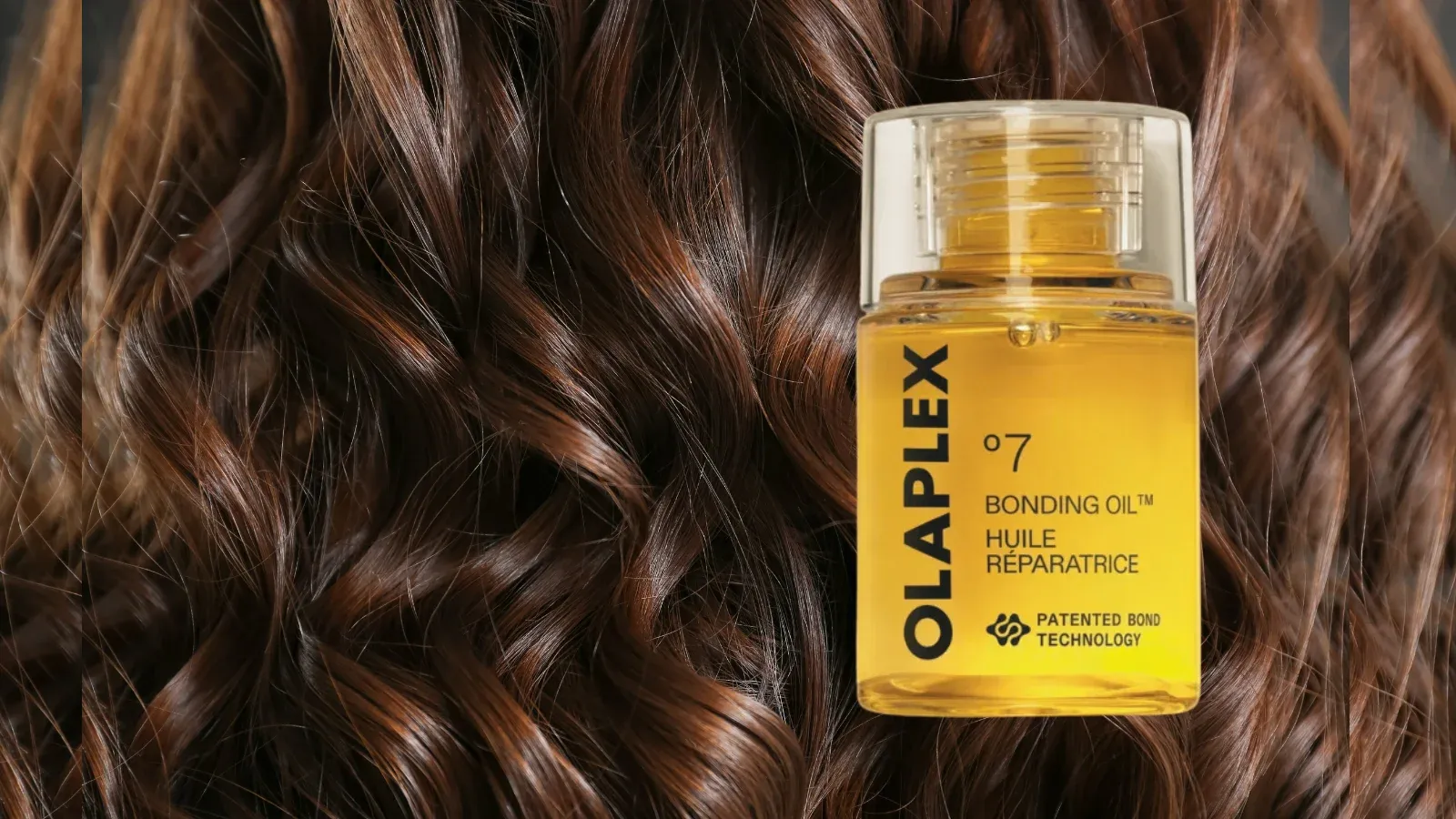
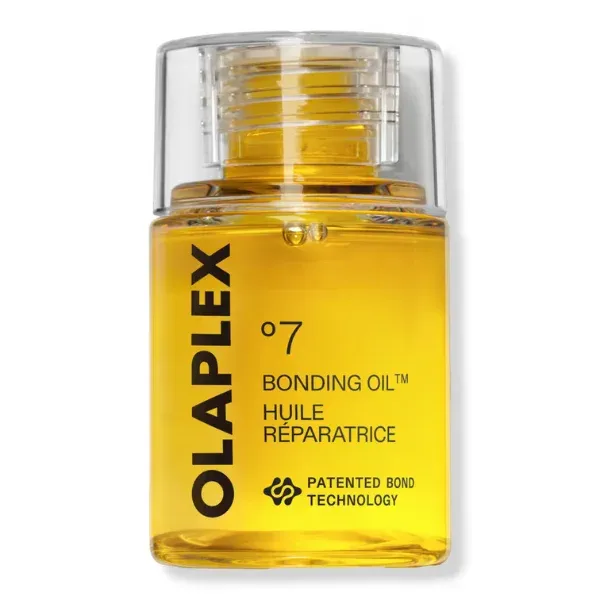
This is the precise gap that makes an honest Olaplex No. 7 review relevant. Olaplex No. 7 Bonding Oil is engineered not just as a finishing serum, but as a concentrated bond-repair oil and thermal barrier. Formulated around patented cross-linking chemistry, this small amber bottle delivers a targeted hair oil treatment for dry ends, rebuilding broken internal bonds while providing verified heat protection up to 450°F (232°C). At thirty dollars, it consistently delivers superior long-term tensile strength compared to professional treatments that cost four times as much at the bowl.
The Molecular Science: Bond Building vs. Surface Coating
Traditional hair oils rely almost entirely on plant triglycerides like argan, marula, or jojoba oil. Although botanical oils provide excellent emollience, their molecular weight is often too dense to penetrate the outer cuticle. They sit primarily on the exterior of the strand, creating a lipid shield that catches light but can easily leave fine hair limp, greasy, and vulnerable to build-up.
Olaplex No. 7 functions on a different biochemical principle.
The hero active is Bis-Aminopropyl Diglycol Dimaleate, an organic molecule patented to seek out single sulfur-hydrogen bonds broken during coloring, chemical processing, and heat exposure, linking them back into permanent disulfide bridges. Instead of merely masking compromised cortex layers with slip, the formula works from within the fiber matrix to restore internal tensile strength.
The carrier formula is equally disciplined. Utilizing fermented green tea oil, moringa seed oil, and ultra-volatile, lightweight carrier fluids, the oil sinks into damp strands within seconds. It seals down the cuticle, tames frizz and flyaways, and prevents breakage without leaving behind the tacky, heavy residue common to conventional smoothing serums.
What Is Actually in the Bottle
The ingredient list tells the real story. According to INCIDecoder's listing, the formula leads with dimethicone, a silicone, followed by isohexadecane, C13-14 isoparaffin, coco-caprylate and phenyl trimethicone. That is why it feels weightless and looks glossy: silicones create slip and shine.
The brand's signature ingredient, bis-aminopropyl diglycol dimaleate, shows up sixth. Cosmetic chemist Michelle Wong explains that this molecule links broken sulfur groups in hair proteins, creating new connections between them. She also stresses it doesn't reverse damage in the way the word "repair" suggests. Olaplex doesn't publish the concentration of that ingredient in the oil, so treat the "bonding" part as a bonus on top of the smoothing.
The formula also contains fragrance with several common allergens, including limonene, linalool, citral and hexyl cinnamal. If your scalp reacts to scented products, patch test first.
Verified Heat Defense That Protects the Keratin Core
A persistent mistake in daily haircare routines is applying raw botanical oils before touching hair with hot irons. Unrefined plant oils often have low smoke points; when pressed with a four-hundred-degree tool, they can singe delicate cuticles, accelerating the exact breakage they were meant to prevent.
Olaplex No. 7 is a dedicated hair oil that has heat protectant built directly into its carrier matrix.
It provides verified thermal defense up to 450°F (232°C), shielding the keratin structure from protein denaturation during blowout and flat-iron routines. Distributing a few drops through damp mid-lengths and ends before rough-drying noticeably speeds up blow-dry time, prevents moisture loss from forced hot air, and shields vulnerable ends from heat-induced splitting.
Because the formula reinforces disulfide bonds while simultaneously blocking thermal degradation, hair maintains its density and crisp perimeter over months of regular styling, avoiding the thinned-out, feathered look that often develops along the bottom two inches.
How to Use Olaplex No. 7 Bonding Oil for Maximum Return
To get the most out of bond-building chemistry, prep is just as critical as the oil itself. If your hair is coated in hard water minerals, dry shampoo residue, or layers of styling polymers, the reparative actives can't penetrate past the surface. Before introducing a daily bonding oil, strip away the buildup with a dedicated clarifying reset—we broke down the best budget-friendly formula for the job in our Odele Clarifying Shampoo Review. Giving your cuticle a clean slate ensures those two to three drops of Olaplex reach the cortex instead of just sliding over accumulated grime.
Because this formula is an ultra-concentrated reparative elixir, correct dosage is everything.
The bottle features an inverted metered dispenser engineered to drop a single, measured bead when tapped firmly against your palm, preventing accidental over-application. For fine to medium hair textures, two to three drops are more than enough for an entire head. Thicker, coarse, or highly porous hair benefits from four to five drops worked systematically from mid-lengths down to the ends.
The most effective way to use Olaplex No. 7 is on damp, towel-dried hair immediately after washing, allowing the wet hair fibers to absorb the bond-building actives into the cortex before you apply heat.
You can also use a single drop over dry hair as a final styling touch. It instantly settles flyaways, softens stiff ends after curling, and adds a clean, satin luster that looks like healthy virgin hair rather than an oil slick.
Who Should Skip It
Fragrance-sensitive scalps. The allergens listed above are the main reason to patch test.
Very fine, oily hair. A silicone-forward oil can weigh it down. Keep it to the last few inches.
Severely damaged or over-bleached hair. If your ends are snapping, you need a stylist and a real bond-repair service, not a finishing oil.
Anyone avoiding silicones. They are the backbone of this formula.
Is Olaplex No. 7 Worth It?
A standard in-salon gloss or deep-conditioning treatment routinely runs between seventy-five and one hundred and fifty dollars, requiring monthly maintenance to keep hair feeling supple.
A single one-ounce bottle of Olaplex No. 7 Bonding Oil retails for thirty dollars and typically lasts five to six months of regular use. Over twelve weeks of consistent application, hair demonstrates tangible structural improvements: ends stay unified, brush drag drops significantly, and the fiber maintains true elasticity when wet.
Professional salon services remain essential for technical coloring and precision cutting, but for daily structural maintenance, reliable thermal safety, and long-term split-end prevention, Olaplex No. 7 handles the heavy lifting with clinical precision.