
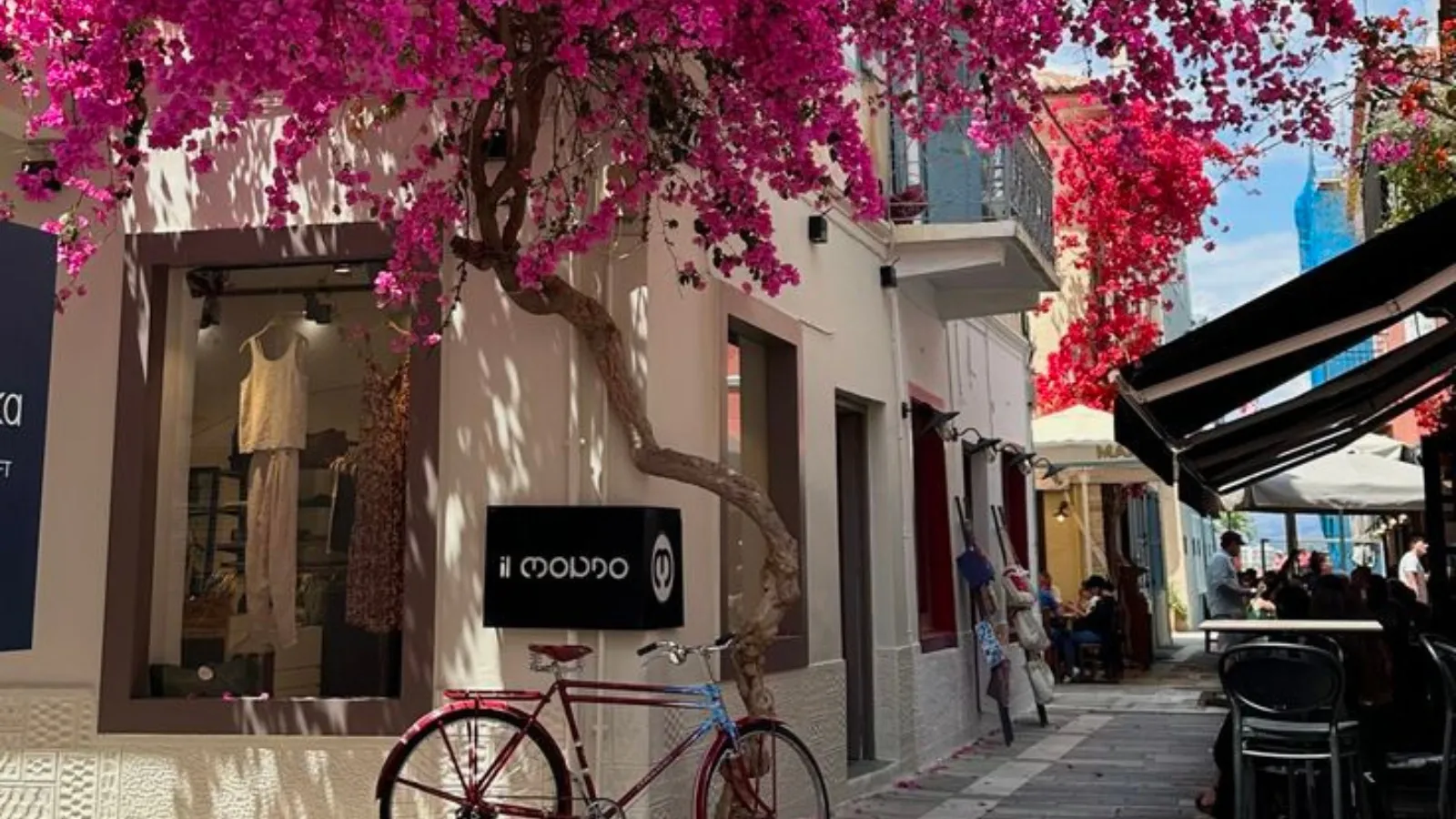
Over the last few years, July in Southern Europe has devolved into an exercise in high-cost crowd management.
Between triple-digit heat waves, cruise-ship bottlenecks in port towns, and restaurants running double-turn seatings for tourists, the romanticized European summer trip often feels more like a logistical test than a genuine escape. High-earning travelers pay peak seasonal rates for the privilege of queuing along sun-scorched cliff sides and negotiating packed hotel terraces.
The antidote is the deliberate off-season pivot.
Once October settles in, the European continent undergoes a refreshing reset. The noise recedes, temperatures cool to crisp walking weather, and hospitality reverts to its natural, attentive cadence. The four destinations below are not backup options; they reveal their true character, culinary depth, and understated luxury only after the summer crowds have cleared out.
1. Nafplio & the Peloponnese, Greece
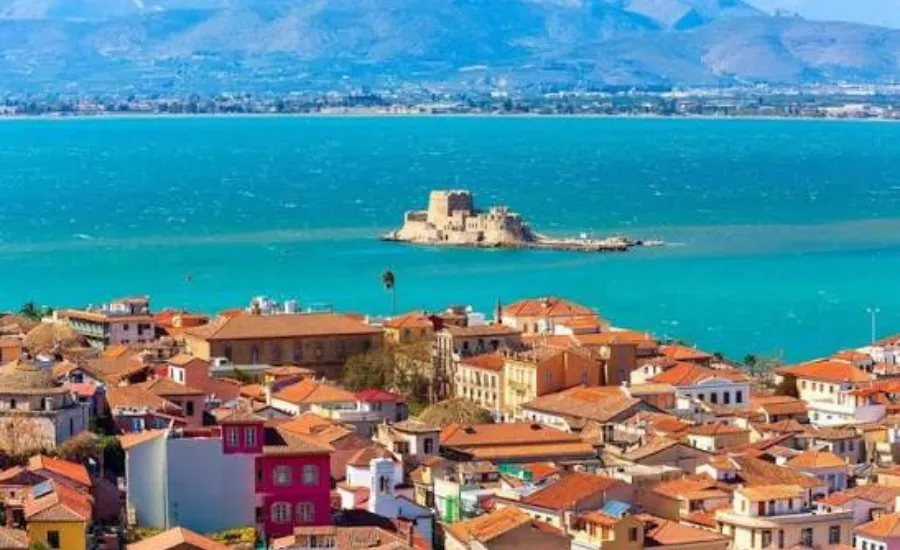
Most travelers treat Greece as a high-summer archipelago checklist, rushing through Athens simply to catch a ferry to the Cyclades. By November, the islands close down, but the mainland comes alive with quiet sophistication.
Two hours southwest of the capital, Nafplio sits along the Argolic Gulf as one of the Mediterranean’s most elegant coastal towns. As the first capital of modern Greece, its neoclassical mansions, Venetian fortresses, and polished marble plazas are built for year-round life rather than transient beach traffic.
Autumn pulls a completely different quality of light across Nafplio. The summer haze burns off, replaced by crisp coastal days in the mid-sixties and the earthy, sharp rhythm of the regional olive harvest underway in the surrounding valleys. You can take the steep stone stairs up to the Palamidi fortress in total stillness, without a single tour group in your peripheral vision, looking down over empty battlements and a flat, slate-blue gulf. Down in the town, the polished marble of Syntagma Square empties out by late afternoon, leaving you free to drift between small antiquities collections, independent bookshops, and quiet cafes where locals actually sit to converse rather than rush.
When evening settles, bypass the waterfront strips entirely. The real culinary life of the Peloponnese retreats into warm, low-lit neighborhood dining rooms tucked deep into the alleys. This is the season for slow-cooked comfort: tender lamb braised for hours with orzo in rich tomato sauce, bitter wild greens wilted with generous pours of early-harvest olive oil, and glasses of peppery, full-bodied Agiorgitiko poured straight from the nearby hills of Nemea.
At night, retreat behind the historic town walls into a restored neoclassical suite. With exposed timber ceilings, an open stone hearth taking the chill out of the sea air, and shuttered windows framing the dark silhouette of the Bourtzi fortress resting on the water, the town feels less like a destination and more like a private, well-kept secret.
2. San Sebastián & the Basque Coast, Spain
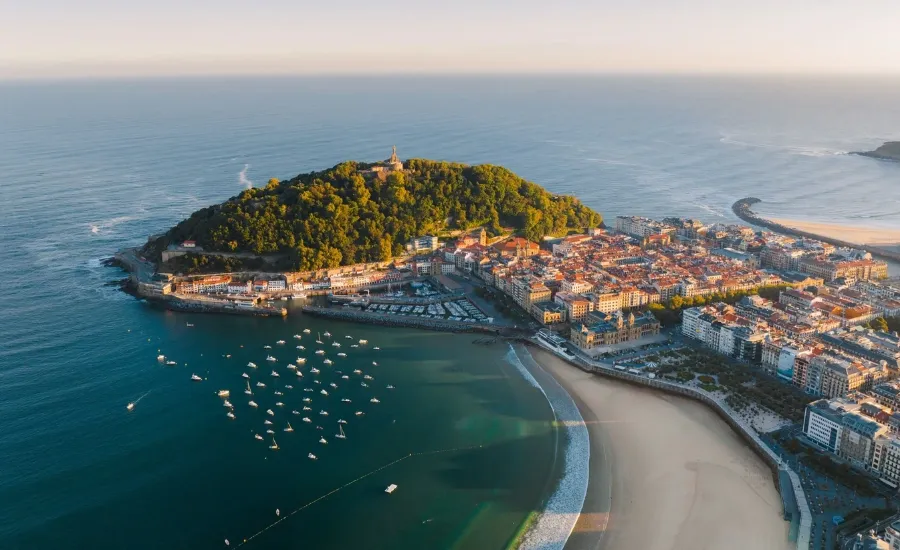
In August, San Sebastián’s La Concha beach is packed blanket-to-blanket, and its legendary pintxo bars require sharp elbows simply to flag down a plate. In late autumn and winter, the city shifts into moody, atmospheric elegance.
The Bay of Biscay churns with dramatic Atlantic swell, misty rains wash over the Belle Époque promenades, and the gastronomic capital of Spain returns to its rightful owners: culinary purists and locals who treat food as a high craft.
Come late autumn, San Sebastián sheds its resort sheen and reveals its true, brooding Basque character. The six-month waitlists at three-star temples like Arzak or Akelarre dissolve, turning legendary tables into effortless reservations. Even better, the narrow stone corridors of the Parte Vieja finally let you breathe. Instead of jostling through three rows of elbows just to point at a platter, you can step up to the polished wooden counter of a legendary pintxo bar, order with unhurried authority, and actually talk with the people cooking your food.
This is cider and harvest season in the north, which means the counters are loaded with real culinary weight. Skip the cold snacks and wait for what comes hot off the plancha: sweet, warm txangurro baked in its spider crab shell, wild autumn mushrooms seared hard and bound by rich, raw egg yolk, and massive cuts of rare Txuleton beef charred over open coals with plenty of flaky salt. Wash it down with a sharp, effervescent Txakoli poured from shoulder height, cutting clean through the smoke and fat.
Base yourself along the Urumea River in a seafront junior suite at Hotel Maria Cristina, where belle-époque grandeur still means thick carpets, impeccable room service, and heavy drapery. Pull on a structured wool coat, walk the curve of La Concha while the Atlantic swell churns against the seawall under misty Basque skies, and head back inside only when you are ready to slip into a corner banquette for dinner at ten.
3. The Luberon Valley, Provence, France
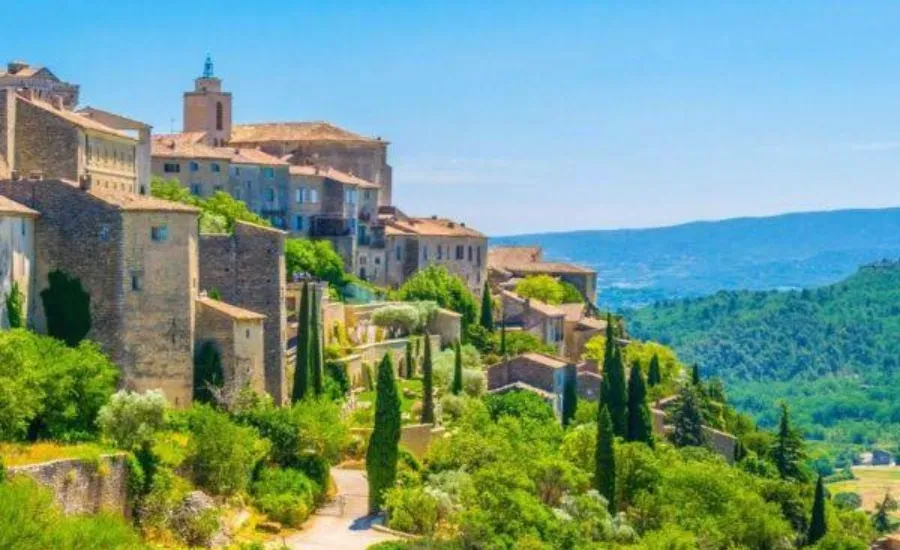
Summer in Provence is defined by traffic snarls on narrow limestone roads and fields of drying lavender surrounded by tour buses. By late October, the tourist infrastructure packs up, and the Luberon returns to its slow, agricultural roots.
The morning mist clings to hilltop stone villages like Ménerbes, Gordes, and Bonnieux. The vineyards turn deep rust and amber, plane trees drop their golden leaves over village squares, and stone bastides scent the crisp air with the scent of burning olive wood.
By late autumn, the Luberon Valley sheds its postcard performance and returns to the quiet, limestone-and-soil reality of rural France. The tour buses have vanished from the winding roads, leaving hilltop villages like Ménerbes, Gordes, and Bonnieux entirely at the mercy of the elements. You can walk through ancient, vaulted stone passageways on a Wednesday morning hearing nothing but your own footsteps on the cobblestones. In the village squares, the weekly markets stop catering to souvenir hunters and pivot entirely back to local sustenance: small crocks of freshly milled olive oil with that peppery green bite, wrinkled rounds of aged chèvre wrapped in chestnut leaves, and heaps of misshapen winter squashes pulled straight from cold loam.
The culinary calendar shifts into something far darker and more decadent as winter approaches in the Vaucluse: the arrival of the black tuber melanosporum. Neighborhood bistros throw out the light summer ratatouilles and build whole menus around deep, aromatic comfort. The kitchen folds black truffles directly into barely set, farm-fresh scrambled eggs that melt into thick slices of country bread, followed by an unapologetic beef daube that has spent six slow hours bubbling down with local Côtes du Rhône until the meat collapses at the touch of a fork.
Stay tucked away in a converted private bastide outside town. Look for the kind of place with radiant heat humming beneath wide flagstone floors, a library of art and history books flanking an open stone fireplace, and a deep clawfoot tub where you can soak off the countryside chill with a glass of Syrah while the mist settles over the dormant vineyards outside.
4. The Salzkammergut Lake District, Austria
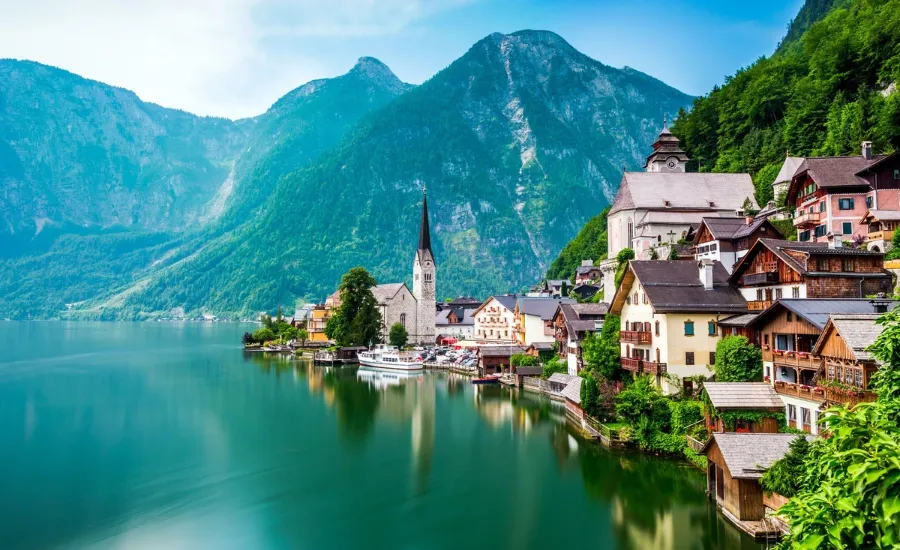
While the summer crowds flood Hallstatt for a quick photo before returning to their buses, winter in Austria’s Salzkammergut offers an alpine stillness that feels entirely detached from modern hurry.
Surrounded by steep limestone peaks, the deep glacial lakes of Altaussee and Wolfgangsee turn glassy and dark. Snow dusts the pine forests down to the water’s edge, wooden boathouses stand quiet on the shoreline, and the air smells of pine resin and woodsmoke.
Winter strips the Salzkammergut down to pure sensory quiet. The summer day-trippers who choke the lakefronts for quick photos have vanished, leaving behind dark glacial waters that look like poured glass beneath limestone massifs dusted in snow. There are no frantic itineraries here, and wanting one misses the point entirely. The entire rhythm of the day slows to something ancient and physical: an hour-long morning walk along the frozen shoreline of Lake Altaussee bundled in heavy wool, an afternoon spent sweating in a wood-fired panoramic sauna that looks straight out onto jagged alpine peaks, and hours lost in a good book beside the steady, radiant heat of a traditional green-tiled ceramic stove.
The food in this pocket of Styria is cold-weather preservation taken seriously. It starts with deep, steaming bowls of bone-clear beef consommé rich with marrow and floating delicate liver dumplings that restore warmth down to your fingers. Next comes fresh-caught Arctic char pulled from the glacial depths of the lake, pan-fried simply in foaming butter until the skin shatters under the knife. For the finish, nobody counts calories in the Austrian Alps: the kitchen sends out warm, shredded Kaiserschmarrn straight from the skillet, lightly caramelized, dusted with a snowfall of vanilla sugar, and served with tart, spiced plum compote to cut through the richness.
Base yourself directly on the water in a historic hunting lodge or an understated wooden boathouse estate in Altaussee. Between the scent of pine resin, the quiet crackle of the wood stove, and the total absence of highway hum, the Austrian ideal of Gemütlichkeit stops being an untranslatable concept and simply becomes the air you breathe. It is the kind of stillness that completely drains the cortisol from your system before the week even begins.
Traveling during the off-season is not about seeking a bargain; it is about protecting your attention. True luxury is space, silence, and genuine human engagement with a place on its own terms. By letting the summer crowds clear before you pack your bags, Europe stops being a manic playground and becomes what it was always intended to be: a restorative sanctuary.