
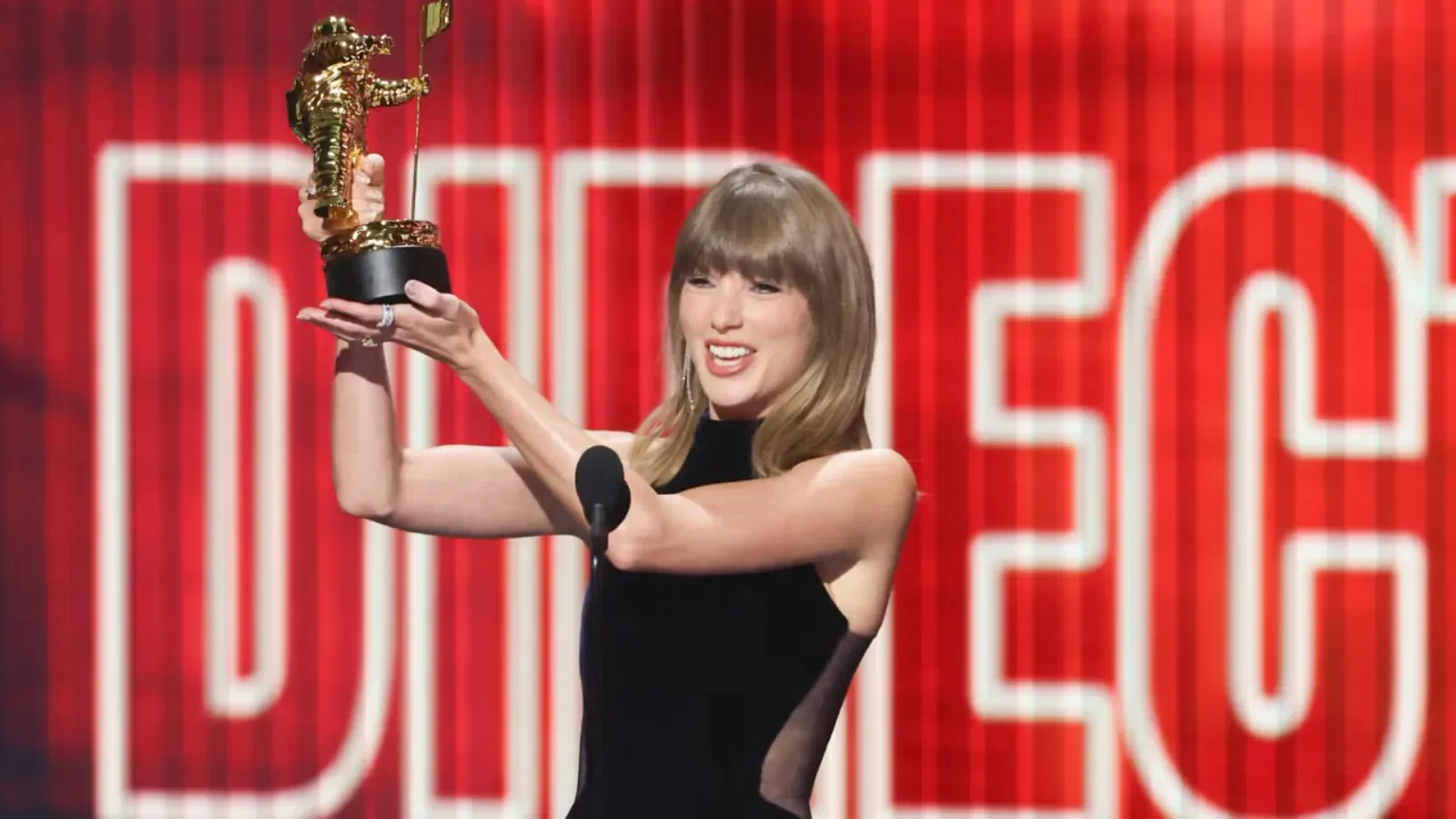
Taylor Swift won again this weekend, and on paper it could not look more decisive. At the 2026 MTV VMAs, she became the first-ever recipient of a brand-new category called Artist Director Honors, a trophy that pushed her past a tie with Beyoncé at thirty wins each and handed her the all-time VMA record outright, thirty-one to Beyoncé's thirty. There is a catch in that record, though, before treating that record as proof of anything. Beyoncé was not nominated this year. MTV did not invent a new award and watched two heavyweights fight it out. It invented a new award, in a year with no real competition for the record, and handed it to the one artist guaranteed to generate headlines regardless. Seen that way, that is not the industry declaring she is still the most exciting artist working. That is the awards apparatus doing what awards shows do once the organic conversation has moved on: manufacturing a coronation because consensus can no longer be counted on to arrive on its own.
The Immunity That Used to Protect Her
Which gets at the real shift happening underneath the trophy case. For most of the last decade, criticizing Taylor Swift came with a cost. Say something negative in public, and the response arrived within the hour, an organized wave of Swifties recasting the critique as misogyny, and outlets that once ran the piece would quietly soften their coverage the next cycle rather than face another round of it. That shield is not gone entirely, but it has cracked in a way that would have been unthinkable two years ago, and the cracks are coming from every direction at once.
The Chart Strategy That Changed How People Saw Her
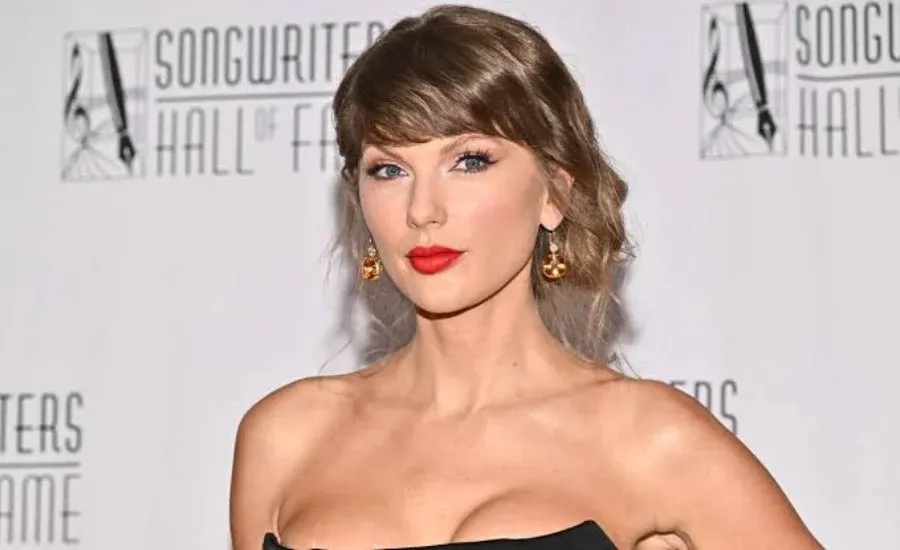
Start with the chart strategy, because it is the clearest case study and it is not new information dressed up as outrage. Back in 2024, "The Tortured Poets Department" rolled out an unending series of vinyl, CD, and digital variants, timed with unusual precision to coincide with weeks when Charli XCX and Billie Eilish were positioned to take the number one spot. Fans and critics alike stopped calling it a savvy release strategy and started calling it something closer to insecurity, an unwillingness to let anyone else have a moment at the top, even briefly. A dominant artist competing hard is one thing. Manufacturing new purchasable formats specifically to keep two other women boxed out of a chart position reads as something smaller than competition. It reads as pettiness with a marketing budget behind it.
The Jet Story That Refused to Die
The private jet story never actually went away either; it just kept resurfacing at increasingly bad moments. The image of a thirteen-minute flight, tracked and mocked across social platforms for years, hit differently once climate anxiety became a mainstream talking point and ordinary people were watching their own grocery bills climb. A billionaire treating a private jet like a rideshare service is a hard image to defend at any point, and it became an even harder one to defend while asking fans to buy a fourth vinyl variant of the same album. She eventually sold one of her two private jets after the backlash reached a level she could not simply outlast, keeping the other, which is telling in itself. A star with real, functioning PR immunity does not need to change behavior over a meme that will not die.
A Relationship That Started to Feel Like a Broadcast
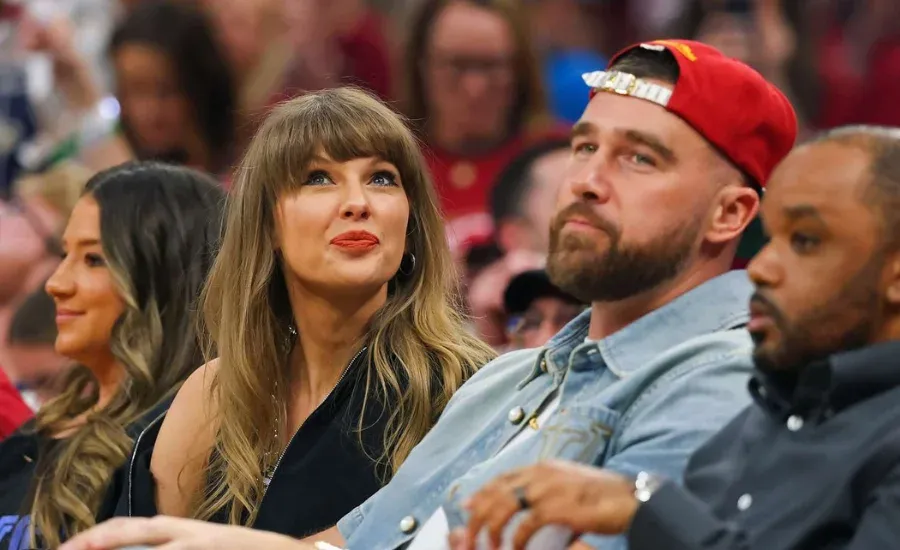
Then there is the Travis Kelce relationship, which began as a genuinely charming story and has slowly curdled into something closer to a running joke. What read as spontaneous in year one now reads as blocking and lighting, a relationship staged specifically for NFL broadcast cameras with a predictability that drains it of whatever made it interesting in the first place. Audiences do not mind celebrity romance. They mind being sold a romance so visibly engineered for content that it stops feeling like two people and starts feeling like a quarterly rollout.
Why Critics Stopped Flinching
What ties all three threads together is the fourth one: media outlets have stopped being afraid. For years, critics wrote glowing coverage partly out of genuine appreciation and partly out of a well founded fear of what happens when an army of fans decides a review was unfair. That fear has been documented directly: journalists at outlets including The Guardian have described organized harassment campaigns, and at least one music publication withheld a critic's byline on a Swift review out of stated fear for their safety. That fear has measurably thinned regardless. Major outlets and podcasts are now willing to say plainly that the last few album cycles have not moved her artistry forward, that tracklists have ballooned past the point of quality control, and that nearly every public moment now reads as calculated rather than felt. None of these critics are getting run out of the industry for saying it. That alone marks a real shift.
When the Subject Matter Stops Moving
What threatens relevance here, more than any single backlash cycle, is that the subject matter has stopped moving. For years, audiences treated her lyrics like a puzzle worth solving, decoding names, dates, and grudges with real enthusiasm. At this point in her thirties, the recurring narrative of the wronged woman hurt by yet another man is starting to read as less complicated than exhausted, a groove worn so deep it has stopped registering as vulnerability and started registering as formula. The gossip lost its bite because the formula stopped surprising anyone.
What the Rest of Pop Did Instead
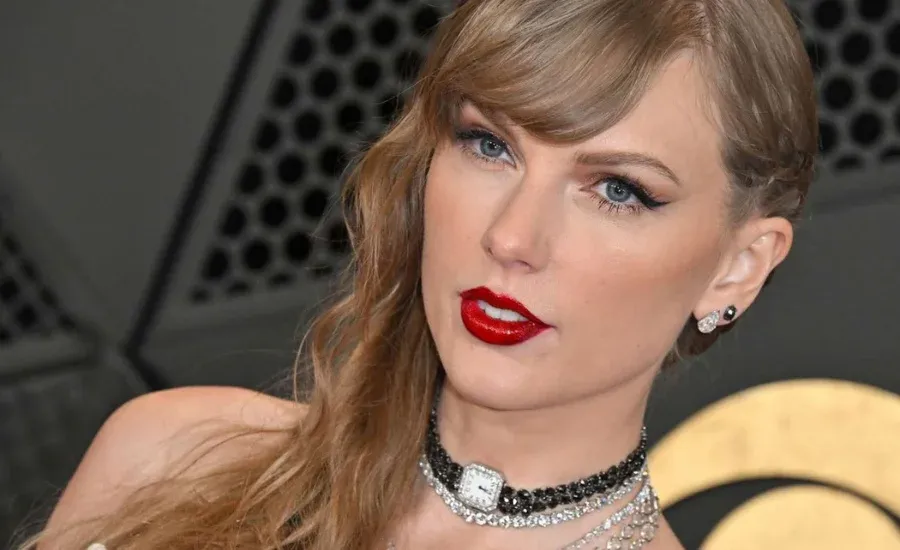
Compare that to what the rest of pop has been doing in the same window. Charli XCX, Chappell Roan, and Sabrina Carpenter have spent the same years bringing genuine unpredictability, humor, and a willingness to look messy or horny or strange on purpose. Whatever else is true about them, none of them feel safe. Swift, by contrast, has settled into the same melancholic, risk-averse mid-tempo synth-pop lane, release after release. She became the establishment. Nothing about being the establishment has ever read as exciting, no matter how many records it sells.
Look at where the public conversation actually keeps landing. When the dominant conversation about a pop star is not about her songwriting but about how many vinyl formats she pressed to keep two other women off a chart position, she has stopped functioning as an artist in the public imagination and started functioning as an aggressive brand exercise, and audiences can smell that shift even when they cannot articulate it cleanly.
Thirty more versions of the same mid-tempo track were never the ask, and neither was another carefully blocked shot from an NFL suite pretending to be spontaneity. What audiences are visibly tired of is predictability, and for a pop star built entirely on being the most interesting person in the room, predictable is a far more dangerous place to end up than disliked ever was.