

Chronic exhaustion among women is routinely dismissed. It is rationalized as the inevitable byproduct of demanding careers, poor sleep hygiene, systemic stress, or the invisible mental load of daily life. When women seek clinical answers, routine blood tests frequently return stamped with a reassuring "within normal limits," leaving them without a diagnostic explanation for persistent brain fog, muscle weakness, temperature intolerance, and unprovoked hair shedding.
In a clinical nutritional setting, this pattern points directly to one of the most widespread yet fundamentally mishandled imbalances in female physiology: functional, non-anemic iron deficiency.
Iron is the catalytic engine of human cellular respiration. It is the primary element within hemoglobin, the metalloprotein inside red blood cells responsible for transporting oxygen from the lungs to peripheral tissues, and myoglobin, which stores and releases oxygen within active skeletal muscle fibers. Yet the conventional medical approach to assessing iron status focuses almost exclusively on overt anemia, overlooking the insidious physiological toll of depleted cellular storage reserves.
Understanding the critical divide between overt anemia and tissue-level iron depletion is the first step toward reclaiming baseline metabolic vitality.
The Ferritin Blind Spot and the New Hematology Standards
The most significant diagnostic failure in standard healthcare is over-relying on a basic Complete Blood Count (CBC) as a clean bill of health.
A CBC measures circulating hemoglobin and hematocrit. Biologically speaking, circulating hemoglobin is the body's emergency reserve. Your physiology will aggressively prioritize maintaining hemoglobin synthesis at the direct expense of nearly every other cellular system. By the time circulating hemoglobin drops low enough to trigger an official clinical diagnosis of iron-deficiency anemia, your cellular iron stores have typically been completely depleted for months, if not years.
The true, definitive indicator of systemic iron status is serum ferritin, the intracellular protein that stores elemental iron for future metabolic use.
For decades, commercial laboratories have anchored their reference ranges to archaic lower limits, frequently flagging ferritin as normal at concentrations as dangerously low as 12 to 15 ng/mL. This diagnostic lag has left millions of symptomatic women clinically overlooked. Addressing this systemic failure, the American Society of Hematology (ASH) formally established updated clinical standards designed to overhaul how iron deficiency is identified and treated.
The updated guidelines emphasize that a serum ferritin level below 30 to 50 ng/mL, particularly in the presence of fatigue, cognitive fog, restless legs, or heavy menstrual bleeding, constitutes functional iron deficiency requiring clinical intervention, regardless of whether hemoglobin remains technically normal. The society also emphasizes evaluating transferrin saturation (TSAT), identifying that a saturation level falling below 20% indicates insufficient iron available for active erythropoiesis and tissue delivery.

By raising diagnostic baselines and urging clinicians to proactively screen women of reproductive age rather than waiting for the onset of full-blown anemia, hematologists are finally validating clinical reality. When a woman presents with persistent exhaustion and a ferritin reading of 22 ng/mL, she does not need lifestyle platitudes. She is operating with depleted cellular architecture.
The Biology of Female Vulnerability
Women of reproductive age bear a distinct biological vulnerability to iron loss, primarily dictated by blood volume fluctuations and monthly menstrual cycles.
Whole blood contains approximately 0.5 mg of elemental iron per milliliter. A standard menstrual period accounts for an average loss of 30 to 40 milliliters of blood, requiring a woman to replace roughly 15 to 20 mg of elemental iron each cycle simply to remain at baseline. For women navigating abnormal uterine bleeding, menorrhagia, uterine fibroids, or adenomyosis, monthly blood loss frequently exceeds 80 milliliters, creating an ongoing negative iron balance that standard dietary intake struggles to balance.
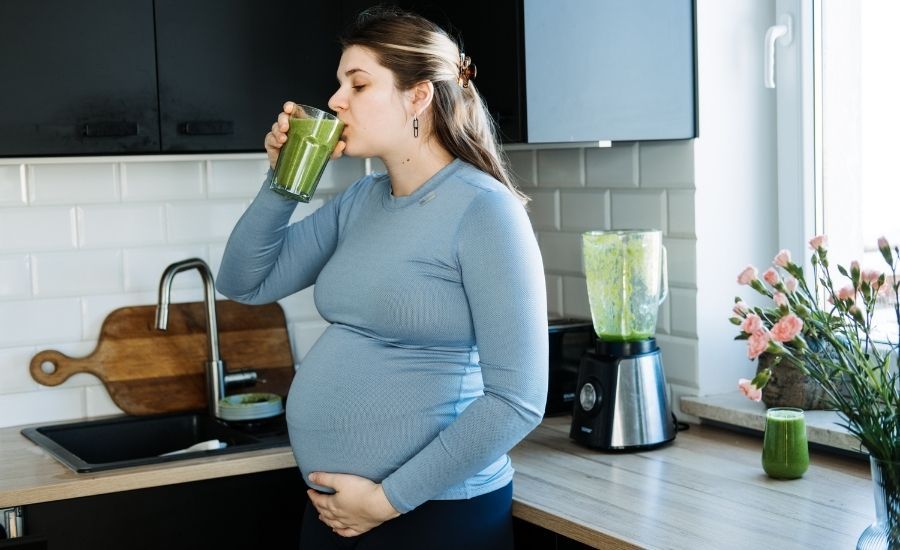
Pregnancy increases maternal iron requirements exponentially, driven by the need to expand maternal plasma volume by nearly 50% while simultaneously constructing the placenta and the fetal blood supply. Without proactive monitoring and tailored clinical repletion, the postpartum period often begins in a state of severe tissue deficit, exacerbating postpartum lethargy, mood disturbances, and protracted tissue recovery.
The Thyroid and Mitochondrial Connection
Iron deficiency is not merely an issue of red blood cell counts; it directly dictates endocrine output and cellular energy production.
Inside the thyroid gland, the synthesis of thyroid hormones depends heavily upon thyroid peroxidase (TPO), an iron-dependent heme enzyme. When systemic iron levels decline, TPO activity plummets, reducing the primary production of thyroxine (T4). Concurrently, peripheral deiodinase enzymes require iron to convert circulating, inactive T4 into metabolically active triiodothyronine (T3).
This biological reality explains why women with functional iron deficiency frequently exhibit subclinical hypothyroid symptoms: low resting body temperature, sluggish digestive motility, cold extremities, and stubborn fluid retention. For those diagnosed with autoimmune Hashimoto’s thyroiditis, low iron creates a secondary metabolic roadblock that impairs thyroid hormone synthesis even when thyroid hormone replacement dosages are repeatedly increased.
At the microscopic cellular level, iron atoms sit inside the core complexes of the mitochondrial electron transport chain. Without adequate iron availability, mitochondria cannot efficiently synthesize adenosine triphosphate (ATP). The resulting physical fatigue is not mental apathy or a lack of motivation; it is the direct physical consequence of cells struggling to generate baseline biological energy.
Absorption Dynamics: Heme, Non-Heme, and the Hepcidin Gatekeeper
Resolving depleted iron reserves requires nutritional precision because the human gastrointestinal tract regulates iron absorption with extreme caution to prevent systemic toxicity.
Dietary iron exists in two distinct biochemical forms:
Heme iron, bound within hemoglobin and myoglobin, is derived exclusively from animal tissues, including pasture-raised red meat, poultry, and seafood. The enterocytes of the small intestine absorb heme iron intact via dedicated transporter proteins, achieving an absorption efficiency between 15% and 35%, largely unaffected by dietary co-factors.
Non-heme iron, found in plant-based sources like lentils, chickpeas, pumpkin seeds, spinach, and whole grains, exists in an inorganic form. Its absorption efficiency is significantly lower, typically hovering between 2% and 10%. Non-heme iron requires gastric acid to be converted into a soluble state and is exceptionally sensitive to dietary inhibitors and enhancers.
The primary systemic regulator of iron balance is hepcidin, a peptide hormone synthesized by the liver. When circulating iron levels rise, or when the body experiences systemic inflammation, hepcidin production increases. Elevated hepcidin binds to and degrades ferroportin, the cellular doorway that allows iron to exit intestinal cells and enter general circulation.
This biological feedback mechanism carries profound implications for supplementation. Consuming excessive daily doses of inorganic iron spikes circulating hepcidin for up to 48 hours, blocking subsequent absorption and causing unabsorbed iron to linger in the colon, where it triggers oxidative stress, gastrointestinal inflammation, constipation, and nausea.
Clinical Guidance for Sustainable Replenishment
Rebuilding depleted ferritin reserves requires a strategic, individualized protocol rather than unguided, aggressive supplement consumption.
Comprehensive laboratory testing should always precede intervention. Request a full iron panel that includes serum iron, total iron-binding capacity (TIBC), transferrin saturation (TSAT), and an uncluttered ferritin test, evaluated alongside a complete blood count.
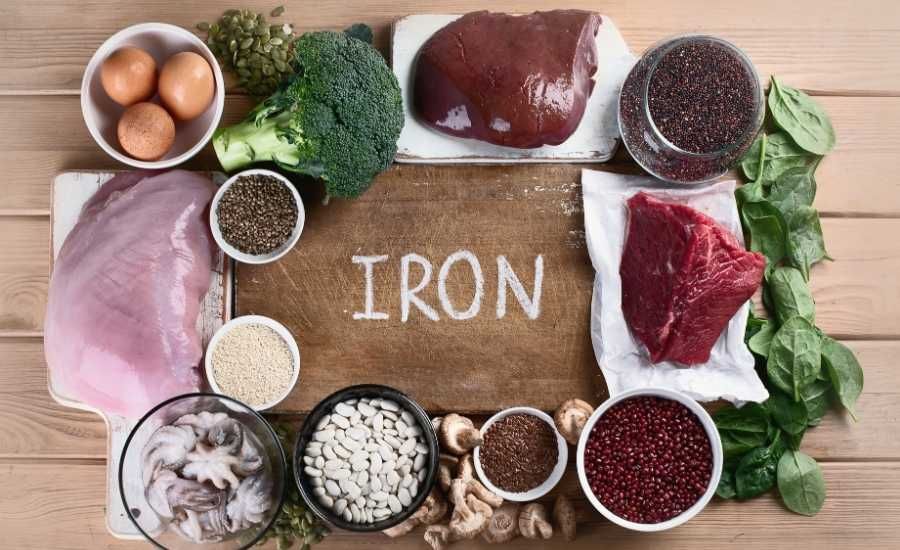
Strategic timing around meals dramatically influences uptake. Vitamin C (ascorbic acid) acts as an electron donor that converts non-heme ferric iron into the easily absorbable ferrous form. Pairing plant-based iron sources with citrus, bell peppers, or fermented vegetables significantly improves absorption.
Conversely, known dietary inhibitors must be deliberately separated from iron-rich meals. Tannins and polyphenols present in coffee and tea, phytic acid in unsoaked grains, and supplemental calcium bind to elemental iron within the digestive tract, inhibiting absorption by up to 80%. Separating coffee, tea, and dairy or calcium supplements from primary iron-dense meals by at least two hours preserves bioavailable uptake.
For those requiring oral supplementation, alternate-day dosing under clinical supervision represents the gold standard in modern hematology. Clinical trials demonstrate that administering bioavailable, chelated iron forms—such as ferrous bisglycinate—every other day yields equal or superior ferritin recovery compared to daily megadosing, with markedly lower hepcidin activation and negligible digestive distress.
Moving Beyond Acceptance
Persistent exhaustion, brittle nails, unexplained hair shedding, and breathlessness on mild exertion are not baseline realities that women are required to accept as normal.
When diagnostic evaluation moves past obsolete reference ranges and aligns with current hematological standards, the path forward becomes evident. Restoring functional cellular iron stores stabilizes endocrine health, fuels mitochondrial respiration, and provides your body with the fundamental biological infrastructure required to thrive.