
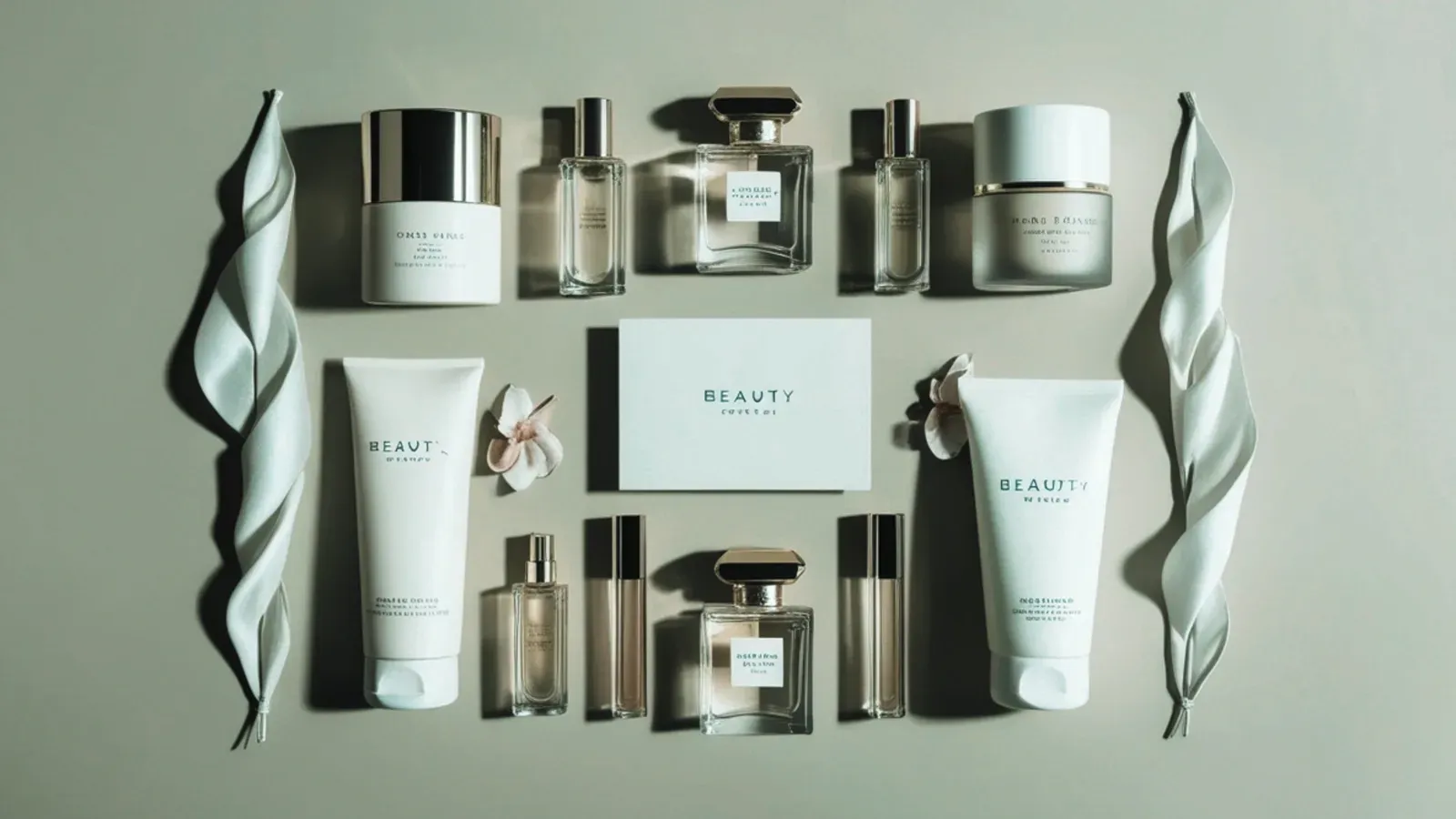
The other day, I was standing at my bathroom counter, and it looked like an inventory stockroom, of which I was using maybe 10%.
Three bottles of hyaluronic acid from different brands. Four exfoliating toners with almost identical formulas. A vitamin C serum that oxidized into a dark amber mess because two other "miracle" ampoules showed up in my mailbox before I could finish the first. Jars of night creams, clay masks, and targeted barrier creams for skin issues I didn't even have until an algorithm invented them.
That exact moment was when I realized I don't have the bandwidth for this. Nobody working a demanding schedule does.
Between deadlines, client emails, and getting decent sleep, layering eight separate products every single night is an operational headache. Somehow, buying thirty-milliliter bottles of fluid had become my default reaction to feeling overwhelmed.
The Subtle Evolution of Digital Consumer Pressure
For years, the conversation about online influence centered on body standards. We talked about edited waistlines, smoothed skin textures, and unrealistic beauty ideals that made us feel inadequate about our physical reality.
Over the past three years, the mechanism has shifted into something much more expensive. The pressure moved away from how we look and directly targeted our inventory as functional adults.
The narrative quietly became about optimization. If you felt tired, it wasn't because you worked ten hours; it was because you lacked a specialized copper peptide. If your skin looked dull after a cross-country flight, the answer was an overnight enzymatic peel. If you experienced basic human stress, the algorithm served you a multi-step routine designed to turn your bathroom into an outpatient dermatology clinic.
We were sold the idea that purchasing products was synonymous with taking care of ourselves. A cabinet full of frosted glass bottles became a status symbol of discipline and personal hygiene. In reality, it was just consumerism dressed in clinical typography and pastel packaging.
The Spreadsheet Total
The breaking point was a line item in my bank statements. I set aside an afternoon to clean up my personal expenses. My plan was simple: cancel forgotten subscriptions, eliminate redundant work tools, and see where my cash was leaking each month. When I created a dedicated category for beauty, skincare, and personal care purchases over the past twelve months, the number hit $4,200.
I don't carry credit card debt, and I budget carefully. Yet here were thousands of dollars evaporating into products that sat half-used in a cabinet.
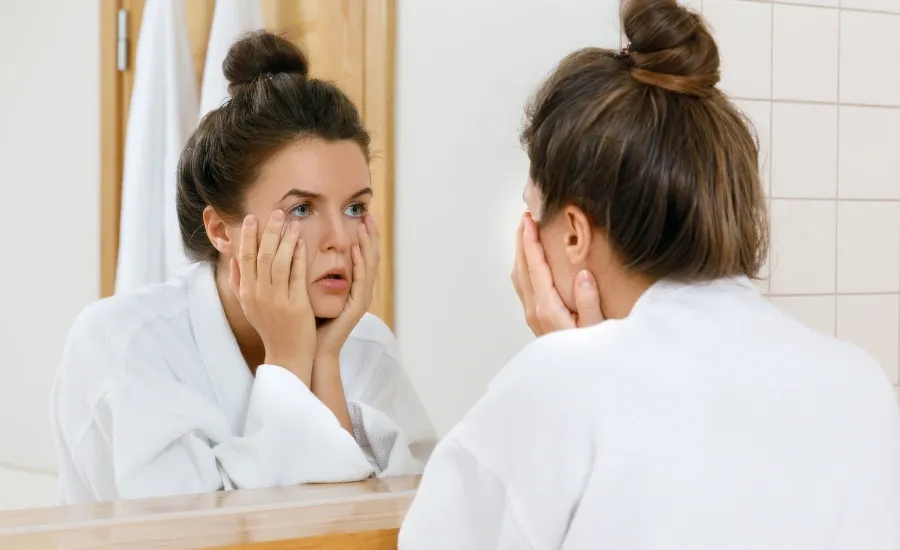
Influencer culture pulled off a very specific pivot. It created an artificial standard where a basic routine was treated as neglect. If your night didn't involve double cleansing, toning, applying three targeted serums, locking in moisture with a barrier cream, and using two different tools to massage your jawline, you were somehow falling behind.
Every single week introduced a new urgent step. Feeling stressed meant buying a barrier repair balm. Looking tired meant buying an under-eye peptide. The checkout button had become a substitute for actual rest.
The Reality of the Ten-Step Routine
Beyond the financial cost, the logistics of maintaining a multi-step routine are exhausting.
A full routine requires time, physical space, and mental management. You have to wait between layers so products don't pill. You have to track which active ingredients can be combined—making sure you aren't mixing direct acids with retinoids or copper peptides with pure vitamin C. You have to monitor expiration dates because antioxidant serums go bad within three months of opening.
When you finish a long workday, the last thing you need is another set of rules to follow. Standing in front of a mirror at 11:00 PM, trying to remember the correct order of viscosity for four different liquids isn't relaxing. It is domestic labor.
I realized I wasn't using these products because my skin needed them. I was using them to satisfy an artificial checklist created by brand partnerships.
What Happened When I Cleared the Counter
The morning after my budget review, I took a cardboard box and cleared everything off the counter.
I kept four functional items: a gentle cleanser, a simple moisturizer, my prescription retinoid, a daily sunscreen, and my favorite K-beauty serum. Everything else—the essence mists, the redundant serums, the extra facial oils, and the specialized masks—went into the box and straight into a hallway closet.
The first week felt strange because when you are conditioned to treat skincare as an elaborate production, doing two steps feels incomplete, almost like leaving the house without your keys. I found myself looking at the empty counter, wondering if I had missed something crucial.
After two months of sticking to the absolute basics, the results were undeniable:
My skin barrier fully recovered: Layering multiple active ingredients every day was causing the exact redness and texture I was trying to treat. Removing the excess products gave my skin room to regulate itself.
I regained twenty minutes every evening: Cutting out the production line gave me my nights back. No waiting for serums to dry, no organizing bottles, no rushing through a protocol before bed.
My decision fatigue disappeared: Eliminating thirty options from my vanity removed a subtle layer of daily friction.
How Much Do The Micro-Trends Cost Us?
The true cost of a trend isn't just the initial $40 purchase price.
It is the physical space it takes up in your home, the cognitive load spent researching reviews, and the background guilt of watching a bottle collect dust while the next viral product dominates your feed.
The beauty industry operates on rapid trend cycles. A product is declared essential in March, replaced by an alternative in June, and forgotten by September. Keeping up with that cycle is mathematically impossible and financially draining.
De-influencing myself wasn't about austerity or depriving myself of things I enjoy. It was about recognizing that the beauty industry profits by convincing functional women that their baseline reality is a flaw that requires a credit card to fix.
My vanity spending dropped by nearly 75%, and my counter has four bottles on it.
Real self-care isn't managing an eight-step skincare assembly line. It is keeping your money in your account, turning the lights off on time, and spending five quiet minutes washing your face before going to sleep.