
If your evening skincare routine still relies on aggressive foaming washes or—worse—disposable makeup wipes, your skin barrier is likely paying the price.
Modern long-wear makeup, waterproof mascara, and tenacious mineral sunscreens are engineered to resist sweat, water, and humidity. Attempting to scrub them off with traditional surfactants strips the skin’s intercellular lipids, leaving your face tight, dehydrated, and vulnerable to irritation.
Enter the cleansing balm. Far from a passing beauty trend, oil-based solid cleansers are grounded in basic cosmetic chemistry: like dissolves like. An oil-dense formula breaks down stubborn lipophilic bonds—sebum, waxes, and silicones—without disrupting your acid mantle.
Here is why a cleansing balm belongs on your bathroom counter, how to execute the technique properly, and the four formulas actually worth the investment.
The Science: Why Balms Outperform Traditional Cleansers
The persistent myth in skincare is that clean skin must feel "squeaky clean." In reality, that tight, stripped sensation is a sign of barrier disruption.
Cleansing balms bridge the gap between high-performance cleansing and lipid preservation:
Effortless Dissolution: Instead of aggressive mechanical scrubbing, balms rely on oil solubility. They melt long-wear foundation, water-resistant SPF, and stubborn eye pigments in seconds.
Barrier Support: High-grade balms deliver fatty acids and emollients as they cleanse, preventing transepidermal water loss (TEWL) during your evening wash.
Targeted Pore Clearing: Plant-derived and non-comedogenic oils bind to oxidized sebum trapped inside pores, loosening debris and micro-congestion more effectively than water-based foams.
The Technique: Step-by-Step Execution
A cleansing balm fails only when applied incorrectly. Follow this exact ritual to maximize performance and avoid residue:
Start Dry on Dry: Your hands and your face must be completely dry. Introducing water too early forces the emulsifiers to activate prematurely, preventing the oils from breaking down surface pigments.
Melt and Massage: Scoop a dime-sized amount with a spatula and warm it between your palms. Gently massage the balm across your skin in upward, circular motions for 60 seconds, allowing the solid wax to transform into a silky, slip-rich oil. Pay extra attention to the lash line and nose.
The Emulsification Phase: Wet your fingertips with warm (never hot) water and continue massaging. The clear oil should instantly transform into a milky white emulsion. This chemical transition is what allows the trapped oils and makeup to rinse away cleanly without leaving a greasy film.
Rinse Thoroughly: Splash clean, lukewarm water until every trace of the milky emulsion is gone. Pat your face dry with a clean microfiber towel.
The Optional Double Cleanse: If you wear heavy silicone-based foundations or lean acne-prone, follow immediately with a gentle, non-stripping water-based gel or milk cleanser. If your skin is parched or sensitive, a single balm cleanse is often plenty.
Who Needs It (And What to Watch For)
Cleansing balms are exceptionally versatile, but formulation dictates suitability:
Dry & Dehydrated Skin: An absolute non-negotiable. Balms replace moisture rather than stripping baseline lipids.
Oily & Acne-Prone Skin: Oil cleanses oil. Provided the formula relies on non-comedogenic oils (like sunflower, safflower, or jojoba) and emulsifies cleanly, it helps balance sebum production without triggering congestion.
The Red Flag: If you are prone to fungal acne or pore blockages, scan the ingredient deck for unrefined coconut oil, which carries a high comedogenic rating. Stick to clean, fast-rinsing botanical oils.
Editor-Approved Cleansing Balms
With endless options on beauty shelves, these four rigorously tested formulas deliver impeccable slip, effortless emulsification, and zero residue.
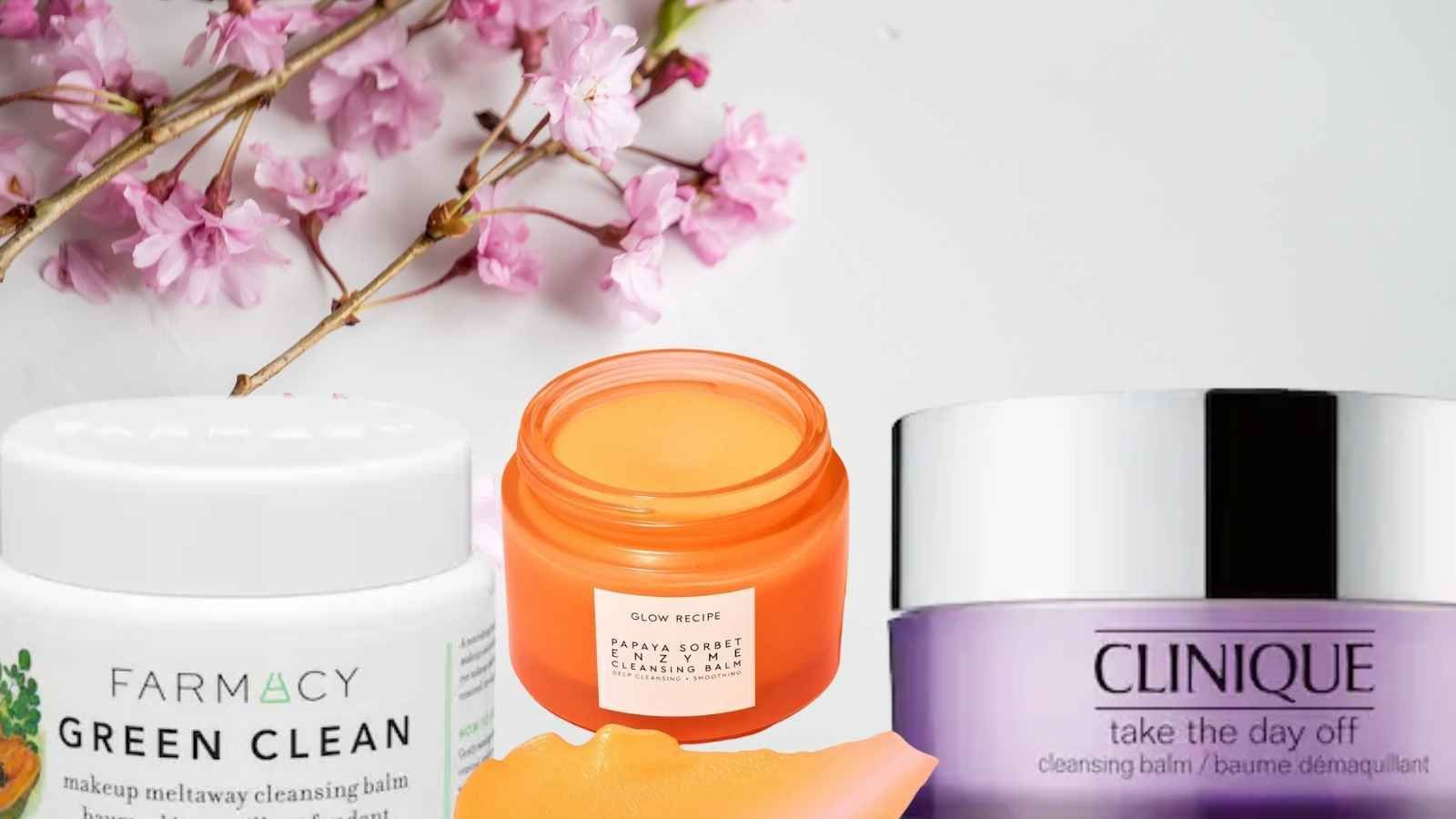
Farmacy Green Clean Makeup Removing Cleansing Balm
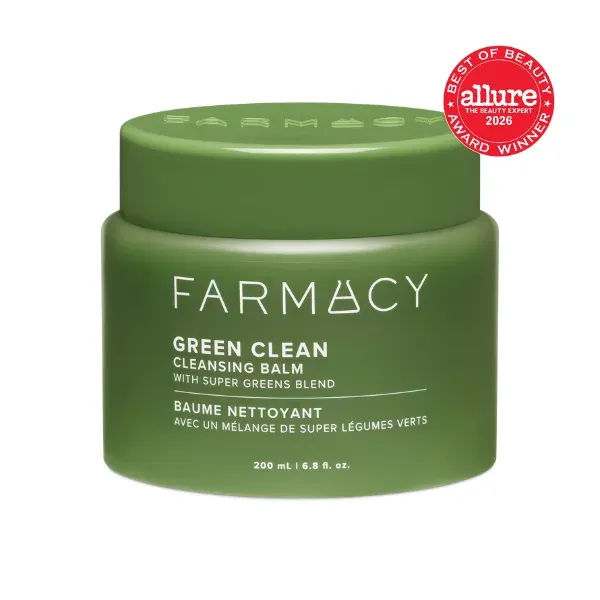
A staple for good reason. Formulated with sunflower and ginger root oils, this sorbet-like balm dissolves water-resistant SPF and stubborn liquid lipsticks without clouding your vision. Papaya enzymes provide ultra-gentle surface smoothing, while an uplifting natural citrus-herb aroma makes the evening ritual feel restorative.
Clinique Take The Day Off Cleansing Balm
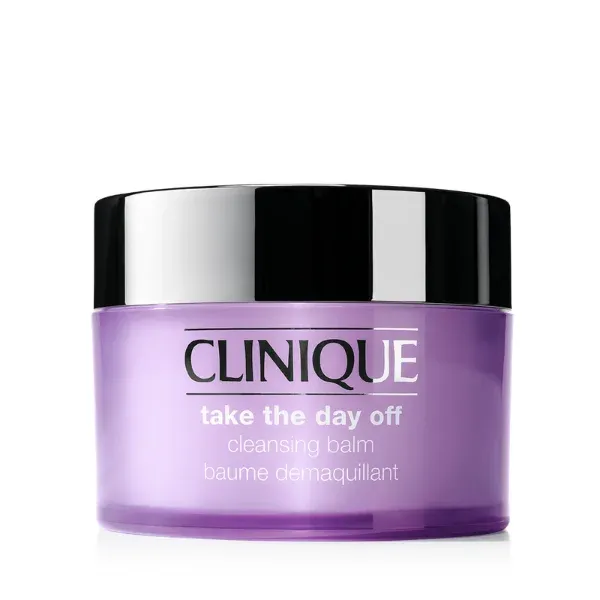
The clinical, fragrance-free benchmark. If your skin is reactive, sensitized, or eczema-prone, skip the scented botanicals and reach for this. It utilizes safflower seed oil to liquefy makeup instantly, rinsing completely clean with zero lingering film and zero irritation around the eyes.
Glow Recipe Papaya Sorbet Enzyme Cleansing Balm
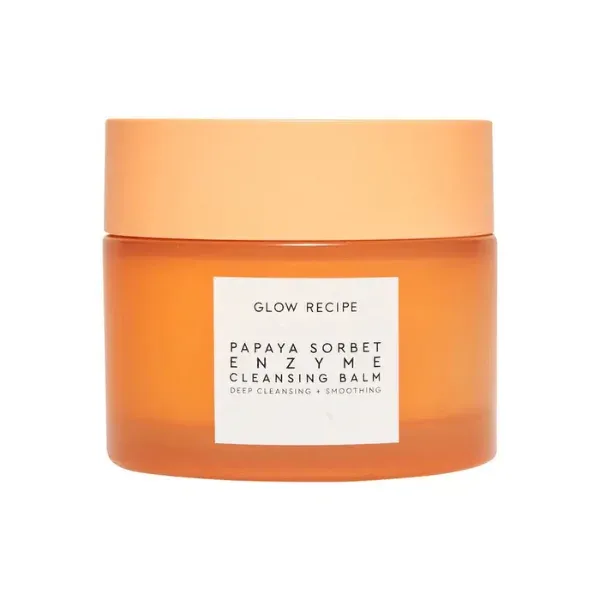
Ideal for dull, texture-prone complexions. This vibrant formula harnesses papaya seed oil, exfoliating papaya enzymes, and antioxidant-rich blueberry extract to resurface skin while removing daily grime. It melts into a lush, cushiony oil and leaves the complexion visibly bright and hydrated.
Oak Essentials Cleansing Balm
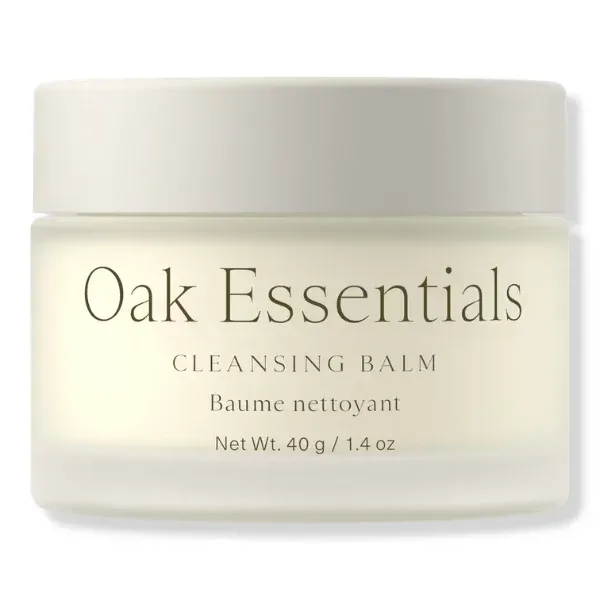
A rich, restorative option for dry, mature, or compromised skin. Packed with organic safflower and sesame seed oils, this velvety balm deeply replenishes the lipid barrier while melting away dirt. It leaves the skin feeling supple, soft, and protected against cool, dry air.