The algorithmic approach to interior decor has created a universal living room template.
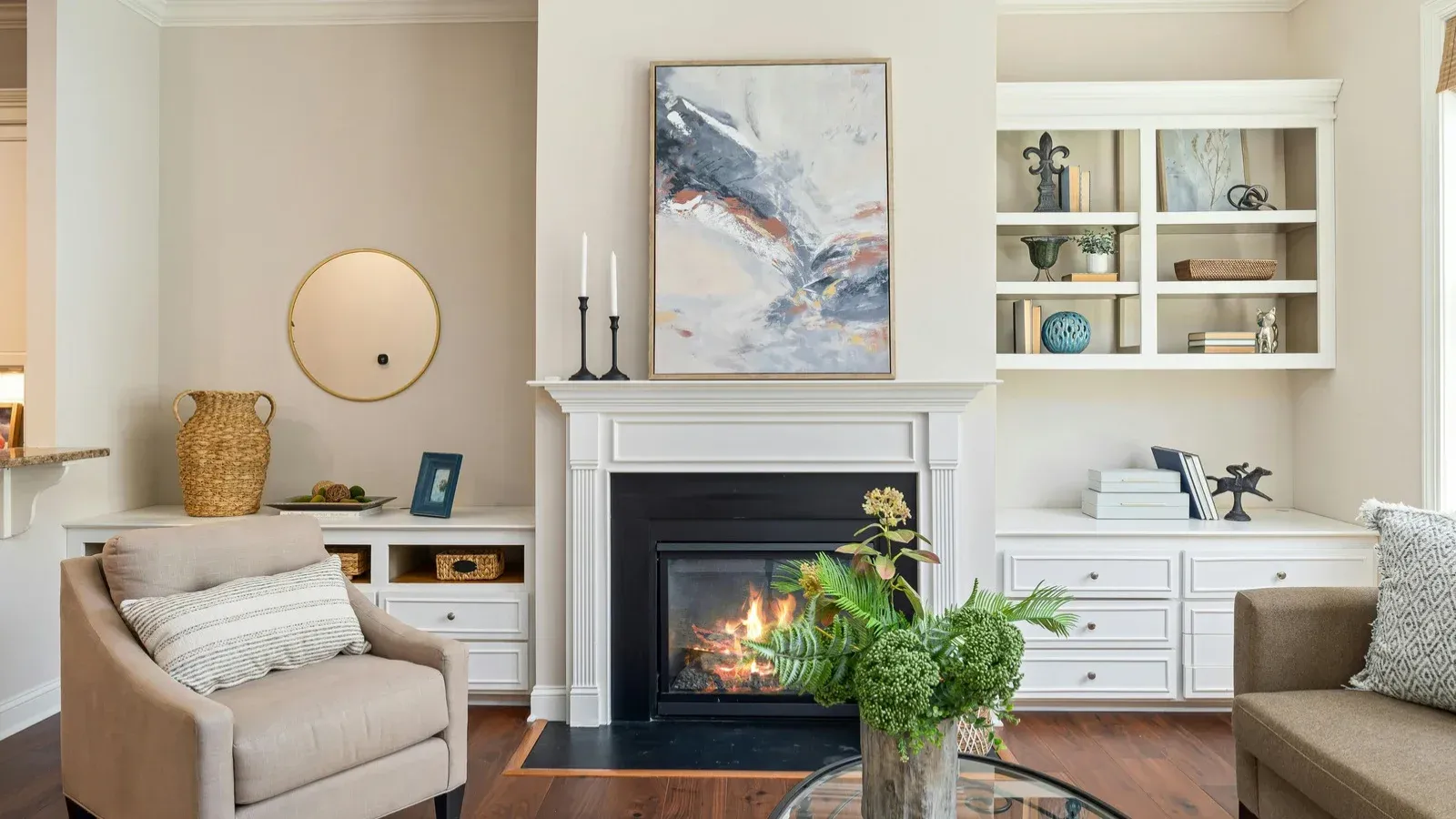
You walk into an apartment and see the exact same catalog checklist: a bouclé accent chair, three beige ceramic vases containing dried bunny tails, a marble tray holding another smaller brass tray, and a stack of brand-new luxury art books that have clearly never been opened.
It looks photogenic for four seconds on an Instagram grid, and completely sterile to actually live in. The commercial design industry relies on convincing us that personal style is an accumulation game. If a room feels unfinished, the prescribed solution is always to buy another decorative object, another textured throw blanket, or another seasonal candle.
Step inside an authentic Parisian apartment, and the aesthetic philosophy is radically inverted. There are no decorative knickknacks purchased in bulk to fill an empty shelf. French interiors feel timeless, effortless, and distinctly chic precisely because they refuse to over-decorate.
They prioritize bone structure, negative space, and individual eccentricity over coordinated shopping sprees. Creating a home that looks collected rather than purchased requires learning what to leave out.
The Discipline of Negative Space
The Working Gal Salary & Sanity Survey 2026
Anonymous, 3 minutes, for an upcoming Working Gal report on women's work and money.
Take Survey (opens in a new tab)The greatest luxury in any European home is not the furniture. It is the air between the pieces.
American decor culture is terrified of a bare corner. The moment a patch of floor or a segment of wall appears unoccupied, the instinct is to push a console table against it, hang a mass-produced print, or park a potted fiddle-leaf fig in the corner.
French design treats empty space as an intentional architectural material. Leaving a wall completely bare allows the eye to appreciate the ceiling height, the molding, or the way natural afternoon light moves across the floorboards.
A room looks instantly larger and infinitely more expensive when you pull furniture away from the walls and allow the architecture to speak for itself. Before you buy a single new side table, try taking three unnecessary objects out of the room entirely. When you remove the decorative static, the pieces you actually love finally have the space to command attention.
The Friction Between Centuries
Nothing ages a living room faster than buying a matching furniture set from a single showroom floor. If your sofa, your coffee table, and your media console all share the same wood stain and arrived in the same delivery truck, your home looks like an impersonal corporate lobby.
The signature of a chic French room is historical friction. It is the deliberate collision between something genuinely old and something strikingly modern. An ornate nineteenth-century gilt mirror rests above an austere, contemporary plaster fireplace. A sleek, sculptural Italian lamp from the nineteen-seventies sits on top of a dark, slightly scuffed antique wooden desk found at a weekend flea market.
This tension creates depth that cannot be purchased in a single afternoon. It communicates that your home evolved over decades through personal discovery rather than a weekend panic scroll through a furniture website.
One sculptural, contemporary floor lamp paired with a sturdy vintage wooden table creates more visual personality than ten matching catalog pieces ever could.
Books That Have Actually Been Read
The trend of buying decorative books by the foot or turning spine titles backward to maintain a neutral color palette is the ultimate design crime. In a cultured Parisian home, books are treated as daily companions rather than structural wall filler. Shelves are packed two rows deep with well-thumbed paperbacks, oversized exhibition catalogs with dog-eared pages, and art volumes with cracked spines. They are stacked horizontally on the floor beside an armchair to double as an impromptu drink perch, or piled high on a low bench under a window.
The visual beauty comes from the authenticity of the chaos.
The mismatched paper jackets, the worn cloth bindings, and the vibrant variety of colors reflect genuine human curiosity. A room filled with real literature feels warm, intelligent, and lived in.
It invites someone to sit down, pull a volume from the stack, and linger for an afternoon, which is the entire point of having a home in the first place.
Low Lamps and Architectural Botanicals
The fastest way to destroy the warmth of a living space is to turn on aggressive overhead lighting. French interiors are notoriously atmospheric after dusk because the ceiling fixture is treated purely as a sculpture, rarely as the primary light source. Atmosphere is built from the perimeter inward using low, warm lamps.
You place a small ceramic table lamp on a low windowsill, a brass task light next to an armchair, and a dim accent lamp on a bookcase. Keeping lighting pools below eye level creates intimate pockets of shadow and warmth, making even a small living room feel expansive and private.
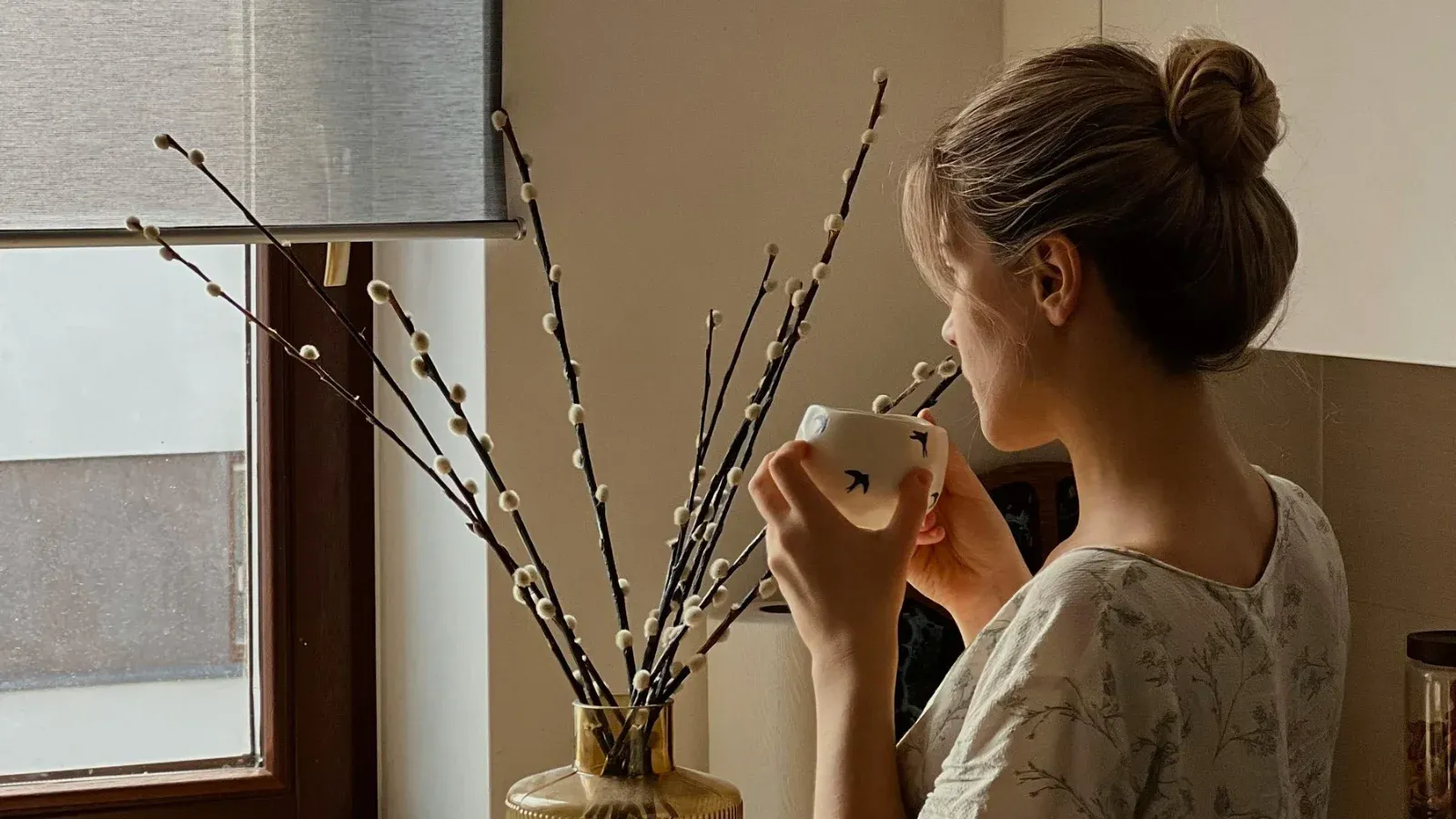
The same restraint applies to botanicals. Skip the tight, manicured florist bouquets and plastic faux greenery. A single wild, architectural branch clipped from a garden tree placed inside a clear glass jug or a heavy ceramic pitcher has ten times more presence than an expensive floral arrangement.
It brings nature indoors with sculptural asymmetry, costing nothing and demanding zero maintenance.
Living with the Beauty of the Imperfect
The final secret to effortless interior style is refusing to treat your home like a museum. A home that is too precious to touch creates perpetual anxiety. French living celebrates patina: the slight ring on an unsealed marble slab, the softened drape of washed linen, the gentle creak of untreated wood underfoot.
Stop trying to correct every flaw or cover every bare surface with a trendy purchase. Choose durable, honest materials that look better as they age, leave your favorite books within arm's reach, and let the room breathe.
When your living space is designed for your own daily comfort rather than public display, true elegance happens all on its own.