Protein is one of the three foundational macronutrients, essential for tissue repair, enzymatic reactions, hormone production, and immune function. In recent years, high-protein dietary patterns have gained widespread attention for their role in body composition, metabolic health, and weight management.
However, distinguishing between baseline survival requirements and optimal intake often creates confusion. Here is an evidence-based look at how protein functions within human physiology, how much your body actually requires, and how to structure your daily meals effectively.
The Difference Between Baseline and Optimal Intake
To evaluate protein needs accurately, it helps to understand what established guidelines are designed to measure:
The Recommended Dietary Allowance (RDA): The standard baseline of 0.8 grams per kilogram of body weight (about 0.36 grams per pound) was established as the minimum daily amount needed to prevent clinical deficiency and muscle wasting in sedentary individuals.
The Optimal Range for Active Lifestyles: Substantial clinical research in nutritional science indicates that individuals who are physically active—whether through strength training, endurance sports, or daily functional movement—thrive with higher intakes. Research supports a target of 1.2 to 2.0 grams per kilogram of body weight (approximately 0.6 to 0.9 grams per pound) to support muscle protein synthesis, metabolic recovery, and tissue preservation.
As we age, adequate protein also plays a crucial role in preventing sarcopenia (age-related loss of muscle mass) and supporting bone mineral density.
How Protein Works in the Body
Protein influences metabolism and energy balance through several well-documented physiological pathways:
1. Satiety and Appetite Regulation
Protein has the highest satiety index of any macronutrient. Ingestion of dietary protein stimulates the release of gut hormones that signal fullness, including peptide YY (PYY) and glucagon-like peptide-1 (GLP-1), while dampening ghrelin levels, the body's primary hunger hormone. This promotes steady, manageable hunger cues throughout the day.
2. The Thermic Effect of Food (TEF)
Every nutrient requires caloric energy to be digested, absorbed, and metabolized. Fats have a thermic effect of roughly 0–3%, and carbohydrates sit between 5–10%. Protein requires approximately 20–30% of its usable energy simply for metabolic processing, contributing to overall daily energy expenditure.
3. Preservation of Lean Mass
During periods of caloric deficit or increased physical activity, maintaining adequate dietary amino acid intake ensures that the body uses fat stores for energy while preserving metabolically active lean skeletal muscle.
Clarifying Common Nutritional Concerns
When adjusting macronutrient intake, several clinical questions frequently arise:
Renal Function: Extensive studies show that in healthy individuals with normal baseline kidney function, higher protein intake does not cause kidney damage. For those with pre-existing, diagnosed chronic kidney disease, protein must be monitored and adjusted under the supervision of a physician.
The Need for Dietary Fiber: A common oversight in high-protein meal planning is neglecting carbohydrates and fiber. High-protein eating should never mean cutting out whole-food carbohydrate sources. Pairing quality proteins with complex carbohydrates (quinoa, sweet potatoes, oats) and dietary fiber (vegetables, lentils, flaxseeds) supports gut motility and a healthy microbiome.
Hydration: Because the kidneys work to filter urea—a natural byproduct of protein breakdown—maintaining adequate daily water intake is essential.
Practical Application: Pacing and Protein Quality
To optimize protein utilization, how you distribute your intake throughout the day is just as meaningful as the total number:
The Leucine Threshold: Muscle protein synthesis is stimulated most effectively when meals contain an adequate concentration of essential amino acids, particularly leucine (roughly 2.5 to 3 grams per serving). This typically corresponds to consuming 25 to 35 grams of high-quality protein per meal.
Consistent Meal Distribution: Rather than consuming a minimal amount of protein early in the day and an excessive amount at dinner, aim to distribute your intake evenly across 3 to 4 meals.
Diverse Nutrient Sources: Emphasize varied, nutrient-dense protein options:
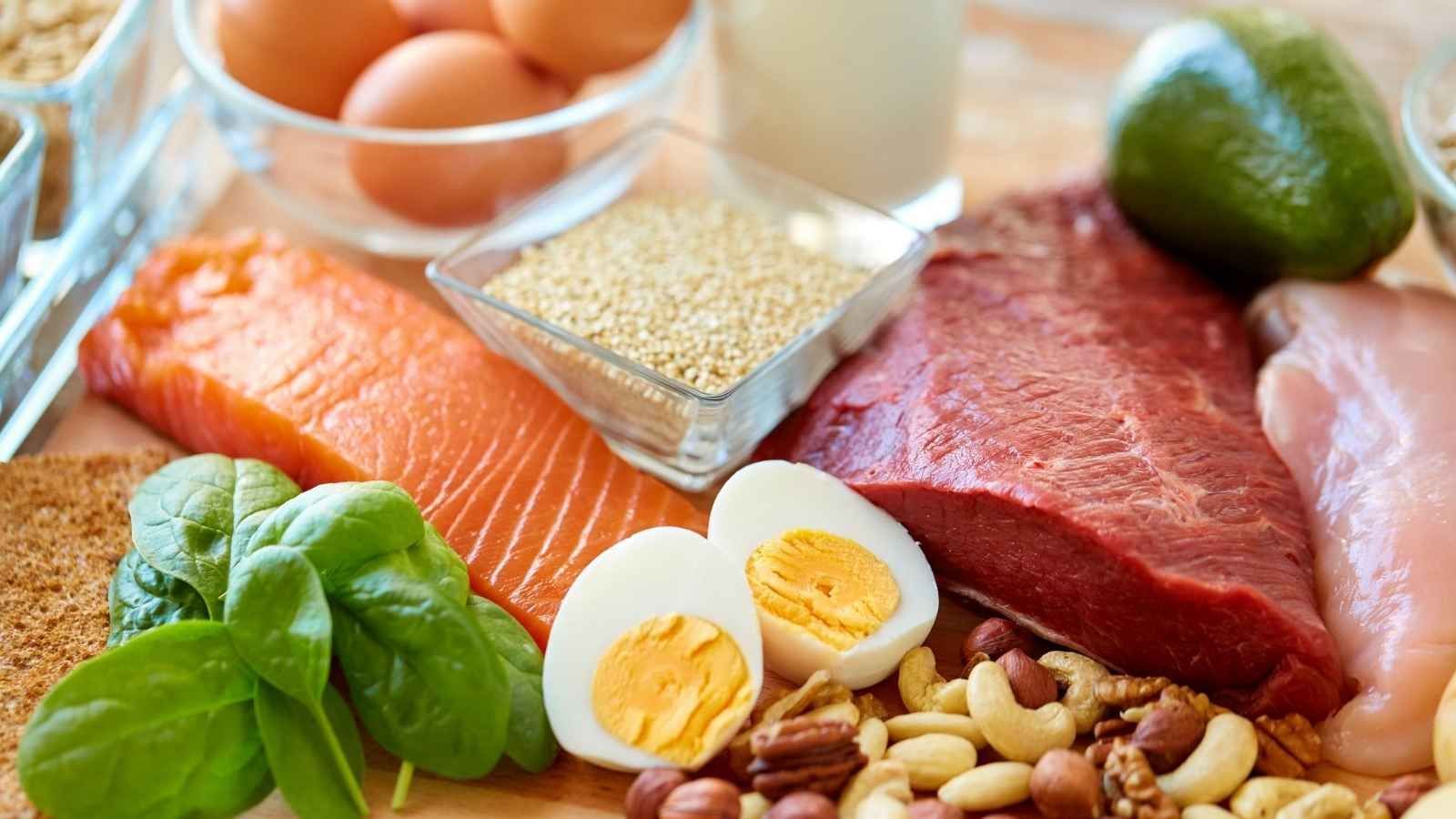
Animal sources: Wild-caught fish, eggs, poultry, Greek yogurt, kefir, and cottage cheese.
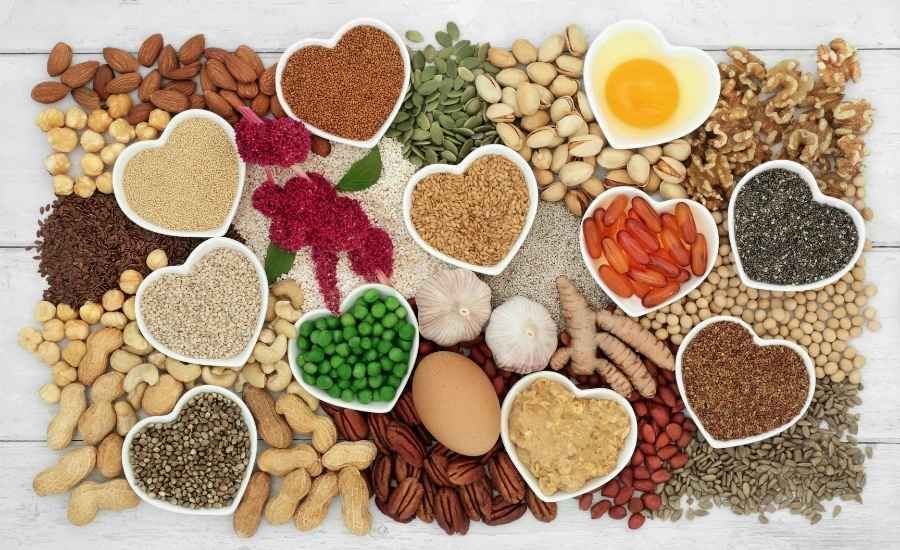
Plant sources: Edamame, tempeh, tofu, lentils, chickpeas, and seeds.
A Balanced Nutritional Perspective
Protein is neither a magic solution nor a dietary hazard; it is a fundamental building block that supports your structural and metabolic well-being. Focusing on whole-food sources, balanced plates, and sufficient hydration allows you to tailor your nutrition to your personal health goals with clarity and confidence.