We can all agree that taking care of ourselves is essential—not just for our own wellbeing, but because when we feel good in our skin, we show up better for everyone in our lives. And despite what some people might say, beauty care isn't vanity. It's self-care.
Self-care isn't just meditation and journaling. It's also taking care of your physical self, treating your skin with the same attention you give your mind. And your face? That's the first thing you see in the mirror every morning. When your skin feels healthy, hydrated, and glowing, you start your day with confidence.
Now, the beauty industry is worth billions of dollars—and for good reason. Quality skincare products work. But here's the truth: sometimes what your skin really needs isn't the latest $80 serum. Sometimes it needs simple, natural ingredients without additives, preservatives, or a hefty price tag.
Whether you're on a budget, prefer natural skincare, or just want to try something different, DIY face masks using kitchen ingredients can deliver real results. We've researched, tested (and gotten advice from grandma), and compiled seven effective face mask recipes you can make at home with ingredients you probably already have.
Let's dive into natural face masks that actually work—plus the science behind why these ingredients benefit your skin.
Why DIY Face Masks Work (The Science)
Now, let's talk about why natural ingredients can be genuinely effective:
Natural ingredients contain active compounds that benefit skin. Honey has antibacterial properties, avocado contains healthy fats that moisturize, oats have anti-inflammatory benefits, and yogurt contains lactic acid (a gentle exfoliant). These aren't just folk remedies—they're backed by dermatological research.
Your skin absorbs nutrients. While your skin's barrier prevents many substances from penetrating deeply, certain compounds in natural ingredients can be absorbed and provide benefits to the outer layers of skin, where most visible improvements happen.
Less is sometimes more. Commercial products often contain fragrances, preservatives, and fillers that can irritate sensitive skin. DIY masks let you control exactly what goes on your face.
That said, natural doesn't automatically mean better or safer. Some people are allergic to natural ingredients, and DIY masks won't replace targeted treatments for specific skin conditions. But for general skin health, hydration, and that coveted glow? These recipes deliver.
Before You Start: Important Safety Guidelines
⚠️ Medical Disclaimer: These DIY face masks are for general skincare purposes only and are not intended to diagnose, treat, or cure any medical skin conditions. If you have acne, rosacea, eczema, or other dermatological concerns, consult a dermatologist before trying new skincare treatments.
Allergy Test First: Before applying any mask to your face, test it on the inside of your wrist or elbow. Wait 24 hours. If you experience redness, itching, swelling, or irritation, do not use that mask on your face. This is especially important for ingredients like honey, eggs, or nuts.
Hygiene Matters:
- Wash your hands before making and applying masks
- Use clean bowls and utensils
- Don't double-dip—use a clean applicator each time
- Remove masks before they dry completely and become difficult to remove
When to Skip DIY Masks:
- Active breakouts or open wounds
- Sunburned skin
- After professional treatments (wait 48 hours)
- Known allergies to any ingredients
Now, let's get to the recipes!
1. Banana & Honey Glow Mask (For Dull, Tired Skin)
Best for: All skin types, especially dull or tired-looking skin that needs brightening
Ingredients:
- 1/2 ripe banana
- 1 tablespoon raw honey
Why These Ingredients Work:
Banana is rich in vitamins A, B, and E, which help repair damaged skin and fade dark spots. The potassium in bananas hydrates and moisturizes, while antioxidants fight free radicals that cause premature aging. Basically, bananas are like a multivitamin for your face.
Honey is a humectant, meaning it draws moisture from the air into your skin. It also has natural antibacterial properties that can help prevent breakouts. Raw honey (the unprocessed kind) contains enzymes that gently exfoliate dead skin cells, revealing brighter skin underneath.
How to Make It:
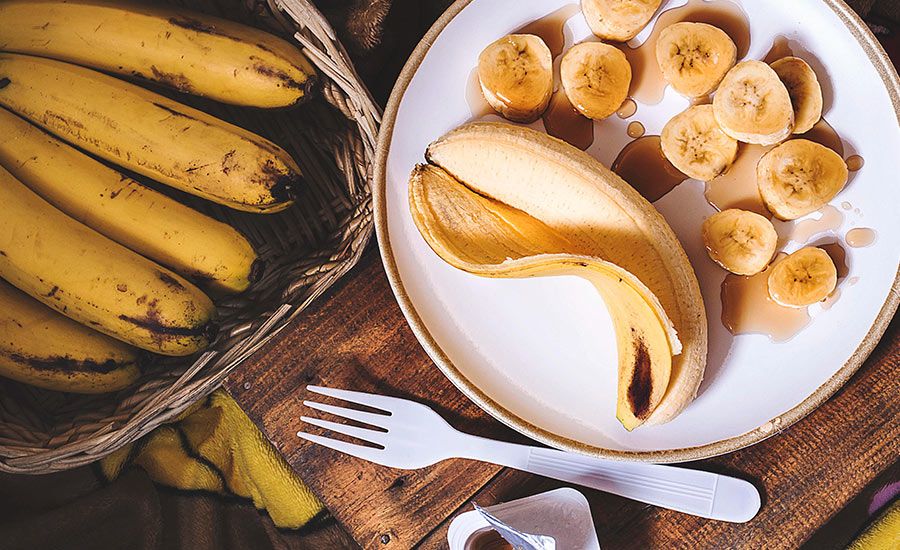
- Mash the banana in a bowl until smooth and lump-free
- Add the honey and mix well until you have a soft, spreadable consistency
- If the mixture is too thick, add a tiny bit of water; if too runny, add more mashed banana
Application:
- Apply an even layer to clean, dry skin, avoiding the eye area
- Leave on for 15-20 minutes (relax, scroll through your phone, or catch up on a podcast)
- Rinse with lukewarm water, then finish with cool water to close pores
- Pat dry gently with a clean towel
Pro tip: This mask works beautifully in the morning before makeup application—your skin will have a natural glow that makes foundation look better.
Frequency: 2-3 times per week
2. Oatmeal, Yogurt & Honey Calming Mask (For Sensitive or Irritated Skin)
Best for: Sensitive, irritated, or inflamed skin; also great after sun exposure
Ingredients:
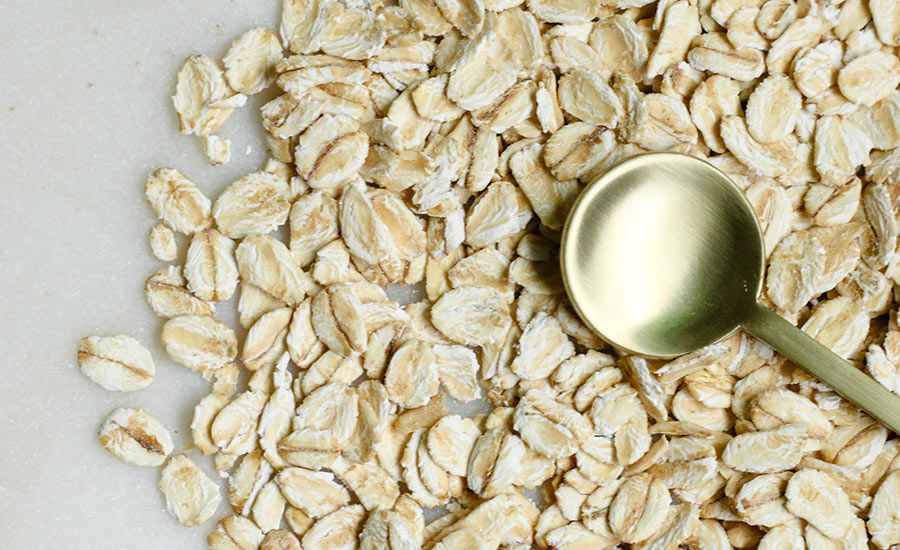
- 2 tablespoons ground oats (blend regular oats into a powder)
- 2 tablespoons warm water
- 2 tablespoons plain yogurt (Greek or regular)
- 1 tablespoon honey
- 1 egg white
Why These Ingredients Work:
Oats are incredibly soothing for irritated skin. They contain avenanthramides, anti-inflammatory compounds that reduce itching and redness. Colloidal oatmeal (finely ground) has been used in dermatology for decades to treat eczema and sensitive skin conditions.
Yogurt contains lactic acid, a gentle alpha-hydroxy acid (AHA) that exfoliates dead skin cells without harsh scrubbing. It also contains probiotics that may support skin's natural microbiome. The cooling effect feels amazing on irritated skin.
Egg white tightens pores temporarily and absorbs excess oil. It's also rich in protein, which helps repair skin.
How to Make It:
- Soak the ground oats in warm water for 2-3 minutes until they absorb the liquid
- Add yogurt, honey, and egg white to the oat mixture
- Mix thoroughly until you have a thick paste (should be spreadable but not runny)
Application:
- Apply a medium-thick layer to clean skin, massaging gently in circular motions as you apply
- Avoid the delicate eye area
- Leave on for 10-15 minutes (don't let it dry completely—oat masks work better when kept slightly damp)
- Rinse with warm water, using gentle circular motions to lightly exfoliate
- Finish with cool water and pat dry
Pro tip: This is the perfect "Sunday reset" mask after a week of makeup, pollution, and stress. Your skin will feel instantly calmer.
Frequency: 1-2 times per week (more if your skin is particularly irritated)
3. Avocado & Yogurt Hydration Mask (For Dry or Dehydrated Skin)
Best for: Dry, flaky, or dehydrated skin; perfect for winter months
Ingredients:
- 1/2 ripe avocado
- 2 tablespoons plain yogurt
Why These Ingredients Work:
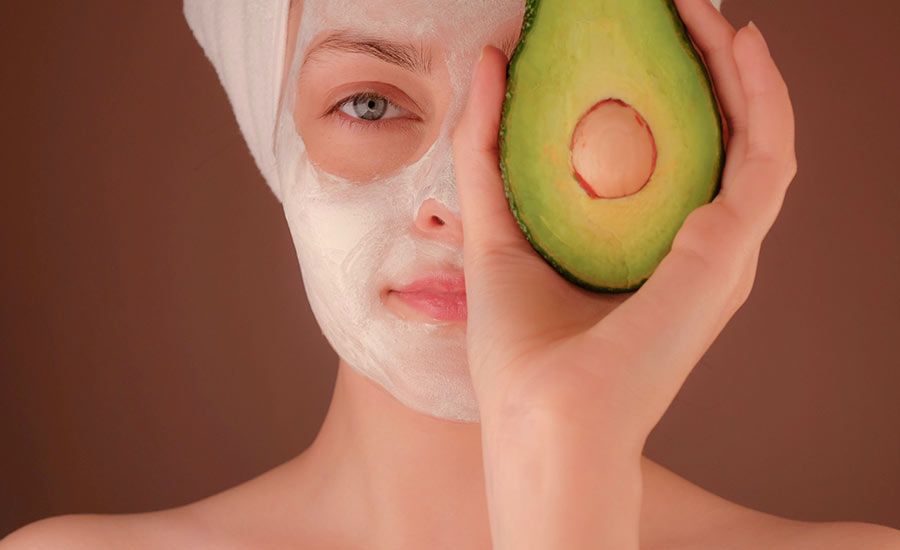
Avocado is basically nature's moisturizer. It's packed with healthy fats (omega-3 fatty acids) that deeply nourish skin, plus vitamins E and C that protect against environmental damage. The oils in avocado are similar to your skin's natural sebum, so they're easily absorbed. If your skin feels tight and uncomfortable, this is your mask.
Yogurt (we love this ingredient!) adds lactic acid for gentle exfoliation plus probiotics that may support healthy skin. The combination of fat from avocado and acid from yogurt creates perfectly balanced hydration without greasiness.
How to Make It:
- Mash the avocado thoroughly in a bowl until completely smooth (no chunks!)
- Add yogurt and mix well until you have a uniform, creamy consistency
- The mixture should be thick enough to stay on your face but smooth enough to spread easily
Application:
- Apply a generous layer to clean skin, including around (but not directly on) your eyes—the eye area gets dry too!
- Leave on for 15-20 minutes while you relax
- Rinse with lukewarm water
- Pat dry and immediately apply your regular moisturizer while skin is still slightly damp to lock in hydration
Pro tip: Use this mask before special events when you want your skin to look extra plump and glowing. It's also perfect before applying makeup.
Frequency: 2-3 times per week, or whenever your skin feels dry
4. Turmeric & Yogurt Brightening Mask (For Uneven Skin Tone)
Best for: Dull skin, dark spots, hyperpigmentation, or uneven skin tone
Ingredients:
- 1 teaspoon turmeric powder (use sparingly!)
- 2 tablespoons plain yogurt
- 1 teaspoon honey
- Few drops of lemon juice (optional, skip if you have sensitive skin)
Why These Ingredients Work:
Turmeric contains curcumin, a powerful anti-inflammatory and antioxidant compound. Studies show it can help fade dark spots, reduce hyperpigmentation, and give skin an overall brighter appearance. It's been used in Indian beauty rituals for thousands of years for good reason.
⚠️ Warning: Turmeric can temporarily stain your skin yellow (especially if you're fair-skinned). The yogurt helps minimize staining, but test this mask on a weekend when you're staying home, just in case.
How to Make It:
- Mix turmeric powder with yogurt in a bowl
- Add honey and lemon juice (if using)
- Mix until smooth—the mixture will be bright yellow
Application:
- Apply to clean skin, focusing on areas with dark spots or uneven tone
- Leave on for only 10 minutes (turmeric is potent!)
- Rinse thoroughly with lukewarm water
- If you notice any yellow tint, gently exfoliate with a wet washcloth and your regular cleanser
Do this mask at night so any temporary yellowing fades by morning. Also, wear an old shirt—turmeric stains fabric!
Frequency: Once per week maximum (turmeric is strong)
5. Strawberry & Honey Exfoliating Mask (For Gentle Exfoliation)
Best for: Combination or oily skin; anyone wanting gentle exfoliation and brightening
Ingredients:
- 3-4 ripe strawberries
- 1 tablespoon honey
- 1 teaspoon lemon juice (optional)
Why These Ingredients Work:
Strawberries contain salicylic acid (the same ingredient in many acne treatments) plus vitamin C for brightening. The natural seeds provide very gentle physical exfoliation. They also contain ellagic acid, which protects skin from UV damage.
This mask smells absolutely amazing, which is an underrated benefit of DIY skincare!
How to Make It:
- Mash strawberries thoroughly
- Add honey and lemon juice
- Mix until combined (some texture from seeds is fine)
Application:
- Apply to clean skin, gently massaging in circular motions
- Leave on for 10-15 minutes
- Rinse with lukewarm water, using gentle circular motions to exfoliate
- Pat dry
Pro tip: Make this mask in summer when strawberries are in season and at their most potent. Your skin will thank you!
Frequency: 1-2 times per week
6. Cucumber & Aloe Cooling Mask (For Puffy or Stressed Skin)
Best for: Puffy skin, stressed or tired-looking skin, or after sun exposure
Ingredients:
- 1/2 cucumber, blended or grated
- 2 tablespoons aloe vera gel (pure, without added ingredients)
- 1 tablespoon yogurt
Why These Ingredients Work:
Cucumber is incredibly hydrating (it's 96% water!) and has a natural cooling effect that reduces puffiness. It contains vitamin C and caffeic acid, which soothe irritated skin and reduce swelling.
Aloe vera has been used for skin healing for centuries. It contains vitamins, minerals, and amino acids that hydrate and calm skin. It's especially soothing for irritated or sunburned skin.
How to Make It:
- Blend or finely grate the cucumber
- Squeeze out excess liquid (you want the pulp, not just juice)
- Mix with aloe vera gel and yogurt
Application:
- Apply a generous layer to clean skin
- Place cucumber slices over your eyes while you wait (classic spa move!)
- Leave on for 15-20 minutes
- Rinse with cool water
- Pat dry
Make this mask in the morning when you're puffy from sleep or after a long flight. It's incredibly refreshing and de-puffing.
Frequency: As needed, up to 3 times per week
7. Clay & Apple Cider Vinegar Detox Mask (For Oily or Congested Skin)
Best for: Oily, acne-prone, or congested skin with visible pores
Ingredients:
- 1 tablespoon bentonite or kaolin clay (available at health food stores)
- 1-2 teaspoons apple cider vinegar
- Water as needed to achieve paste consistency
Why These Ingredients Work:
Clay acts like a magnet for impurities, drawing out excess oil, dirt, and toxins from pores. Bentonite clay has a negative electrical charge that attracts positively charged toxins. It's one of the most effective natural pore-cleansers available.
Apple cider vinegar contains acetic acid and alpha-hydroxy acids that gently exfoliate and help balance skin's pH. It also has antibacterial properties that can help prevent breakouts.
How to Make It:
- Mix clay with apple cider vinegar in a non-metal bowl (metal can affect clay's properties)
- Add water gradually until you reach a spreadable paste
- Use immediately—clay dries out quickly
Application:
- Apply to clean skin, focusing on oily areas like T-zone
- Leave on for 10-15 minutes (will feel tight as it dries—that's normal!)
- Important: Don't let the mask dry completely—it should stay slightly damp
- Rinse thoroughly with warm water
- Follow immediately with moisturizer (clay is drying)
Pro tip: This is your "detox" mask for after a week of stress, poor sleep, or eating habits that made your skin act up. Just once weekly can make a huge difference in congestion.
Frequency: Once per week (clay masks are drying—don't overdo it)
How to Get the Most from Your DIY Face Masks
Prep Your Skin:
Always start with clean skin. Remove all makeup, wash with your regular cleanser, and pat dry. Masks work best on clean skin because ingredients can actually penetrate.
Optional but recommended: Exfoliate gently before applying a mask. This removes dead skin cells so the mask's active ingredients can work better. Skip this step if you're using an exfoliating mask (like the strawberry one).
Steam your face (optional): Hold your face over a bowl of hot water with a towel over your head for 3-5 minutes. The steam opens pores, allowing masks to work more deeply. Especially good before clay masks.
After Your Mask:
- Rinse thoroughly - Don't leave any residue
- Apply toner - Restores pH balance
- Moisturize immediately - Lock in the benefits while skin is damp
- Use SPF - If it's daytime (some ingredients like lemon can increase sun sensitivity)
Storage Tips:
Most DIY masks should be used immediately. However, if you have leftovers:
- Store in an airtight container in the refrigerator
- Use within 24-48 hours max
- If it smells off or changes color, throw it out
- Don't store masks containing raw eggs for more than a few hours
Make-ahead tip: Mix dry ingredients (like oats and clay) in advance and store in a jar. When you're ready, just add wet ingredients. This saves time on busy mornings.
Creating Your Weekly Face Mask Routine
You don't need to use all seven masks! Here's how to build a routine based on your skin type:
For Dry Skin:
- Monday: Avocado & Yogurt (hydration)
- Thursday: Banana & Honey (glow boost)
- Sunday: Cucumber & Aloe (soothing)
For Oily Skin:
- Tuesday: Clay & ACV (deep clean)
- Friday: Strawberry & Honey (gentle exfoliation)
- Sunday: Oatmeal blend (calming)
For Combination Skin:
- Use clay mask only on oily areas (T-zone)
- Use hydrating masks on dry areas (cheeks)
- Or alternate masks throughout the week
For Sensitive Skin:
- Stick to the oatmeal and cucumber masks
- Avoid lemon juice and turmeric
- Always patch test first
Natural Skincare That Actually Works
DIY face masks won't replace your entire skincare routine—you still need cleanser, moisturizer, and SPF. But they're an excellent (and affordable) way to give your skin extra love and address specific concerns naturally.
The best part? You control exactly what goes on your face. No mystery ingredients, no harsh chemicals, no $50 price tag. Just simple, effective, natural skincare that's been working for generations.
Your skin deserves care—and that care doesn't have to be complicated or expensive. Sometimes the best solutions are already in your kitchen, waiting to help your skin glow.
Frequently Asked Questions About DIY Face Masks
How often should I use DIY face masks?
The ideal frequency depends on the type of mask and your skin type. Generally, hydrating masks (banana-honey, avocado-yogurt, cucumber-aloe) can be used 2-3 times per week. Exfoliating or brightening masks (strawberry, turmeric) should be limited to once or twice weekly. Clay masks for oily skin work best once per week. Listen to your skin—if it feels irritated or dry, reduce frequency. Consistency matters more than frequency; using a mask once weekly for months will show better results than using it daily for a week.
Can I use DIY face masks if I have acne?
Yes, but choose wisely. Honey-based masks have antibacterial properties that can help with acne, and clay masks effectively absorb excess oil. However, avoid masks with comedogenic ingredients like coconut oil if you're acne-prone. The oatmeal-yogurt mask is excellent for calming inflamed acne, and turmeric can help fade post-acne dark spots. Never apply masks to active, open breakouts or cystic acne. If you have severe acne, consult a dermatologist before trying new treatments—DIY masks complement but don't replace professional acne care.
Are natural face masks better than store-bought products?
Not necessarily better, just different. Natural masks offer transparency (you know exactly what's in them), affordability, and can be customized to your needs. However, commercial products offer consistent formulations, longer shelf life, higher concentrations of active ingredients, and undergo safety testing. The best approach is often both: use quality commercial products for your daily routine and supplement with DIY masks for special treatments. Natural doesn't automatically mean better or safer—some people are more allergic to natural ingredients than synthetic ones.
How long can I store homemade face masks?
Most DIY face masks should be used immediately after preparation. If you must store them, keep them in an airtight container in the refrigerator for a maximum of 24-48 hours. Masks containing raw eggs should be discarded after a few hours due to bacteria risk. Masks with fresh fruit spoil quickly. If your mask smells off, changes color, or develops mold, throw it away immediately. For convenience, you can pre-mix dry ingredients (oats, clay, turmeric powder) and store them for months, then add fresh wet ingredients when ready to use.
Can DIY face masks help with anti-aging?
DIY masks can support overall skin health, which contributes to a more youthful appearance, but they won't replace targeted anti-aging treatments like retinoids or professional procedures. However, ingredients like avocado (vitamin E), honey (antioxidants), and yogurt (lactic acid for gentle exfoliation) can improve skin texture, hydration, and brightness—all of which make skin look more youthful. The turmeric mask can fade age spots, and consistent hydration from masks plumps fine lines temporarily. For significant anti-aging results, combine DIY masks with a solid skincare routine including SPF, retinoids, and vitamin C.
Safety Reminder: These DIY face masks are for cosmetic purposes only. They are not intended to treat medical skin conditions. If you have concerns about your skin, consult a dermatologist. Always patch test new ingredients before applying them to your face.