Most self-help books aimed at women treat confidence like a spiritual deficiency.
They tell you to stand in front of a bathroom mirror, strike a power pose, recite affirmations, and manifest the courage to ask for what you want. If that does not work, they tell you to stop apologizing, lean into the table, and read another collection of cheerleader slogans bound in pastel pink.
It is condescending, and it rarely survives contact with real life.
Real confidence is not a mood you summon with positive self-talk. It is the byproduct of understanding how systems, negotiations, and human dynamics actually operate. When you know why people resist decisions, how incentives shape conversations, and how to hold your ground without getting emotional, you do not need to fake anything.
November is the ideal month to sit with serious books. The end of the year is approaching, the frantic pace of autumn begins to steady, and you have long, dark evenings to read things that genuinely sharpen your judgment before January rolls around.
Here are the books worth your time this month and what they actually teach you about holding your own.
Understanding Why People Do What They Do
Most self-doubt at work and in life comes from misinterpreting other people's behavior. We assume someone is challenging our authority or dismissing our idea because we lack presence, when in reality they are responding to hidden friction, cognitive shortcuts, or their own incentives.
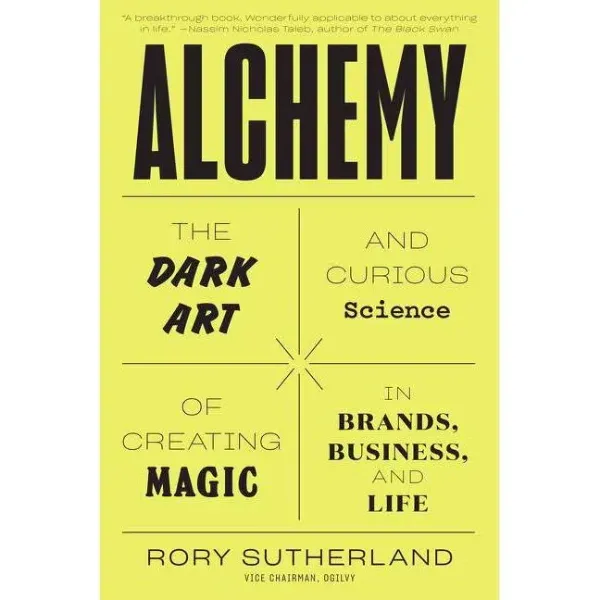
Rory Sutherland's Alchemy: The Surprising Power of Ideas That Don't Make Sense completely dismantles the illusion of pure corporate logic. As Vice Chairman of Ogilvy, Sutherland demonstrates that human beings do not make decisions based on objective spreadsheets. They make decisions based on psychological signals, perceived status, and emotional safety.
Reading this book relieves the pressure to always have an ironclad, mathematically perfect defense for your instincts. It gives you the confidence to trust unconventional solutions, spot what other people are actually reacting to in a meeting, and realize that the most logical person in the room is rarely the most effective.
Learning to Hold Your Ground in High-Friction Conversations
The fear of conflict is what keeps most capable women quiet when they ought to be pushing back. We worry that being firm will make us look difficult, or that raising the stakes in a conversation will burn an important bridge.
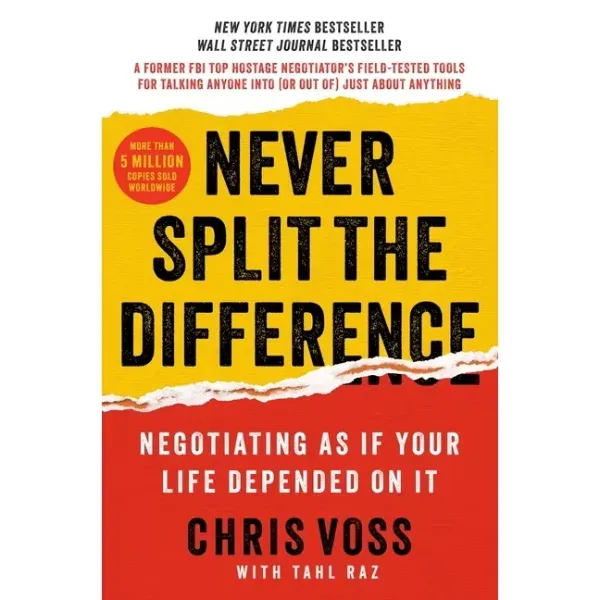
Chris Voss's Never Split the Difference: Negotiating As If Your Life Depended On It strips all the theory out of difficult discussions. Voss, a former lead international kidnapping negotiator for the FBI, teaches negotiation not as an aggressive fight, but as an exercise in tactical empathy and calibrated questioning.
The core insight is liberating: you do not need to raise your voice, dominate the room, or pretend to be aggressive to win an argument.
By using simple linguistic techniques like mirroring, labeling emotions, and asking open questions that start with how or what, you can guide a conversation and set hard boundaries while keeping the room calm. It turns confrontation from a terrifying emotional ordeal into a quiet, tactical chess match where you control the tempo.
Dismantling the Myth of Overnight Motivation
One of the greatest enemies of lasting confidence is waiting to feel ready before you start something ambitious.
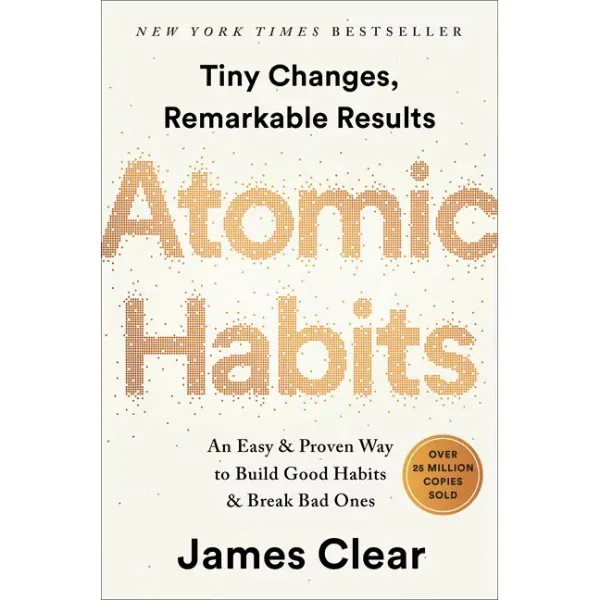
James Clear's Atomic Habits: An Easy & Proven Way to Build Good Habits & Break Bad Ones endures because it treats human progress as an engineering problem rather than a test of willpower. Clear explains that self-esteem is simply the record of your own actions. When you consistently follow through on small promises you make to yourself, confidence becomes the natural byproduct.
Instead of trying to overhaul your entire career or life in a frantic burst of inspiration, this book shows you how to design environments where consistency requires minimal friction.
When your daily execution runs on solid systems rather than fluctuating moods, you stop questioning your capability. You trust yourself because you have daily proof that you do what you set out to do.
Regulating Your Attention and Energy
True confidence requires mental bandwidth. You cannot make decisive choices or speak with authority when your nervous system is completely fried from endless scrolling, notifications, and cheap dopamine hits.
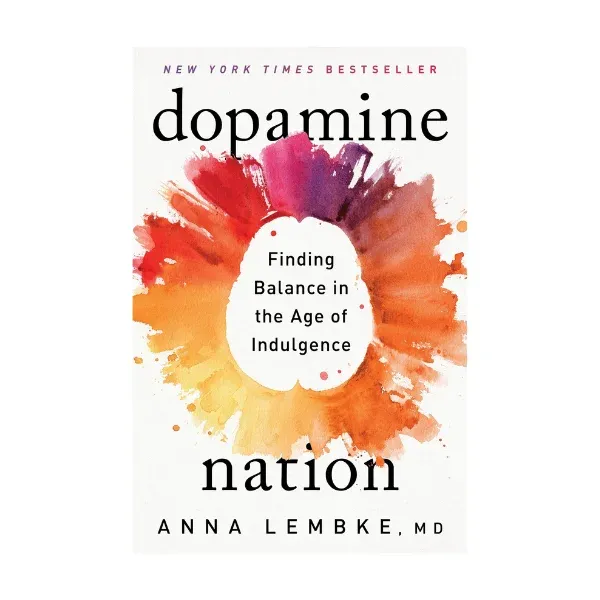
Dr. Anna Lembke's Dopamine Nation: Finding Balance in the Age of Indulgence explores the neuroscience of desire, overconsumption, and emotional burnout. As Chief of the Stanford Addiction Medicine Dual Diagnosis Clinic, Dr. Lembke breaks down how modern digital life floods our brains with constant stimulation, inevitably tipping the neural scales toward anxiety and emotional numbness.
Understanding the biology of the pleasure-pain balance gives you the leverage to pull back from digital noise without feeling like you are punishing yourself.
When you reclaim your attention and reset your baseline, the chronic brain fog clears. You regain the mental stillness and emotional stamina required to handle pressure without spiraling.
How to Think Like a Clear-Eyed Strategist
When you step into rooms where serious decisions get made, the most valuable skill you can possess is not enthusiasm. It is the ability to construct a clean, defensible argument and spot logical fallacies in real time.
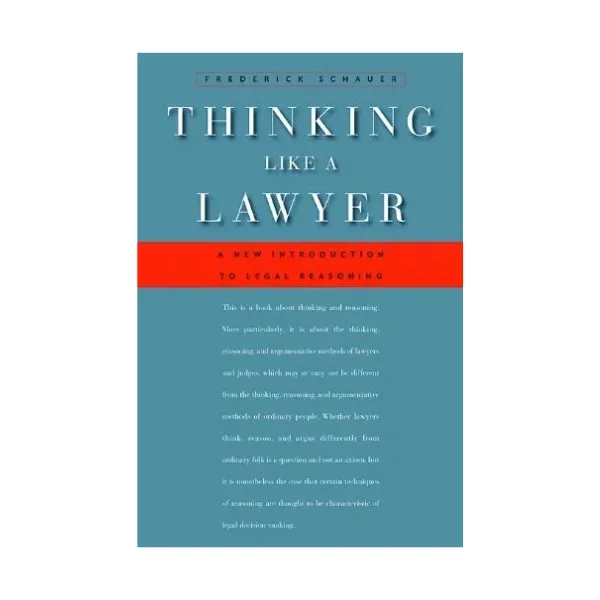
Frederick Schauer's Thinking Like a Lawyer: A New Introduction to Legal Reasoning is an exceptional masterclass in formal analytical thinking for anyone who wants to sharpen their mental edge. Schauer, a distinguished legal scholar, examines how rules, precedents, analogies, and statutory authority function to resolve complex disputes.
You do not need to be an attorney to benefit from this book.
It teaches you how to separate factual evidence from emotional appeals, how to challenge assumptions without getting personal, and how to structure your ideas so they withstand scrutiny. Having a disciplined framework for evaluating arguments does more for your professional authority than any communication seminar ever could.
Making What You Read Actually Count
Buying five books and letting them pile up on a bedside table creates an illusion of progress without delivering any return on your time.
If you want to read with intention this November, choose two titles from this list that address where you feel the most friction right now. Keep your phone in another room while you read, take notes by hand in the margins or in a physical notebook, and give the ideas room to settle into your daily routine.
Confidence is not an identity you put on like a coat. It is what happens when you feed your mind solid information, understand the mechanics of the world around you, and realize that you are more than capable of handling whatever lands on your desk.