Mainstream skincare culture treats standard retinoids as a mandatory rite of passage. Every feed, beauty counter, and glowing review insists that pure retinol is the only active ingredient capable of smoothing fine lines, firming slackened texture, and refining pore architecture. We are instructed to push through the initial purge, endure the flaking, and view surface irritation as proof that the formula is actively working.
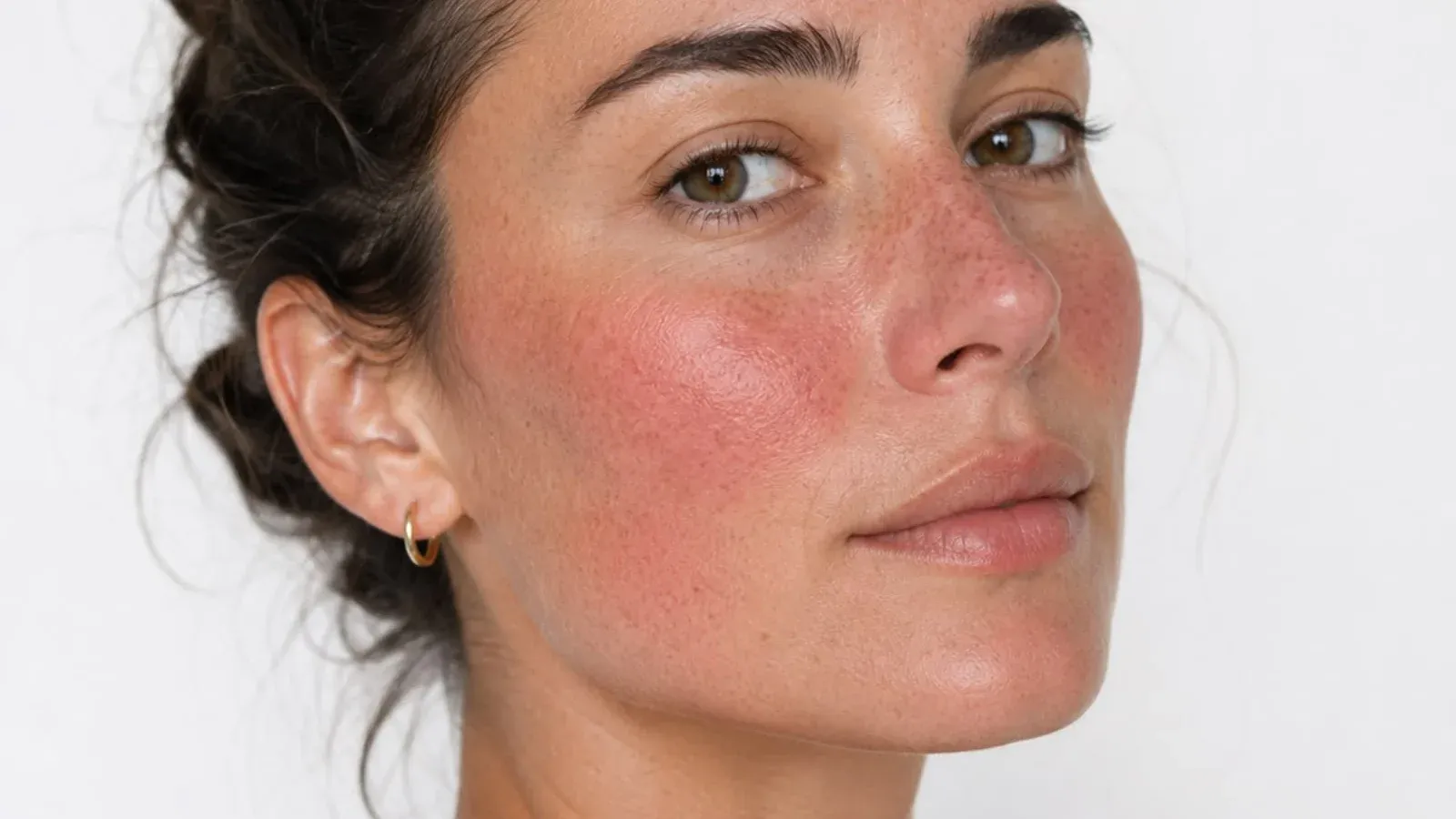
For anyone managing persistent redness, visible telangiectasia, or reactive rosacea, following that advice triggers an immediate clinical emergency. Instead of cellular turnover, traditional vitamin A delivers a scorched-earth reaction: hot stinging, compromised epidermal barriers, broken capillaries, and prolonged inflammation that takes months to soothe.
Building collagen and maintaining skin density while dealing with reactive vascular tissue requires a calculated shift in chemistry. You need biological messengers that stimulate structural repair while respecting the outer barrier, keeping your regimen effective and accessible under the fifty-dollar mark.
The Biology of Reactive Vascular Tissue
Rosacea-prone skin is fundamentally distinct from typical skin types. It is characterized by chronic neurovascular hyperreactivity, compromised barrier lipids, and heightened baseline levels of inflammatory cytokines.
When pure retinol penetrates the stratum corneum, it binds to cellular retinoic acid receptors with rapid intensity. In resilient skin, this triggers mild, transient flaking. On reactive skin, that same surge causes sudden vasodilation, flushing, and rapid transepidermal water loss. The surface becomes stripped of ceramides, allowing external irritants to penetrate deeper into the dermis.
Chronic inflammation accelerates collagen breakdown rather than preserving it. Constant micro-swelling weakens capillary walls, leaving behind permanent spider veins and rough, sensitized patches across the cheeks. Effective anti-aging for rosacea-prone skin centers on molecules that downregulate heat while encouraging fibroblasts to produce structural proteins, bypassing aggressive peeling entirely.
Azelaic Acid as the Core Multi-Tasker
Azelaic acid sits at the intersection of cellular refinement and vascular relief.
A naturally occurring dicarboxylic acid, azelaic acid carries extensive clinical backing for reducing papules, pustules, and persistent erythema. Unlike conventional retinoids, it does not induce photosensitivity or strip moisture from the stratum corneum. It functions as a targeted antioxidant, clears pore congestion without acid burns, and downregulates the pathways responsible for abnormal post-inflammatory hyperpigmentation.
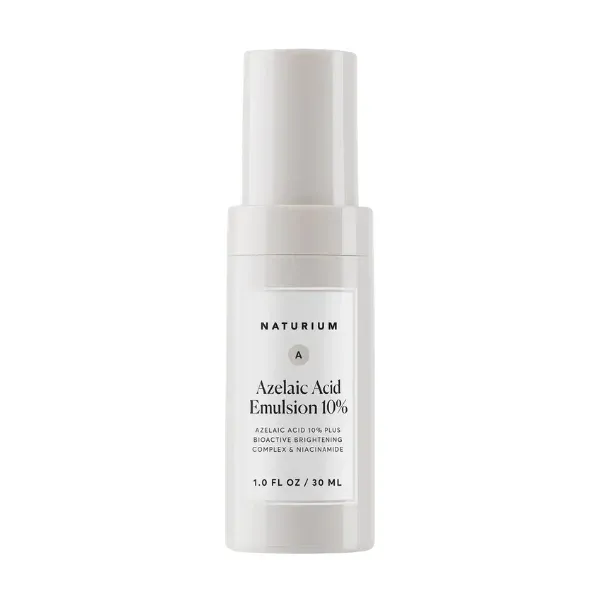
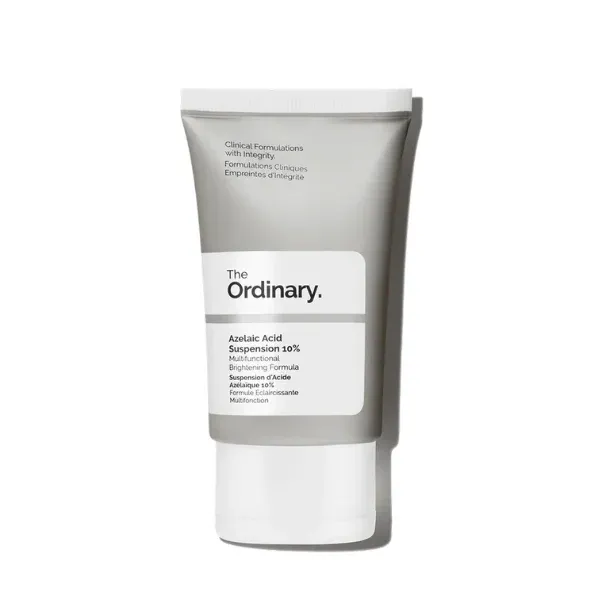
A clean, fragrance-free ten percent formula integrates seamlessly into an evening routine to smooth rough texture and fade dark spots. Naturium Azelaic Acid Emulsion 10% balances pure azelaic acid with soothing bio-ferments for twenty-two dollars, while The Ordinary Azelaic Acid Suspension 10% offers a straightforward, silicone-based cream option at twelve dollars. Both provide reliable resurfacing while actively calming underlying heat.
Plant-Derived Bakuchiol
Bakuchiol, derived from the seeds of the Psoralea corylifolia plant, has emerged as the premier botanical analog to classic vitamin A.
In comparative clinical trials, bakuchiol demonstrates a remarkable ability to upregulate type one and type three collagen synthesis similarly to topical retinol, without triggering receptor-mediated irritation. It possesses natural lipid-stabilizing properties, prevents sebum peroxidation, and remains photochemically stable enough for morning or evening application.
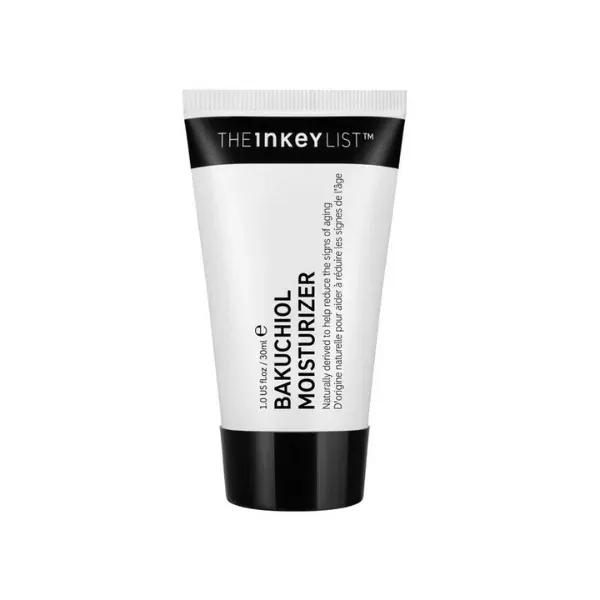
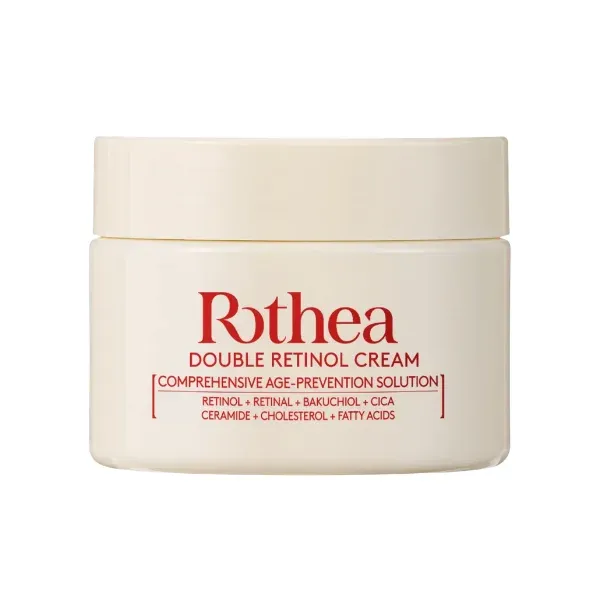
For a focused formulation free of sensitizing essential oils, The INKEY List Bakuchiol Moisturizer delivers a straightforward, nourishing emulsion at nineteen dollars. Another strong, barrier-first formulation is Rothea Bakuchiol Retinol Expert Moisture Cream, which pairs low-concentration plant actives with squalane and ceramides to cushion the skin, running around twenty dollars.
Micro-Dosed Encapsulated Retinaldehyde
For those determined to maintain a true vitamin A derivative in their routine, low-strength encapsulated retinaldehyde offers a far gentler profile than standard over-the-counter retinol.
Retinaldehyde requires only one metabolic conversion step to become retinoic acid within skin cells, compared to the two steps required by pure retinol. Because this conversion is highly efficient, retinaldehyde works effectively at much lower concentrations, reducing the lingering chemical exposure that provokes surface inflammation. When the molecule is micro-encapsulated in a lipid shell, it releases gradually through the night rather than flooding delicate tissue all at once.
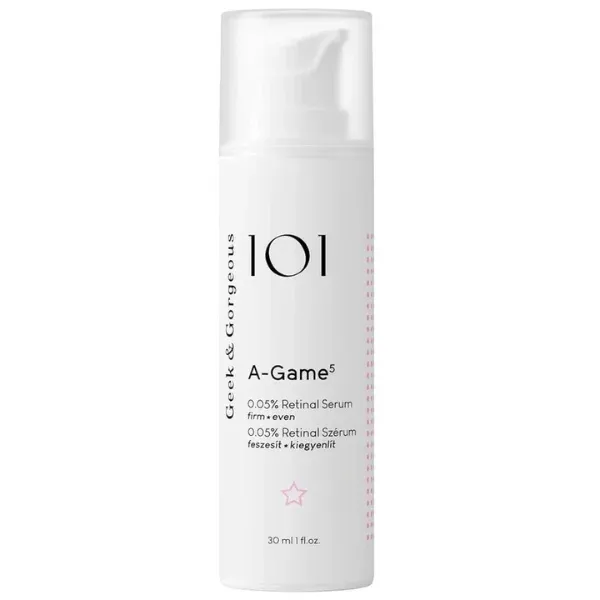
Geek & Gorgeous A-Game 5 features an encapsulated zero-point-zero-five percent retinaldehyde formulation priced at nineteen dollars, serving as an exceptional benchmark for beginners. It performs best when introduced once a week, layered directly over a rich ceramide moisturizer to buffer absorption and maintain vascular calm.
Copper and Signaling Peptides for Deep Repair
The most sustainable approach to sensitive skin long-term moves away from forced exfoliation and toward structural reinforcement through peptides.
Copper tripeptides and complex signaling peptides function as intercellular messengers. They signal fibroblasts to generate fresh collagen, elastin, and glycosaminoglycans, while actively speeding tissue regeneration and fortifying thin, delicate capillary walls. Peptides carry zero risk of peeling, require no acclimation period, and pair effortlessly with restorative humectants like glycerin, ectoin, and panthenol.
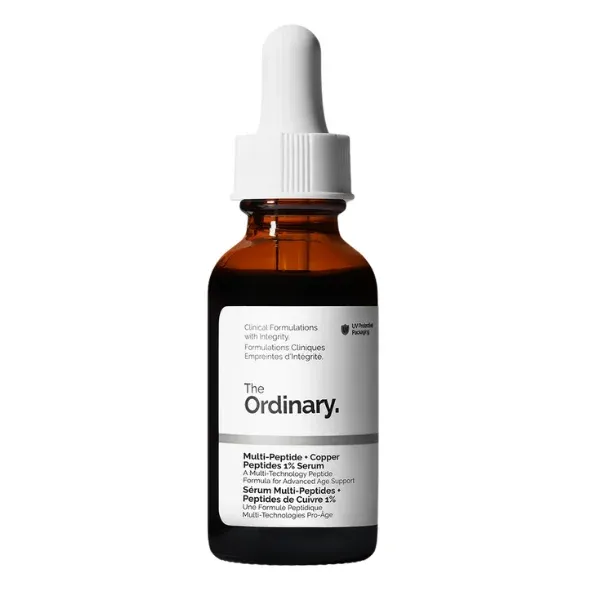
The Ordinary Multi-Peptide + Copper Peptides 1% delivers a direct dose of targeted peptide complexes at thirty-two dollars, restoring bounce and firmness without upsetting sensitive microbiomes. Managing reactive skin never requires abandoning real cellular results. It simply means choosing steady structural support over unnecessary surface trauma.